



Overview
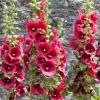
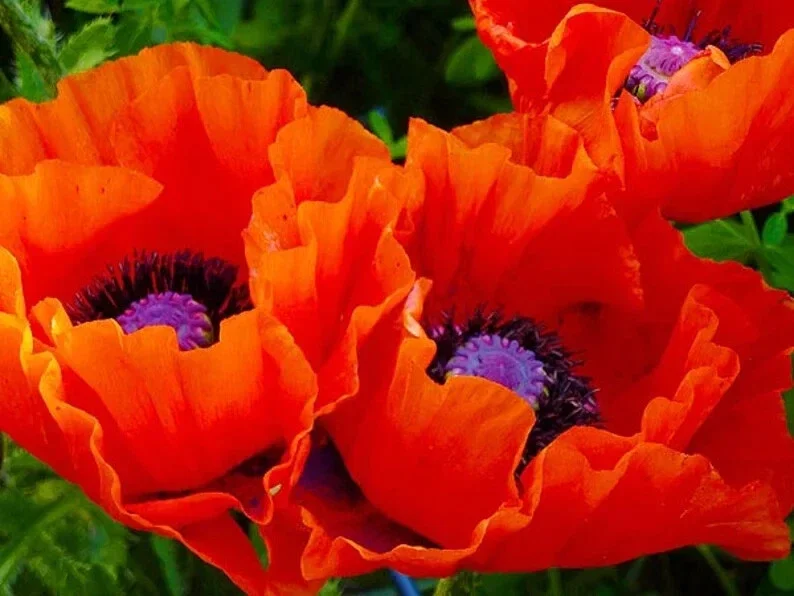
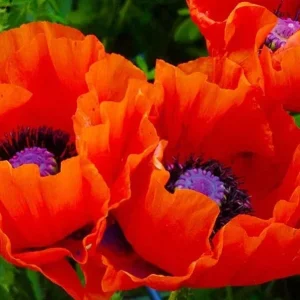
Cultivate a breathtaking display of vibrant color with our premium oriental poppy seeds. Each packet contains over 200 high-quality seeds, ready to transform your garden or indoor pots into a spectacle of reddish-orange blooms. Oriental Poppies (Papaver orientale) are renowned for their large, showy flowers and striking appearance, making them a favorite among gardeners. These hardy perennial plants return year after year, providing reliable beauty with minimal effort. Our oriental poppy seeds offer an excellent opportunity for both novice and experienced gardeners to grow poppies from seed, ensuring a rewarding and visually stunning experience.
These majestic flowers are known for their dramatic presence, with cup-shaped petals often featuring a dark blotch at the base, creating a captivating contrast. They are perfect for cottage gardens, borders, or as a focal point in any landscape design. Growing perennial poppy flowers from seed is a fulfilling project that yields spectacular results, adding a touch of elegance and wild beauty to your outdoor or indoor environment.
Key Benefits
Embrace the numerous advantages of adding these exquisite oriental poppy seeds to your planting collection. Their beauty and resilience make them a superb choice for various gardening styles, making them truly easy garden flowers to incorporate.
- Stunning Aesthetics: Produce large, eye-catching reddish-orange flowers that are sure to be a focal point in any garden or container. These vibrant blooms will draw attention and admiration from all who see them.
- Perennial Growth: As perennial plants, these poppies return each spring without the need for replanting, offering long-lasting beauty and reducing annual gardening efforts. Enjoy their splendor season after season.
- Easy to Grow: With a cultivating difficulty rated as ‘Very Easy,’ these seeds are perfect for beginners and seasoned gardeners alike. Discover how to grow poppies from seed with minimal fuss.
- Versatile Planting: Suitable for both indoor and outdoor cultivation, these poppies can enhance garden beds, borders, rockeries, or even large patio containers, offering flexible design options for your landscape.
- Attracts Pollinators: The bright, open flowers are a magnet for bees and other beneficial pollinators, contributing to a healthy and thriving garden ecosystem.
- Drought Tolerant: Once established, perennial poppy flowers are quite drought-tolerant, making them a water-wise choice for various climates.
- Resilient Nature: Known for their hardiness, these poppies can withstand a range of environmental conditions, making them a robust addition to your plant collection.
Plant Care & Growing Tips
To ensure your oriental poppy seeds flourish into magnificent plants, follow these detailed care and growing tips. Oriental Poppies thrive in conditions that mimic their natural habitat, requiring well-drained soil and plenty of sunlight. For successful germination, sow seeds directly outdoors in early spring or late fall, or start them indoors about 9 weeks before the last frost. Ensure the soil temperature is cool, as poppies prefer cooler conditions for germination. Lightly cover the seeds with soil, as they need some light to sprout. This process will help you grow poppies from seed effectively.
Once established, Oriental Poppies prefer a location with full sun, receiving at least 6 hours of direct sunlight per day. They can tolerate medium sun, but flowering may be less prolific. The ideal soil pH is neutral, and they prefer a light, well-draining soil type. Avoid heavy, waterlogged soils, which can lead to root rot. Watering should be light; once established, poppies are quite drought-tolerant. During dry spells, provide occasional deep watering rather than frequent shallow watering. Fertilization is generally not heavily required; a balanced, slow-release fertilizer in early spring can promote vigorous growth and abundant blooms. These plants are relatively low maintenance, making them an excellent choice for an easy garden flowers solution.
Oriental Poppies are clumping plants that form attractive mounds of foliage, followed by their spectacular blooms in late spring to early summer. After flowering, the foliage may die back, entering a period of dormancy, especially in warmer climates. This is a natural part of their life cycle. Be aware that these plants can self-seed, so if you wish to control their spread, deadhead spent flowers before they go to seed. With proper care, your oriental poppy seeds will reward you with years of stunning floral displays.
Size & Details
This offering includes a generous packet containing over 200 red poppy seeds, providing ample opportunity to cultivate a vibrant patch of these beautiful flowers. Each seed is carefully selected to ensure high germination rates, giving you the best chance for a successful garden. When mature, Oriental Poppy plants typically grow to a height of 24-36 inches (60-90 cm) and spread about 18-24 inches (45-60 cm), forming attractive clumps. The large, papery flowers can reach diameters of 4-6 inches (10-15 cm).
These seeds are shipped in a protective packet, ready for planting. Expect blooms in late spring to early summer, usually within the second year after planting from seed. The plants have a perennial life cycle, meaning they will return year after year, establishing themselves more robustly over time. Their growth habit is clumping, making them suitable for garden beds, borders, or even large containers. The vibrant reddish-orange color of the blooms will add a striking element to any landscape, making them truly easy garden flowers to love.
Frequently Asked Questions
- Q: How big do Oriental Poppy plants get? A: Mature Oriental Poppy plants typically reach a height of 24-36 inches (60-90 cm) and spread about 18-24 inches (45-60 cm). Their striking flowers can be 4-6 inches in diameter, creating a dramatic focal point in your garden.
- Q: Is this an indoor or outdoor plant? A: Oriental Poppies are primarily outdoor plants, thriving in garden beds and borders. However, their oriental poppy seeds can be started indoors before transplanting, or grown in large containers on patios.
- Q: How much sunlight does an Oriental Poppy need? A: These poppies prefer full sun, meaning at least 6 hours of direct sunlight per day. They can tolerate medium sun, but full sun encourages the best flowering and most vibrant reddish-orange hues.
- Q: Is this plant easy to care for? A: Yes, Oriental Poppies are considered very easy to cultivate. Once established, they are low-maintenance and quite resilient, making them ideal for gardeners of all experience levels. Many find how to grow poppies from seed to be a straightforward process.
- Q: What condition will the seeds arrive in? A: The red poppy seeds will arrive in a protective packet, ensuring their quality and viability for planting. They are ready to be sown upon arrival to begin your gardening project.
- Q: How long until Oriental Poppies bloom? A: When grown from seed, Oriental Poppies typically bloom in the second year after planting. They flower in late spring to early summer, providing a spectacular seasonal display of perennial poppy flowers.
- Q: What is the best time to plant these seeds? A: The best time to plant oriental poppy seeds is in early spring or late fall directly outdoors. For indoor starting, begin about 9 weeks before the last expected frost.
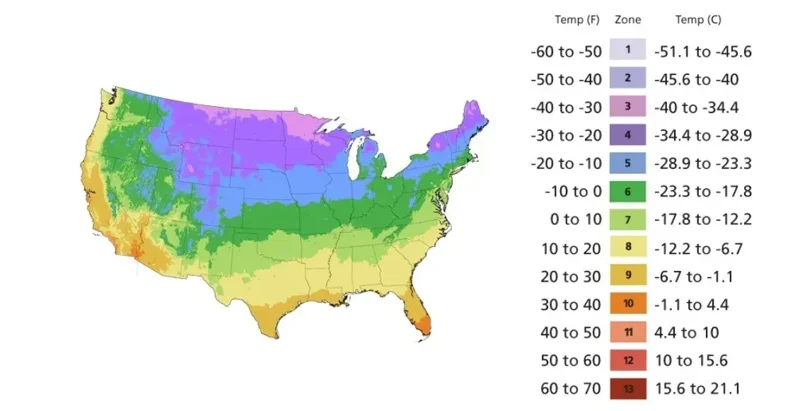
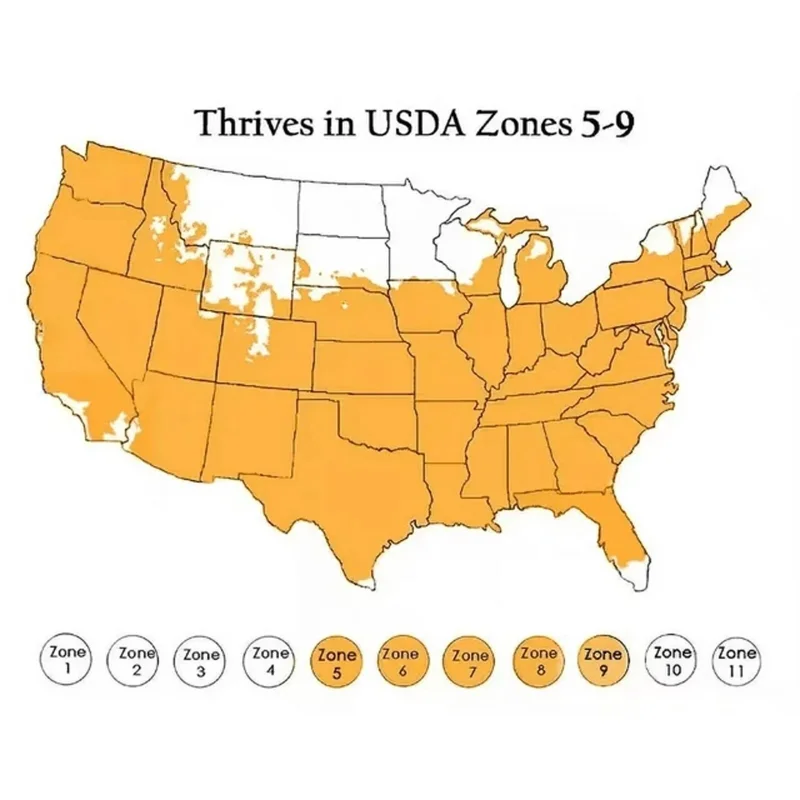
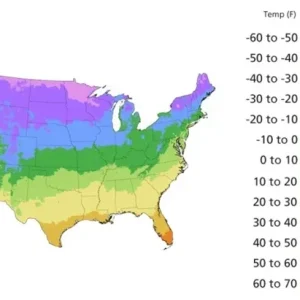
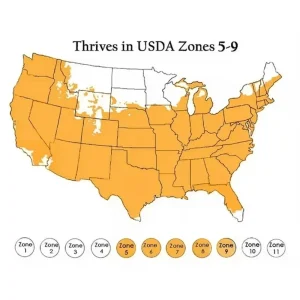
- Q: Will Oriental Poppies survive winter in my zone? A: Oriental Poppies are hardy perennials and can survive winters in USDA zones 3-7. They are well-adapted to colder climates and will return each year, providing consistent beauty.
- Q: What type of soil do these poppies prefer? A: They thrive in neutral soil with good drainage. Light, well-draining soil is crucial to prevent root rot, ensuring healthy growth for your perennial poppy flowers.
- Q: Do these poppies attract pollinators? A: Yes, the large, open blooms of Oriental Poppies are very attractive to bees and other pollinators, making them a beneficial addition to any garden aiming to support local wildlife. These truly are easy garden flowers that give back to nature.


Reviews
There are no reviews yet.