Overview
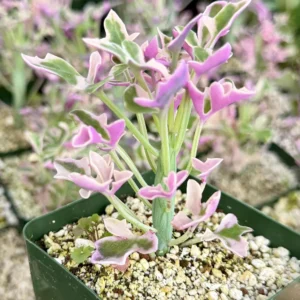
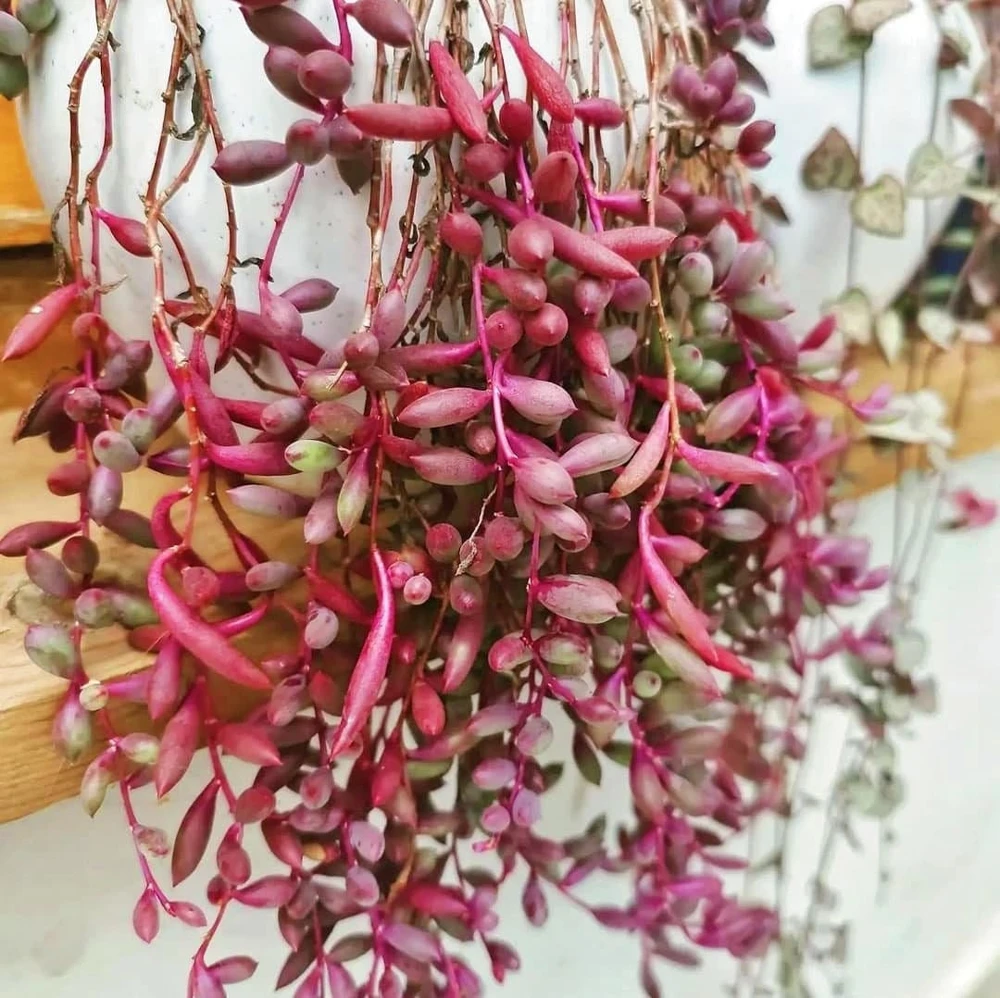
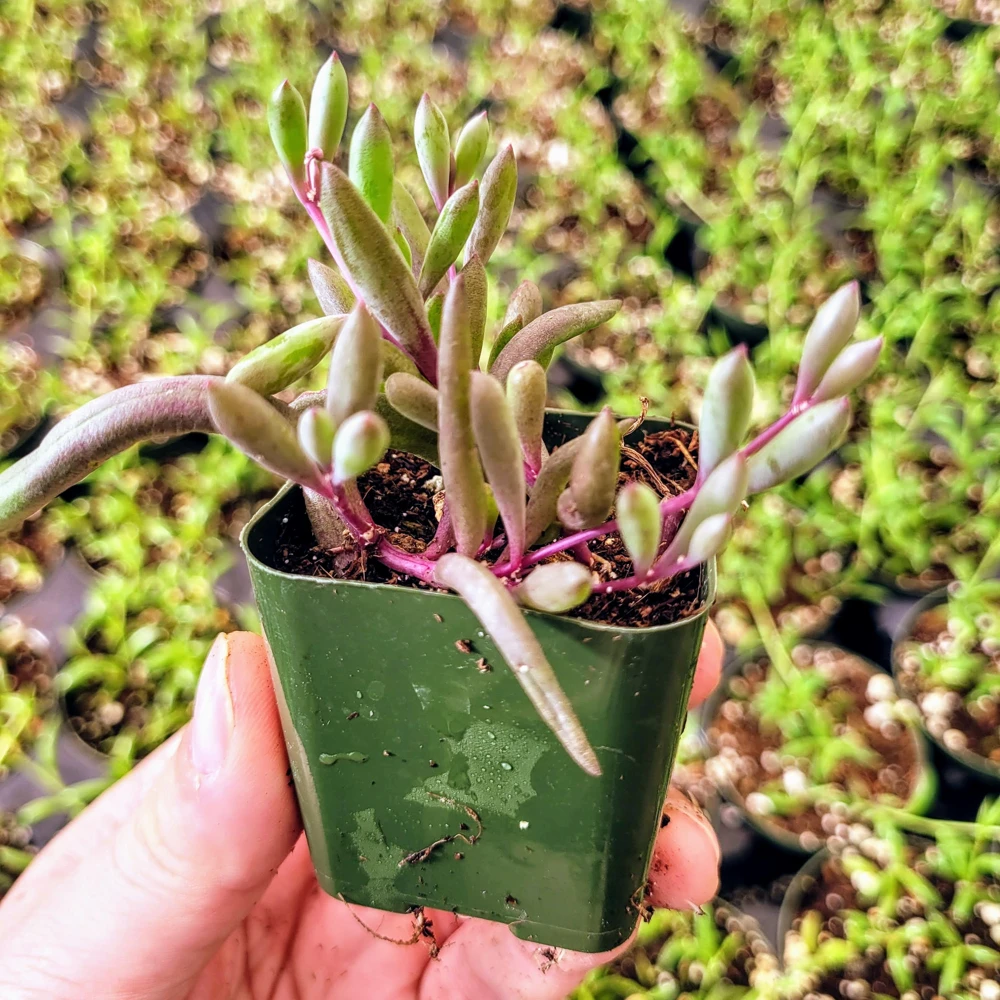
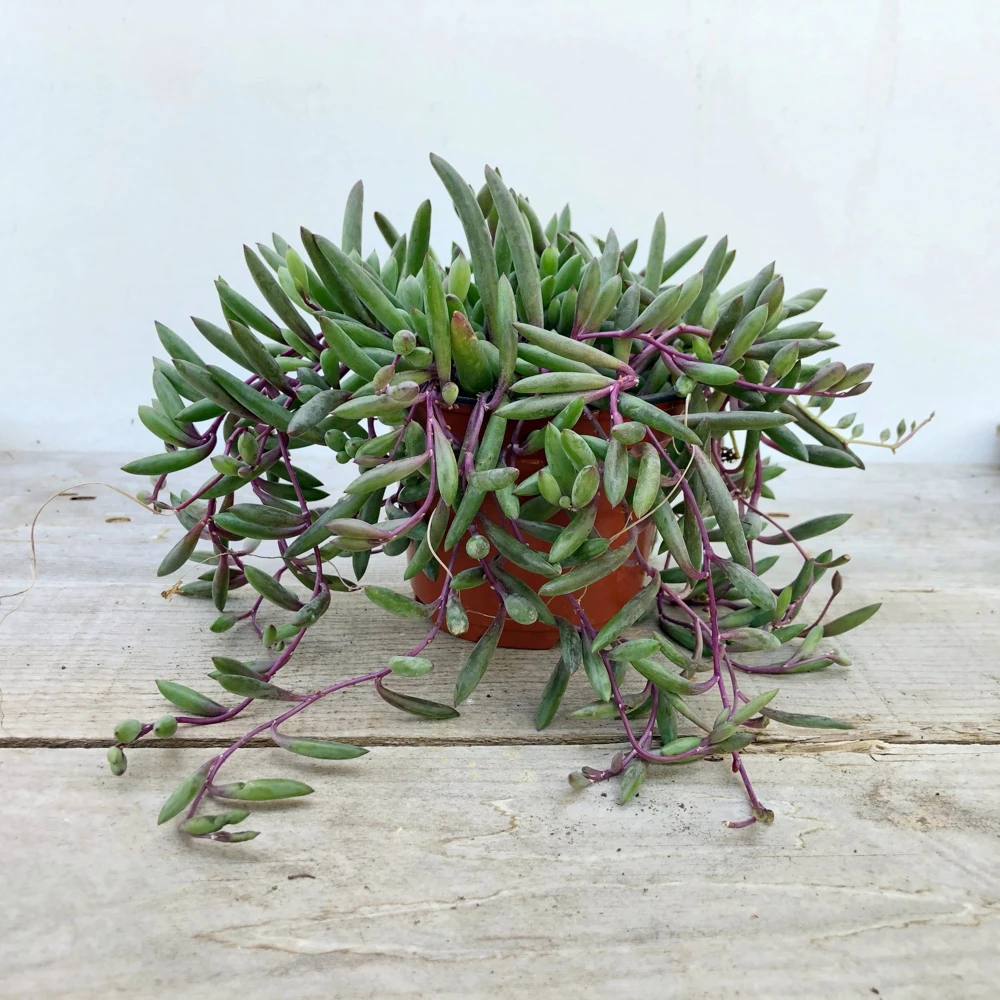
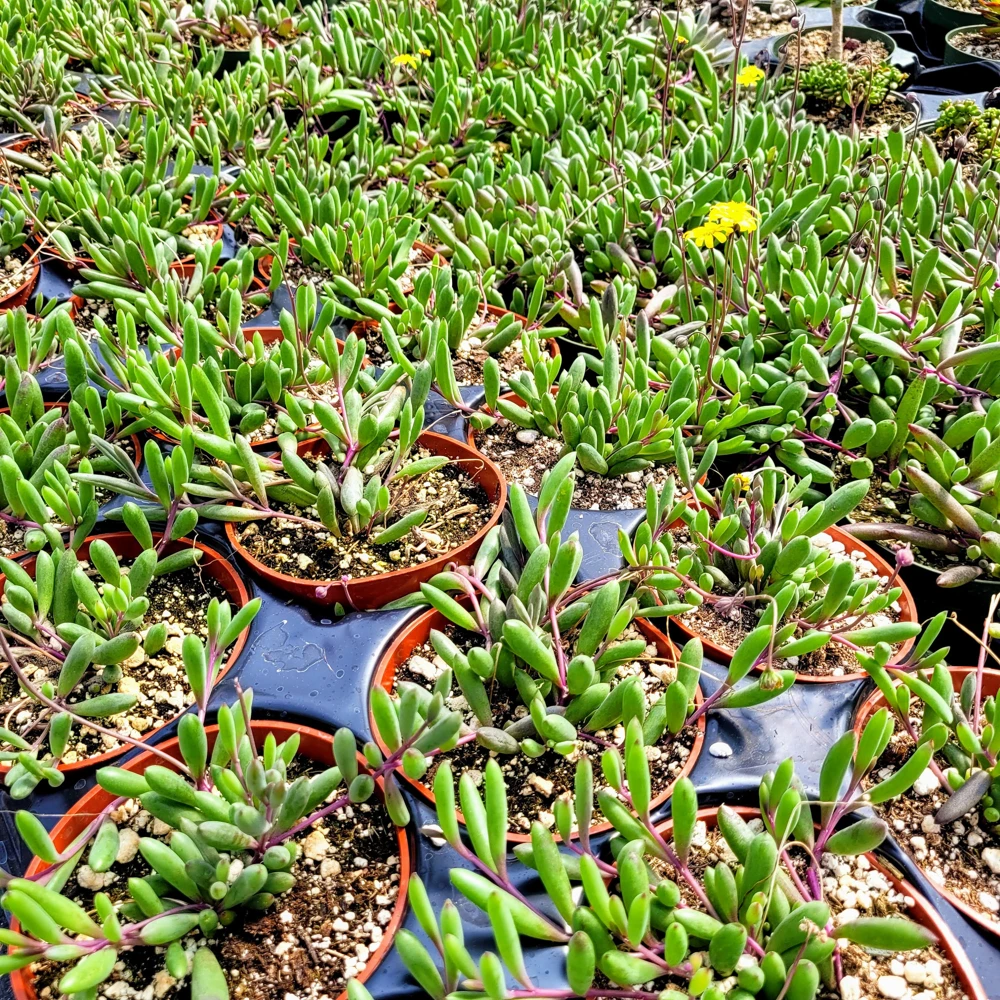
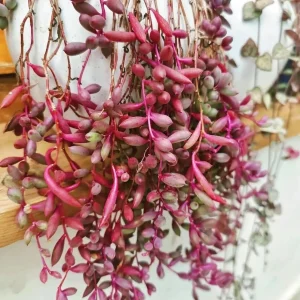
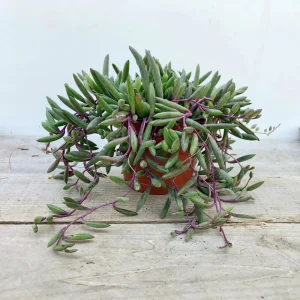
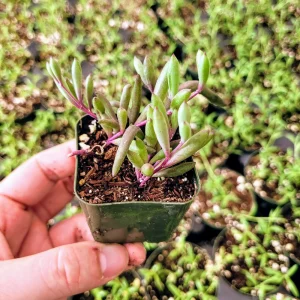
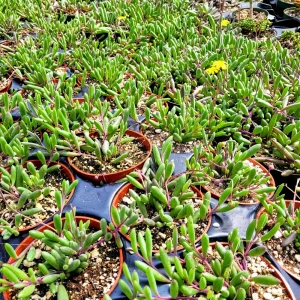
Introduce a splash of unique color and texture to your plant collection with the stunning Othonna Capensis ‘Ruby Necklace’ live plant. Also affectionately known as ‘String of Little Pickles’ or ‘Ruby Necklace’ plant, this delightful succulent is cherished for its distinctive, plump, blue-green, pickle-shaped leaves that often blush a beautiful purple-red when happily stressed by drought or bright light. Originating from South Africa, this moderately slow-growing evergreen succulent forms dense clumps, typically reaching up to 4 inches tall and spreading about 1 foot wide, creating a cascade of vibrant foliage. Each Ruby Necklace succulent comes as a healthy, live plant in a 2-inch nursery pot, ready to thrive in your home or garden. Its low-maintenance nature makes it an excellent choice for both seasoned plant enthusiasts and beginners alike, offering continuous visual interest with minimal fuss.
The botanical name, Othonna Capensis, points to its Cape region origin in South Africa. This resilient plant is famous for its bright, cheerful appearance and adaptability. Whether you’re looking to enhance a sunny windowsill, a hanging basket, or a rock garden, the Othonna Capensis ‘Ruby Necklace’ live plant is sure to capture attention. Its ability to change leaf color adds an dynamic element, making it a living piece of art that evolves with its environment. Embrace the charm of this easy-to-grow succulent and enjoy its captivating display of color and form.
Key Benefits
The Othonna Capensis ‘Ruby Necklace’ live plant offers numerous advantages that make it a highly desirable addition to any plant lover’s collection. Its unique aesthetic and robust nature contribute to a delightful gardening experience.
- Striking Visual Appeal: The most prominent benefit is its vibrant coloration and unique leaf shape. The ‘pickle-shaped’ leaves, ranging from blue-green to a deep ruby red, provide a captivating contrast, especially when trailing from a pot or basket.
- Low Maintenance: This Ruby Necklace succulent is incredibly forgiving and requires minimal attention once established. Its drought-tolerant nature means less frequent watering, perfect for busy individuals or those new to plant care.
- Versatile Placement: Thrives equally well indoors in bright, indirect light or outdoors in shaded areas, making it adaptable to various living spaces and garden designs. It’s an excellent choice for windowsills, shelves, patios, and rock gardens.
- Air Purification: Like many succulents, the Othonna Capensis ‘Ruby Necklace’ live plant contributes to a healthier indoor environment by helping to filter airborne toxins and increasing oxygen levels.
- Compact Growth Habit: Its moderate growth rate and compact size make it suitable for smaller spaces, such as apartments or office desks, where larger plants might not fit.
- Drought Tolerance: Its succulent nature allows it to store water in its leaves, making it highly drought-resistant and forgiving of occasional neglect in watering.
- Easy Propagation: This plant is relatively easy to propagate from cuttings, allowing you to expand your collection or share with friends and family.
Plant Care & Growing Tips
Caring for your Othonna Capensis ‘Ruby Necklace’ live plant is straightforward, making it an excellent choice for both novice and experienced gardeners. Understanding its basic needs will ensure it thrives and displays its beautiful ruby hues.
Light: Provide bright, indirect light. Indoors, a south-facing window with a sheer curtain or an east-facing window is ideal. Avoid prolonged direct sunlight, especially during the hottest parts of the day, as this can scorch the leaves. If growing outdoors, choose a location with morning sun and afternoon shade. The more light it receives (without being scorched), the more pronounced its ruby coloration will become.
Watering: The Ruby Necklace succulent is drought-tolerant. Water infrequently, allowing the soil to dry out completely between waterings. Typically, watering once a week or less, depending on your local climate and humidity, is sufficient. Always check the soil’s dryness by feeling it before watering. Overwatering is the most common cause of problems for this plant, leading to root rot. Reduce watering significantly during its dormant winter months.
Soil: Use a fast-draining soil mix to prevent waterlogging. A succulent and cactus mix, supplemented with extra perlite or pumice for enhanced drainage, is highly recommended. A mix primarily composed of peat moss with plenty of perlite also works well. Good drainage is crucial for the health of this pickle plant succulent.
Potting: If growing indoors, a terracotta pot is an excellent choice as it helps wick away excess moisture, promoting healthier root growth. Ensure any pot has drainage holes. Repotting is generally needed only when the plant becomes root-bound, usually every 1-2 years.
Temperature & Humidity: This succulent prefers warm temperatures between 65-80°F (18-27°C). It is not frost-tolerant and should be protected from temperatures below 40°F (4°C). If grown outdoors in colder climates, bring it indoors before the first frost. Average household humidity is usually sufficient; it does not require high humidity.
Fertilizing: Fertilize sparingly. During the active growing season (spring and summer), feed once a month with a balanced liquid houseplant fertilizer diluted to half strength. Avoid fertilizing during the fall and winter when the plant is dormant. Over-fertilization can lead to leggy growth and burn the roots of your Othonna Capensis care regimen.
Size & Details
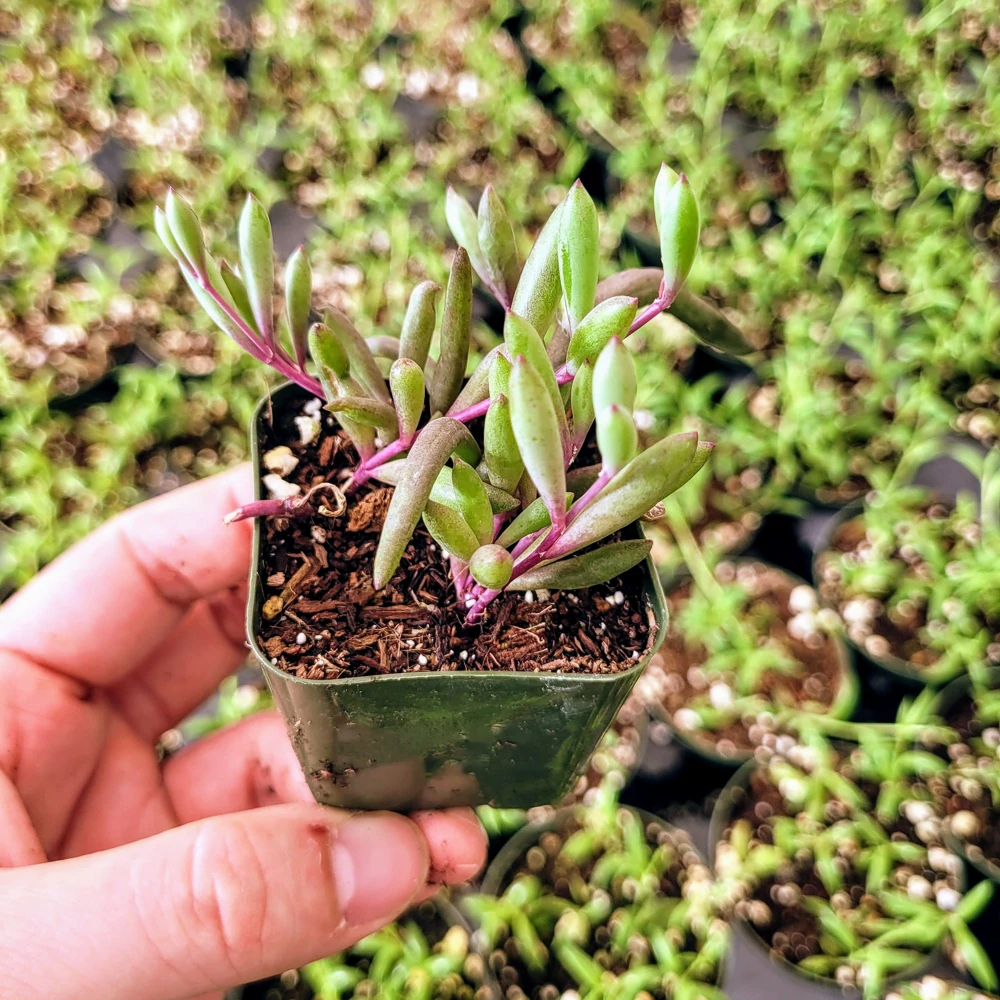
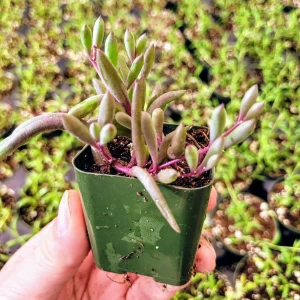
Each order includes one live Othonna Capensis ‘Ruby Necklace’ live plant, carefully cultivated and shipped in a 2-inch nursery pot. At the time of shipment, the plant will be well-rooted and actively growing, ready to be introduced to its new environment. The plant typically grows to a height of not much more than 4 inches, with its distinctive trailing stems spreading up to 1 foot wide when mature. The leaves are typically about 1 inch long, plump, and cylindrical, resembling small pickles. The vibrant coloration, ranging from blue-green to a rich purple-red, intensifies with adequate sunlight and slight drought stress. This trailing succulent indoor plant will arrive securely packaged to minimize stress during transit, ensuring it reaches you in optimal condition for continued growth and enjoyment. Expect moderate growth, with the plant slowly filling out its pot and beginning to trail over the edges, creating a beautiful display.
Frequently Asked Questions
- Q: How big does this Othonna Capensis ‘Ruby Necklace’ live plant get? A: This succulent typically grows to about 4 inches tall and can spread up to 1 foot wide, with its stems trailing beautifully over the edges of its pot.
- Q: What size pot does it come in? A: Each Ruby Necklace succulent is shipped in a standard 2-inch nursery pot, providing a perfect starting point for its growth.
- Q: Is this an indoor or outdoor plant? A: The Othonna Capensis ‘Ruby Necklace’ live plant can thrive both indoors in bright, indirect light and outdoors in shaded areas, as long as temperatures remain above 40°F (4°C).
- Q: How much sunlight does it need? A: It prefers bright, indirect light for at least 4-6 hours a day. Direct afternoon sun can be too intense, while too little light may reduce its vibrant ruby coloring.
- Q: Is this plant easy to care for? Is it good for beginners? A: Yes, this is considered a very easy-care succulent, making it an excellent choice for beginners due to its drought tolerance and minimal maintenance requirements. Proper Othonna Capensis care is quite simple.
- Q: What condition will it arrive in? Is it shipped in soil? A: Your plant will arrive as a live, healthy specimen, securely packaged in its 2-inch nursery pot with soil, ready for its new home.
- Q: Is it pet-safe? A: While generally considered non-toxic, it’s always best to keep plants out of reach of pets to prevent any potential digestive upset.
- Q: How often should I water my pickle plant succulent? A: Water only when the soil is completely dry to the touch. This could be once a week or less, depending on environmental conditions. Overwatering is detrimental.
- Q: Can I grow this as a trailing succulent indoor? A: Absolutely! Its trailing habit makes it perfect for hanging baskets or shelves where its stems can cascade gracefully.
- Q: What is the best soil type for this succulent? A: A well-draining succulent and cactus mix, or a peat-based mix with plenty of perlite, is ideal to ensure proper drainage and prevent root rot.


Reviews
There are no reviews yet.