Overview
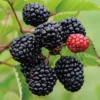
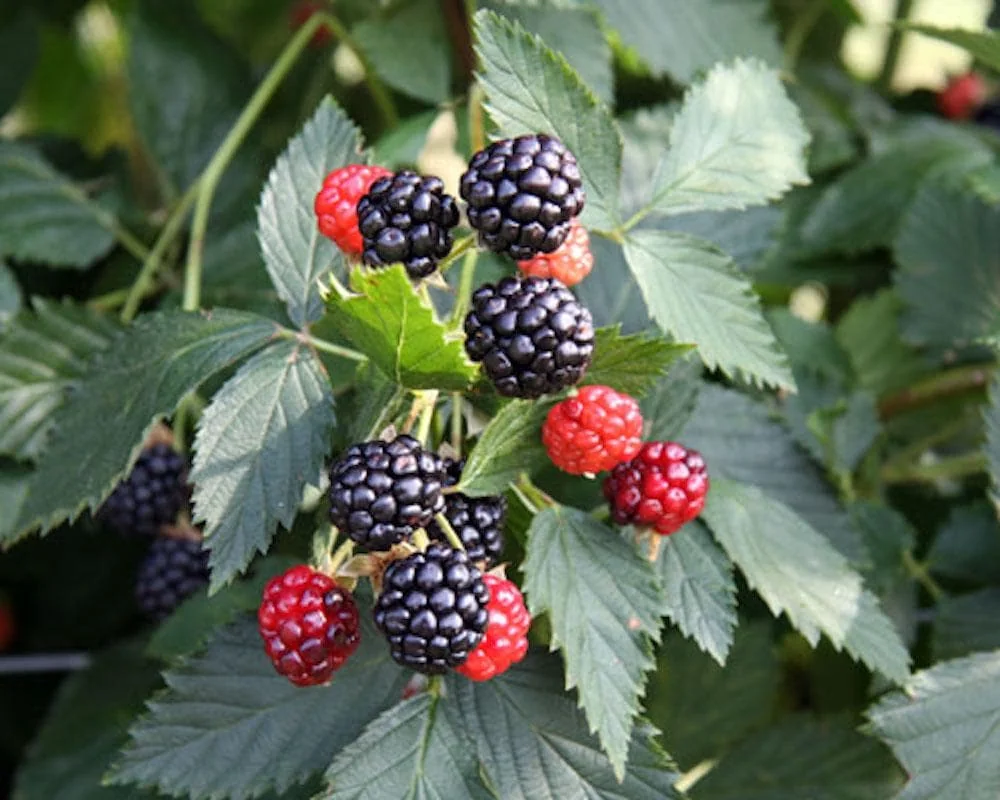
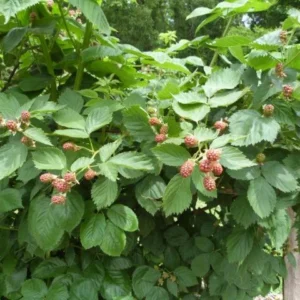
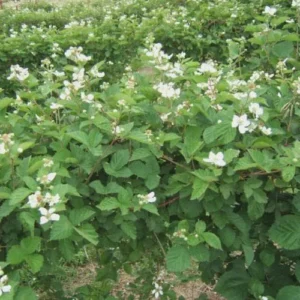
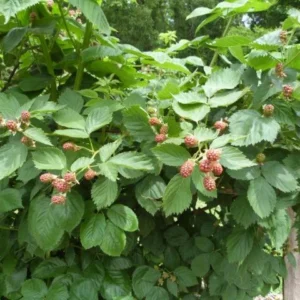
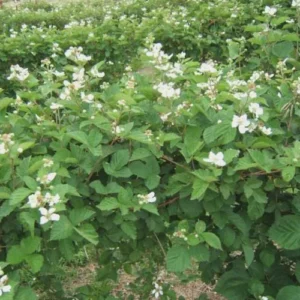
Bring the joy of fresh, homegrown berries to your garden with the Ouachita blackberry live plant. This starter plug offers a robust beginning for a highly popular and productive blackberry variety. The ‘Ouachita’ blackberry, scientifically known as Rubus ‘Ouachita’, is celebrated for its exceptional qualities, including its thornless canes, which make harvesting a pleasure. Developed by the University of Arkansas, this erect-caned plant is a testament to horticultural innovation, providing gardeners with a reliable source of large, sweet, and firm berries. It’s a low-maintenance, self-pollinating plant, making it an excellent choice for both novice and experienced gardeners seeking to establish a fruitful berry patch with a thornless blackberry plant.
The ‘Ouachita’ variety is particularly noted for its high yield and consistent quality, ensuring a bountiful harvest season after season. Its vigorous growth and adaptability make it suitable for a wide range of climates, thriving in various garden settings. Whether you’re looking to add fresh berries to your breakfast, bake delicious pies, or simply enjoy them straight from the bush, this blackberry starter plug provides the perfect foundation for a thriving berry patch.
Key Benefits
The Ouachita blackberry live plant offers numerous advantages for the home gardener, combining ease of care with abundant production of high-quality fruit.
- Thornless Canes: Enjoy hassle-free harvesting and pruning thanks to the completely thornless nature of the ‘Ouachita’ blackberry. This feature significantly enhances the gardening experience, preventing scratches and making maintenance much simpler.
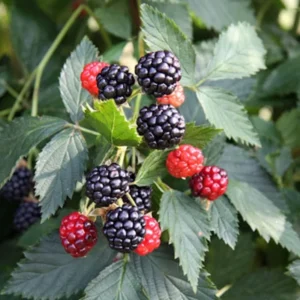
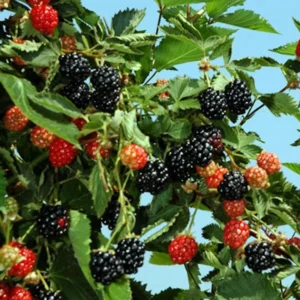
- High Yield & Large Berries: This variety is renowned for its prolific production of generously sized, glossy black berries. You can expect a substantial harvest, providing plenty of fruit for fresh eating, preserves, and baking.
- Sweet & Firm Flavor: Ouachita blackberries boast an excellent flavor profile, characterized by their sweetness and firm texture. These qualities make them ideal for various culinary uses, maintaining their integrity even after picking.
- Self-Pollinating: As a self-pollinating plant, the ‘Ouachita’ blackberry does not require another variety for fruit production. This simplifies planting and ensures a reliable yield even if you only have space for one plant, making it a perfect thornless blackberry plant.
- Low Maintenance: Developed for resilience and ease of care, this variety is generally hardy and requires minimal intervention once established. Its erect growth habit also reduces the need for extensive trellising, contributing to its low-maintenance appeal.
- Versatile Use: Beyond fresh consumption, these berries are excellent for jams, jellies, pies, and freezing. The robust nature of the Rubus Ouachita makes it a versatile addition to any home garden.
- Home & Commercial Suitable: While perfect for home gardens, its strong characteristics also make it suitable for commercial production, reflecting its superior qualities and reliability.
Plant Care & Growing Tips
Caring for your Ouachita blackberry live plant is straightforward, ensuring a rewarding harvest with proper attention. These plants thrive in full sun, meaning they need at least 6-8 hours of direct sunlight per day to produce the sweetest and most abundant berries. Choose a location in your garden that receives ample sunlight throughout the day. Good air circulation is also beneficial to prevent fungal diseases.
Blackberries prefer well-draining, fertile soil with a slightly acidic pH between 6.0 and 6.5. Amend heavy clay soils with organic matter like compost or aged manure to improve drainage and fertility. For sandy soils, adding organic matter will help retain moisture and nutrients. Consistent watering is crucial, especially during the fruiting period and dry spells. Aim to keep the soil consistently moist but not waterlogged. Deep watering encourages a strong root system. Fertilize in early spring with a balanced slow-release fertilizer or an organic berry fertilizer. Avoid excessive nitrogen, which can promote leafy growth at the expense of fruit production. Pruning is essential for maintaining plant health and maximizing yield. Since ‘Ouachita’ is an erect-caned variety, prune out old, fruited canes at ground level after harvest, as these canes will not produce again. New canes will emerge to bear fruit the following year. Protecting your Rubus Ouachita from pests and diseases can often be achieved through good cultural practices, including proper spacing and sanitation.
This blackberry starter plug will quickly establish itself, and with a little care, you’ll be enjoying fresh berries in no time. Understanding the needs of growing blackberries is key to a successful harvest.
Size & Details
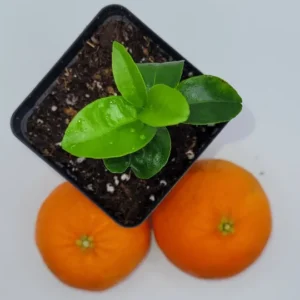
Your Ouachita blackberry live plant will arrive as a healthy starter plug, ready for planting. These plugs are typically well-rooted and between 4-8 inches tall, providing a robust start for your berry patch. ‘Ouachita’ blackberries are erect-caned, meaning they grow upright and generally do not require extensive trellising, though some support can be beneficial as the canes become laden with fruit. Mature plants can reach heights of 5-8 feet and spread 3-4 feet wide, forming productive hedgerows. The growth rate is vigorous, and you can expect your plants to begin producing fruit within one to two years after planting. The berries ripen typically in early to mid-summer, offering a concentrated harvest window. The plant is shipped as a live, actively growing starter plug, carefully packaged to ensure its safe arrival. This blackberry starter plug ensures a strong start for your plants.
Frequently Asked Questions
- Q: How big does this Ouachita blackberry plant get? A: A mature Ouachita blackberry live plant typically grows 5-8 feet tall and spreads 3-4 feet wide. Its erect canes provide a sturdy structure, and with proper care, it can become a significant producer in your garden.
- Q: Is this an indoor or outdoor plant? A: The ‘Ouachita’ blackberry is an outdoor fruiting shrub. It requires full sun and is best suited for planting directly in the ground or in very large containers outdoors to allow for its growth habit and fruit production.
- Q: How much sunlight does it need? A: This thornless blackberry plant thrives in full sun, requiring a minimum of 6-8 hours of direct sunlight per day. Adequate sunlight is crucial for optimal fruit development and sweetness.
- Q: Is this plant easy to care for? A: Yes, the ‘Ouachita’ blackberry is considered a low-maintenance plant. Its thornless nature simplifies pruning and harvesting, and it is known for its resilience and adaptability, making growing blackberries accessible for many gardeners.
- Q: What condition will the blackberry starter plug arrive in? A: Your blackberry starter plug will arrive as a healthy, live plant with an established root system, carefully packaged to ensure it withstands transit and is ready for immediate planting upon arrival.
- Q: When is the best time to plant the Ouachita blackberry? A: The best time to plant your ‘Ouachita’ blackberry starter plug is typically in early spring after the last frost, or in early fall. This allows the plant to establish its root system before extreme temperatures.
- Q: Will it survive winter in my zone? A: The ‘Ouachita’ blackberry is generally hardy in USDA Zones 5-9. In colder zones, additional winter protection may be necessary, such as mulching or covering the plants.
- Q: Can I grow the ‘Ouachita’ blackberry in a container? A: While it’s possible to grow this Rubus Ouachita in a container, it requires a very large pot (at least 20-30 gallons) to accommodate its extensive root system and mature size. Container-grown plants may need more frequent watering and fertilization.
- Q: How long until it produces fruit? A: You can typically expect your ‘Ouachita’ blackberry plant to start producing fruit within 1-2 years after planting, with full production generally achieved in the third year.
- Q: Is the ‘Ouachita’ blackberry self-pollinating? A: Yes, the ‘Ouachita’ blackberry is a self-pollinating variety, meaning you only need one plant to get fruit. However, planting multiple plants can often lead to a larger overall yield.


Reviews
There are no reviews yet.