Overview
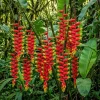
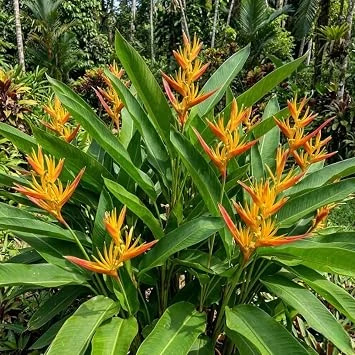
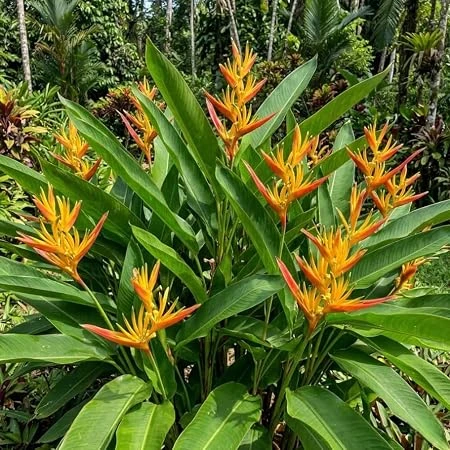
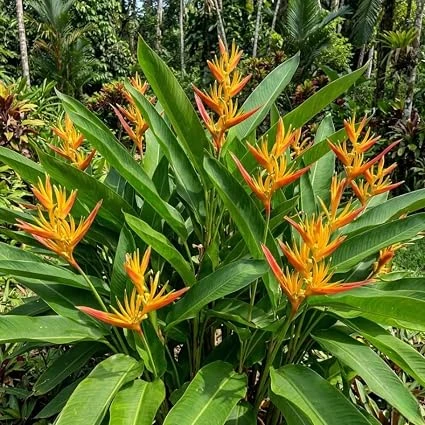
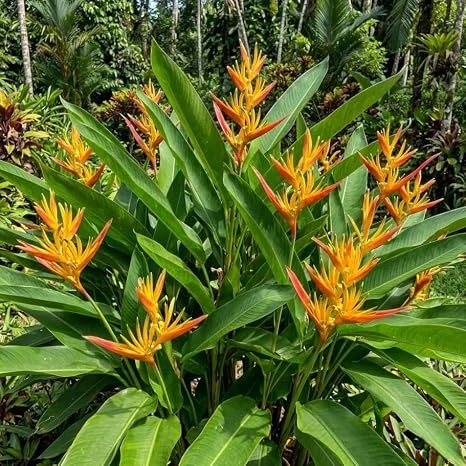
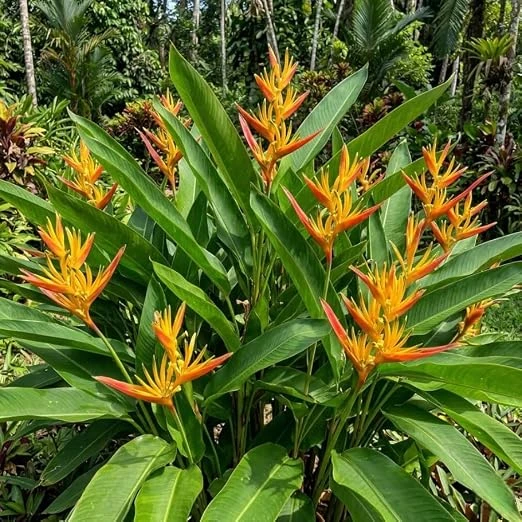
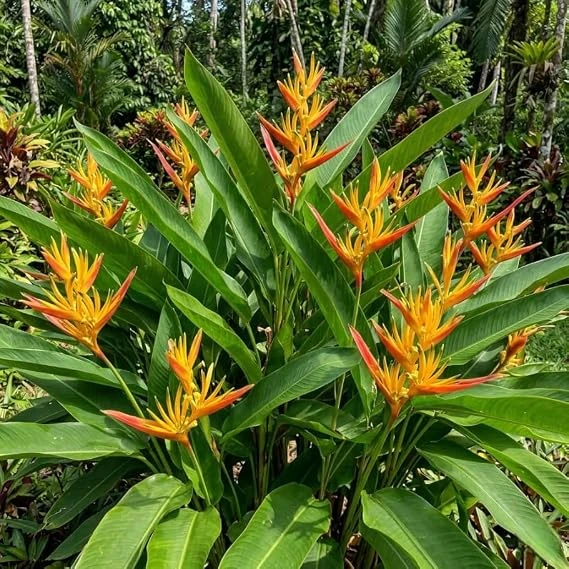
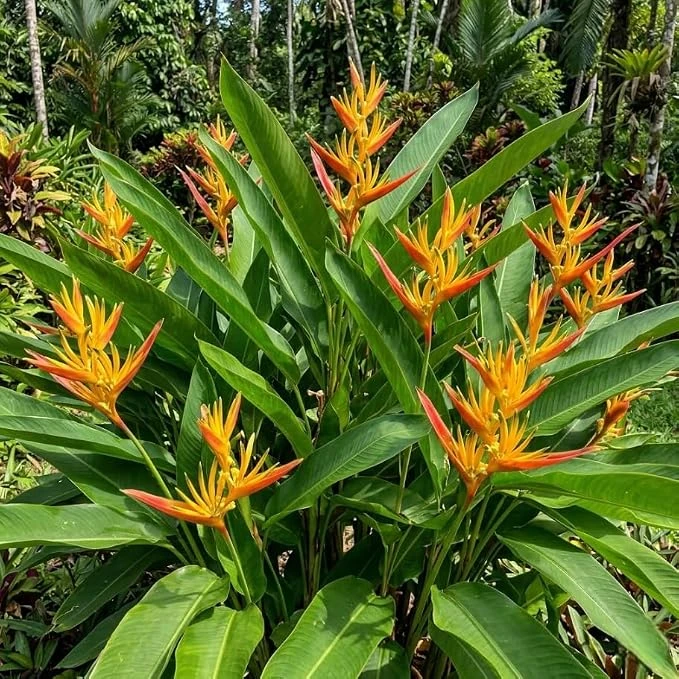
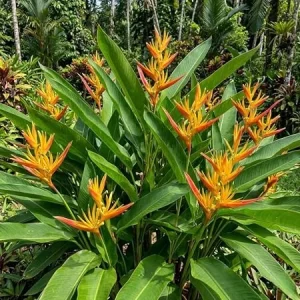
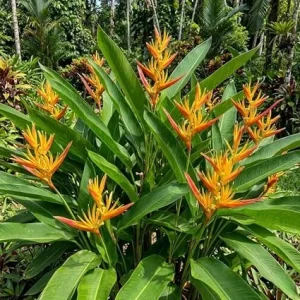
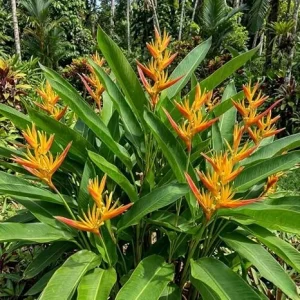
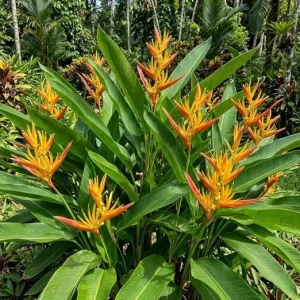
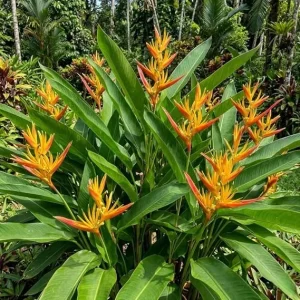
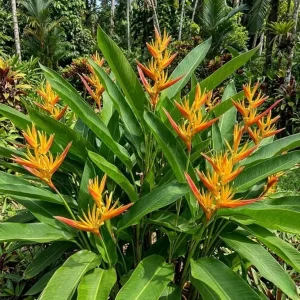
Transform your garden into a tropical paradise with our premium red orange heliconia rhizomes. This offering includes two well-rooted rhizomes, each approximately 6-8 inches long, ready to sprout into magnificent plants. Heliconia psittacorum, commonly known as Parrot’s Beak or False Bird of Paradise, is celebrated for its striking, vibrant red and orange inflorescences that resemble exotic birds. These tropical beauties are perfect for adding a dramatic flair to landscapes, pollinator gardens, or large containers. Known for their vigorous growth and showy blooms, tropical heliconia psittacorum plants are a favorite among gardeners seeking to create a lush, exotic ambiance. Whether you’re an experienced gardener or just starting, growing heliconia from rhizomes is a rewarding experience that brings a touch of the tropics to your home.
Our carefully selected red orange heliconia rhizomes are shipped bare root, ensuring they arrive in optimal condition for planting. They are robust and prepared to establish quickly, given the right care. These plants thrive in warm, humid environments, making them an excellent choice for USDA Zones 9-11, and can be successfully grown as annuals or container plants in cooler regions if brought indoors during winter. Prepare to be captivated by the architectural beauty and brilliant colors these plants will introduce to your outdoor or indoor space.
Key Benefits
Investing in these red orange heliconia rhizomes offers a multitude of benefits, from enhancing aesthetic appeal to supporting local ecosystems. These plants are not just beautiful; they are also relatively easy to care for once established, providing long-lasting enjoyment.
- Stunning Tropical Blooms: The primary draw of the upright bird of paradise plant is its spectacular, long-lasting flowers. Their unique shape and intense red-orange hues create an unforgettable visual impact, making them a focal point in any garden. These blooms are excellent for cut flower arrangements, bringing the tropics indoors.
- Attracts Pollinators: Heliconias are known to attract hummingbirds and other pollinators, contributing to the biodiversity of your garden. Planting these rhizomes can help create a vibrant ecosystem, supporting local wildlife.
- Architectural Foliage: Beyond the flowers, tropical heliconia psittacorum features lush, banana-like leaves that provide a dense, green backdrop. This rich foliage adds a tropical texture and provides year-round interest, even when not in bloom.
- Versatile Planting Options: These rhizomes can be planted directly into the ground in warm climates, used in large decorative containers on patios, or integrated into tropical garden designs. Their adaptability makes them suitable for various garden styles and spaces.
- Vigorous Growth: Heliconias are fast growers, quickly establishing themselves and producing new shoots. This rapid growth means you won’t have to wait long to enjoy their full splendor, making them a satisfying addition for impatient gardeners.
- Low Maintenance Once Established: While they appreciate consistent moisture and warmth, heliconia plants are generally low maintenance after their initial planting and establishment phase. They are relatively pest-free and disease-resistant, allowing you more time to enjoy their beauty.
- Exotic Appeal: Few plants can instantly transport you to a tropical island like a heliconia. Their exotic appearance creates a resort-like atmosphere, enhancing relaxation and enjoyment of your outdoor living spaces.
Plant Care & Growing Tips
To ensure your red orange heliconia rhizomes flourish, providing the right growing conditions is crucial. These tropical plants thrive in specific environments that mimic their native habitats. Understanding the needs of your tropical heliconia psittacorum will lead to spectacular blooms and healthy foliage. For successful establishment and vibrant growth, consider the following care guidelines carefully.
Sunlight Requirements: Heliconias prefer full sun to partial shade. In tropical climates, full sun (6+ hours of direct sunlight) will encourage the most abundant flowering. In hotter, more intense climates, some afternoon shade can prevent leaf scorching. If growing indoors or in containers that can be moved, aim for a location that receives at least 4-6 hours of bright, direct light daily. Adequate light is essential for the plant to produce its characteristic colorful inflorescences. For optimal results when you grow heliconia from rhizomes, choose a site that offers a good balance of sun exposure.
Watering Schedule and Soil Moisture: These plants love consistent moisture. The soil should be kept evenly moist but not waterlogged. Water deeply when the top inch of soil feels dry to the touch. During hot, dry periods, you may need to water daily. Reduce watering slightly during cooler months or if the plant goes dormant. Good drainage is paramount to prevent root rot, which can be detrimental to your upright bird of paradise plant. Ensure your chosen location or container has excellent drainage.
Soil Type and Drainage: Heliconias thrive in rich, well-drained soil. A fertile, loamy soil with plenty of organic matter is ideal. If planting in the ground, amend heavy clay soils with compost or peat moss to improve drainage and fertility. For container planting, use a high-quality potting mix designed for tropical plants, ensuring it drains freely. The pH preference is slightly acidic to neutral (6.0-7.0).
Temperature Range and USDA Hardiness Zone: As tropical plants, heliconias are sensitive to cold. They thrive in temperatures between 65°F and 90°F (18°C-32°C). They are hardy in USDA Zones 9-11, where they can be grown outdoors year-round. In colder zones, they can be grown as annuals or overwintered indoors. Bring container plants indoors before the first frost, or dig up rhizomes to store in a cool, dry place until spring. Protecting your plants from cold temperatures is key for consistent blooming.
Fertilization Schedule: Feed your heliconia regularly during the growing season (spring through fall) with a balanced liquid fertilizer, or a slow-release granular fertilizer. A fertilizer high in phosphorus can encourage more blooms. Reduce or stop fertilization during the dormant winter months. Follow package instructions for application rates to avoid over-fertilization. Proper feeding supports vigorous growth and abundant flowering in your heliconia care guide.
Common Problems and Solutions: Heliconias are generally robust but can encounter issues. Yellowing leaves often indicate overwatering or nutrient deficiency. Adjust watering practices and ensure proper fertilization. Pests like spider mites or mealybugs can occur, especially indoors or in dry conditions. Treat with insecticidal soap or neem oil. Ensure good air circulation to prevent fungal issues. Regular inspection will help catch problems early.
Size & Details
This offering provides a pack of 2 red orange heliconia rhizomes, each carefully selected for health and vigor. Each rhizome measures approximately 6-8 inches in length, ensuring a substantial start for your new plants. These bare root rhizomes are ready for immediate planting upon arrival, designed to establish quickly and grow into impressive specimens. The mature size of the tropical heliconia psittacorum can vary significantly based on variety and growing conditions, but typically, these plants can reach heights of 3-6 feet with a spread of 2-4 feet in optimal outdoor environments. When grown in containers, their size may be more constrained but still impressive.
Expect your heliconia plants to begin showing new growth within a few weeks to a couple of months after planting, depending on environmental conditions. Blooms typically appear in their second year, though vigorous plants might produce flowers sooner. The growth rate is considered moderate to fast, allowing for a relatively quick transformation of your garden space. These rhizomes ship without pots or soil, carefully packaged to maintain their viability during transit. They are an excellent way to grow heliconia from rhizomes, providing a cost-effective and rewarding gardening experience.
Frequently Asked Questions
- Q: How big does this plant get? A: When mature, the red orange heliconia rhizomes typically grow into plants ranging from 3 to 6 feet tall with a spread of 2 to 4 feet in ideal outdoor conditions. Container-grown plants may remain slightly smaller depending on the pot size and care.
- Q: Is this an indoor or outdoor plant? A: This is primarily an outdoor tropical plant, hardy in USDA Zones 9-11. In colder zones, it can be grown as an annual or brought indoors during winter as a container plant. It requires bright light to thrive indoors.
- Q: How much sunlight does it need? A: The tropical heliconia psittacorum prefers full sun to partial shade, meaning at least 4-6 hours of direct sunlight daily. In very hot climates, some afternoon shade is beneficial to prevent leaf burn.
- Q: Is this plant easy to care for? A: Yes, once established, heliconias are considered moderately easy to care for. They require consistent watering and feeding during the growing season but are generally low-maintenance compared to many other tropical plants. Following a good heliconia care guide will ensure success.
- Q: What condition will it arrive in? A: The product includes 2 red orange heliconia rhizomes, shipped bare root and well-rooted, approximately 6-8 inches long. They will be carefully packed to ensure they arrive in good condition, ready for planting.
- Q: How long until it blooms? A: Heliconia plants grown from rhizomes typically begin to bloom in their second year, though strong, well-cared-for plants may produce flowers sooner. Consistent warmth, light, and nutrients encourage faster blooming.
- Q: What’s the minimum temperature this plant can tolerate? A: Being a tropical plant, the upright bird of paradise plant is sensitive to cold. It thrives in temperatures above 65°F (18°C) and can tolerate brief drops to around 40-45°F (4-7°C), but prolonged exposure to temperatures below 50°F (10°C) can cause damage or death.
- Q: Can I grow heliconia in a pot? A: Absolutely! Heliconias thrive in large containers, especially in regions outside their hardiness zones. Ensure the pot has excellent drainage and is large enough to accommodate the plant’s root system, allowing for the best development of your grow heliconia from rhizomes project.
- Q: What kind of soil is best for heliconia? A: Heliconias prefer rich, well-draining soil that is high in organic matter. A good quality potting mix for tropical plants works well for containers, while amending garden soil with compost is ideal for in-ground planting.
- Q: Is this plant prone to pests? A: Heliconias are generally quite resistant to pests. Occasionally, spider mites or mealybugs might appear, especially if the plant is stressed or grown indoors. Regular inspection and appropriate organic treatments can manage any outbreaks effectively.


Reviews
There are no reviews yet.