Overview
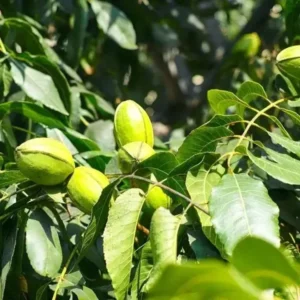
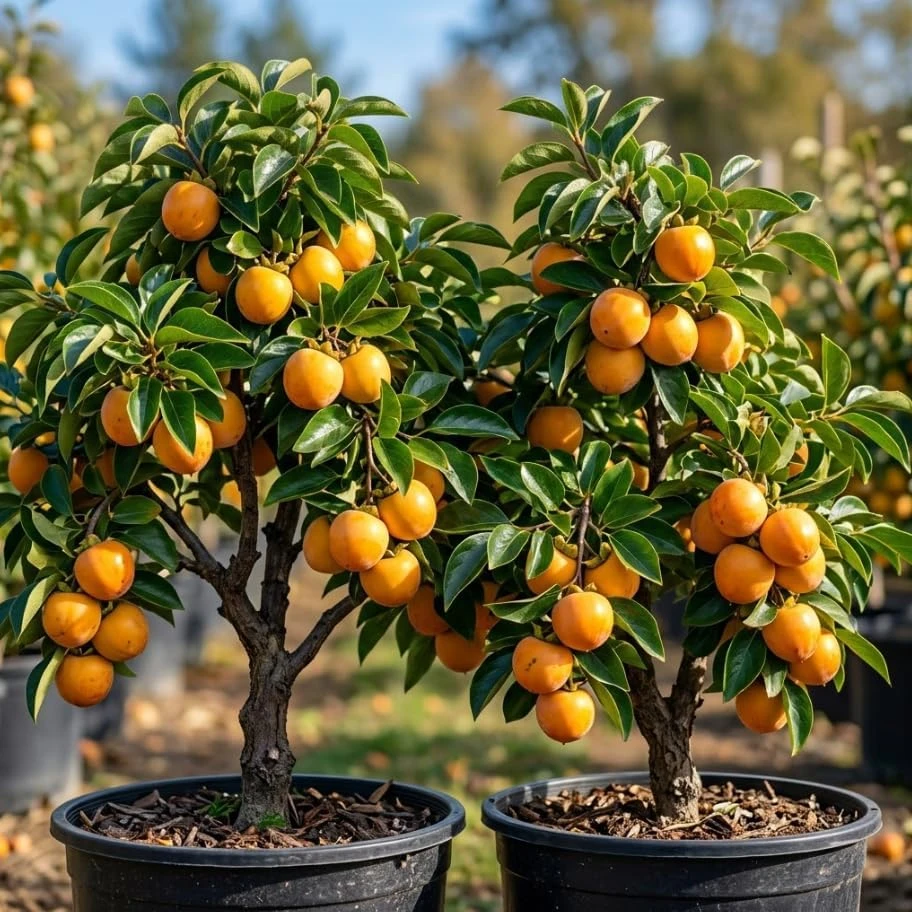
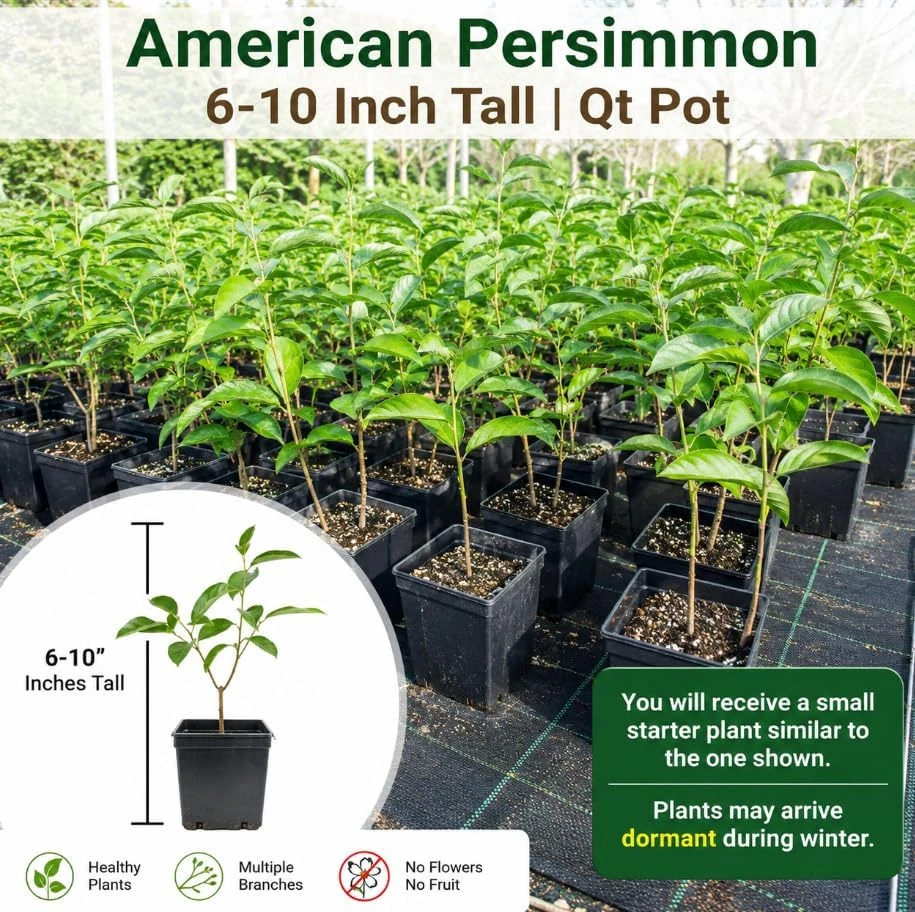
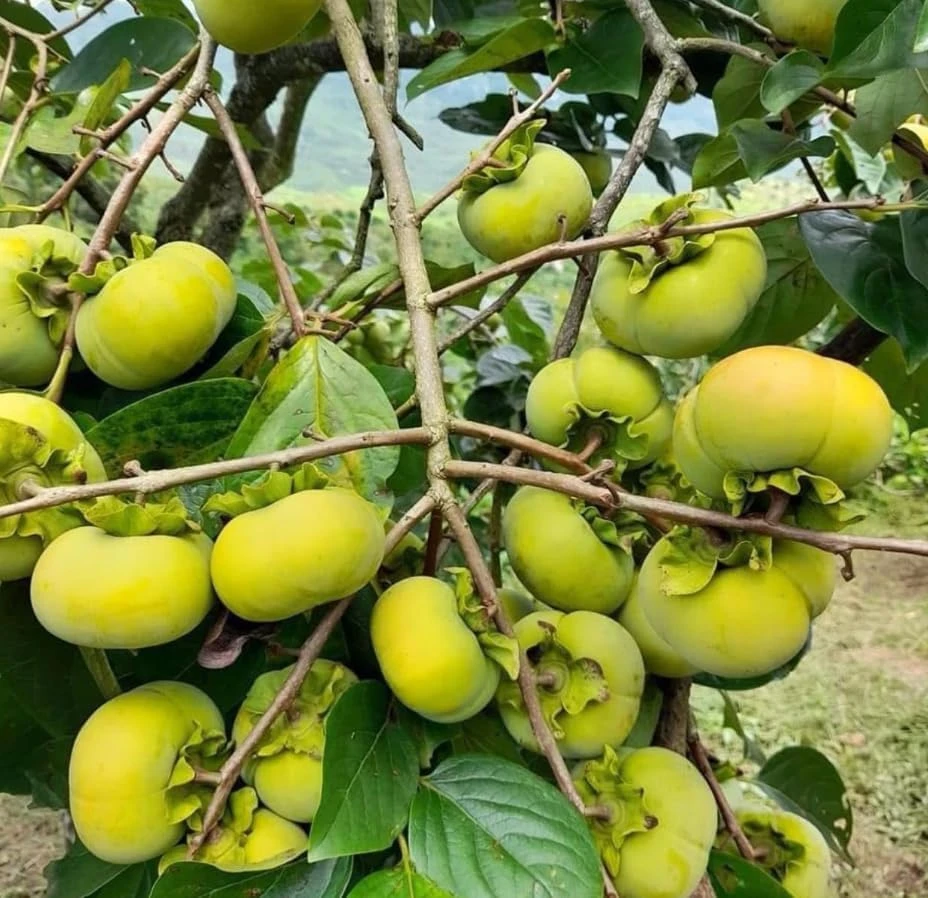
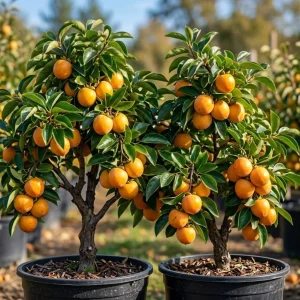
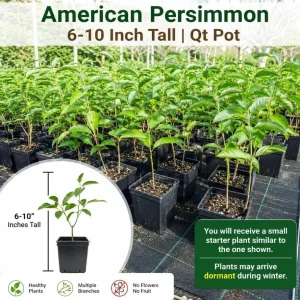
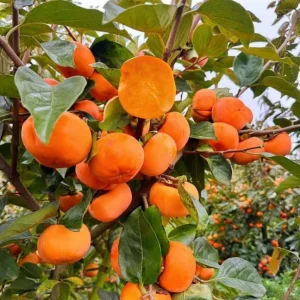
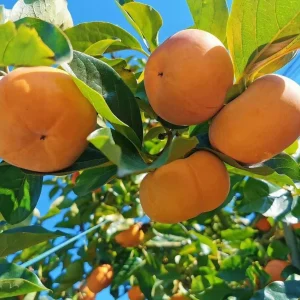
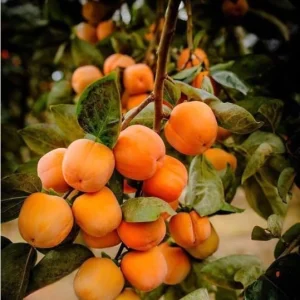
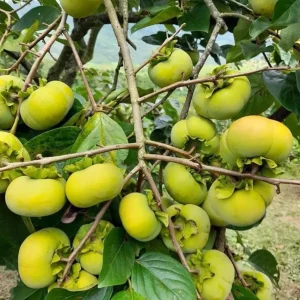
Introduce a taste of native American heritage to your garden with this American Persimmon tree live plant 2-pack. Known scientifically as Diospyros virginiana, the American Persimmon is a resilient and versatile deciduous tree cherished for its sweet, flavorful fruit that ripens in late fall and early winter. These two healthy starter trees, each approximately 7-14 inches tall and rooted in a quart (Qt) pot, are ready for transplanting directly into your garden or a larger container. The hardy persimmon tree is an excellent choice for home growers, offering both ornamental beauty and a bountiful harvest. Its ability to adapt to a wide range of climates makes it a reliable addition to many landscapes, providing shade, wildlife habitat, and delicious fruit for years to come. This particular variety, sometimes referred to as a winter plum tree, is celebrated for its cold hardiness and ease of care, making it suitable for both experienced gardeners and enthusiastic beginners.
Key Benefits
Adding an American Persimmon tree live plant to your property offers a multitude of advantages, from ecological contributions to culinary delights. These trees are not only a source of delicious fruit but also provide significant aesthetic and environmental benefits:
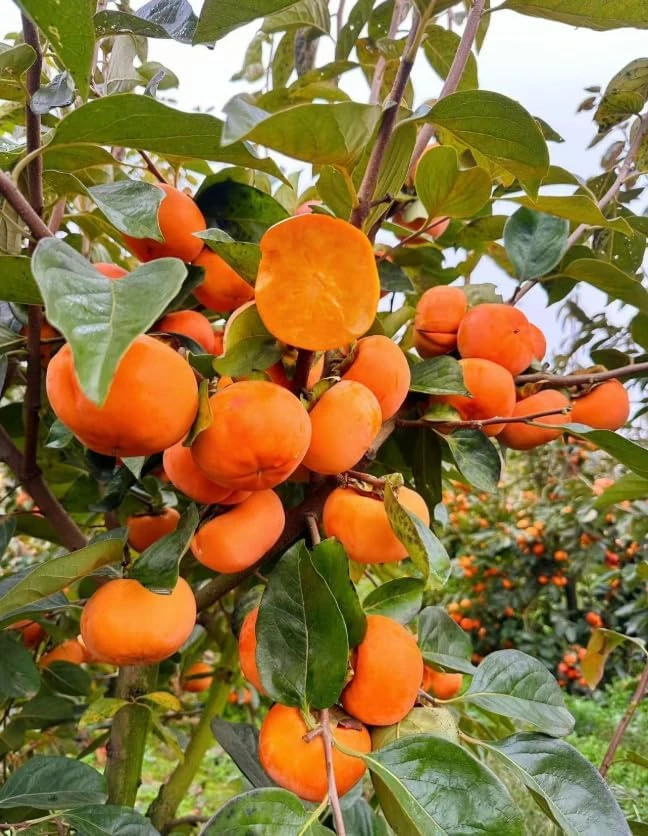
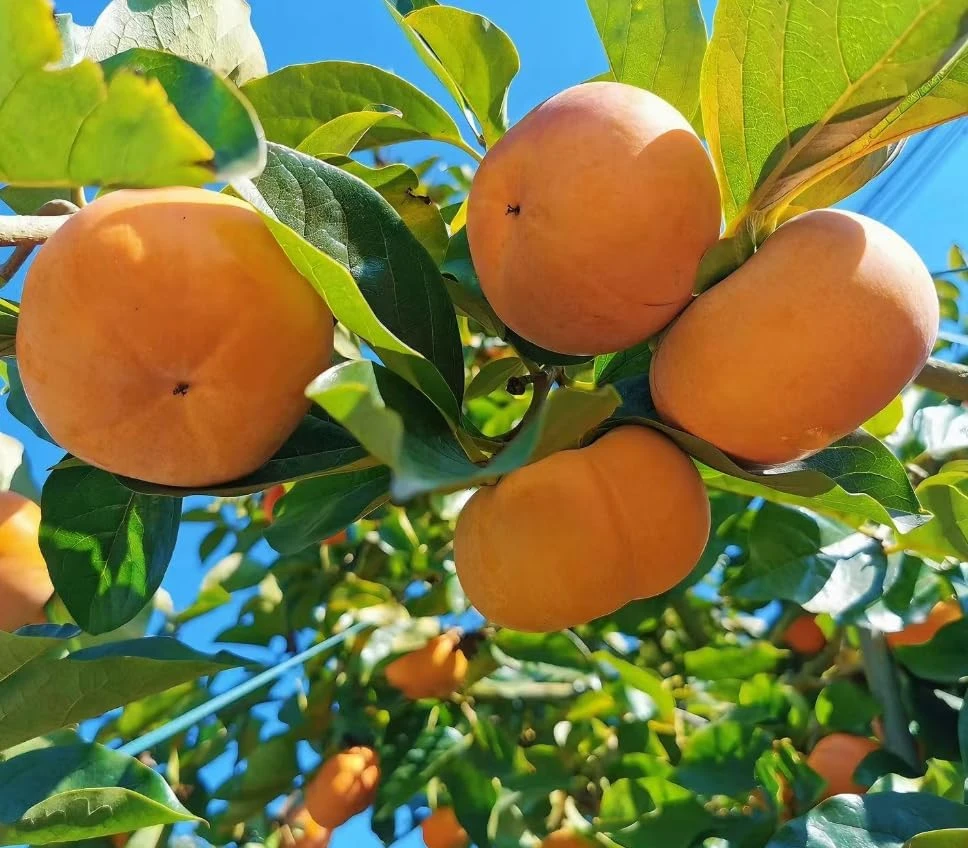
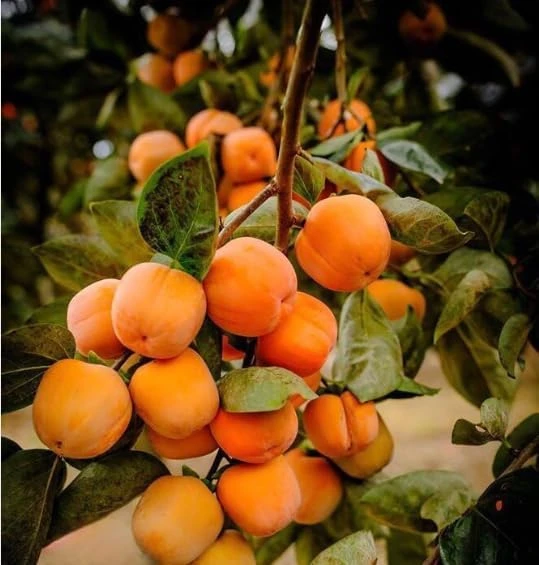
- Abundant Edible Fruit: Enjoy a generous harvest of sweet, flavorful persimmons that ripen in the fall and persist into winter. These fruits are perfect for fresh eating, baking, jams, or even making persimmon pudding.
- Exceptional Hardiness: The hardy persimmon tree is remarkably resilient, adapting well to various soil types and climates, including colder regions where many other fruit trees struggle. It’s a robust choice for a low-maintenance orchard.
- Wildlife Attraction: The fruit provides a vital food source for local wildlife, including birds, deer, and other mammals, making your garden a haven for biodiversity.
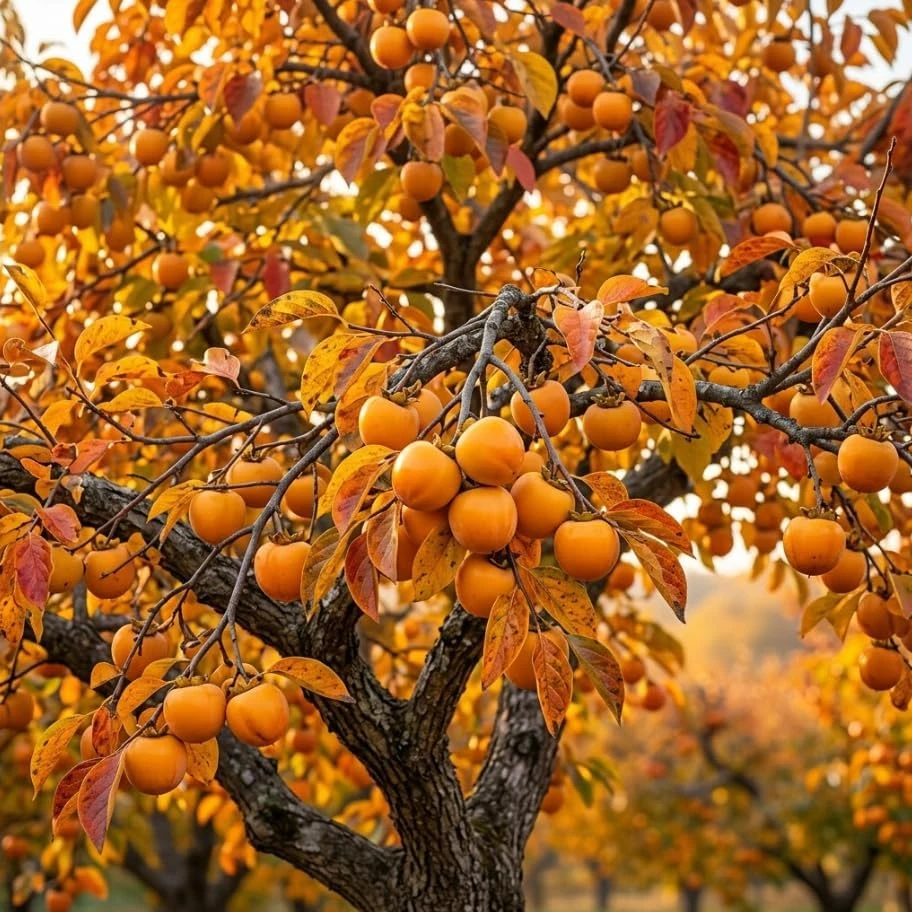
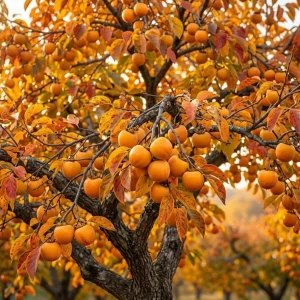
- Ornamental Value: Beyond its fruit, the American Persimmon offers attractive foliage that turns vibrant yellow-orange in the fall, adding seasonal interest to your landscape. Its distinctive bark provides year-round appeal.
- Low Maintenance: Once established, these trees require minimal care, thriving with basic watering and occasional fertilization. They are relatively pest and disease resistant.
- Native Species: Planting a native persimmon tree supports local ecosystems and contributes to the biodiversity of your region, requiring less intervention than non-native species.
- Long-Term Investment: American Persimmon trees are long-lived, providing decades of fruit and beauty, making them a valuable and sustainable addition to any property.
Plant Care & Growing Tips
Caring for your American Persimmon tree live plant is straightforward, ensuring a healthy and productive tree. These resilient trees are known for their adaptability and relatively low maintenance requirements once established. For optimal growth and fruit production, understanding their basic needs is key.
Sunlight Requirements: American Persimmon trees thrive in full sun, meaning they need at least 6-8 hours of direct sunlight per day. While they can tolerate partial shade, full sun exposure will lead to the best fruit yields and overall tree health. Choose a planting site that receives ample direct light, especially in the morning.
Watering Schedule & Soil Moisture: During their first year, consistent watering is crucial to help the young trees establish a strong root system. Water deeply 2-3 times a week, ensuring the soil remains consistently moist but not waterlogged. Once established, the Diospyros virginiana is quite drought-tolerant, but supplemental watering during prolonged dry spells, especially when fruit is developing, will improve fruit quality and quantity. Ensure good drainage to prevent root rot.
Soil Type & Drainage: These trees are adaptable to a wide range of soil types, from sandy to heavy clay, but they prefer well-draining, slightly acidic to neutral soil (pH 6.0-7.0). Amend heavy clay soils with organic matter to improve drainage. Good drainage is paramount as persimmons do not tolerate standing water.
Temperature Range & USDA Hardiness Zone: The hardy persimmon tree is exceptionally cold-hardy, generally thriving in USDA Zones 4-9. It requires a period of winter dormancy to produce fruit. The trees can tolerate temperatures well below freezing, making them a reliable choice for many temperate climates.
Fertilization: For young trees, apply a balanced, slow-release fertilizer in early spring as new growth begins. Once established, mature trees generally do not require heavy fertilization. If growth seems slow or leaves appear pale, a light application of a balanced fertilizer can be beneficial. Avoid over-fertilizing, especially with high-nitrogen formulas, as this can promote leafy growth at the expense of fruit production.
Common Problems & Solutions: American Persimmons are generally robust and resistant to most pests and diseases. Occasionally, you might encounter leaf spot or powdery mildew; good air circulation and proper spacing can help prevent these. Fruit drop can occur due to environmental stress or inadequate pollination. Ensure you have both male and female trees for fruit production, or select a self-fertile variety if known. This winter plum tree is a relatively problem-free addition to most gardens.
Size & Details
This offering includes a pack of two American Persimmon tree live plant starter trees, each carefully grown and shipped in a quart (Qt) pot. At the time of shipping, each tree will stand approximately 7-14 inches tall, measured from the base of the pot to the tip of the highest branch. These young trees are well-rooted and ready for immediate transplanting into your garden, a larger container, or a nursery bed to allow for further growth before permanent placement. The native persimmon tree typically exhibits a moderate growth rate, reaching a mature height of 30-60 feet with a spread of 20-35 feet, forming an attractive rounded canopy. While these are starter plants, with proper care, they will quickly establish and begin their journey towards becoming productive fruit-bearing trees. Expect the first fruits to appear within 3-5 years after planting, with significant harvests usually beginning around 5-7 years. The trees are shipped as live, well-rooted specimens, ensuring they have the best chance to thrive in their new environment.
Frequently Asked Questions
- Q: How big does this plant get? A: These are starter plants, approximately 7-14 inches tall upon arrival. A mature American Persimmon tree live plant can reach heights of 30-60 feet with a spread of 20-35 feet, developing a broad, rounded crown over many years.
- Q: What size pot does it come in? A: Each tree is shipped in a quart (Qt) pot, providing a good root ball for transplanting. We recommend moving it to a larger container or directly into the ground upon arrival.
- Q: Is this an indoor or outdoor plant? A: The American Persimmon tree live plant is an outdoor deciduous tree. It requires a winter dormancy period and is not suitable for long-term indoor cultivation.
- Q: How much sunlight does it need? A: For best growth and fruit production, this hardy persimmon tree requires full sun, meaning at least 6-8 hours of direct sunlight daily. It can tolerate partial shade, but fruit yield may be reduced.
- Q: Is this plant easy to care for? A: Yes, once established, the American Persimmon is considered relatively low maintenance. It’s adaptable to various conditions and fairly drought-tolerant. It’s a great choice for beginners looking for a productive fruit tree.
- Q: What condition will it arrive in? A: Your plants will arrive as live, well-rooted starter trees in their quart pots, carefully packaged to ensure their health during transit. They will be ready for immediate planting.
- Q: Can I use persimmon fruit in cooking? A: Absolutely! The fruit of the winter plum tree is excellent for cooking. It’s often used in pies, puddings, jams, and even baked goods. Ensure the fruit is fully ripe (soft to the touch) before consuming to avoid astringency.
- Q: How long until it blooms and fruits? A: American Persimmon trees typically begin to flower and produce fruit within 3-5 years of planting, with more significant harvests starting around 5-7 years as the tree matures.
- Q: When is the best time to plant this tree? A: The best time to plant your native persimmon tree is in early spring or fall when the weather is mild, allowing the roots to establish before extreme heat or cold.
- Q: Will it survive winter in my zone? A: The American Persimmon is exceptionally cold-hardy, thriving in USDA Zones 4-9. It requires winter chill for dormancy and fruit production, making it well-suited for many temperate climates across the US.


Reviews
There are no reviews yet.