Overview
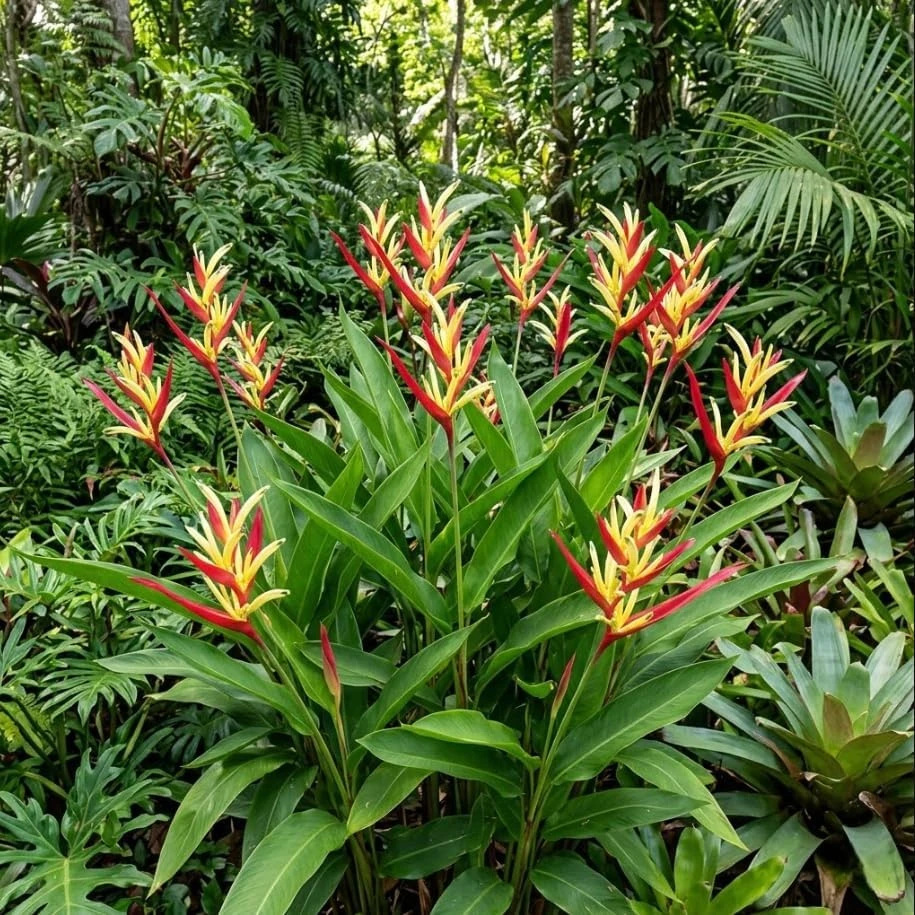
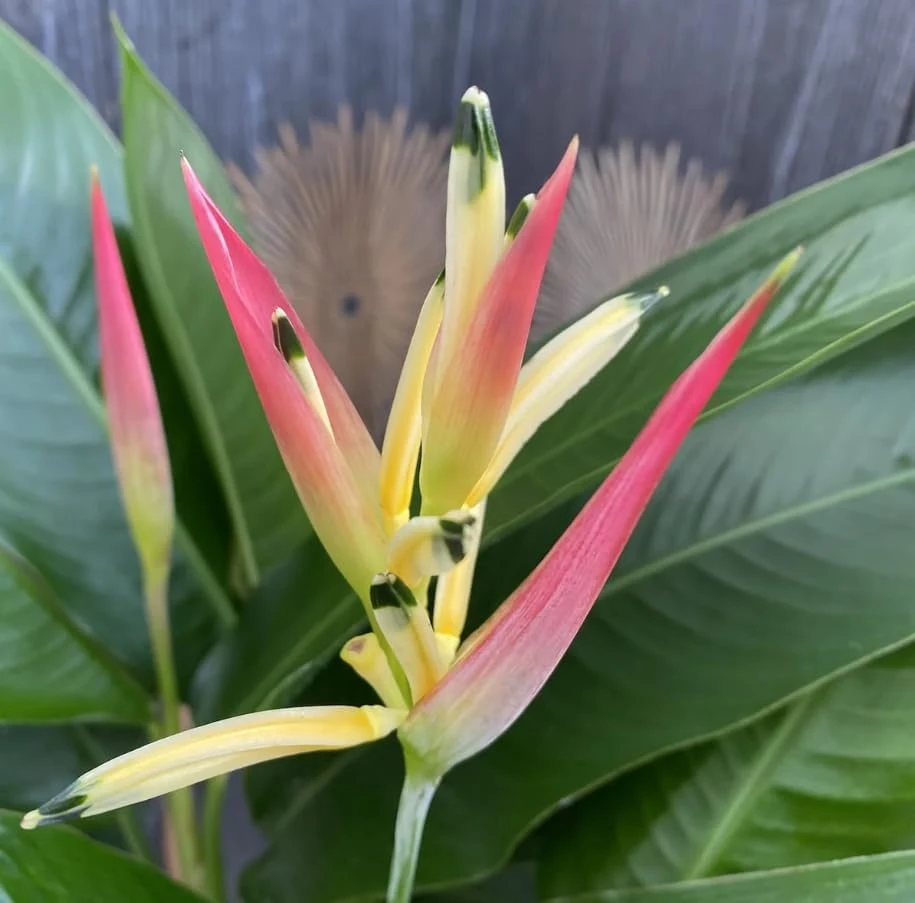
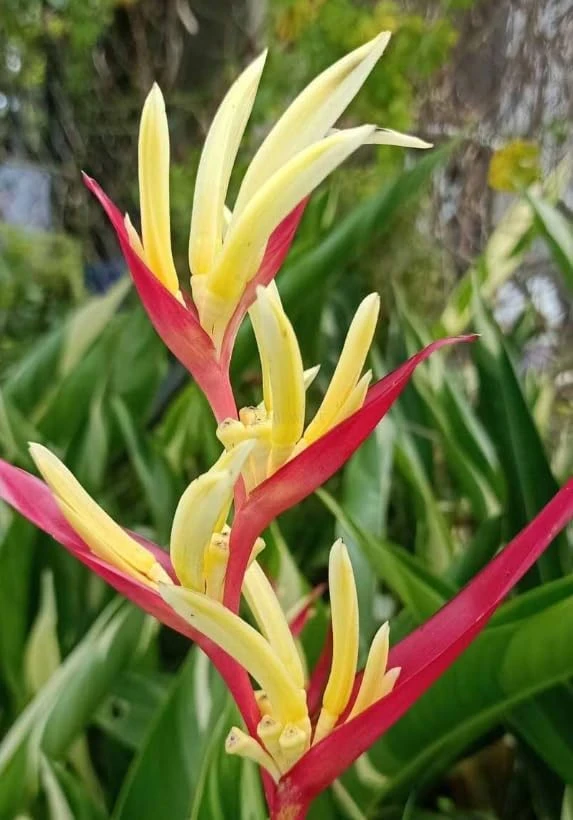
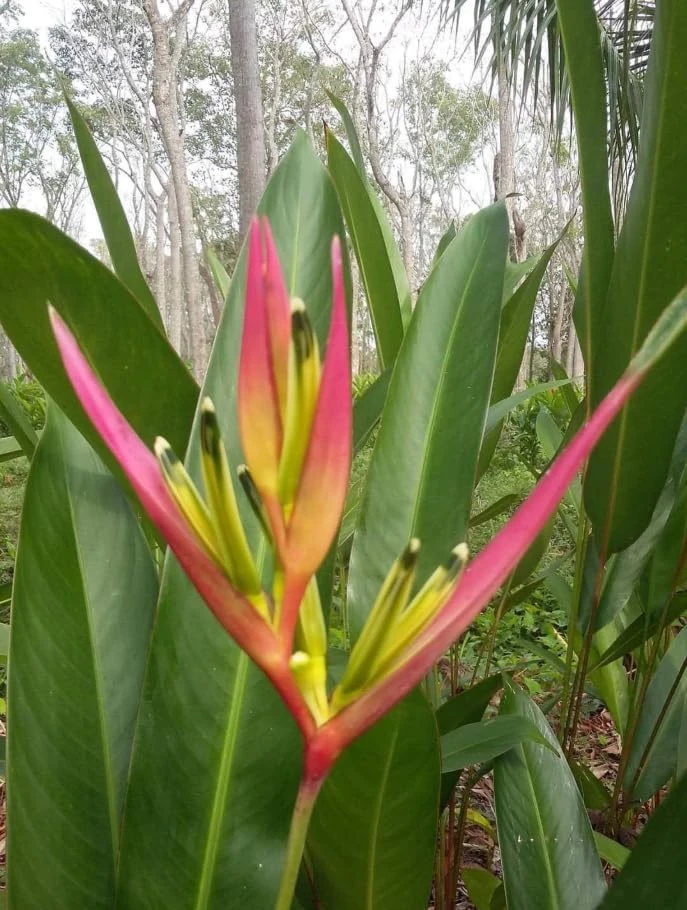
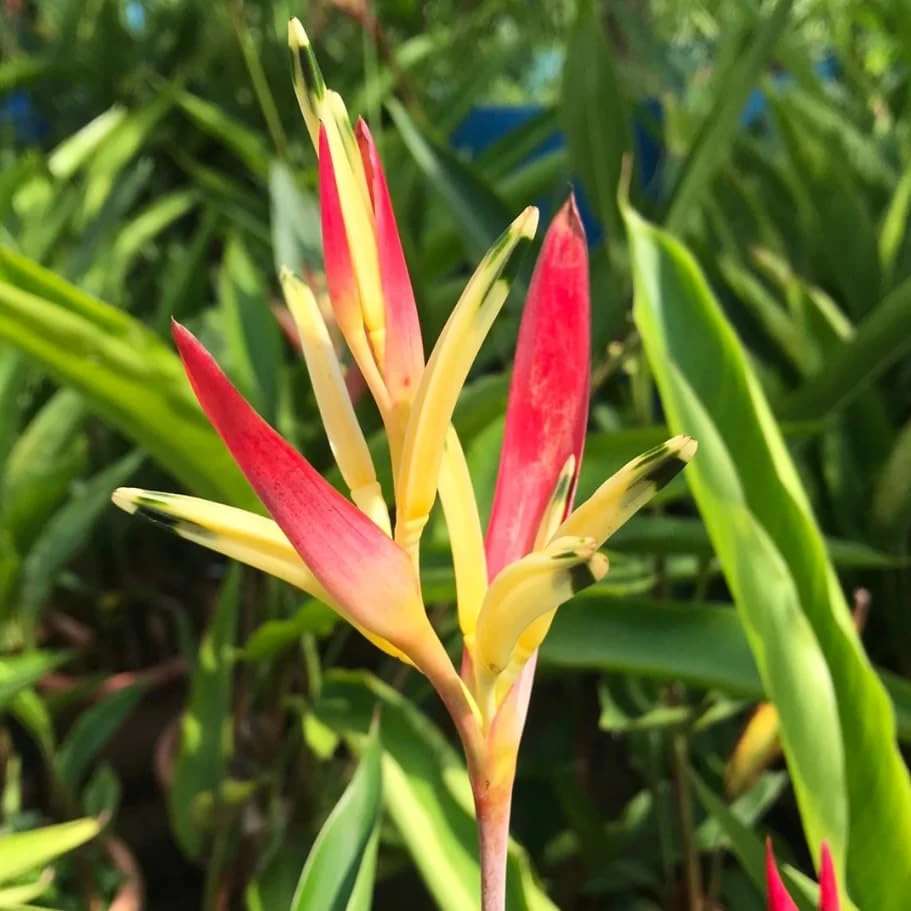
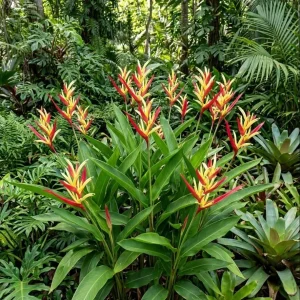
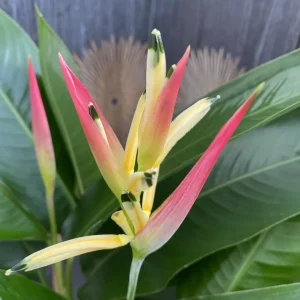
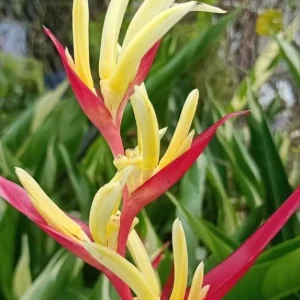
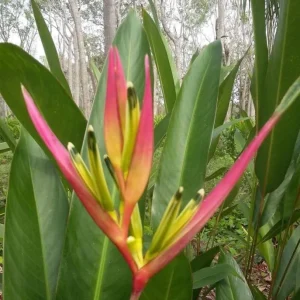
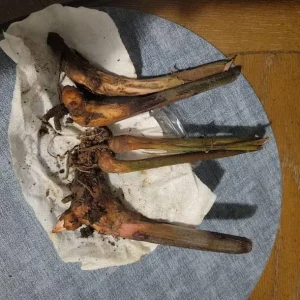
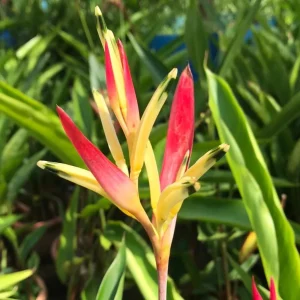
Introduce exotic flair to your garden with the heliconia psittacorum rhizomes. This pack contains two healthy, well-rooted rhizomes, each measuring 6-8 inches long, perfect for establishing a vibrant display of tropical color. Commonly known as the Parrot’s Beak, Parrot Heliconia, or False Bird of Paradise, Heliconia psittacorum is a spectacular ornamental plant prized for its unique, upright, bicolor flowers that resemble the plumage of tropical birds. These bare root plants are an excellent choice for gardeners looking to create a lush, tropical oasis, offering a dynamic visual appeal with their striking orange and yellow blooms.
Originating from the Caribbean and South America, the tropical bird of paradise plant is a vigorous grower that quickly establishes itself in suitable environments. Its distinctive inflorescences provide a continuous show of color, attracting hummingbirds and other pollinators to your outdoor space. Whether you’re enhancing a garden border, creating a focal point in a patio container, or designing a full-scale tropical landscape, these heliconia psittacorum rhizomes offer an easy and rewarding way to achieve a vibrant, exotic aesthetic. They are shipped ready for immediate planting, ensuring a smooth transition into your home garden.
Key Benefits
Growing heliconia psittacorum rhizomes brings a wealth of benefits to any garden, transforming ordinary spaces into extraordinary tropical retreats. These plants are not just beautiful; they are also relatively straightforward to care for once established.
- Stunning Tropical Blooms: The most striking feature of the tropical bird of paradise plant is its vibrant, long-lasting orange and yellow flowers. These upright, bicolored inflorescences add an exotic touch, making your garden stand out. They provide a continuous display of color throughout the warmer months, creating a spectacular visual impact.
- Attracts Pollinators: The unique flower structure and nectar production of the heliconia psittacorum rhizomes are a magnet for hummingbirds and other beneficial pollinators. This not only enhances the biodiversity of your garden but also provides an opportunity to observe these beautiful creatures up close.
- Low Maintenance Once Established: While they require specific conditions to thrive, once rooted and growing, these heliconias are surprisingly resilient. They demand consistent moisture and bright light but are generally free from serious pests and diseases, making them a relatively easy addition to your tropical garden.
- Versatile Landscape Use: These plants are incredibly versatile for outdoor landscaping. They can be used as dramatic focal points, in mass plantings for a lush tropical effect, along borders, or in large containers on patios. Their upright growth habit makes them excellent for adding vertical interest.
- Rapid Growth: Given the right conditions, heliconia psittacorum rhizomes are known for their fast growth rate. You can expect to see significant foliage development and eventually blooms relatively quickly after planting, allowing you to enjoy their beauty sooner.
- Excellent Cut Flowers: The striking blooms of the orange yellow heliconia make for fantastic cut flowers. They have a long vase life, bringing a touch of the tropics indoors and serving as a unique and impressive floral arrangement.
Plant Care & Growing Tips
Caring for your heliconia psittacorum rhizomes is key to ensuring a lush and vibrant display of the tropical bird of paradise plant. These plants thrive in conditions that mimic their native tropical habitats, focusing on warmth, light, and consistent moisture. For optimal growth, choose a location that receives full sun to partial shade. In very hot climates, some afternoon shade can prevent leaf scorch, but generally, more sun leads to more prolific flowering. Aim for at least 6 hours of direct sunlight daily for the best results.
Watering is crucial for heliconias. They prefer consistently moist soil but not waterlogged conditions. During warm growing seasons, water deeply and regularly, ensuring the soil doesn’t dry out completely between waterings. Reduce watering slightly in cooler months or during dormancy, but never allow the rhizomes to become completely dry. Well-drained, fertile soil is paramount. A rich, organic soil mix that retains moisture but drains freely is ideal. Incorporating compost or other organic matter will greatly benefit the plant’s health and vigor. These plants are typically suited for USDA Hardiness Zones 9-11, where temperatures rarely drop below freezing. If you live in a colder zone, consider growing them in containers that can be moved indoors during winter.
Fertilization supports the vigorous growth and abundant flowering of the heliconia plant care. During the growing season (spring through fall), feed with a balanced, slow-release granular fertilizer or a liquid fertilizer every 2-4 weeks. Ensure the fertilizer is formulated for flowering tropical plants. Common problems include root rot from overwatering and stunted growth from insufficient light or nutrients. Keep an eye out for common garden pests, though heliconias are generally quite resistant. Promptly remove any yellowing or damaged leaves to maintain plant health and appearance.
Size & Details
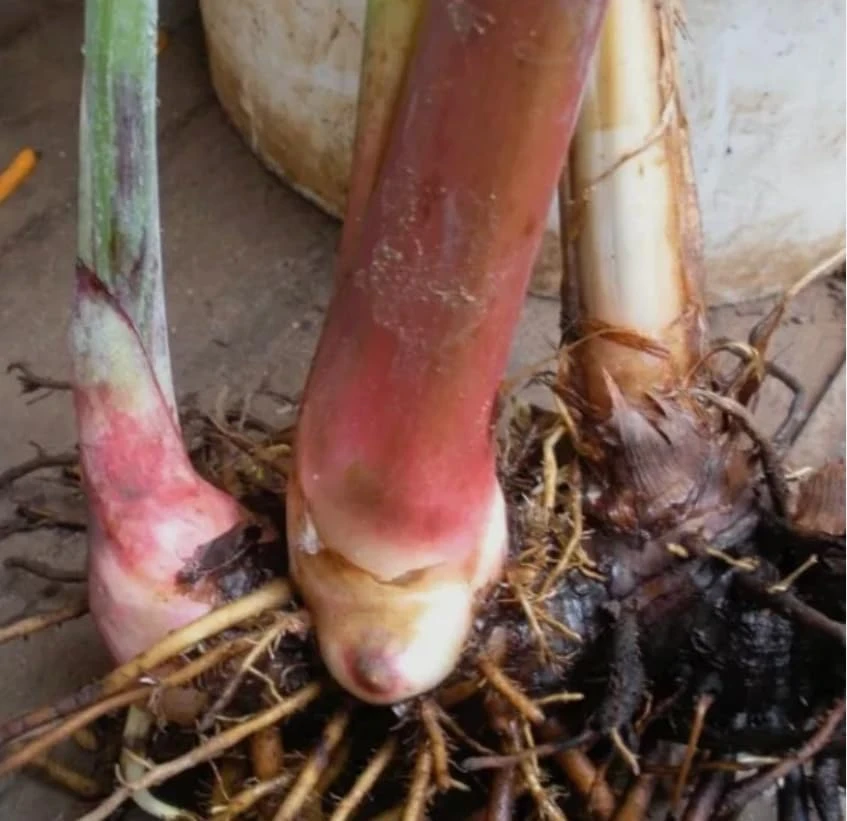
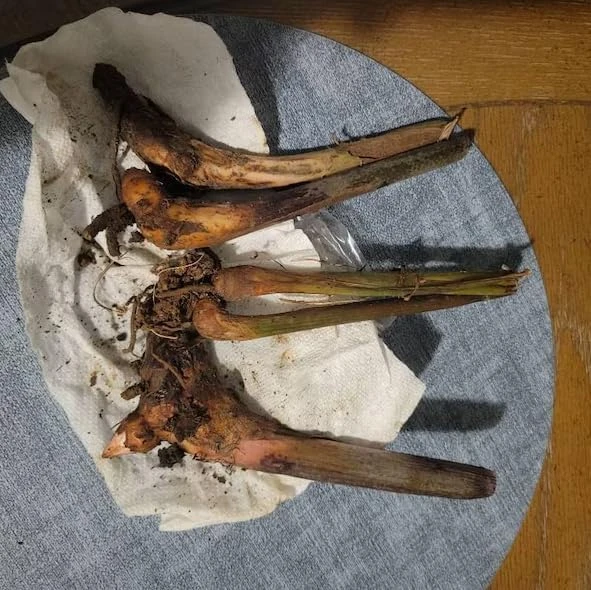
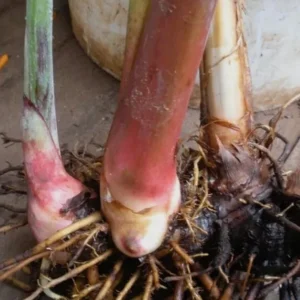
This offering includes two individual heliconia psittacorum rhizomes, each carefully selected and well-rooted for successful establishment. Each rhizome measures approximately 6-8 inches in length, providing a substantial base for healthy growth. These are shipped bare root, meaning they are without soil or a pot, which is the standard and most effective method for shipping rhizomes to ensure their vitality upon arrival. This allows them to quickly adapt to their new planting environment.
Once planted in optimal conditions, the tropical bird of paradise plant can grow quite rapidly, forming clumps of upright, strappy leaves and impressive flower stalks. Mature plants typically reach a height of 3-6 feet, with a spread of 2-4 feet, depending on the variety and growing conditions. While the exact time to first bloom can vary, you can generally expect flowers within one to two growing seasons after planting, especially with good heliconia plant care. These plants are excellent for creating a dense, tropical feel in your garden, quickly filling spaces with lush foliage and vibrant flowers.
Frequently Asked Questions
- Q: How big does this plant get? A: The tropical bird of paradise plant (Heliconia psittacorum) typically grows to a height of 3 to 6 feet with a spread of 2 to 4 feet. Its mature size can vary based on growing conditions, climate, and specific care practices.
- Q: Is this an indoor or outdoor plant? A: While it can be grown indoors in very large containers in bright, warm conditions, the heliconia psittacorum rhizomes are primarily intended for outdoor planting in warm climates (USDA Zones 9-11) where they can thrive in full sun to partial shade.
- Q: How much sunlight does it need? A: This plant requires at least 6 hours of direct sunlight daily to produce the most abundant blooms. In extremely hot climates, some afternoon shade can be beneficial to prevent leaf scorch, but generally, more sun is better.
- Q: Is this plant easy to care for? A: Once established in suitable tropical conditions, the heliconia psittacorum rhizomes are considered relatively easy to care for. The key is providing consistent moisture, well-draining soil, and ample sunlight. Consistent heliconia plant care will ensure vigorous growth.
- Q: What condition will it arrive in? A: Your order will include two well-rooted heliconia psittacorum rhizomes, shipped bare root and approximately 6-8 inches long. They are carefully packaged to ensure they arrive in healthy condition, ready for planting.
- Q: How long until it blooms? A: With proper care and optimal growing conditions, you can typically expect your tropical bird of paradise plant to begin flowering within one to two growing seasons after planting the rhizomes. Patience and good cultural practices are key.
- Q: What’s the best time to plant these rhizomes? A: The best time to plant heliconia psittacorum rhizomes is in spring or early summer, after all danger of frost has passed and soil temperatures have warmed up. This allows the plant ample time to establish itself before cooler weather.
- Q: Will it survive winter in my zone? A: Heliconia psittacorum rhizomes are hardy in USDA Zones 9-11. If you live in a colder zone, you will need to protect the rhizomes from freezing temperatures, either by digging them up and storing them indoors or by growing them in containers that can be moved inside for the winter.
- Q: What type of soil does the orange yellow heliconia prefer? A: This plant thrives in fertile, well-draining soil that is rich in organic matter. A slightly acidic to neutral pH is generally preferred. Ensure the soil remains consistently moist but never waterlogged to prevent root rot.
- Q: Do these heliconias attract any wildlife? A: Yes, the vibrant flowers of the tropical bird of paradise plant are particularly attractive to hummingbirds. Planting these in your garden can help create a lively and biodiverse environment, offering a food source for these beautiful birds.


Reviews
There are no reviews yet.