Overview
Introduce a unique and delicious fruiting tree to your garden with the Pakistan Fruiting Mulberry live plant. Known for its exceptionally long, sweet, and flavorful berries, this variety of Morus alba, specifically ‘Cookes Pakistan’, is a prized addition for any fruit enthusiast. Originating from the fertile regions of Pakistan, this mulberry offers a delightful taste experience unlike common varieties. Our live plant arrives healthy and established, ready to be planted and begin its journey towards producing bountiful harvests. Whether you’re an experienced gardener or just starting, growing a Cookes Pakistan mulberry tree is a rewarding endeavor that promises fresh, succulent fruit right from your backyard.
This particular fruiting mulberry tree is celebrated not only for its superior fruit quality but also for its vigorous growth and adaptability. It’s an excellent choice for creating shade, attracting wildlife, and providing a continuous supply of nutritious mulberries throughout its fruiting season. The ‘Cookes Pakistan’ cultivar is recognized for its robust nature and ease of cultivation, making it a fantastic option for various climates within its hardiness zones. Get ready to enjoy the rich, sweet flavor of homegrown mulberries with this exceptional live plant.
Key Benefits
The Pakistan Fruiting Mulberry live plant offers a multitude of benefits, making it a fantastic choice for any garden or edible landscape:
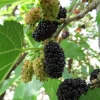
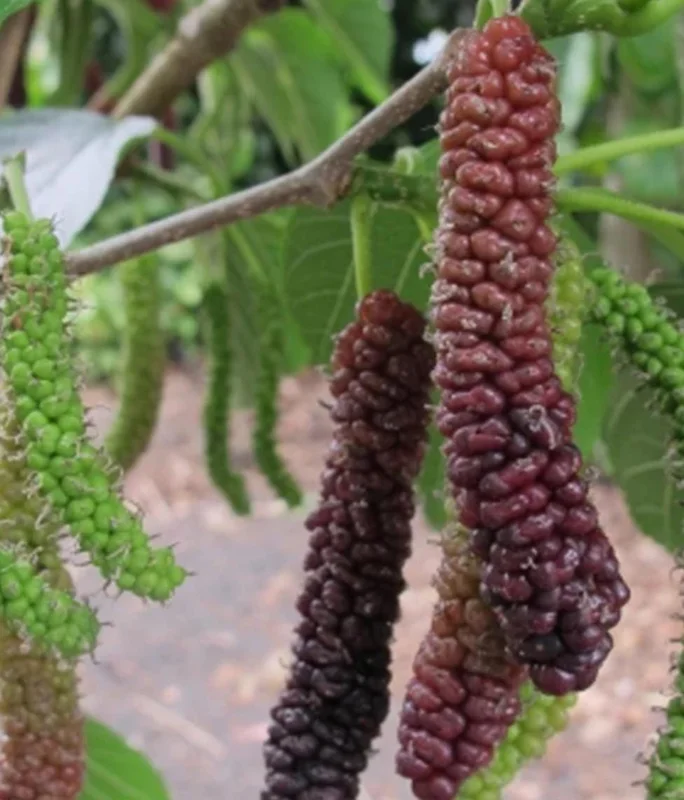
- Exceptional Fruit Quality: Produces elongated, dark red to black mulberries that are renowned for their intense sweetness and rich flavor, far surpassing many other mulberry varieties. These berries are perfect for fresh eating, jams, pies, or drying.
- Vigorous Growth & High Yield: This variety is known for its strong growth habit and ability to produce an abundant crop of fruit once established, providing a generous harvest each season.
- Ornamental Appeal: Beyond its delicious fruit, the fruiting mulberry tree also serves as an attractive landscape tree with its broad leaves and graceful form, offering shade and visual interest.
- Attracts Wildlife: The berries are a favorite food source for birds and other small wildlife, adding biodiversity to your garden and creating a lively ecosystem.
- Low Maintenance: Once established, the Morus alba Cookes Pakistan is relatively low-maintenance, requiring minimal care compared to many other fruit trees. It’s quite resilient to various soil conditions and pests.
- Nutritional Value: Mulberries are packed with vitamins, antioxidants, and fiber, contributing to a healthy diet directly from your garden.
- Long Fruiting Season: Enjoy a prolonged harvest period, often extending over several weeks, allowing for continuous enjoyment of fresh mulberries.
Plant Care & Growing Tips
To ensure your Pakistan Fruiting Mulberry live plant thrives and produces abundant fruit, proper care is essential. This tree prefers a location with full sun, meaning at least 6-8 hours of direct sunlight per day. Adequate sunlight is crucial for fruit development and overall plant health. While it can tolerate some partial shade, heavy shade will result in reduced fruit production and weaker growth. When planting, choose a spot with good air circulation to minimize fungal issues.
Watering is critical, especially during the establishment phase and dry spells. Aim to keep the soil consistently moist but not waterlogged. Deep watering once or twice a week is generally better than frequent shallow watering. Established trees are more drought-tolerant but will benefit from supplemental watering during prolonged dry periods, particularly when fruiting. The ideal soil for growing a fruiting mulberry tree is well-draining, moderately fertile loam with a pH between 6.0 and 7.0. While adaptable to various soil types, avoid heavy clay soils that retain too much moisture, which can lead to root rot. Amending the planting hole with compost or other organic matter can improve soil structure and fertility.
The Morus alba Cookes Pakistan is hardy in USDA zones 6-10, though protection may be needed in the colder parts of zone 6 during severe winters. Fertilize your mulberry tree in early spring before new growth begins, using a balanced slow-release fertilizer or an organic fruit tree fertilizer. Follow the product instructions for application rates. Pruning is best done in late winter or early spring while the tree is dormant. Focus on removing dead, damaged, or crossing branches, and thin out overcrowded areas to improve air circulation and light penetration. This also helps maintain a desirable shape and size. Common problems include birds eating the fruit (netting can help) and occasional fungal diseases, which can often be mitigated by good air circulation and proper watering practices. Learning how to grow mulberry tree properly ensures a healthy and productive plant for years to come.
Size & Details
This offering is for one Pakistan Fruiting Mulberry live plant, which arrives in a nursery pot and stands approximately 3 feet tall from the base of the pot to the top of the plant. The plant is well-rooted and established, ready for transplanting into your garden or a larger container. The exact width and branching structure may vary slightly as these are live, growing specimens. This Cookes Pakistan mulberry cultivar is known for its relatively fast growth rate, and with proper care, it can quickly develop into a substantial fruiting tree. Expect the plant to begin producing fruit within 1-3 years of planting, with increasing yields as it matures.
Mulberry trees can reach mature heights of 20-30 feet, though they can be kept smaller with regular pruning. The vigorous nature of this variety ensures a robust specimen that will establish well in its new home. The plant will be carefully packaged to ensure its safe arrival, protecting its leaves and root system during transit. Upon arrival, we recommend promptly unboxing and watering the plant, then gradually acclimating it to its new environment before permanent planting.
Frequently Asked Questions
- Q: How big does this Pakistan Fruiting Mulberry live plant get at maturity? A: With proper care, the fruiting mulberry tree can reach heights of 20-30 feet. However, its size can be managed with regular pruning, allowing it to fit into smaller garden spaces or be grown as a large bush.
- Q: Is this an indoor or outdoor plant? A: The Pakistan Fruiting Mulberry live plant is primarily an outdoor plant. It requires significant sunlight and space to thrive and produce fruit. It can be grown in a large container outdoors in colder zones and brought inside during winter, but it is not typically suited for indoor cultivation long-term.
- Q: How much sunlight does the Morus alba Cookes Pakistan need? A: This mulberry tree requires full sun, meaning at least 6-8 hours of direct sunlight per day, to ensure optimal growth and fruit production. More sun generally leads to sweeter and more abundant berries.
- Q: Is this plant easy to care for? Is it good for beginners? A: Yes, the Cookes Pakistan mulberry is considered relatively easy to care for once established. Its resilience and adaptability make it a good choice for beginner gardeners interested in growing fruit trees.
- Q: What condition will the plant arrive in? A: Your Pakistan Fruiting Mulberry live plant will arrive in a nursery pot, approximately 3 feet tall, with its root ball intact and protected. It will be carefully packaged to minimize stress during shipping.
- Q: When is the best time to plant this mulberry tree? A: The best time to plant this mulberry tree is in the spring or early fall, allowing it to establish its root system before extreme summer heat or winter cold. Ensuring the soil is workable and temperatures are moderate will give it the best start.
- Q: Will it survive winter in my zone? What’s the minimum temperature? A: This variety is generally hardy in USDA Zones 6-10. In zone 6, it may require some winter protection, especially when young, or if temperatures drop significantly below freezing for extended periods. It can tolerate temperatures down to about 0°F (-18°C) once mature.
- Q: How long until this fruiting mulberry tree produces fruit? A: With good care, your fruiting mulberry tree can begin producing fruit within 1 to 3 years of planting. Production will increase as the tree matures and establishes itself in its new environment.
- Q: What kind of soil is best for growing a mulberry tree? A: The best soil for growing this mulberry tree is well-draining, moderately fertile loam. It is adaptable but prefers a pH between 6.0 and 7.0. Avoid heavy, waterlogged soils.
- Q: Are the berries from this Morus alba Cookes Pakistan edible? A: Absolutely! The ‘Cookes Pakistan’ variety is specifically cultivated for its large, sweet, and highly delicious berries, which are excellent for fresh eating, baking, jams, and other culinary uses.


Reviews
There are no reviews yet.