Overview
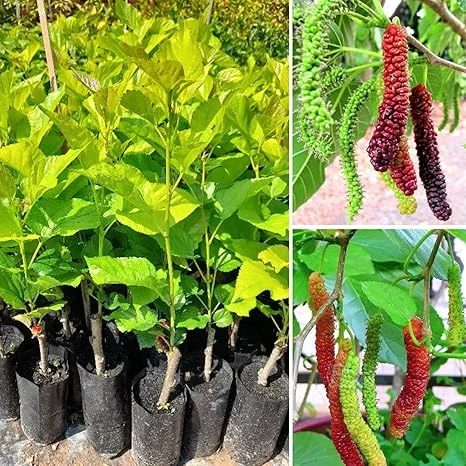
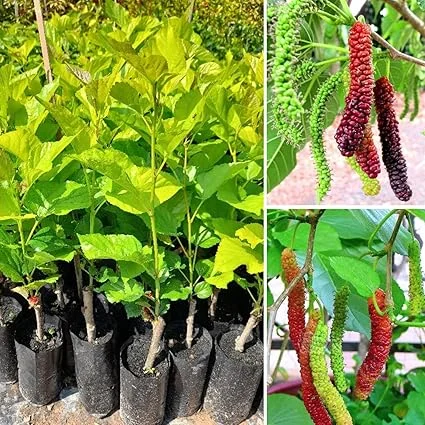
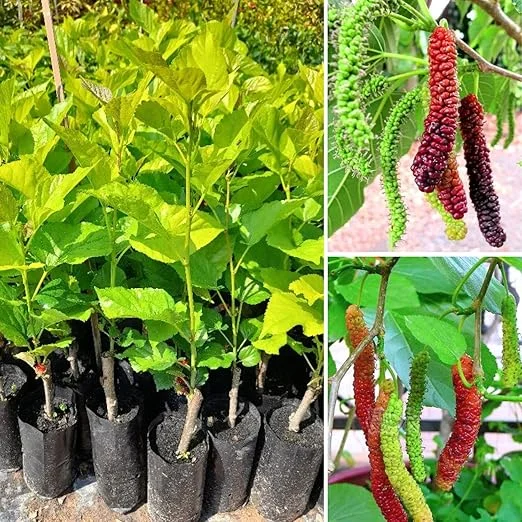
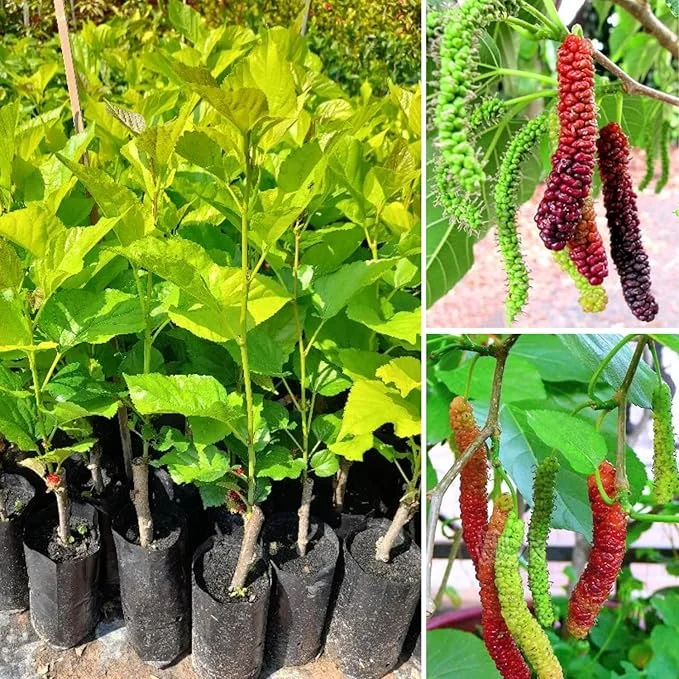
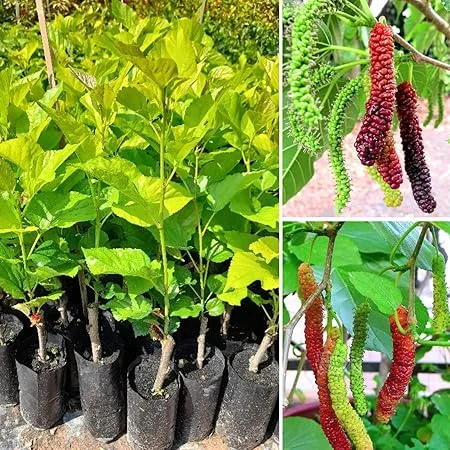
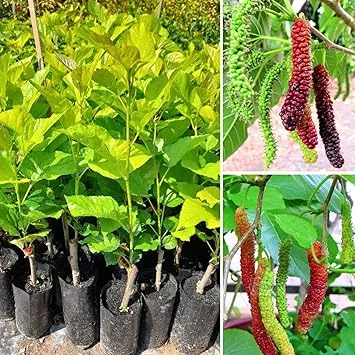
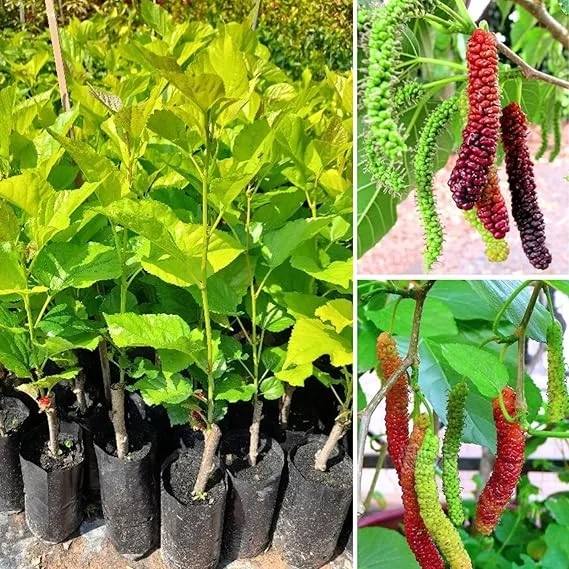
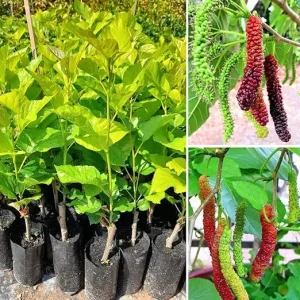
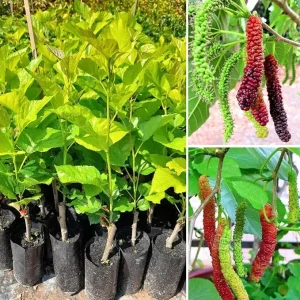
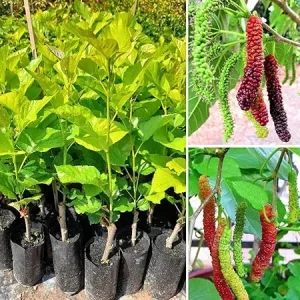
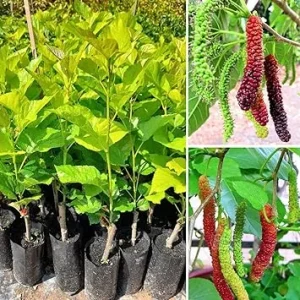
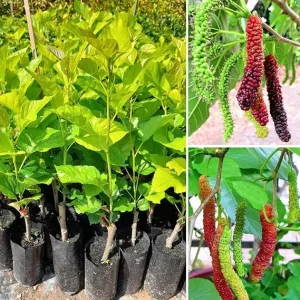
Bring the unique taste of the Himalayas to your home garden with a Pakistan Mulberry live plant. This exceptional fruit tree is renowned for its distinctive, extra-long, deep purple berries that boast a rich, sweet flavor, often described as a blend of blackberry and fig. Originating from the mountainous regions of Pakistan, this mulberry variety (Morus macroura ‘Pakistan’) is a fast-growing, deciduous tree that can become a prolific producer of delicious fruit with proper care. Unlike common mulberries, the Pakistan variety is prized for its elongated fruit, which can reach several inches in length, making it a truly special addition to any orchard or edible landscape. Each Pakistan Mulberry fruit tree is a well-rooted seedling, typically 5-9 inches tall, ensuring a strong start for your new plant.
These vigorous young plants are ready to be established in your chosen location, whether it’s a sunny spot in your yard, a raised garden bed, or even a large container on your patio. The Pakistan Mulberry live plant is highly adaptable and relatively easy to cultivate, making it an excellent choice for both experienced gardeners and those new to growing fruit trees. Its lush foliage provides attractive greenery throughout the growing season, and the abundant harvest of sweet berries offers a rewarding experience. This resilient tree thrives in a variety of climates and soil conditions, promising years of delicious harvests.
Key Benefits
Investing in a Pakistan Mulberry live plant offers numerous advantages, from its unique fruit to its ease of cultivation. This remarkable tree provides not only a source of fresh, flavorful berries but also adds ornamental value to your outdoor space.
- Exotic & Delicious Fruit: Enjoy an abundant harvest of exceptionally long, sweet, deep purple mulberries. These unique berries are perfect for fresh eating, jams, jellies, pies, or dried snacks, offering a flavor profile that stands out from other fruit varieties.
- Vigorous Growth: The Pakistan Mulberry live plant is a fast-growing species, meaning you’ll enjoy a healthy, established tree and potentially fruit sooner than with many other fruit trees. Its rapid development makes it a satisfying plant to watch grow.
- Easy to Grow: Known for its resilience and adaptability, this mulberry tree requires minimal care once established. It’s an excellent choice for gardeners seeking a productive fruit tree without extensive maintenance demands, simplifying the process of growing Pakistan Mulberry.
- Versatile Planting Options: Whether you have a spacious garden, a small yard, or even just a patio, this tree can thrive. It performs well when planted directly in the ground, in raised beds, or in large containers, offering flexibility for various gardening setups.
- Hardy & Adaptable: The hardy mulberry tree is tolerant of a wide range of conditions, flourishing in USDA Zones 5-10. This broad hardiness range makes it suitable for many different climates across the United States, providing a reliable fruit source.
- Nutrient-Rich Harvest: Mulberries are packed with vitamins, antioxidants, and fiber, making them a healthy addition to your diet. Growing your own ensures you have access to fresh, organic fruit right from your backyard.
- Attractive Landscape Addition: Beyond its fruit, the Pakistan Mulberry tree offers attractive foliage and a pleasing form, enhancing the aesthetic appeal of your garden throughout the spring and summer months.
Plant Care & Growing Tips
Caring for your Pakistan Mulberry live plant is straightforward, making it an enjoyable experience for gardeners of all levels. To ensure vigorous growth and an abundant harvest, attention to a few key aspects of care will be beneficial. Mulberries thrive in full sun, meaning they need at least 6-8 hours of direct sunlight per day to produce the best fruit. While they can tolerate partial shade, fruit production may be reduced. When choosing a location, consider morning sun exposure for optimal growth and fruit development. Good air circulation is also important to prevent fungal issues.
These trees are adaptable to a variety of soil types but prefer well-draining, fertile soil with a neutral to slightly acidic pH (6.0-7.0). If your soil is heavy clay, amend it with organic matter like compost to improve drainage. For container growing, use a high-quality potting mix designed for fruit trees. Regular watering is crucial, especially during the first year of establishment and during dry spells. Keep the soil consistently moist but not waterlogged. Once established, mulberries are relatively drought-tolerant but will benefit from deep watering during prolonged dry periods to ensure consistent fruit development. Fertilize in early spring with a balanced slow-release fertilizer or an organic fruit tree fertilizer. Pruning is generally minimal; focus on removing dead, damaged, or crossing branches to maintain an open structure and encourage fruit production on new wood. Regular inspection for pests and diseases will help keep your Pakistan Mulberry fruit tree healthy.
Protecting young trees from harsh winter winds in colder zones can help them establish. In zones 5-6, consider providing winter protection or planting in a sheltered location. Established trees are quite resilient. The ease of Pakistan Mulberry care makes it a rewarding plant for any gardener.
Size & Details
This offering includes one Pakistan Mulberry live plant, which is a well-rooted seedling, ready for transplanting. Each plant measures approximately 5-9 inches tall from the base of the root ball to the tip of the highest leaf. These young plants are shipped in a manner that protects their delicate root system, ensuring they arrive healthy and ready to thrive in their new environment. The growth rate of the Pakistan Mulberry is considered fast, with young trees capable of adding several feet of height per year under optimal conditions. Mature trees can reach heights of 15-25 feet with a similar spread, though they can be kept smaller with regular pruning, especially when grown in containers.
The berries typically begin to ripen in late spring to early summer, providing a delicious harvest over several weeks. Expect your tree to start producing fruit within 2-3 years, with yields increasing as the tree matures. When choosing a pot for container growing, select a large container (initially 15-20 gallons, eventually up to 30 gallons or more) to accommodate the vigorous root system and allow for adequate growth. This hardy mulberry tree is a valuable addition to any edible garden.
Frequently Asked Questions
- Q: How big does this Pakistan Mulberry live plant get? A: This particular offering is for a young seedling, typically 5-9 inches tall. Mature Pakistan Mulberry trees can reach heights of 15-25 feet with a similar spread, but their size can be managed through pruning, especially when grown in containers.
- Q: Is this an indoor or outdoor plant? A: The Pakistan Mulberry live plant is primarily an outdoor fruit tree. It thrives in full sun and is best suited for planting in the ground or large containers outdoors where it can receive adequate sunlight and space to grow.
- Q: How much sunlight does it need? A: For optimal fruit production and healthy growth, the Pakistan Mulberry requires at least 6-8 hours of direct sunlight per day. It can tolerate partial shade, but fruit yield may be reduced.
- Q: Is this plant easy to care for? A: Yes, the Pakistan Mulberry is known for its relatively easy care. Once established, it is quite hardy and adaptable, requiring minimal maintenance compared to many other fruit trees. This makes growing Pakistan Mulberry a rewarding experience for many gardeners.
- Q: What condition will it arrive in? A: Your Pakistan Mulberry fruit tree will arrive as a well-rooted, healthy seedling, carefully packaged to protect its roots and foliage during transit, ensuring it’s ready for planting upon arrival.
- Q: How long until it produces fruit? A: Typically, Pakistan Mulberry trees begin to produce fruit within 2-3 years after planting, with yields increasing significantly as the tree matures and establishes itself.
- Q: Will it survive winter in my zone? A: This hardy mulberry tree is suitable for USDA Hardiness Zones 5-10. If you are in zones 5 or 6, providing some winter protection for young trees can be beneficial, but established trees are quite resilient.
- Q: What’s the best time to plant a Pakistan Mulberry? A: The best time to plant your Pakistan Mulberry seedling is in early spring after the last frost, or in early fall before the ground freezes, allowing the roots to establish before extreme temperatures.
- Q: Can I grow this mulberry in a pot? A: Yes, the Pakistan Mulberry can be successfully grown in a large container. Start with at least a 15-gallon pot and eventually upgrade to a 30-gallon or larger container as the tree grows.
- Q: Are the berries good for eating fresh? A: Absolutely! The Pakistan Mulberry is highly prized for its exceptionally long, sweet, and flavorful berries, which are delicious when eaten fresh right off the tree.


Reviews
There are no reviews yet.