Overview
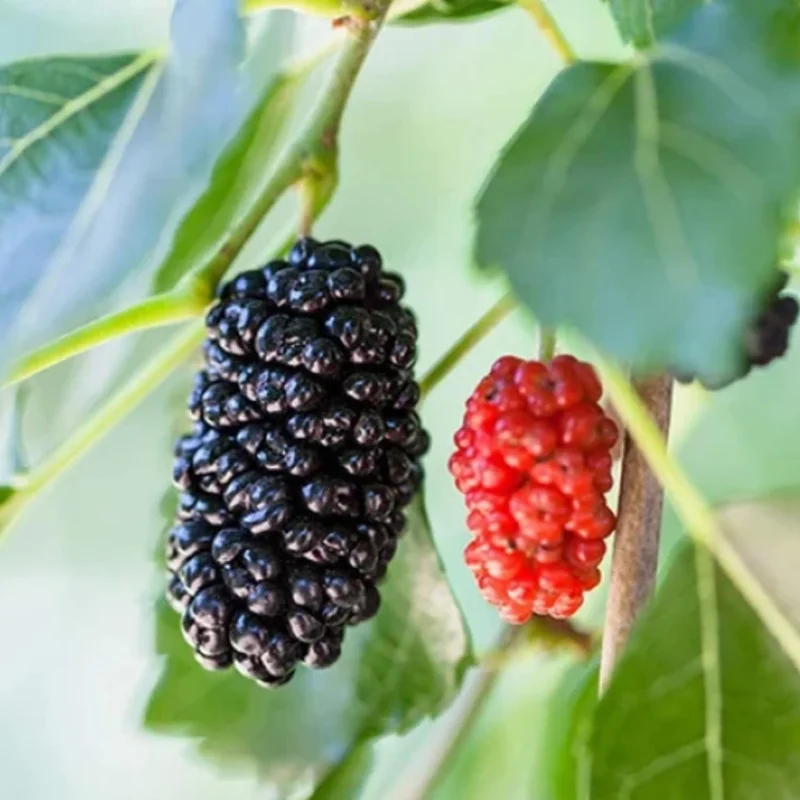
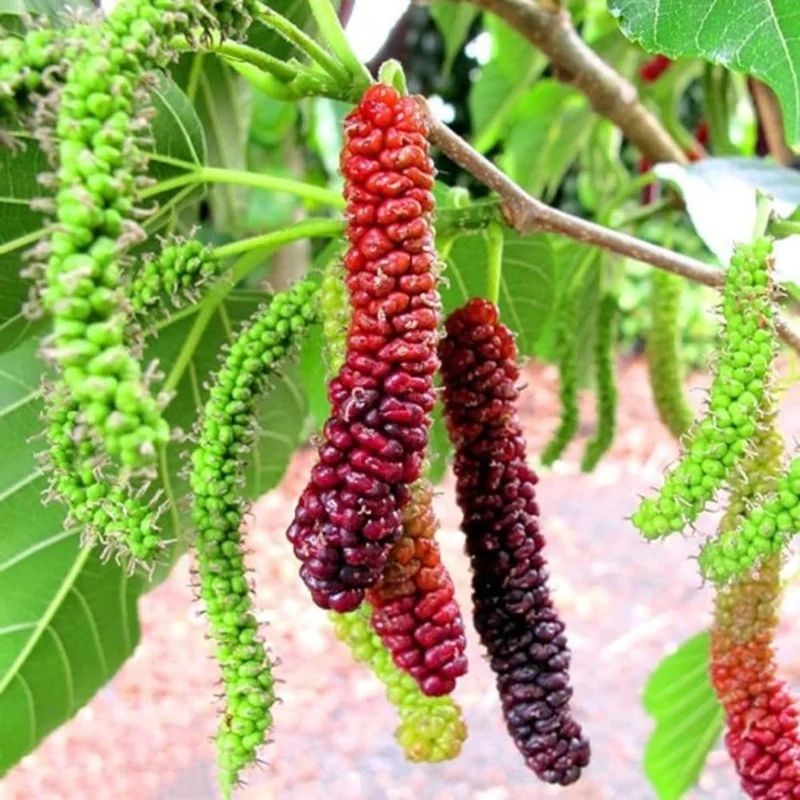
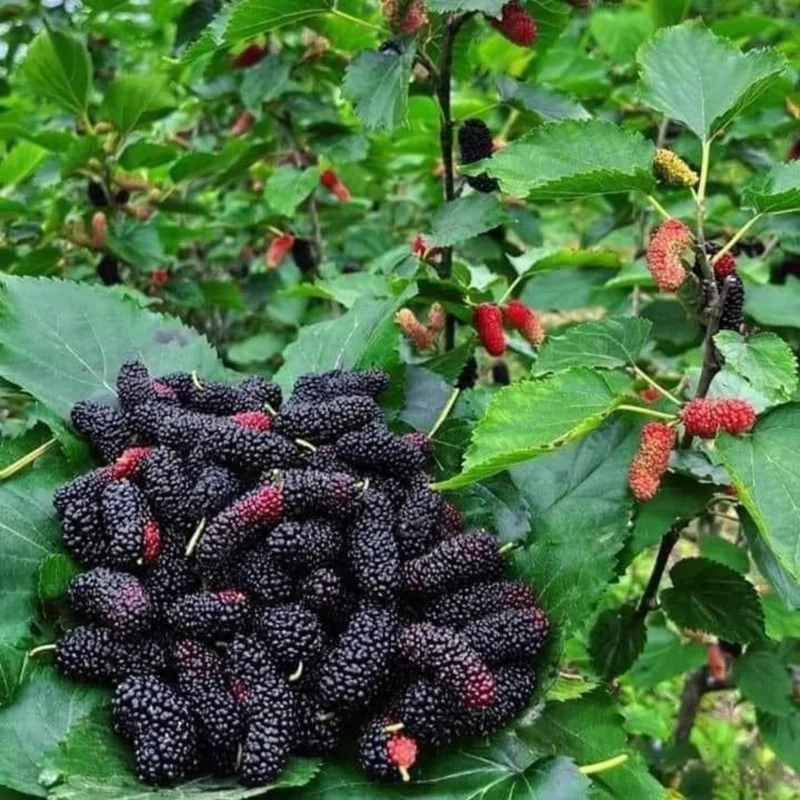
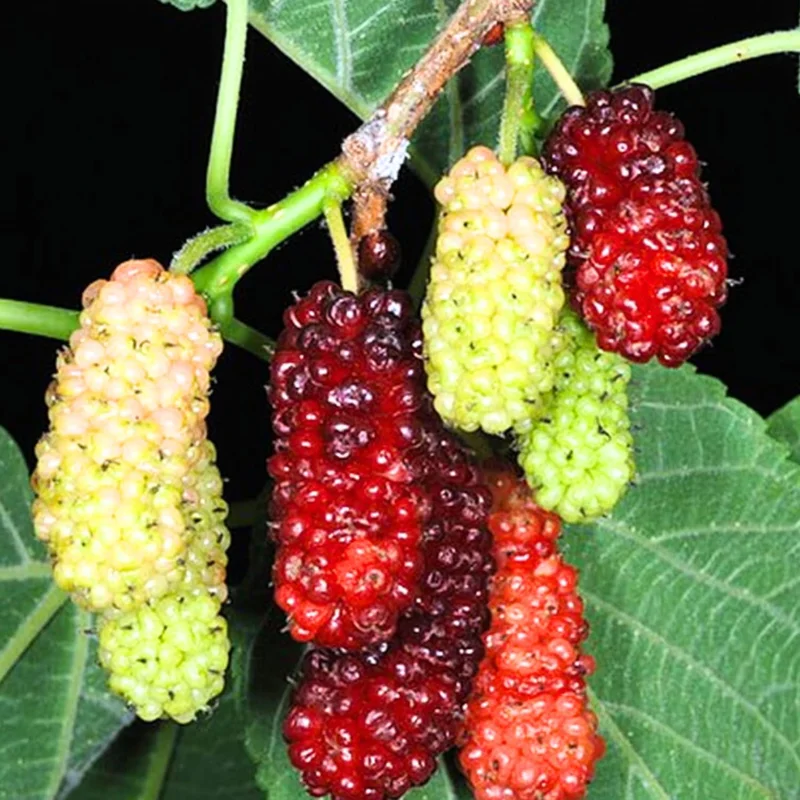
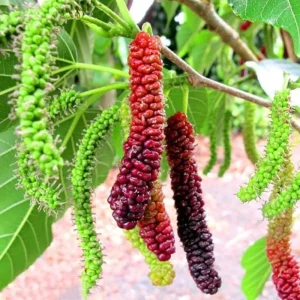
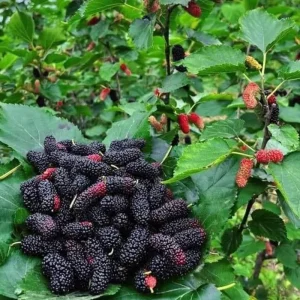
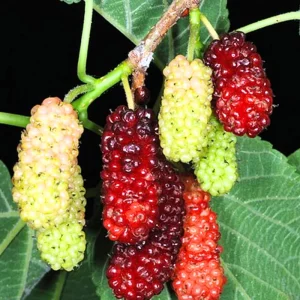
Embark on a delightful gardening journey with the acquisition of a Pakistan mulberry live plant. This offering includes two vibrant, well-rooted mulberry seedlings, each standing between 5 and 9 inches tall, perfectly sized for successful transplanting into your garden or containers. The Pakistan mulberry (Morus macroura ‘Pakistan’) is highly prized for its exceptionally long, sweet, and juicy deep purple berries, which offer a unique flavor profile often described as a blend of honey and blackberry. Unlike common mulberries, the fruit of the Pakistan mulberry live plant is elongated, sometimes reaching several inches in length, making it a truly distinctive and sought-after variety. These fruit trees are an excellent choice for home gardeners looking to add an exotic and productive element to their landscape, providing fresh, delicious fruit straight from the branch.
Cultivating Pakistan mulberry fruit tree is a rewarding experience, suitable for both novice and experienced gardeners. These resilient plants adapt well to various growing conditions and require minimal care once established. Whether you’re dreaming of fresh fruit for snacking, baking, or preserves, these live plants offer a direct path to a bountiful harvest. Prepare to enjoy the beauty of their foliage and the abundance of their unique, flavorful fruits for years to come.
Key Benefits
Adding a Pakistan mulberry live plant to your garden brings numerous advantages beyond just delicious fruit. These trees are not only productive but also contribute to the aesthetic and ecological value of your outdoor space. Here are some of the key benefits:
- Exceptional Fruit Quality: The primary draw of the Pakistan mulberry is its outstanding fruit. These mulberries are known for their impressive length, deep purple color, and intensely sweet, rich flavor, making them a gourmet treat. Homegrown mulberries taste far superior to store-bought options.
- Easy to Grow: These Pakistan mulberry fruit tree plants are surprisingly low-maintenance. They are known for their vigor and adaptability, thriving with minimal fuss once established, making them ideal for gardeners of all skill levels.
- Versatile Planting Options: Whether you have a spacious garden, a small patio, or even a balcony, these plants can be grown successfully. They are suitable for planting directly in the ground, in large raised beds, or in pots and containers, offering flexibility to urban and rural gardeners alike.
- Ornamental Value: Beyond their fruit, Pakistan mulberries also offer attractive foliage and a pleasing growth habit, contributing to the visual appeal of your landscape throughout the growing season.
- Fast Growing & Productive: Mulberry trees are generally fast growers, and the Pakistan variety is no exception. You can expect these plants to establish quickly and begin producing fruit within a few years, providing a consistent supply of fresh berries.
- Hardy & Adaptable: These fruit trees are hardy in a wide range of USDA zones (5-10), demonstrating good resistance to various environmental conditions and making them a reliable choice for many climates.
- Healthy & Nutritious Fruit: Mulberries are packed with vitamins, antioxidants, and fiber. Enjoying fresh fruit from your own grow mulberry at home plant is a delicious way to boost your daily nutrient intake.
Plant Care & Growing Tips
Proper care ensures your Pakistan mulberry live plant thrives and yields abundant fruit. These plants are relatively forgiving, but understanding their basic needs will lead to the best results. Start by selecting the right location; Pakistan mulberries prefer full sun to partial shade, meaning at least 6 hours of direct sunlight per day for optimal fruit production. While they tolerate some shade, more sun generally equates to more and sweeter berries. Ensure the planting site has well-draining soil to prevent root rot, as mulberries do not like consistently wet feet.
When it comes to watering, young Pakistan mulberry fruit tree plants need consistent moisture to establish their root systems. Water regularly, especially during dry spells, ensuring the soil remains moist but not waterlogged. Once mature, they become more drought-tolerant but will still benefit from deep watering during extended dry periods, particularly when fruiting. Fertilize annually in early spring with a balanced, slow-release fertilizer or a compost-rich amendment to support healthy growth and fruit development. Pruning is best done in late winter or early spring while the tree is dormant. Focus on removing dead, damaged, or crossing branches, and shape the tree to maintain an open canopy for good air circulation and light penetration. This also helps manage the size of your grow mulberry at home tree and encourages better fruit production. Watch out for common pests like aphids or spider mites, which can typically be managed with organic insecticidal soaps. With proper mulberry plant care, your tree will flourish.
Size & Details
This offering includes two healthy Pakistan mulberry live plant specimens, each carefully nurtured to be between 5 and 9 inches tall at the time of shipment. These young plants are well-rooted and ready for transplanting into their permanent home, whether that’s in your garden soil or a spacious container. They are shipped as live, actively growing plants, ensuring a strong start for your fruit-producing journey. Pakistan mulberries are known for their vigorous growth rate, and with proper care, these young plants will quickly establish themselves and begin to mature into productive fruit trees. Expect to see significant growth within the first year, with fruiting typically beginning within 2-3 years, producing those coveted long mulberry berries. The mature size of a Pakistan mulberry tree can vary depending on growing conditions and pruning, but they can reach heights of 15-30 feet if left unpruned. When grown in containers, their size can be managed through regular pruning, allowing them to remain more compact.
Frequently Asked Questions
- Q: How big do these Pakistan mulberry plants get? A: At shipment, each plant is 5-9 inches tall. With proper care, they can grow into large trees, potentially 15-30 feet tall, if planted in the ground and unpruned. Their size can be managed through pruning, especially when grown in containers.
- Q: Are these suitable for growing in pots? A: Yes, these Pakistan mulberry live plant specimens can be successfully grown in large pots or containers. Ensure the pot has good drainage and is large enough to accommodate the root system as the plant grows, such as a 15-20 gallon pot or larger.
- Q: How much sunlight does a Pakistan mulberry need? A: To produce the best fruit, your Pakistan mulberry fruit tree requires full sun, meaning at least 6 hours of direct sunlight per day. They can tolerate partial shade, but fruit production may be reduced.
- Q: What condition will the plants arrive in? A: The plants are shipped live and well-rooted, carefully packaged to ensure they arrive in healthy condition, ready for planting. We take great care to protect them during transit.
- Q: When is the best time to plant these mulberries? A: The best time to plant your grow mulberry at home plants is in spring or early summer after the danger of frost has passed, or in early fall in warmer climates. This allows them ample time to establish before extreme temperatures.
- Q: How long until I can expect fruit from my Pakistan mulberry? A: With good mulberry plant care, you can typically expect your Pakistan mulberry tree to start producing fruit within 2-3 years after planting. Production will increase as the tree matures.
- Q: Are these Pakistan mulberries hardy in my zone? A: Pakistan mulberries are generally hardy in USDA Zones 5-10. If you are outside this range, consider protecting them during harsh winters or growing them in containers that can be moved indoors.
- Q: What kind of soil is best for these plants? A: Pakistan mulberries prefer well-draining soil. A rich, loamy soil with good organic content is ideal. Avoid heavy clay soils that retain too much water, as this can lead to root issues.
- Q: Do I need more than one plant for pollination? A: Pakistan mulberries are self-fertile, meaning a single plant is sufficient to produce fruit. You do not need multiple plants for cross-pollination, although having more plants can increase your overall yield of long mulberry berries.
- Q: How do I prune my Pakistan mulberry tree? A: Prune in late winter or early spring while the tree is dormant. Focus on removing any dead, diseased, or crossing branches. You can also prune to maintain a desired size and shape, encouraging a strong framework and good air circulation for better fruit production.


Reviews
There are no reviews yet.