Overview
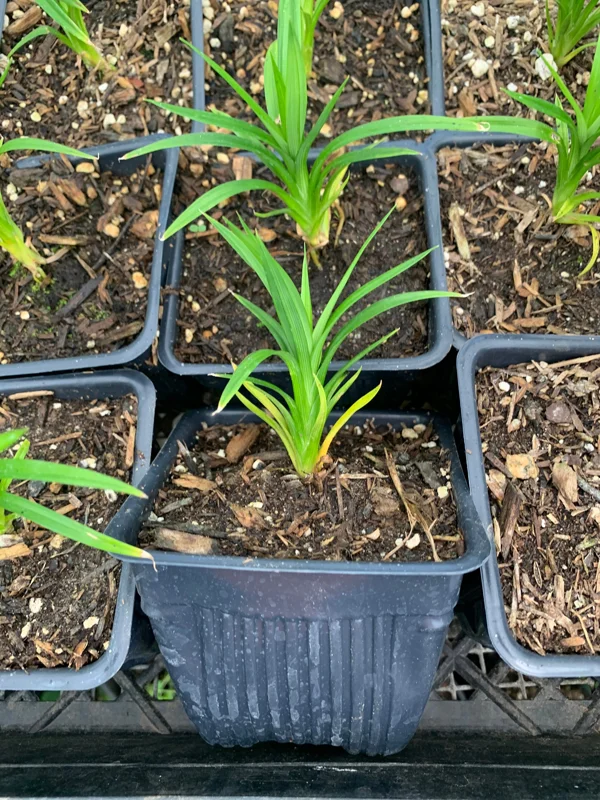
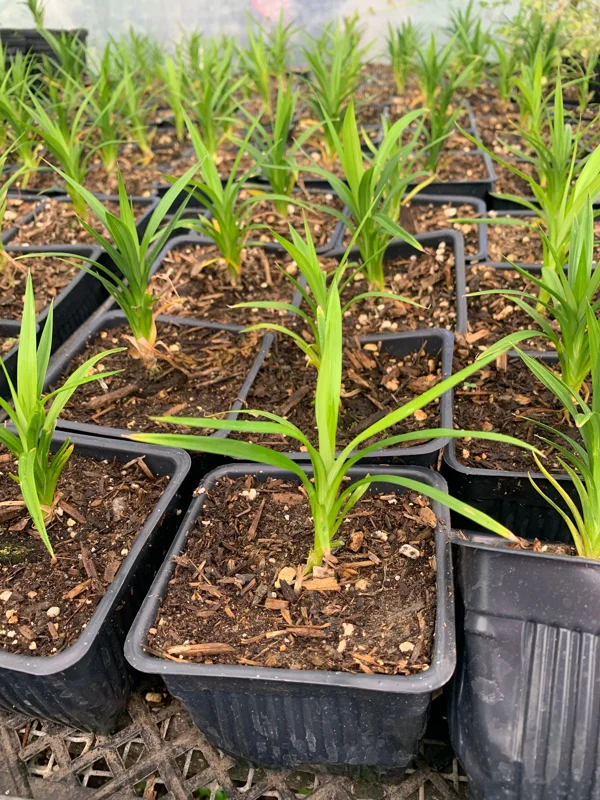
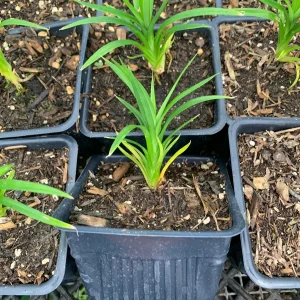
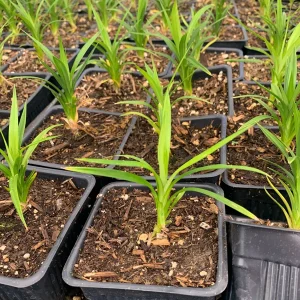
Discover the unique charm and utility of the pandan plant live, a tropical gem revered for its aromatic leaves. This offering provides a vigorous starter plant of Pandanus amaryllifolius, carefully cultivated and ready to continue its growth in your home or garden. Often referred to as the ‘vanilla of the East,’ pandan leaves impart a distinctive, sweet, and nutty fragrance that is indispensable in Southeast Asian cooking and desserts. Our healthy pandan plant live comes in a 4-inch nursery pot, perfectly sized for transplanting and establishing itself in its new environment. Whether you’re a seasoned gardener or a culinary adventurer, growing your own pandan offers a rewarding experience, providing fresh, fragrant leaves whenever you need them. This versatile plant can be grown indoors in most climates or outdoors in warmer, tropical regions, making it an excellent addition to diverse plant collections. Experience the joy of cultivating this exotic and fragrant foliage plant, bringing a touch of the tropics and a world of culinary possibilities right to your doorstep.
Key Benefits
Cultivating a pandan plant live offers numerous advantages, from its unique aromatic qualities to its relatively easy care. This tropical plant is not only beautiful but also highly functional, making it a valuable addition to any home or garden. Many enjoy the process of learning how to grow pandan at home and incorporating its fragrant leaves into their daily lives. The specific attributes of the pandanus amaryllifolius make it a popular choice among plant enthusiasts.
- Aromatic Culinary Herb: The primary benefit of the pandan plant live is its highly fragrant leaves, which are a staple in Southeast Asian cuisine. These long, blade-like leaves release a sweet, grassy, and nutty aroma, perfect for flavoring rice, curries, desserts, and beverages. Having a fresh supply means you can infuse your dishes with authentic, vibrant flavors whenever inspiration strikes.
- Attractive Foliage: Beyond its culinary uses, the pandan plant boasts elegant, strap-like green leaves that add a tropical aesthetic to any indoor space or outdoor garden. Its upright growth habit and lush green color make it an appealing ornamental plant.
- Air Purifying Qualities: Like many houseplants, pandan can contribute to a healthier indoor environment by naturally filtering airborne toxins, enhancing the air quality in your home.
- Relatively Easy to Care For: With proper light and watering, the pandanus plant care routine is straightforward, making it suitable for both novice and experienced gardeners. It’s a robust plant that can adapt to various conditions if its basic needs are met.
- Natural Food Coloring and Flavoring: In addition to its aroma, pandan leaves can be used to impart a natural green color to food, avoiding artificial dyes. This makes it a healthier and more authentic alternative for many culinary applications.
- Unique Garden Addition: For those in suitable climates, the pandan plant adds an exotic and functional element to outdoor gardens, creating a tropical ambiance and providing a continuous supply of fresh leaves. It’s a conversation starter and a unique specimen among common garden plants.
- Sustainable Source: By learning how to grow pandan at home, you reduce reliance on store-bought dried or frozen pandan, ensuring a fresh, organic, and sustainable source of this valuable herb. You’ll always have fragrant pandan leaves at your fingertips.
Plant Care & Growing Tips
Providing the right environment and consistent care is crucial for the healthy growth of your pandan plant live. Originating from tropical regions, pandanus amaryllifolius thrives in warm, humid conditions. Understanding its specific needs will ensure your plant flourishes and produces abundant, fragrant leaves. Proper pandanus plant care involves attention to light, water, soil, and temperature.
Sunlight Requirements: Pandan plants prefer bright, indirect light. Indoors, place your plant near a window that receives plenty of natural light but away from direct, harsh afternoon sun which can scorch its leaves. An east or north-facing window is often ideal. If growing outdoors in a warm climate, choose a location with partial shade, especially during the hottest part of the day. Too little light can lead to leggy growth and less vibrant foliage, while too much direct sun can cause leaf burn.
Watering Schedule and Soil Moisture: These plants love consistent moisture but do not tolerate soggy soil. Water thoroughly when the top inch of soil feels dry to the touch. Ensure good drainage to prevent root rot. During warmer months, you might need to water more frequently. In cooler periods, reduce watering slightly. High humidity is also beneficial; consider misting the leaves regularly or placing the pot on a pebble tray filled with water to increase ambient humidity, especially indoors. Consistent watering is key to helping you successfully grow pandan at home.
Soil Type and Drainage: A well-draining, rich potting mix is essential for your pandan plant live. A good quality all-purpose potting mix amended with some peat moss or coir for moisture retention and perlite for drainage works well. The soil should be slightly acidic to neutral (pH 6.0-7.0). Ensure the pot has drainage holes to prevent waterlogging, which is detrimental to pandan roots.
Temperature Range and USDA Hardiness Zone: Pandan plants are tropical and prefer warm temperatures, ideally between 65°F and 85°F (18°C-29°C). They are not frost-tolerant and should be protected from temperatures below 50°F (10°C). If you live in a region with cold winters, it’s best to grow your pandan in a container and bring it indoors before the first frost. Outdoors, it thrives in USDA zones 10-11. Keeping your plant within these temperature ranges will promote healthy growth and ensure you have plenty of fragrant pandan leaves.
Fertilization Schedule and Type: Feed your pandan plant with a balanced liquid fertilizer (e.g., 10-10-10) every 2-4 weeks during the growing season (spring and summer). Reduce fertilization in fall and winter when the plant’s growth slows down. Always follow the fertilizer’s instructions for dilution to avoid over-fertilizing, which can burn the roots.
Common Problems and Solutions: Watch out for common pests like spider mites or mealybugs, especially in dry indoor environments. Treat infestations with insecticidal soap or neem oil. Yellowing leaves can indicate overwatering or nutrient deficiency, while brown leaf tips might suggest low humidity or inconsistent watering. Adjust your care routine accordingly to maintain a thriving pandan plant live.
Size & Details
This offering includes a robust pandan plant live, carefully cultivated to ensure a strong start in its new environment. Your starter plant will arrive in a 4 inch pot, providing a well-established root system and healthy foliage ready for transplanting. At the time of shipment, the plant typically stands between 6 to 10 inches tall from the base of the pot, with multiple healthy leaves. The growth rate of pandanus amaryllifolius is moderate; with optimal care, it can grow to a mature height of 3 to 6 feet indoors, and even taller outdoors in tropical climates. The plant will gradually spread, forming a clumping habit as it matures. It is shipped as a live, rooted plant in its nursery container, ensuring minimal stress during transit and a smooth transition to your home or garden. Expect your fragrant pandan leaves to develop their full aroma as the plant matures and establishes itself in your chosen growing location. This size is ideal for those looking to grow pandan at home without starting from scratch.
Frequently Asked Questions
- Q: How big does this plant get? A: This pandan plant live starter is shipped in a 4-inch pot and is typically 6-10 inches tall. With proper care, it can grow up to 3-6 feet tall indoors, and potentially larger in ideal outdoor tropical conditions. Its size is manageable for most indoor spaces, making it easy to grow pandan at home.
- Q: Is this an indoor or outdoor plant? A: The pandanus amaryllifolius can thrive both indoors and outdoors. It is best grown indoors in most climates, especially where temperatures drop below 50°F (10°C). In USDA zones 10-11, it can be grown outdoors year-round.
- Q: How much sunlight does it need? A: A pandan plant live prefers bright, indirect light. Avoid direct, harsh afternoon sun which can scorch its leaves. An east or north-facing window indoors, or a partially shaded spot outdoors, is ideal.
- Q: Is this plant easy to care for? A: Yes, pandanus plant care is relatively straightforward. It requires consistent watering, good drainage, and warm temperatures. It’s a great plant for beginners looking to add a unique tropical herb to their collection.
- Q: What condition will it arrive in? A: Your pandan plant live will arrive as a healthy, rooted starter plant in its 4-inch nursery pot, carefully packaged to ensure its safety during transit. We take great care to ensure it reaches you in excellent condition.
- Q: Can I use the leaves for cooking right away? A: While the plant will have some fragrant pandan leaves upon arrival, it’s best to allow the plant to establish itself for a few weeks after transplanting before harvesting a significant amount for culinary use. This ensures the plant can recover and continue to grow vigorously.
- Q: What’s the best soil for my pandan plant? A: The best soil for your pandan plant live is a well-draining, rich potting mix. You can amend an all-purpose potting mix with peat moss or coir for moisture retention and perlite for improved drainage.
- Q: Will it survive winter in my zone? A: If you are outside of USDA zones 10-11, your pandan plant will not survive winter outdoors. It must be brought indoors when temperatures consistently fall below 50°F (10°C) to protect it from cold damage. This is a key aspect of pandanus plant care in temperate regions.
- Q: How often should I fertilize my pandan? A: During the spring and summer growing season, fertilize your pandan plant live every 2-4 weeks with a balanced liquid fertilizer. Reduce or stop fertilizing during the cooler, dormant months of fall and winter.
- Q: Can I propagate this plant? A: Yes, pandan plants can be propagated from rooted offsets or stem cuttings, making it possible to expand your collection or share with friends once your main plant is well-established. This is another way to successfully grow pandan at home.


Reviews
There are no reviews yet.