Overview
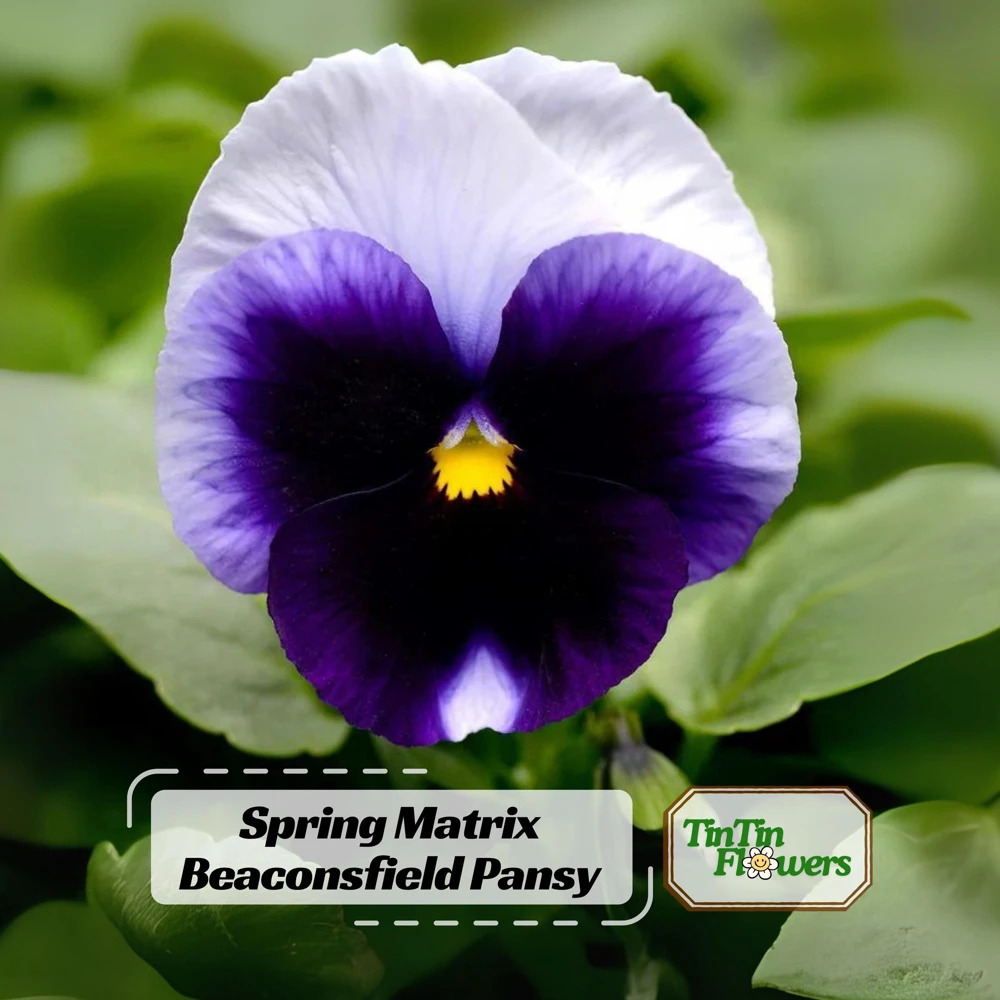
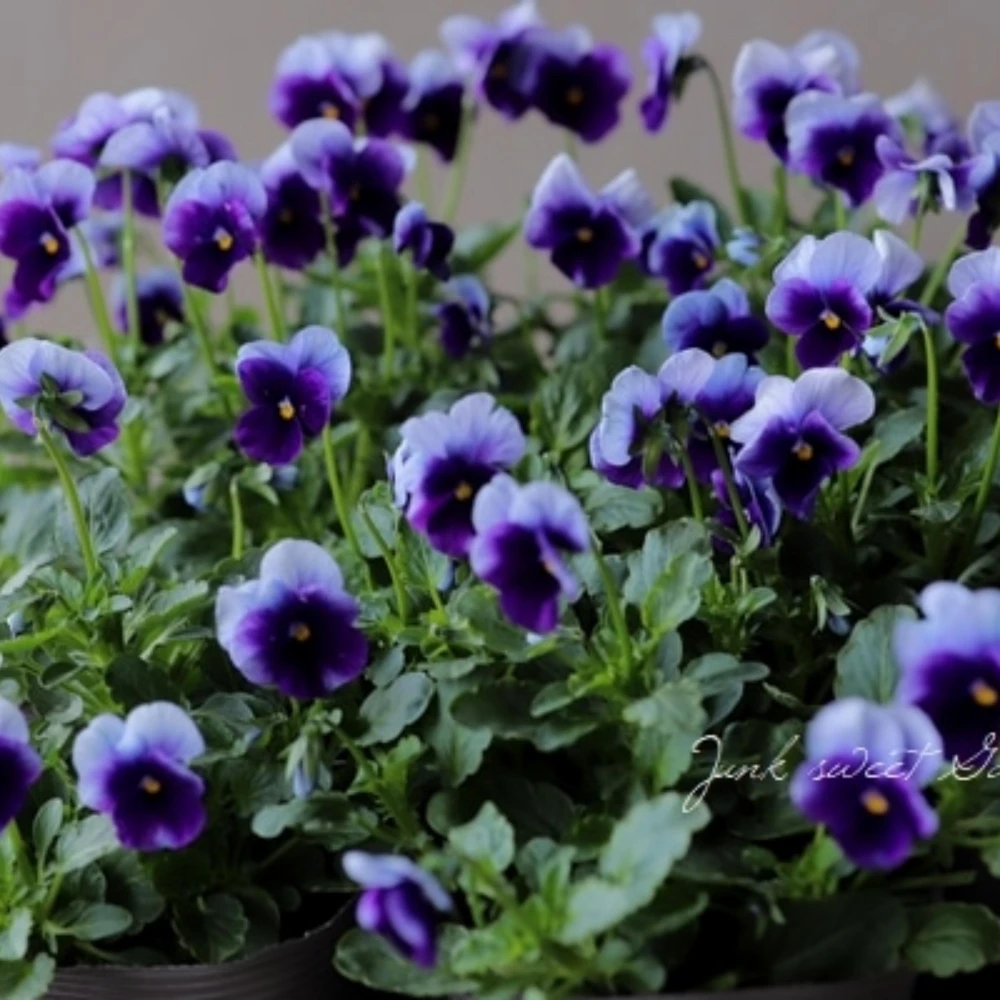
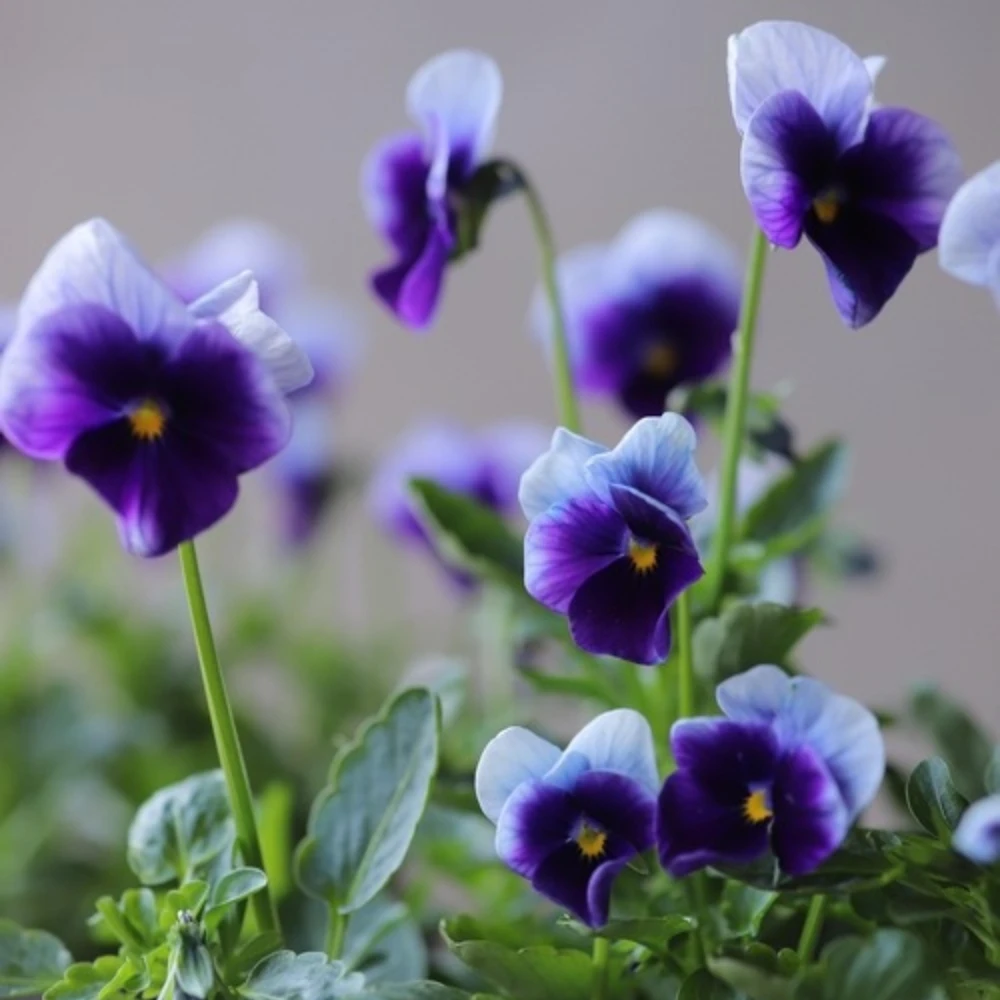
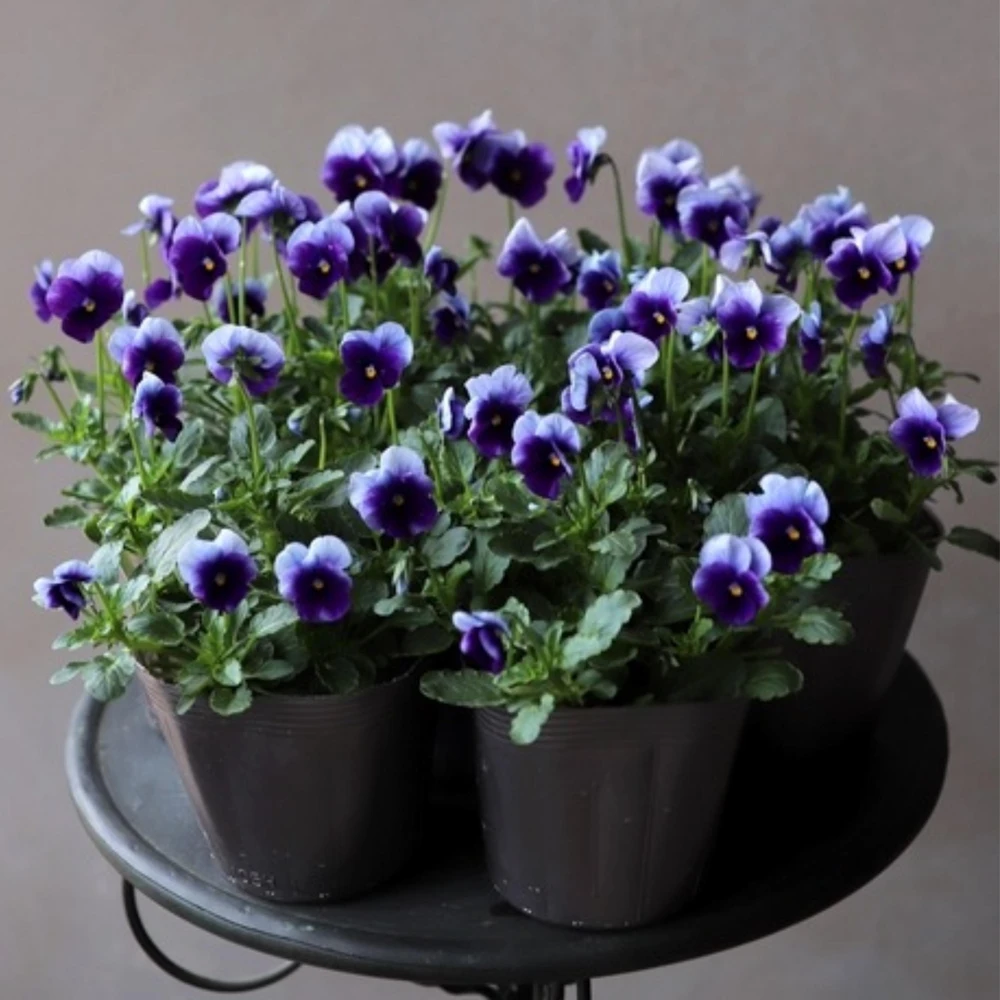
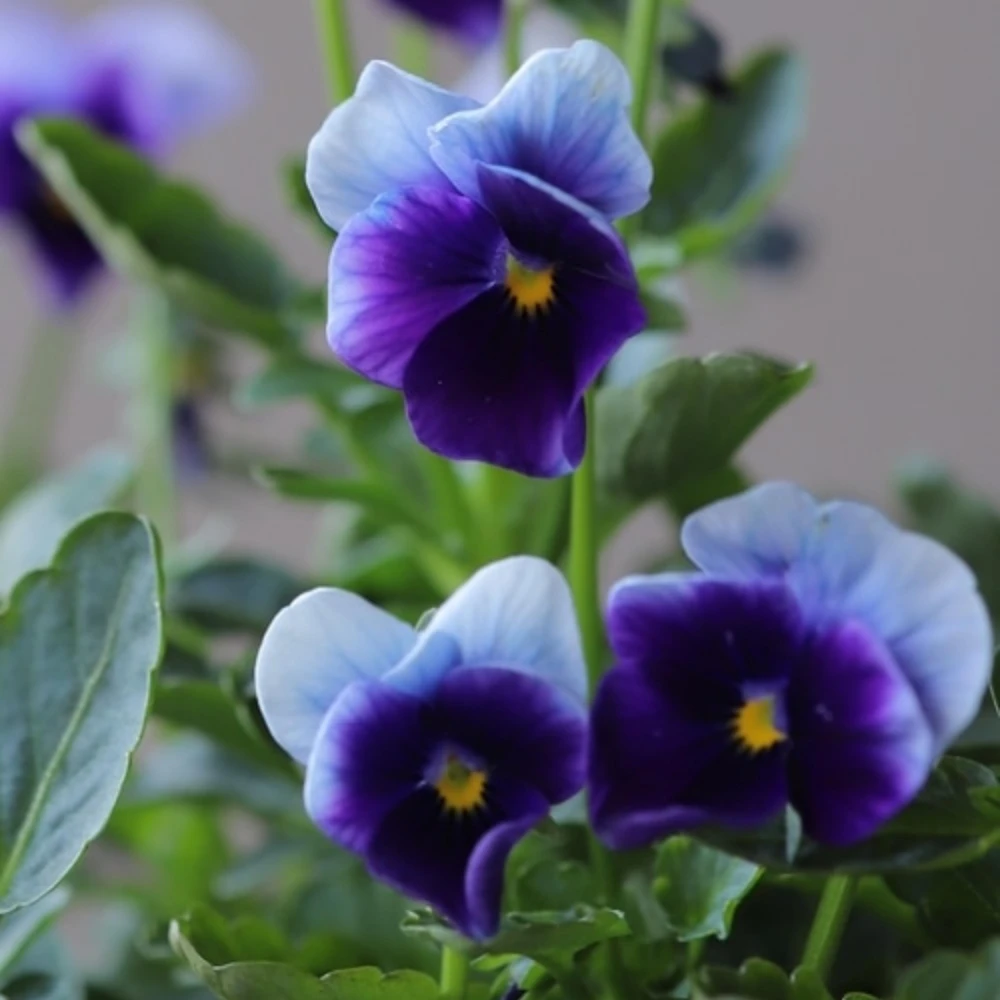
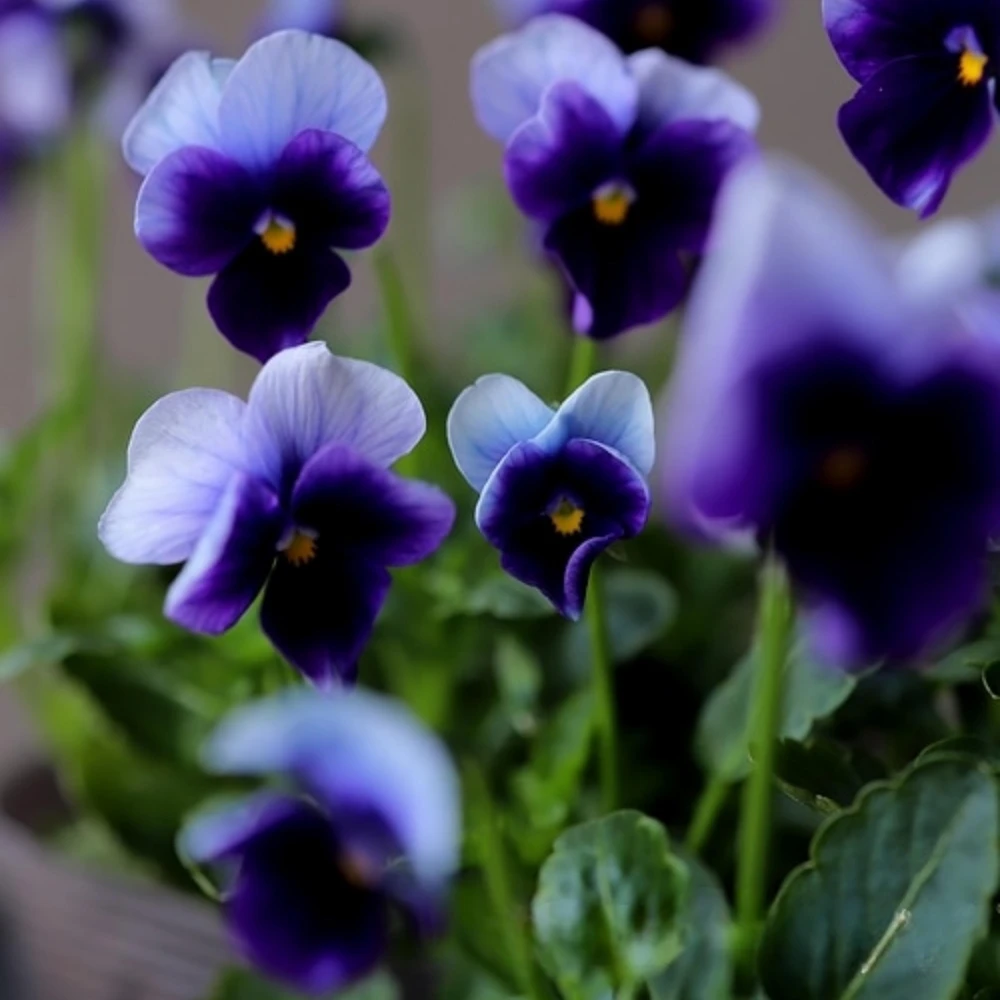
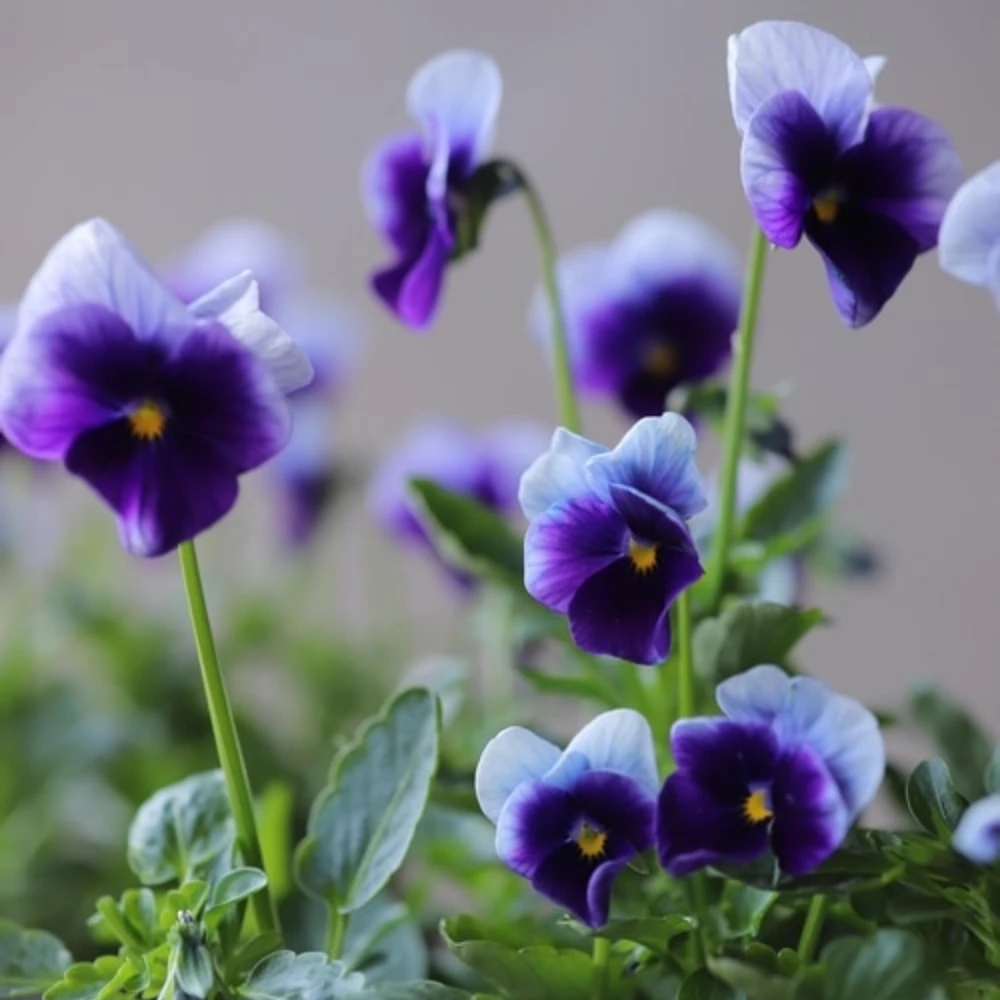
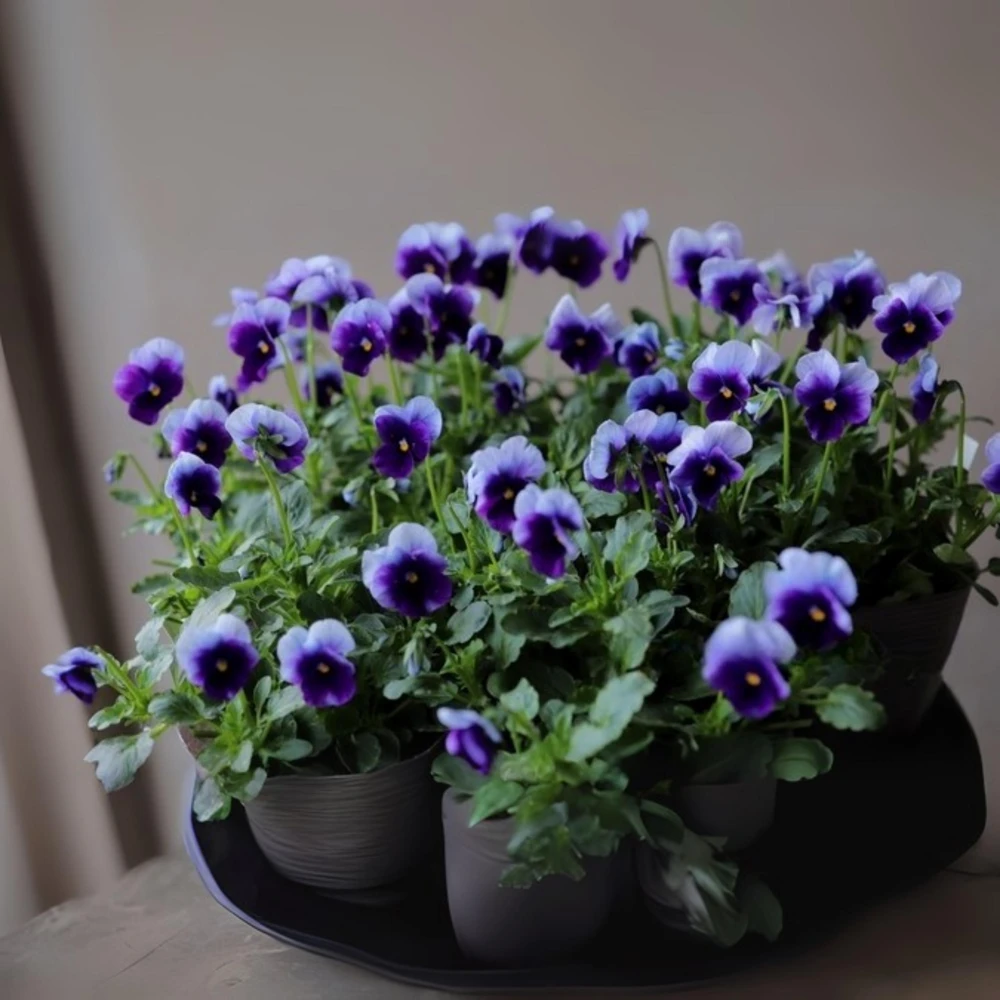
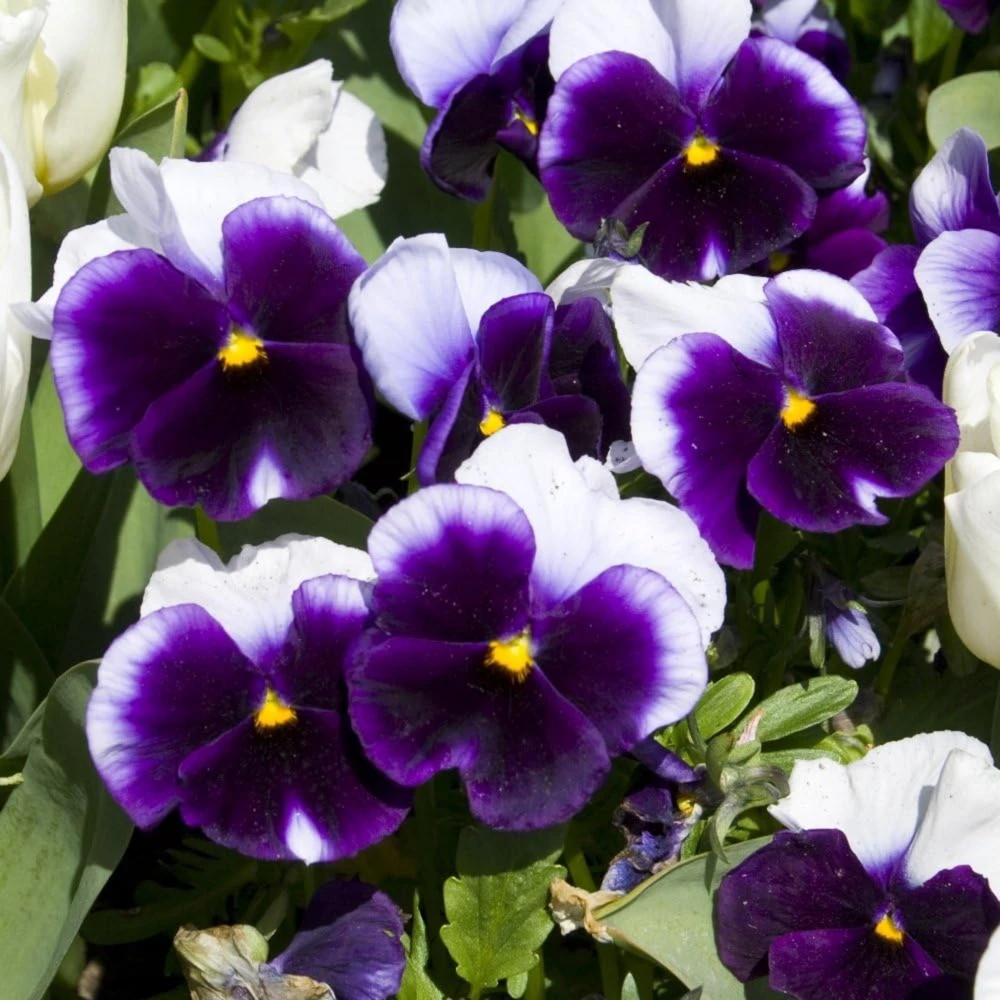
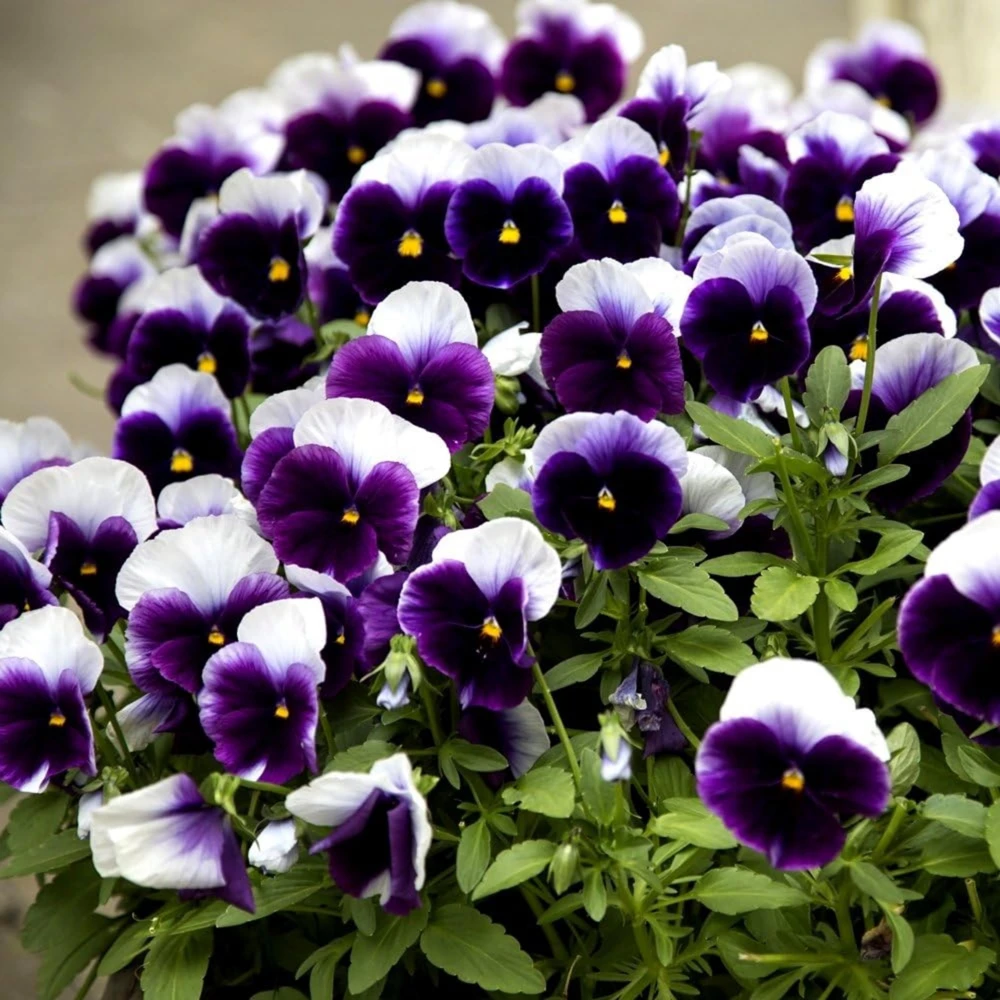
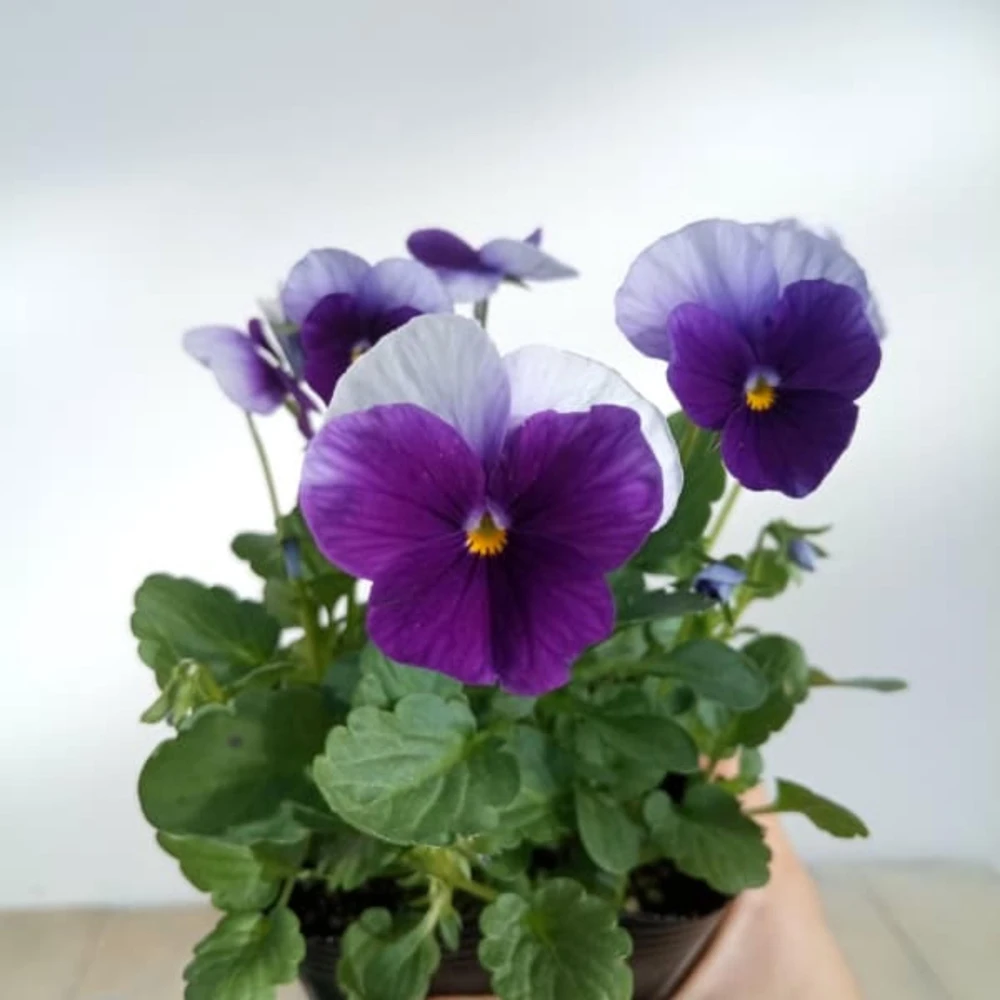
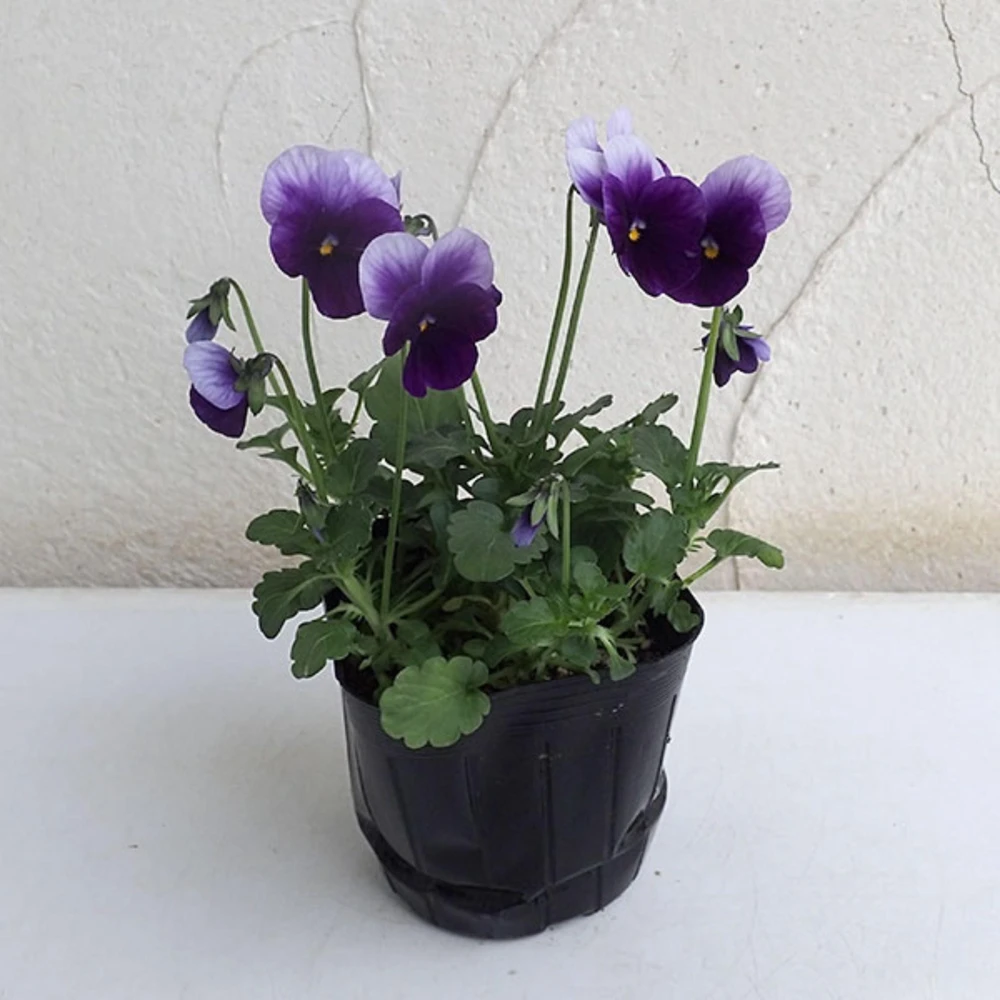
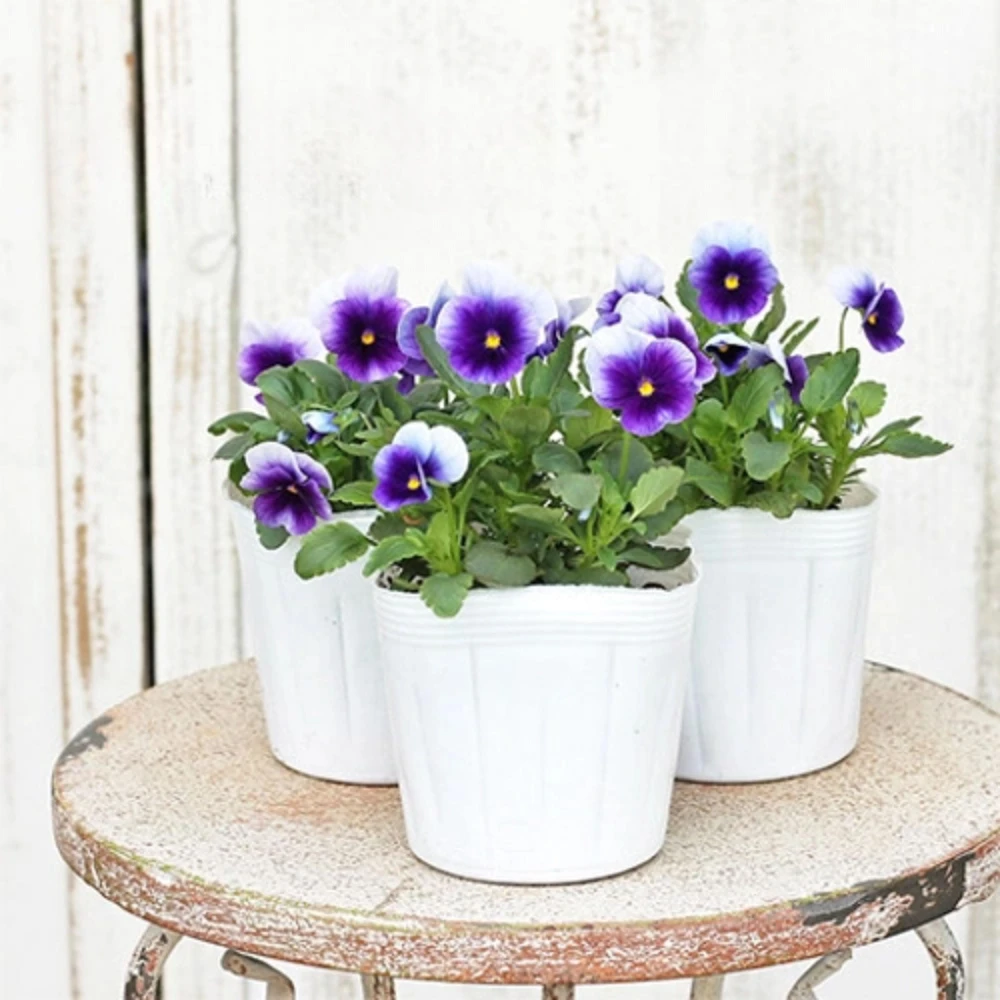
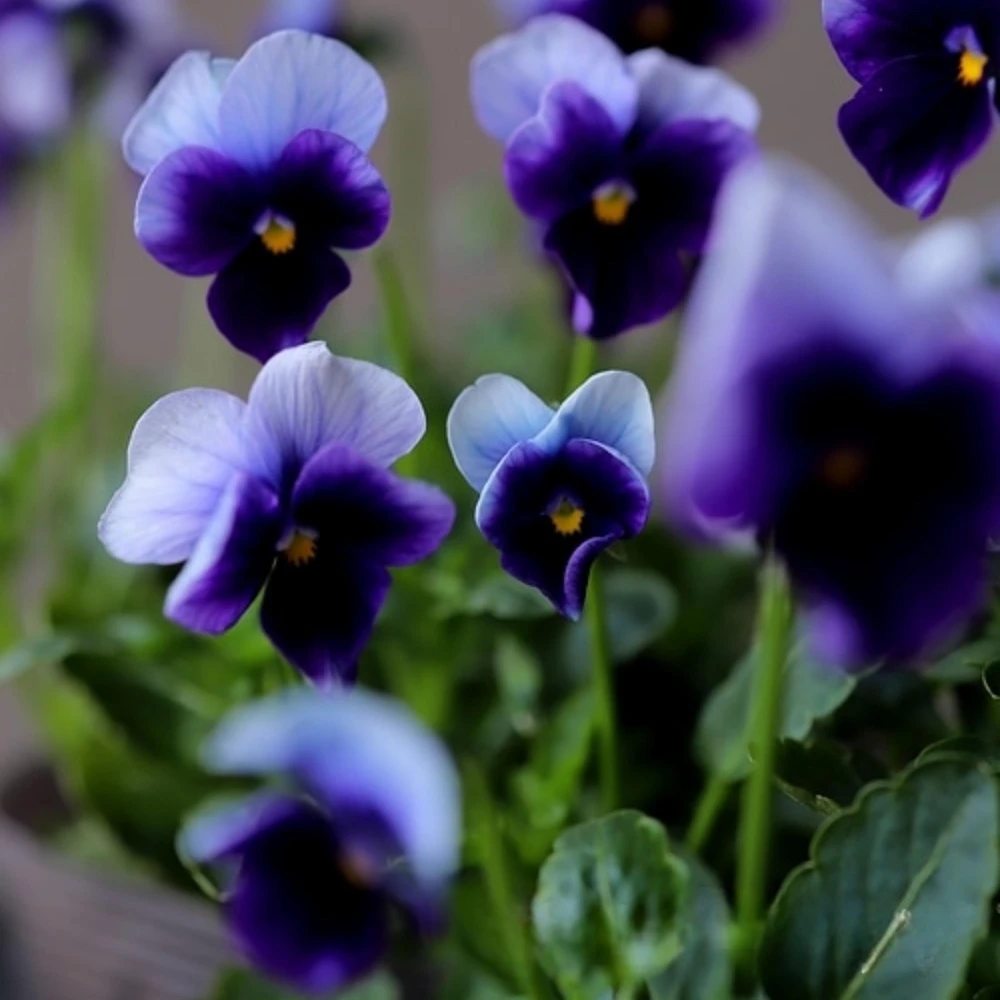
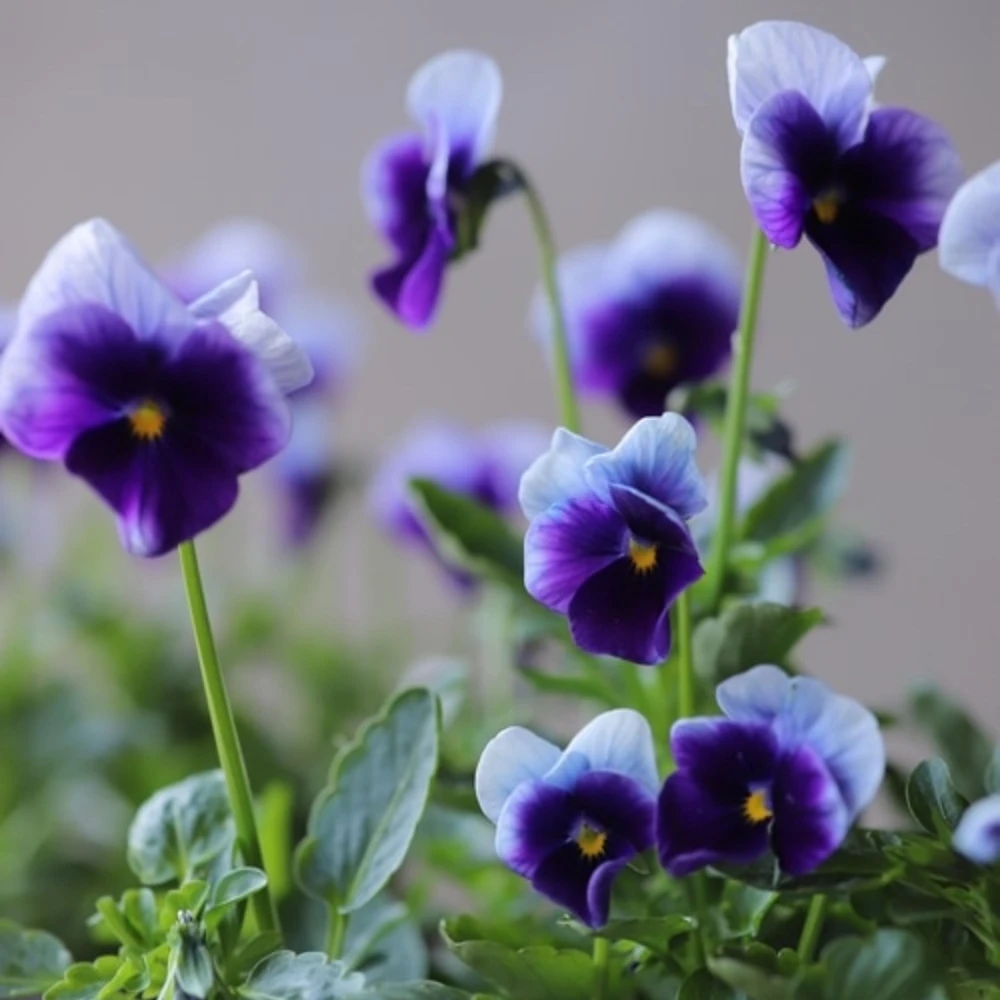
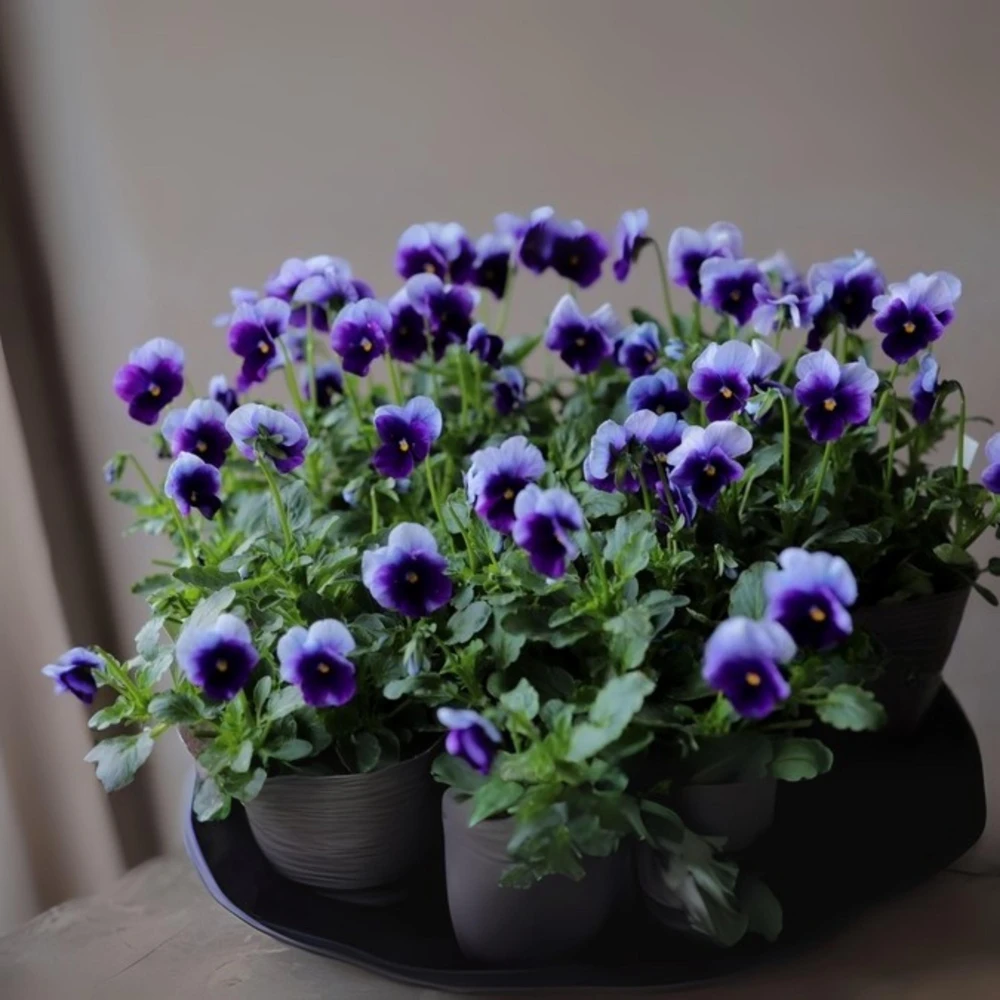
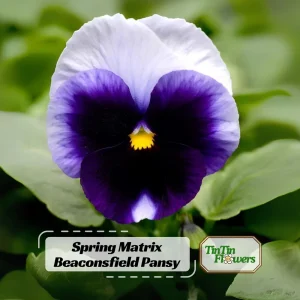
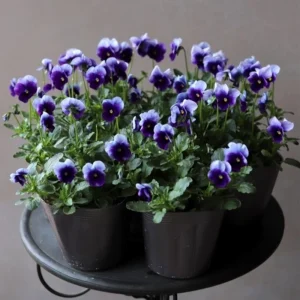
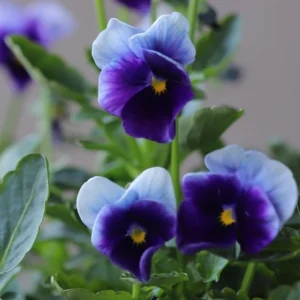
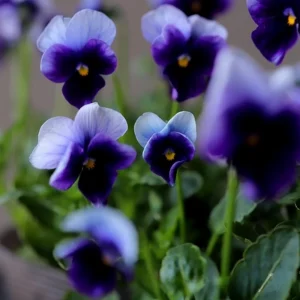
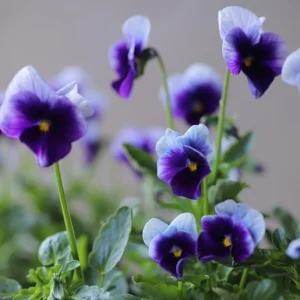
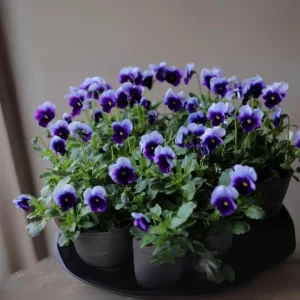
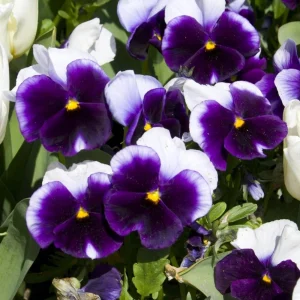
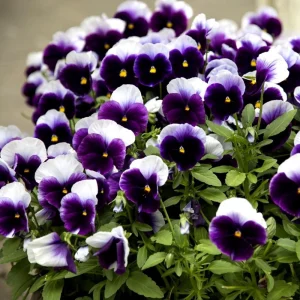
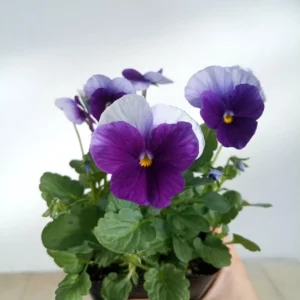
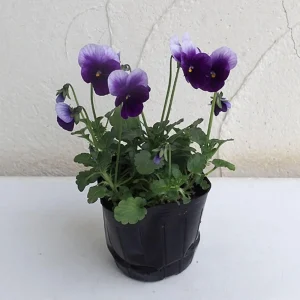
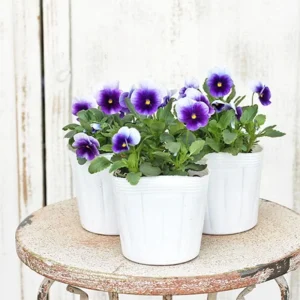
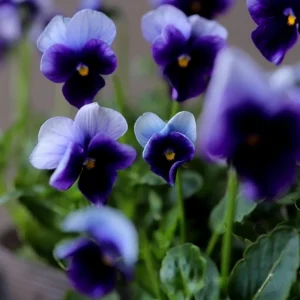
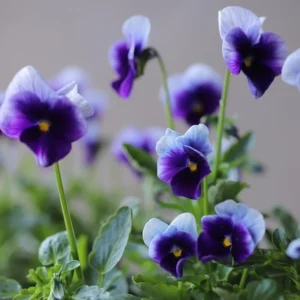
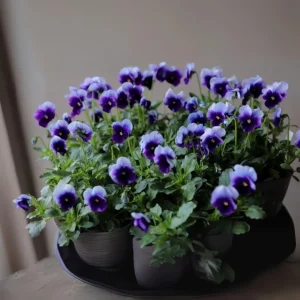
Introduce a splash of vibrant color to your garden with Pansy Beaconsfield seeds. This exceptional variety, known botanically as Viola × wittrockiana, offers dramatic, eye-catching contrast with its unique deep violet-purple upper petals and pale yellow lower petals. Perfect for cool-season gardens, these purple yellow pansy blooms create a captivating two-tone effect that stands out in mass plantings, containers, and window boxes. Each packet contains 25 untreated, non-GMO seeds, ready to transform your outdoor space. These pansies are renowned for their uniformity and weather resistance, making them a top choice for gardeners seeking reliable early spring and fall color.
Key Benefits
Growing Pansy Beaconsfield seeds offers numerous advantages for both seasoned gardeners and beginners alike. Their striking appearance and robust nature make them a garden favorite.
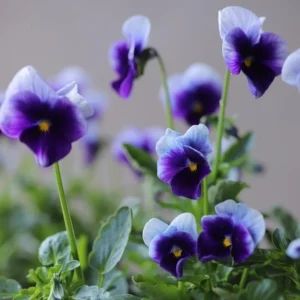
- Dramatic Bicolor Blooms: Enjoy large, velvety flowers up to 3 inches wide, featuring a stunning violet-purple and soft yellow combination that provides exceptional visual interest.
- Cool-Season Performance: These pansies thrive in cooler temperatures, making them perfect for extending your garden’s color into fall, winter (in mild zones), and early spring.
- Uniform Growth: Known for their consistent blooming and growth habit, ensuring a tidy and harmonious display whether planted in beds or containers.
- Versatile Planting: Excellent for various applications, including garden beds, borders, patio pots, hanging baskets, and window boxes, adding charm wherever they grow.
- Pollinator-Friendly: The cheerful blooms attract early-season pollinators like bees and butterflies, contributing to a healthy garden ecosystem.
- Easy to Grow from Seed: With clear instructions provided, even novice gardeners can successfully germinate and grow these beautiful Matrix pansy seeds.
- Untreated & Non-GMO: Cultivate with confidence knowing you are planting untreated, non-genetically modified seeds, promoting natural and healthy growth.
Plant Care & Growing Tips
Understanding how to grow pansy seeds successfully is key to enjoying their full beauty. Pansy Beaconsfield seeds are relatively easy to cultivate with the right care. For indoor planting, sow seeds 10-12 weeks before the last expected frost for spring blooms. Use a good quality seed-starting mix and sow seeds on the surface, pressing gently. Pansy seeds require darkness to germinate, so cover them lightly with vermiculite or a plastic dome. Maintain a temperature of 65–70°F (18–21°C); germination typically occurs in 10-14 days. For outdoor planting, sow in late summer to early fall in mild climates. Prepare a well-drained bed and keep the soil consistently moist, shading lightly until seedlings emerge.
Once seedlings develop 2-3 sets of true leaves, they are ready for transplanting. Harden off indoor-started plants before moving them outdoors. Space plants 6-8 inches apart. These pansies prefer full sun to partial shade, especially in warmer climates where some afternoon shade can prevent wilting. Keep the soil consistently moist but well-drained; avoid waterlogging. Fertilize lightly every 2-3 weeks with a balanced liquid feed to encourage continuous blooming. Deadhead spent flowers regularly to promote new blooms and extend the flowering season. These cool season pansy plants are generally hardy in USDA Zones 6–10 as annuals, preferring temperatures that avoid extreme heat or prolonged hard freezes.
Size & Details
Each packet contains 25 untreated, non-GMO Pansy Beaconsfield seeds, ensuring a generous supply for your planting needs. When mature, these plants typically reach a height of 6–8 inches (15–20 cm), forming compact mounds of foliage adorned with abundant blooms. The individual flowers are impressively large, measuring up to 3 inches in diameter, showcasing their distinctive violet-purple and soft yellow bicolor petals. These pansies are annuals and are best grown as cool-season bloomers, providing vibrant color in fall, through mild winters, and into early spring. They are perfect for creating a low-growing, colorful display that ships as a seed packet, complete with detailed growing instructions.
Frequently Asked Questions
- Q: How large do Beaconsfield Pansies grow? A: Pansy Beaconsfield seeds will mature into plants that typically reach 6–8 inches (15–20 cm) in height with a similar spread. The individual flowers can be up to 3 inches wide, creating a significant visual impact.
- Q: What are the sunlight requirements for these pansies? A: These pansies perform best in full sun to partial shade. In hotter climates, partial shade, especially in the afternoon, can help prolong their blooming period and prevent stress.
- Q: Is this plant easy to care for, especially for beginners? A: Yes, growing Pansy Beaconsfield seeds is considered relatively easy. With proper sowing and consistent moisture, they are quite forgiving and rewarding for gardeners of all experience levels.
- Q: What condition will the seeds arrive in? A: You will receive 25 untreated, non-GMO Pansy Beaconsfield seeds in a clearly labeled packet, accompanied by full growing instructions to ensure successful cultivation.
- Q: When is the best time to plant Pansy Beaconsfield seeds? A: For spring blooms, start seeds indoors 10–12 weeks before the last frost. For fall and winter color, sow outdoors in late summer to early fall in mild climates.
- Q: What kind of soil do these pansies prefer? A: Cool season pansy plants thrive in moist, well-drained, and fertile soil. Ensuring good drainage is crucial to prevent root rot.
- Q: Will these pansies attract pollinators to my garden? A: Yes, the vibrant blooms of the purple yellow pansy are known to attract early-season pollinators such as bees and butterflies, making them a great addition to a pollinator-friendly garden.
- Q: Can I grow these pansies in containers? A: Absolutely! The compact growth habit and striking blooms make Pansy Beaconsfield seeds an excellent choice for containers, patio pots, window boxes, and hanging baskets.
- Q: Do I need to deadhead these pansies? A: Yes, regularly deadheading spent flowers will encourage the plant to produce more blooms and extend its flowering season, ensuring continuous color.
- Q: What USDA Zones are suitable for these pansies? A: These pansies are typically grown as annuals in USDA Zones 6–10, flourishing in cool-season conditions.


Reviews
There are no reviews yet.