Overview
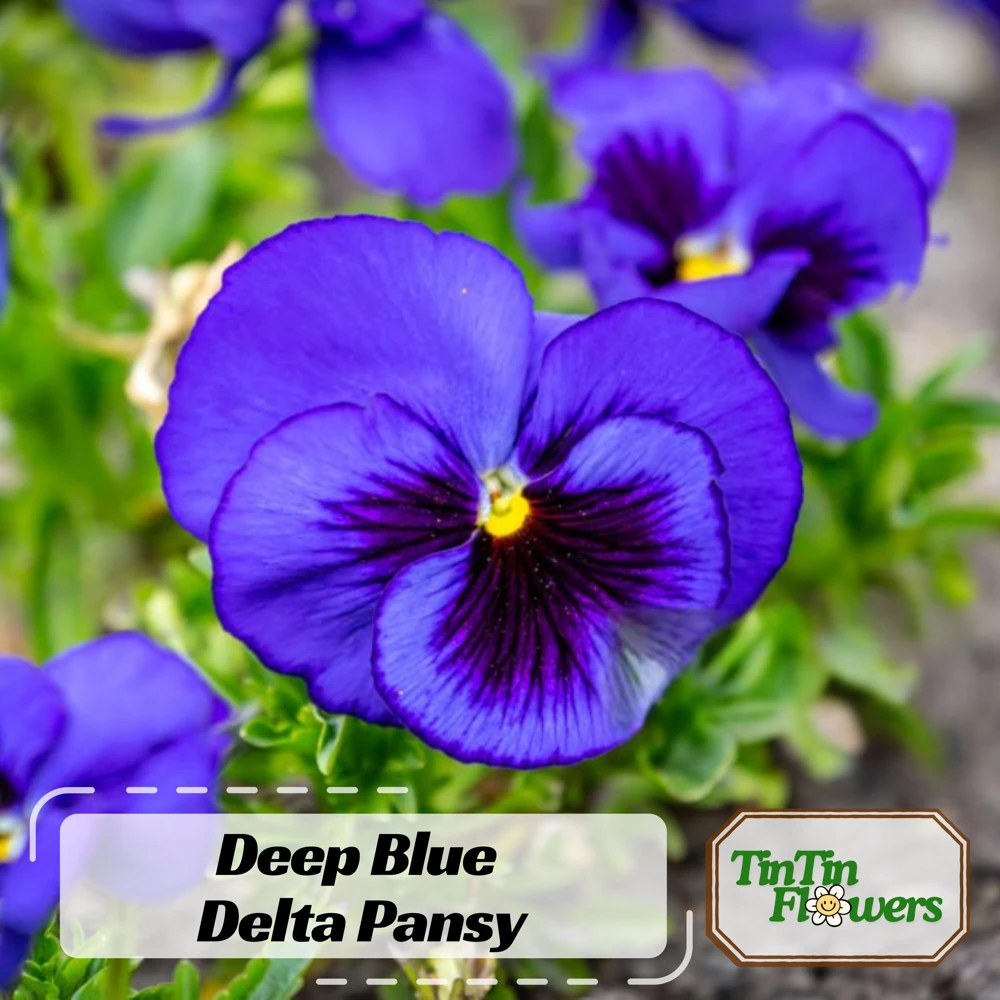
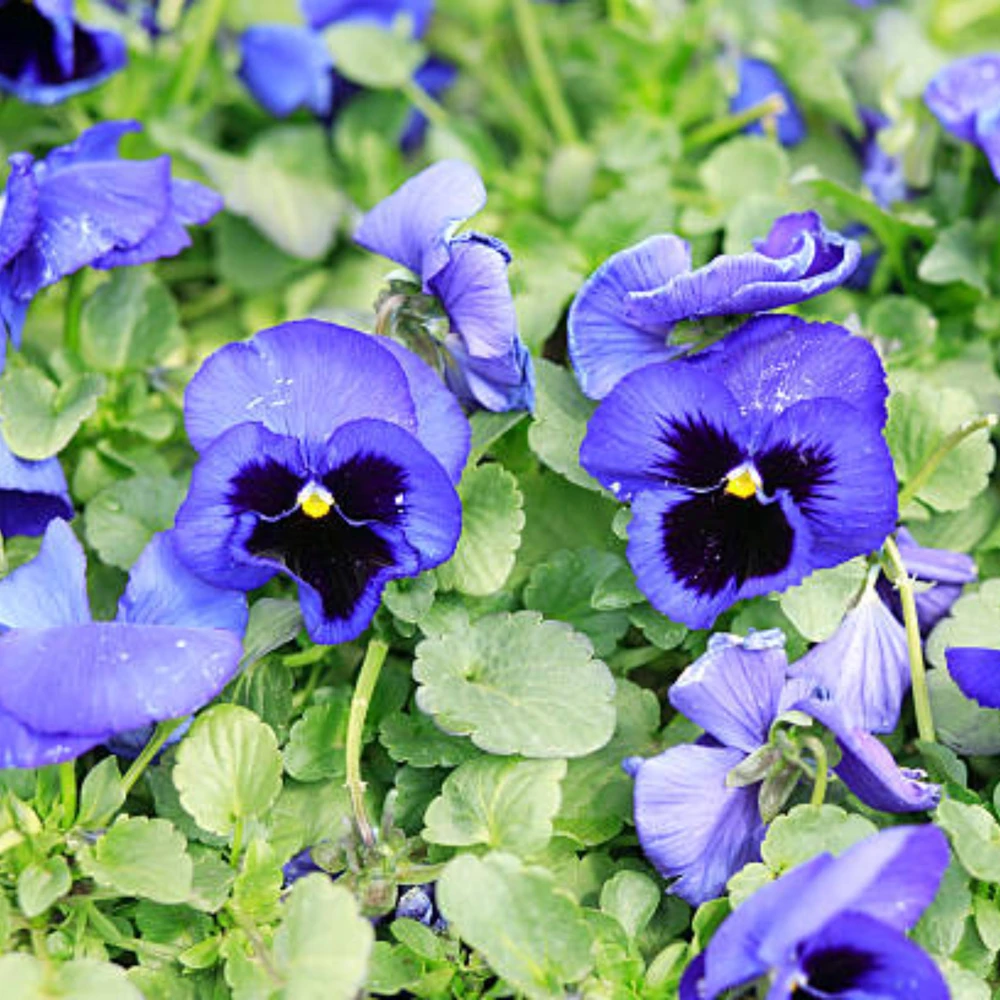
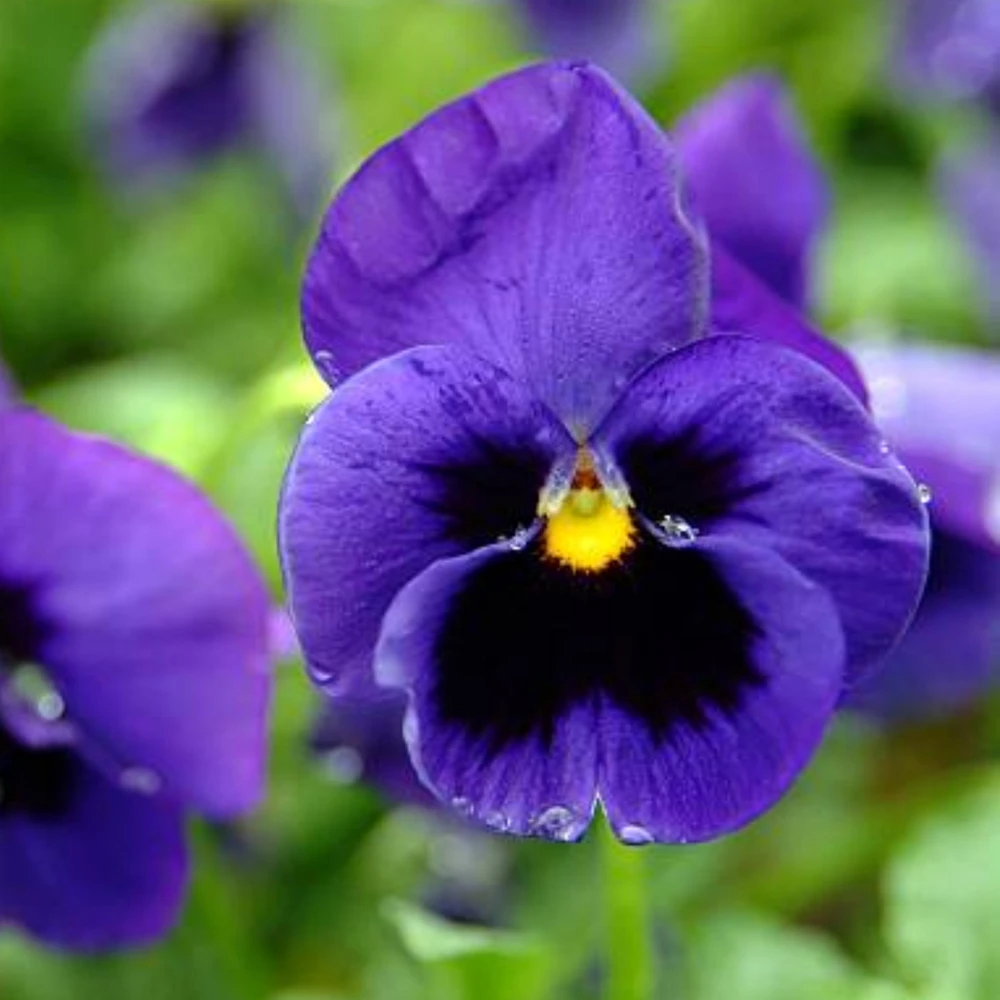
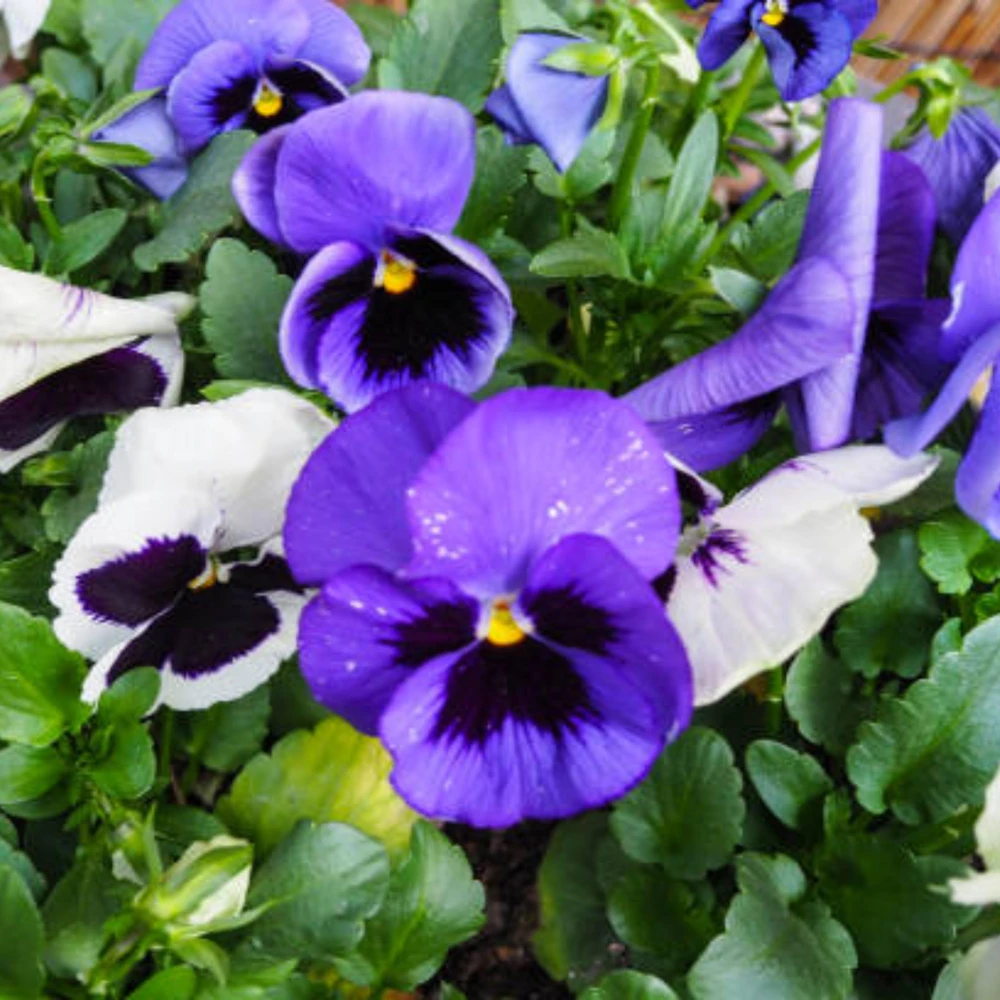
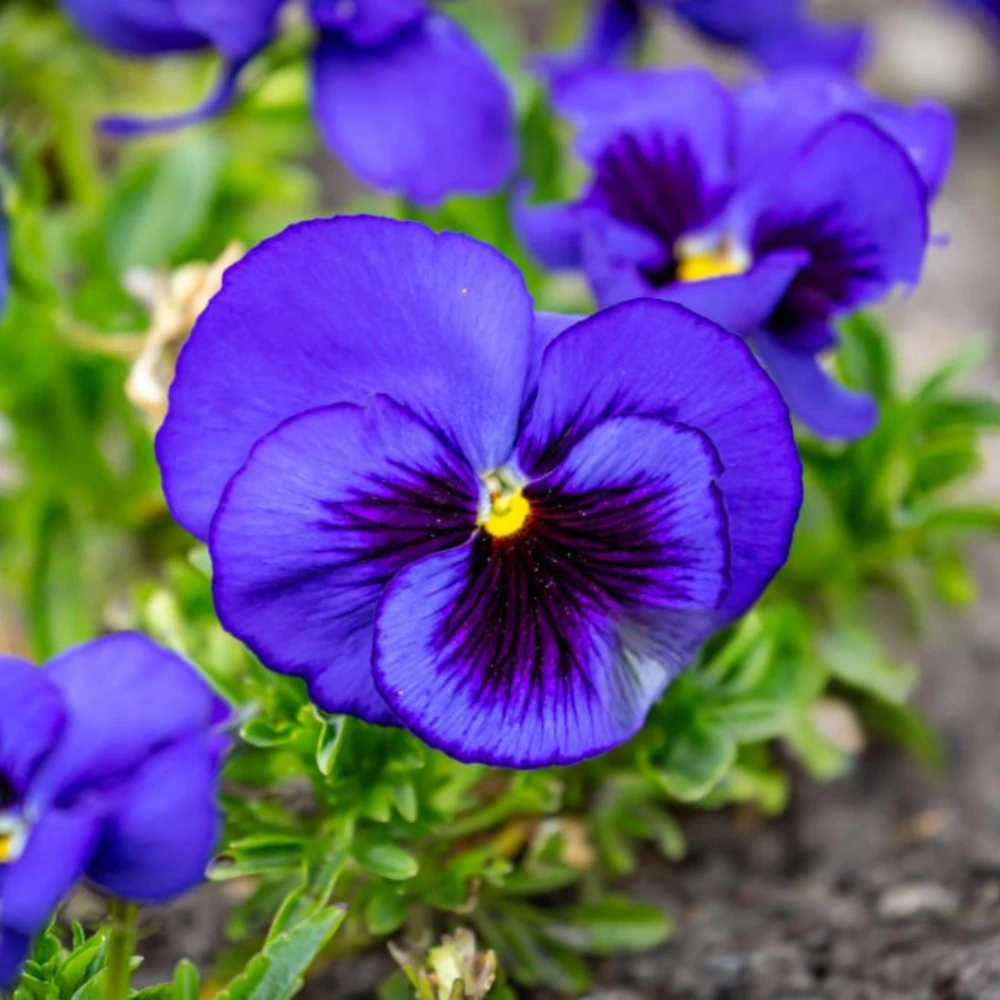
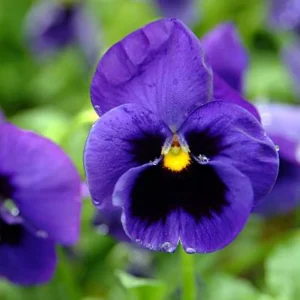
Embark on a delightful gardening journey with our premium pansy seeds, specifically the Deep Blue Delta variety. These exceptional seeds are perfect for gardeners looking to introduce vibrant, deep blue hues into their flower beds, containers, or borders. Pansies are beloved for their cheerful, ‘face-like’ petals and their ability to thrive in cooler temperatures, making them a fantastic choice for early spring or fall displays. Our deep blue pansy seeds are open-pollinating, ensuring that you can save seeds from your healthiest plants for future generations, preserving the genetic integrity of this beautiful flower. Each packet contains 25 pansy seeds, providing ample opportunity to cultivate a lush and colorful display. These seeds are also noted for being cold-resistant and self-pollinating, making them a resilient and low-maintenance option for both novice and experienced gardeners.
The Deep Blue Delta Pansy is a robust choice for various climates, offering draft resistance and a strong growth habit. Whether you’re planning to direct sow or start indoors, these pansy seeds are designed for successful germination and vigorous growth. Their ability to self-pollinate further simplifies the gardening process, as you won’t need to worry about manual pollination to achieve a bountiful bloom. Experience the joy of watching these stunning flowers unfold, bringing a touch of elegance and charm to any garden space.
Key Benefits
Our deep blue pansy seeds offer a multitude of advantages for any gardener, providing both aesthetic appeal and practical benefits for your outdoor spaces. These resilient flowers are a superb addition to any landscape.
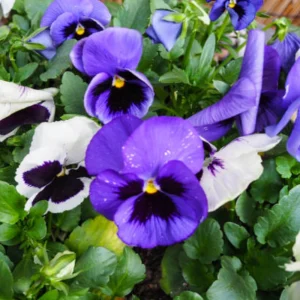
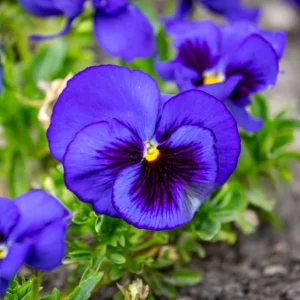
- Vibrant Deep Blue Blooms: Enjoy stunning, rich blue flowers that create a captivating visual impact in your garden, offering a unique and sophisticated color palette.
- Cold Resistant: These pansies are bred to withstand cooler temperatures, extending their blooming season and allowing for earlier spring or later fall planting compared to more delicate varieties.
- Open-Pollinating: The open-pollinating nature of these pansy seeds means you can collect and save seeds from your plants to grow new flowers next season, promoting sustainable gardening practices.
- Self-Pollinating: With their self-pollinating characteristic, these pansies simplify the growing process, ensuring reliable seed production and consistent blooms without external intervention.
- Draft Resistant: The robust nature of these plants makes them resilient against wind and drafts, ensuring they maintain their beauty even in exposed locations.
- Versatile Planting: Perfect for containers, borders, ground cover, or mass plantings, these pansies adapt well to various garden designs and spaces.
- Easy to Grow: Ideal for gardeners of all experience levels, growing pansy seeds is a straightforward and rewarding process, yielding beautiful results with minimal fuss.
Plant Care & Growing Tips
Successful cultivation of pansy seeds begins with understanding their specific needs. Pansies thrive in conditions that mimic their natural cool-weather preferences. For optimal growth and prolific blooms, consider both indoor starting and direct sowing methods, depending on your climate. In cooler climates (Zones 6-8), you can start seeds indoors in late summer for beautiful fall blooms, or direct sow in early spring for summer flowering. Warmer climates (Zones 9-11) benefit from sowing in fall for winter and early spring blooms. When starting indoors, begin 8–10 weeks before the last frost, using a light, well-draining seed starting mix. Lightly press the seeds onto the soil surface; do not cover deeply as pansy seeds require darkness to germinate. Maintain a temperature of 65–70°F (18–21°C) and cover the tray with newspaper or a blackout dome until germination, which typically takes 10–14 days. This meticulous approach to growing pansy seeds ensures a strong start for your plants.
Once established, pansies require consistent care to flourish. They prefer full sun to partial shade, with afternoon shade being beneficial in hotter climates to prevent wilting. The ideal soil is loamy, moist, but well-drained, enriched with compost, and has a pH of 6.0–7.0. Space transplanted seedlings 6–9 inches apart. Watering should be consistent, keeping the soil moist but not soggy, always watering at the base of the plant to prevent fungal issues. Fertilize every 2–3 weeks with a balanced, water-soluble fertilizer to support continuous blooming. Deadheading, the removal of faded flowers, is crucial for encouraging new blooms and preventing the plant from going to seed too early. Mulching around the base of the plants helps retain soil moisture and keeps roots cool, especially in warmer weather. Watch out for common pests like aphids and snails, and diseases such as powdery mildew; good air circulation is key to prevention. These practices will help your cold resistant pansy plants thrive.
Size & Details
Each packet of our pansy seeds contains 25 high-quality seeds, ready to be sown and cultivated into beautiful flowering plants. When mature, pansy plants typically reach a height of 6-9 inches and spread similarly, creating a compact yet impactful display. These seeds are suitable for various planting methods, including direct sowing or starting indoors, providing flexibility for your gardening schedule. Expect germination within 10-14 days under ideal conditions, with blooms typically appearing within 8-10 weeks after transplanting. These open-pollinating seeds ensure genetic consistency, allowing you to save seeds for future seasons. The plants are robust and resilient, offering a long blooming period from early spring through fall, depending on your local climate and planting time. They are particularly known for their cold-resistant properties, making them a reliable choice for extending your garden’s color into cooler months.
Frequently Asked Questions
- Q: How big do these pansy plants get? A: These pansy plants typically grow to a height of 6-9 inches and have a similar spread, making them ideal for borders, containers, or ground cover. Their compact size allows for versatile placement in your garden.
- Q: Is this an indoor or outdoor plant? A: Pansies are primarily outdoor plants, thriving in garden beds, containers, and hanging baskets. While they can be started indoors, they are best suited for outdoor cultivation once established.
- Q: How much sunlight does the cold resistant pansy need? A: Pansies prefer full sun to partial shade. In hotter climates, providing some afternoon shade can help protect them from intense heat and prolong their blooming period.
- Q: Is this plant easy to care for? A: Yes, these pansy seeds are considered relatively easy to grow, making them suitable for gardeners of all skill levels. Consistent watering and deadheading are key to their success.
- Q: What condition will the seeds arrive in? A: The deep blue pansy seeds will arrive in a protective packet, ensuring their viability and freshness. Each packet contains 25 seeds, ready for planting.
- Q: How long until these pansy seeds bloom? A: After successful germination, you can expect the pansy plants to start blooming approximately 8-10 weeks after transplanting, provided they receive proper care and ideal growing conditions.
- Q: When is the best time for growing pansy seeds? A: For cooler climates (Zones 6-8), plant in late summer for fall blooms or early spring for spring/summer blooms. In warmer climates (Zones 9-11), sow in fall for winter and early spring blooms.
- Q: What are the ideal soil conditions for these pansies? A: Pansies thrive in loamy, moist, but well-drained soil that is enriched with compost. A soil pH between 6.0 and 7.0 is optimal for healthy growth.
- Q: Will these pansies survive winter in my zone? A: These pansies are cold-resistant, making them more tolerant of cooler temperatures. In frost-prone areas, applying mulch or bringing potted plants indoors during severe cold snaps can help them overwinter.
- Q: Can I save seeds from these plants for next year? A: Yes, these are open-pollinating pansy seeds, which means you can collect seeds from your mature plants to sow in subsequent seasons, maintaining the desirable traits of the Deep Blue Delta variety.


Reviews
There are no reviews yet.