Overview
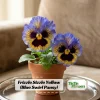
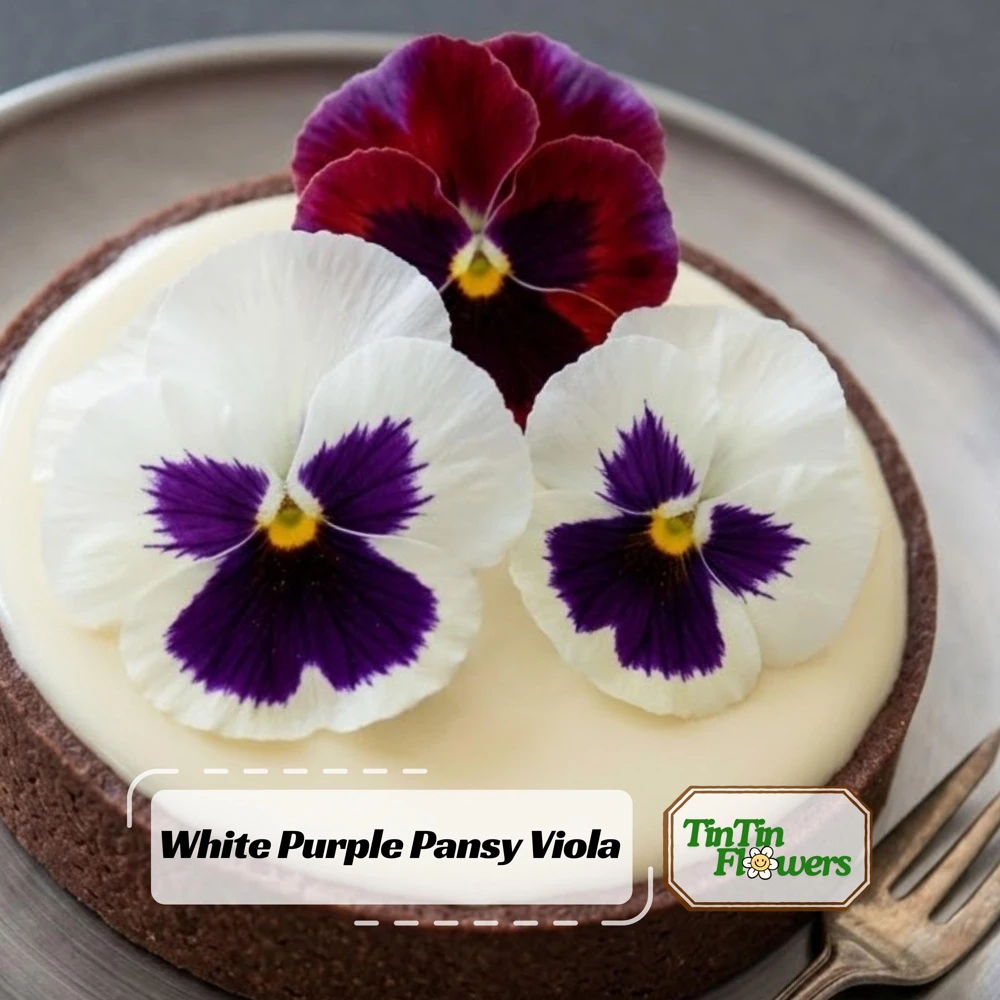
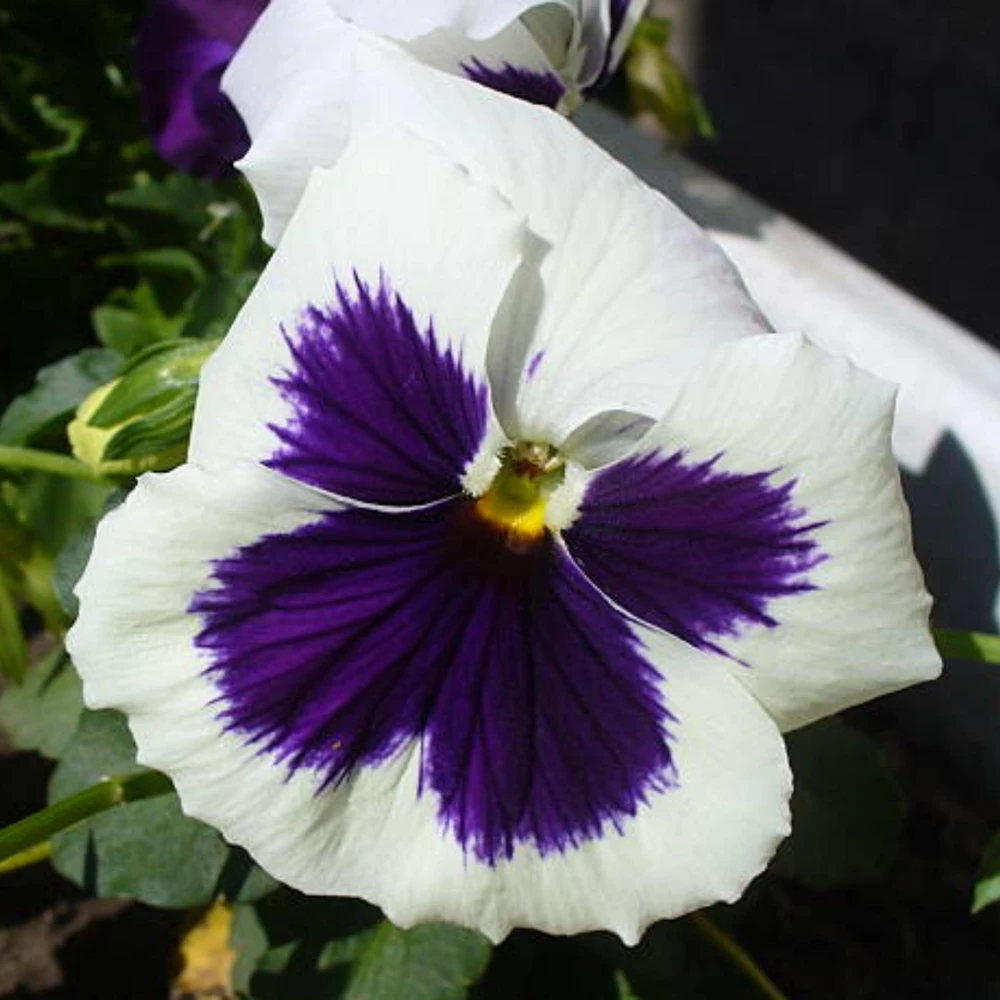
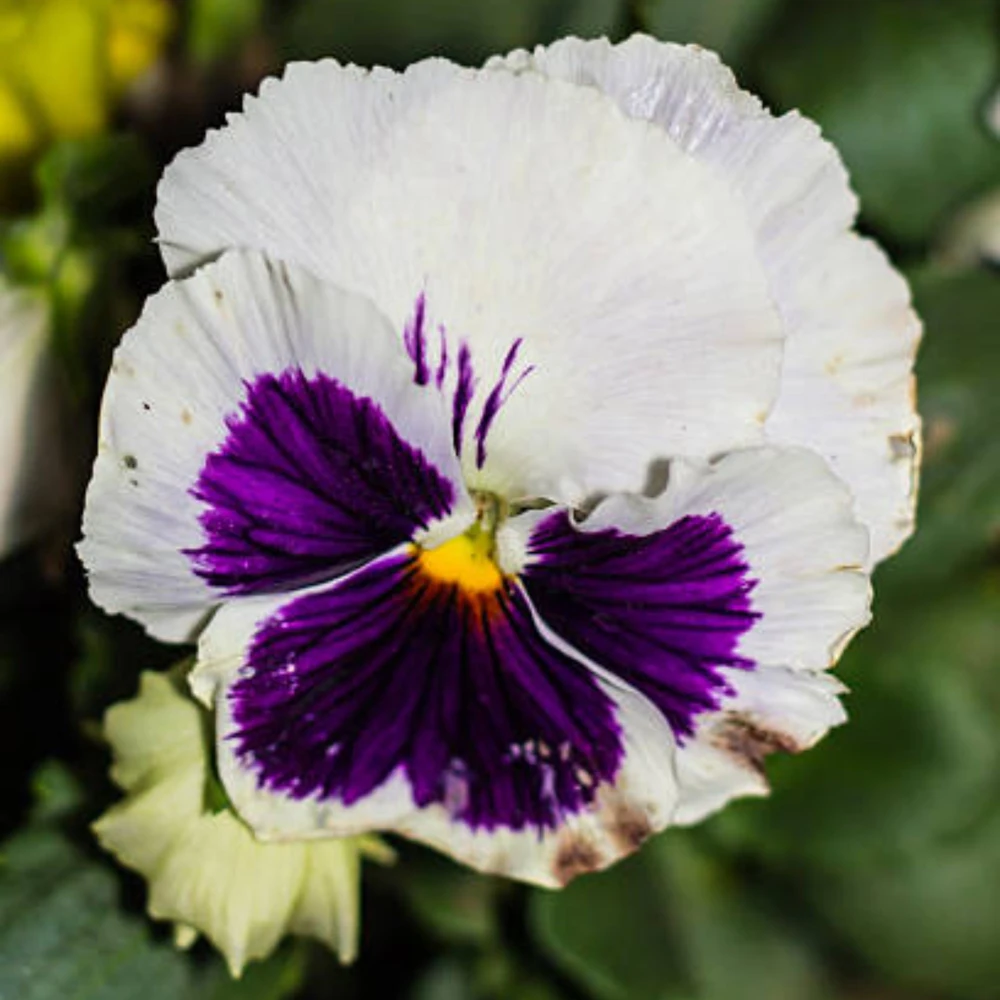
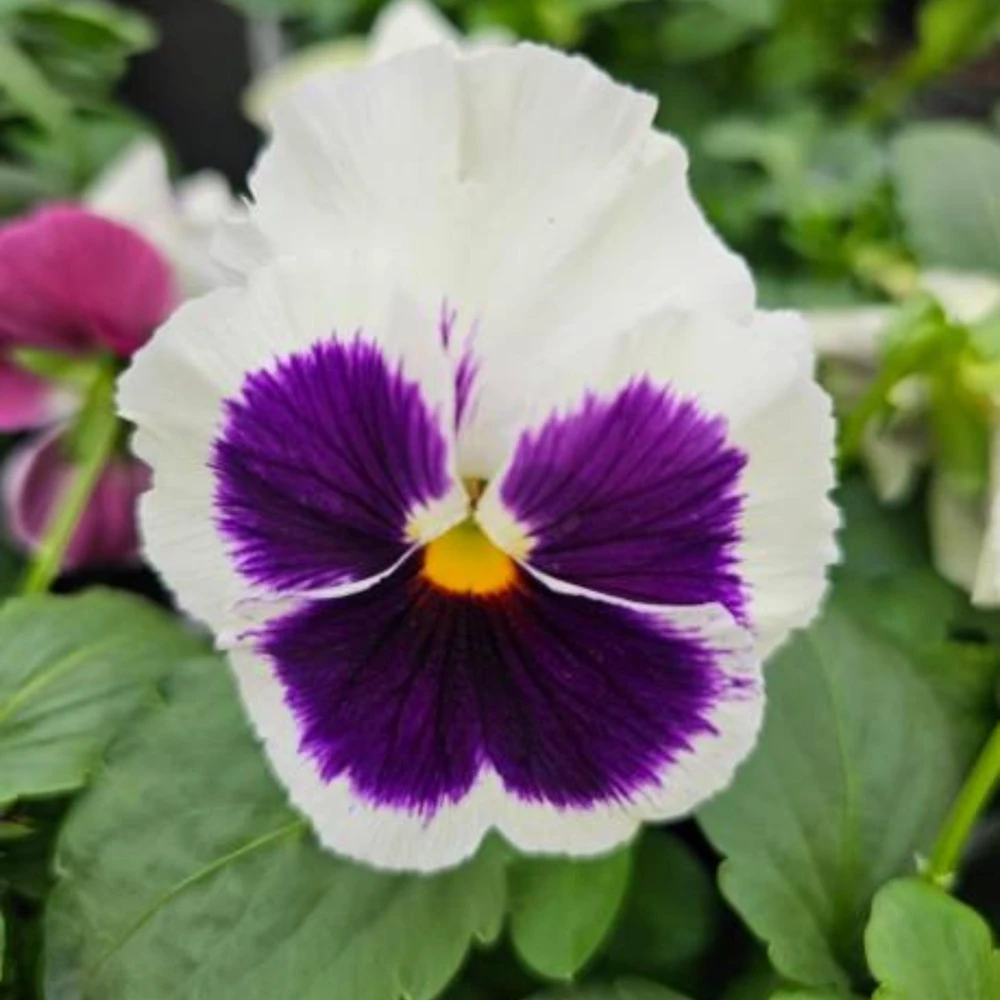
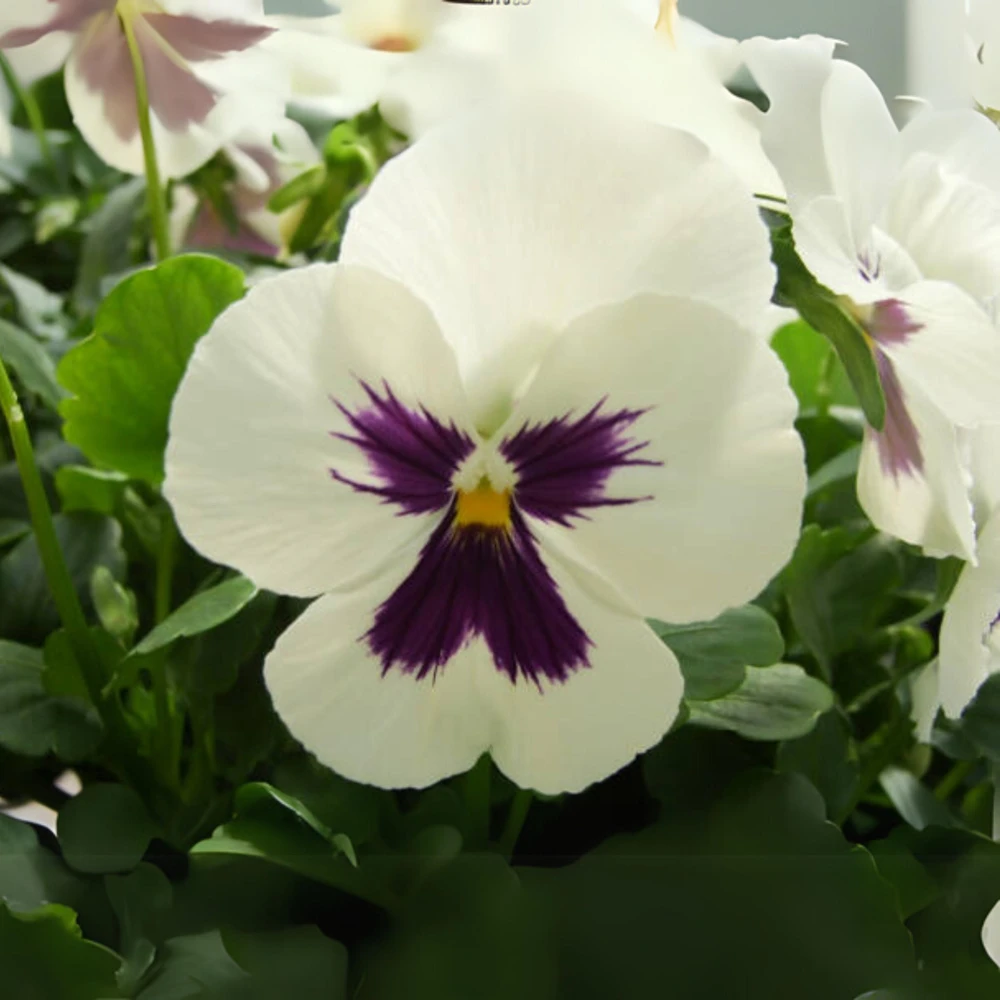
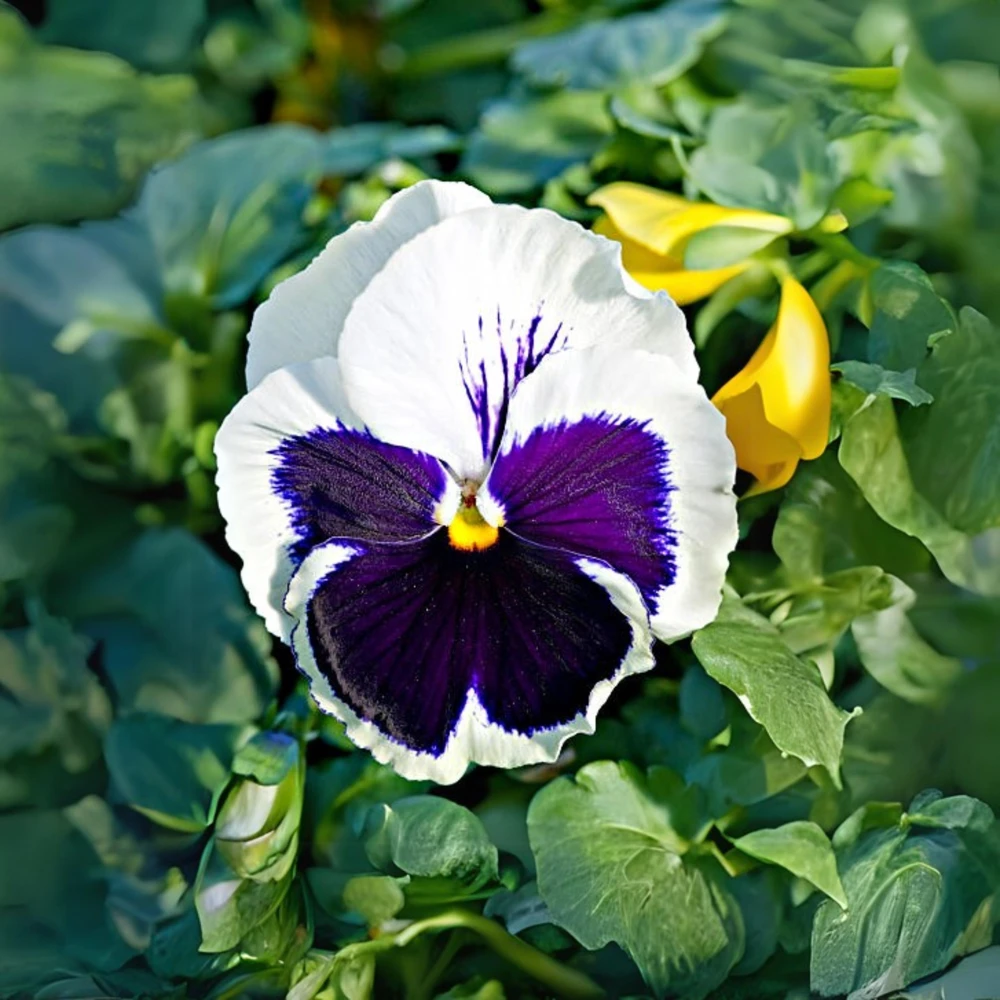
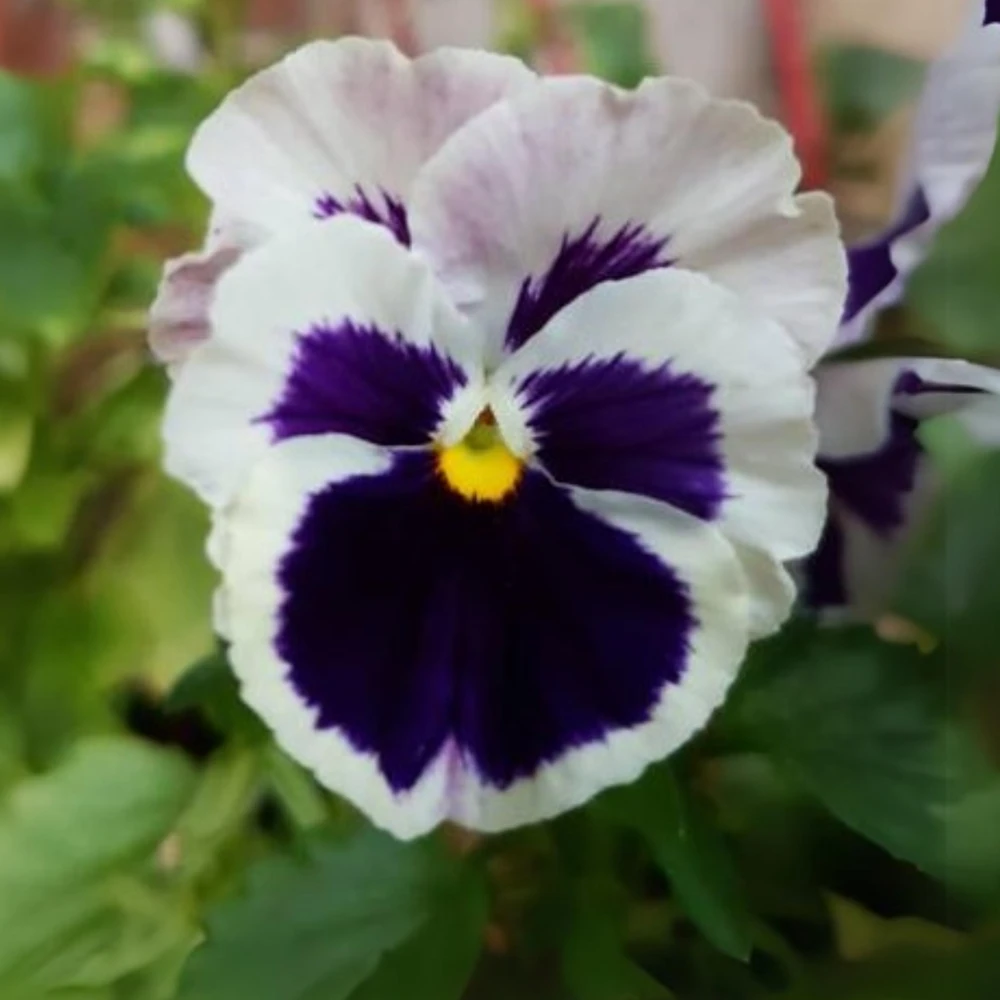
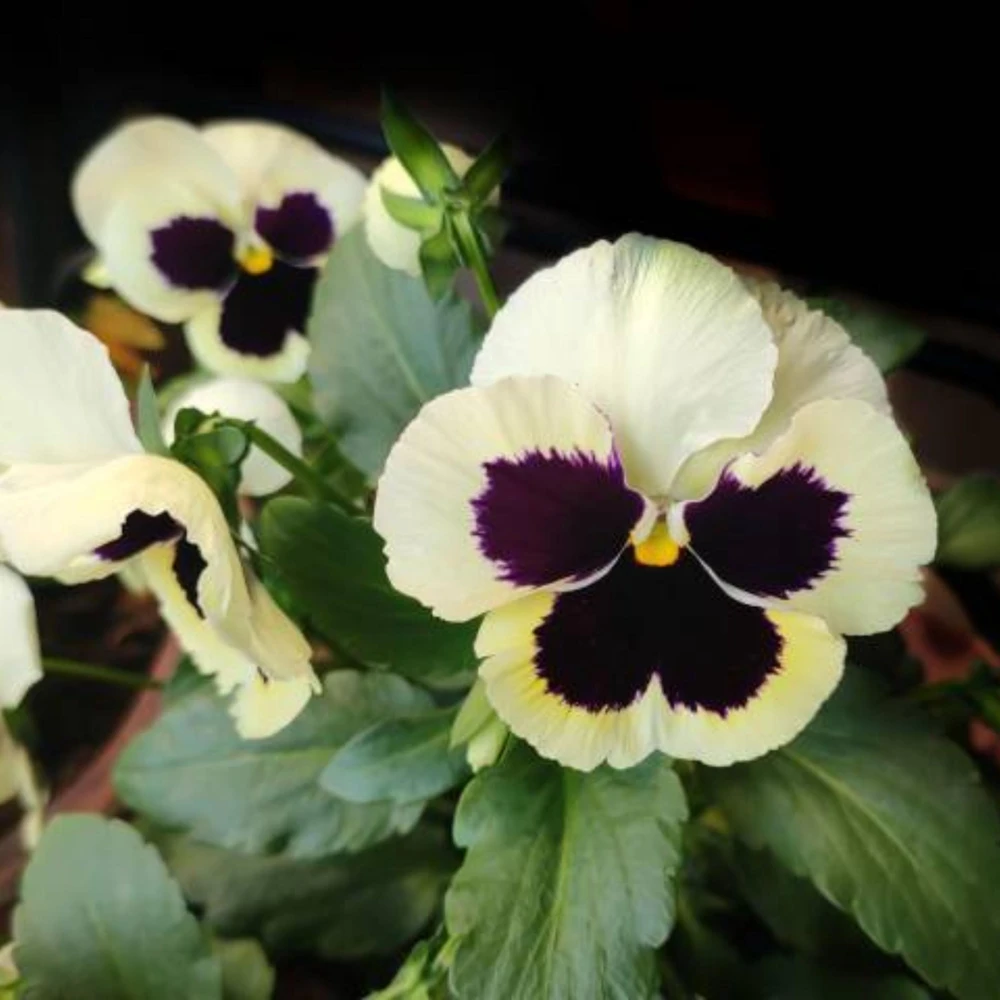
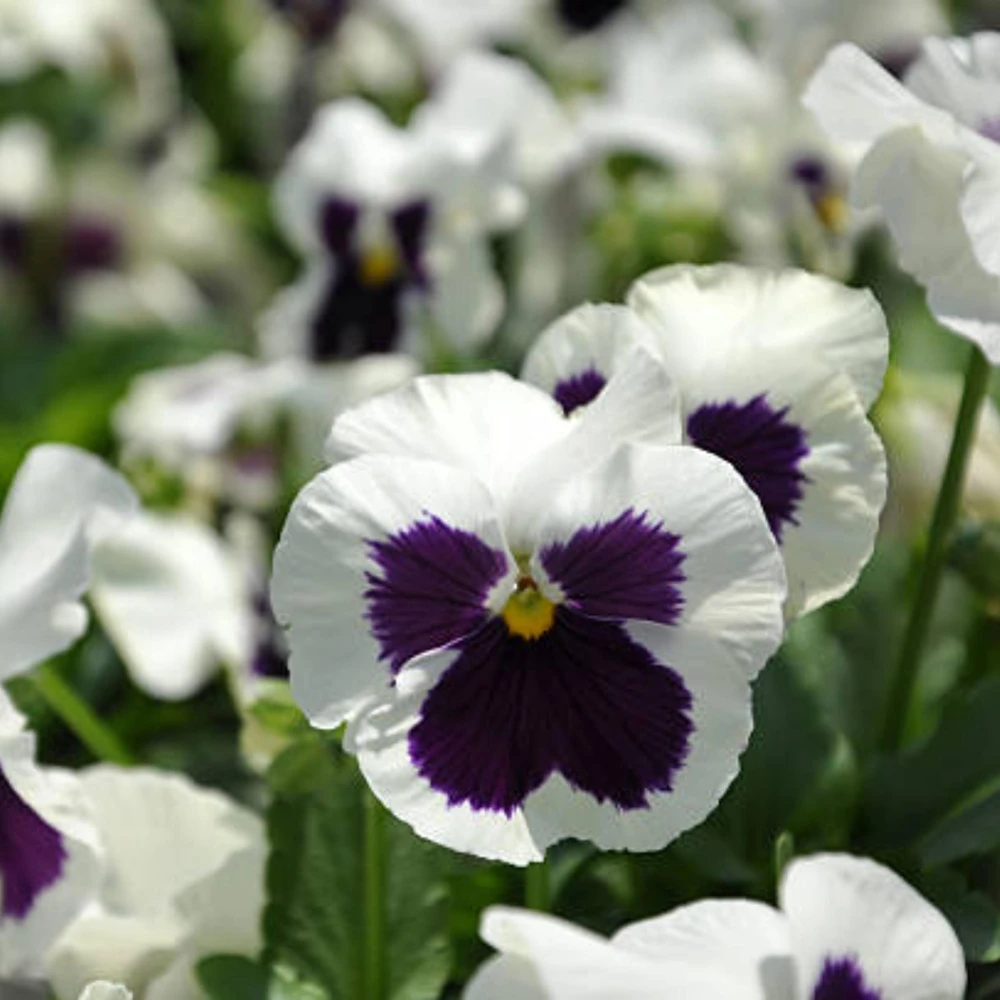
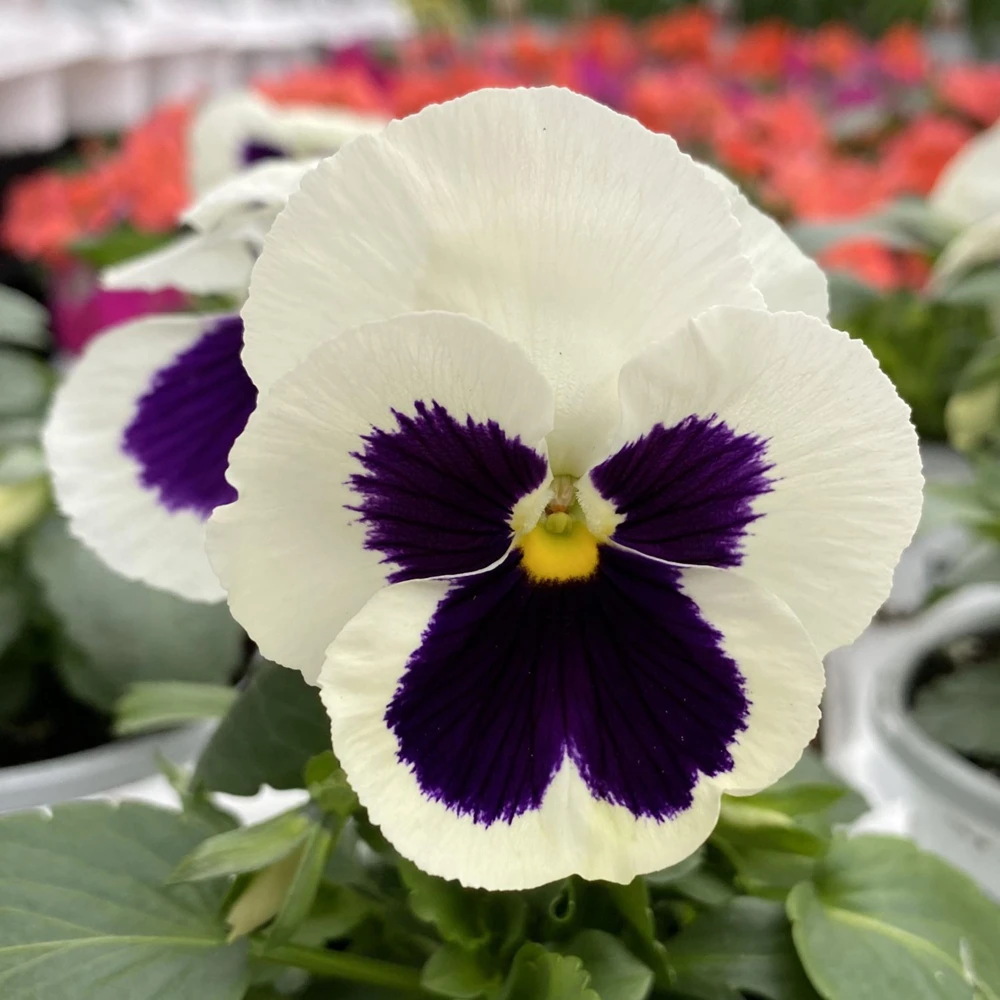
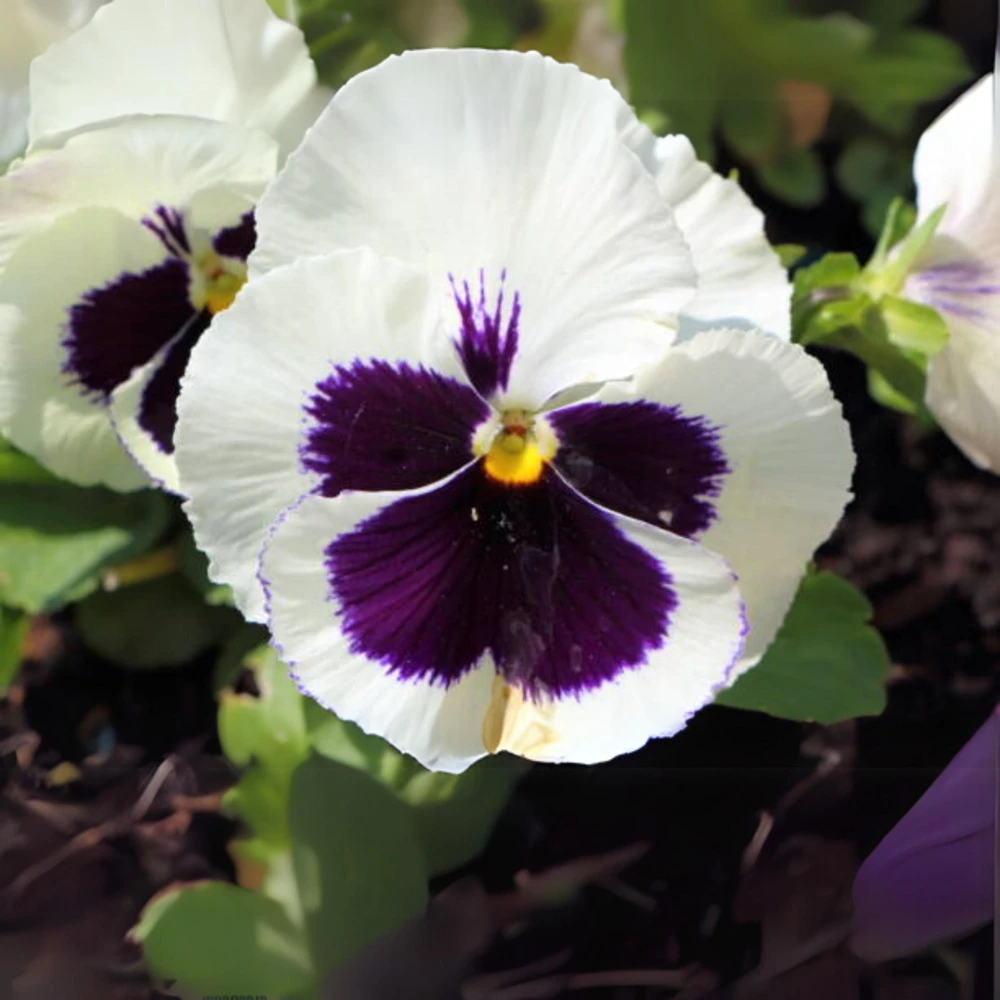
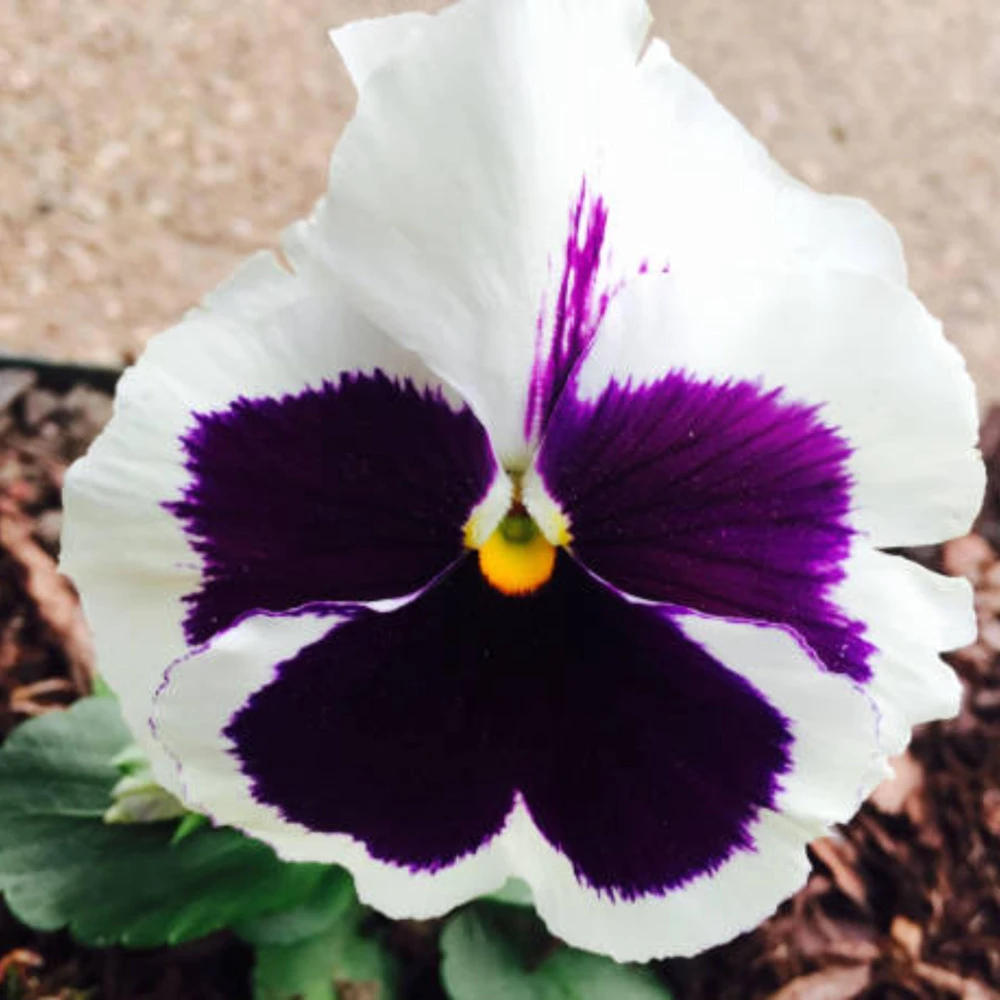
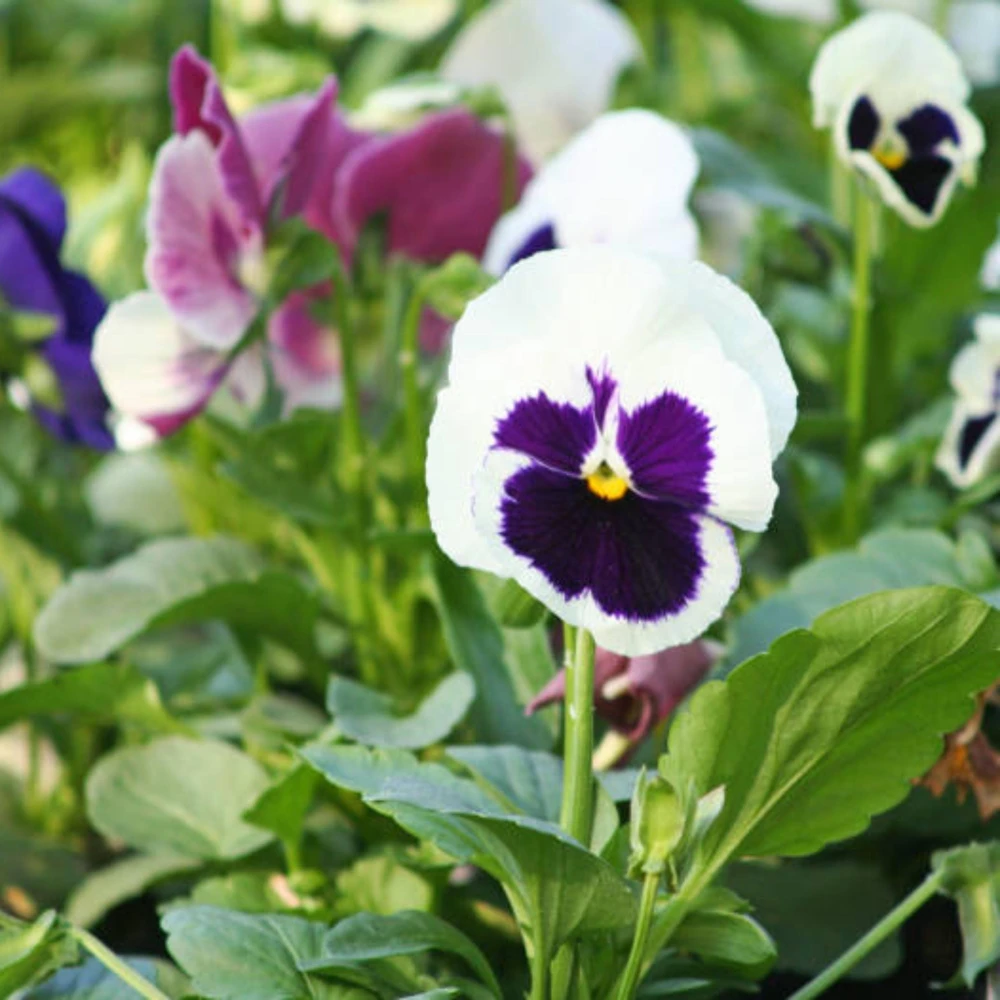
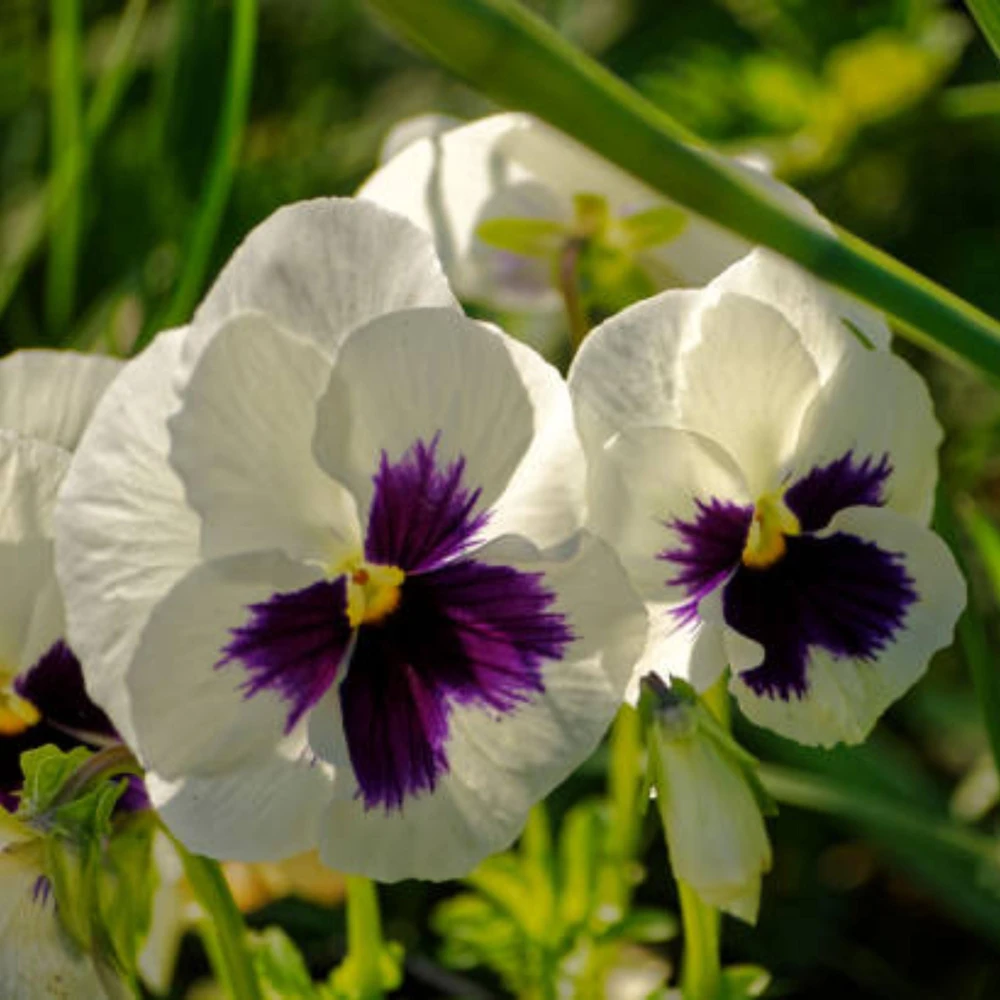
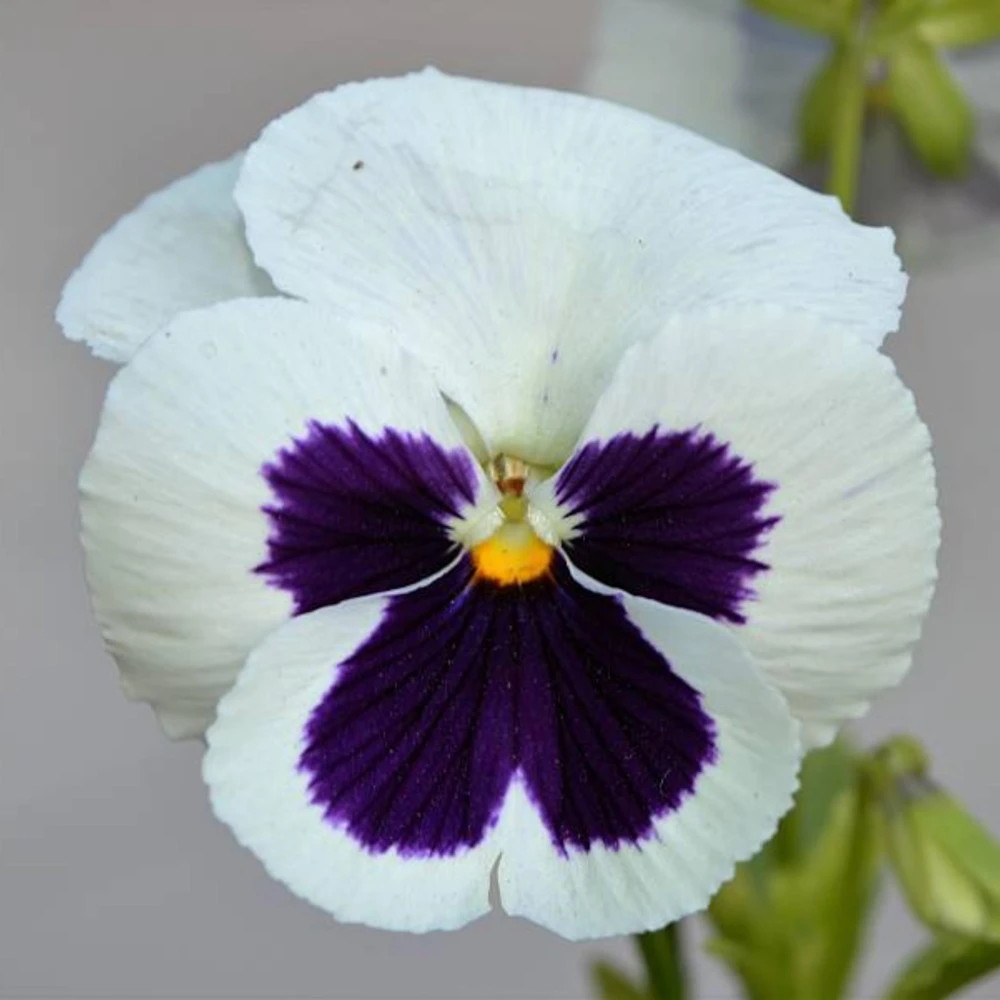
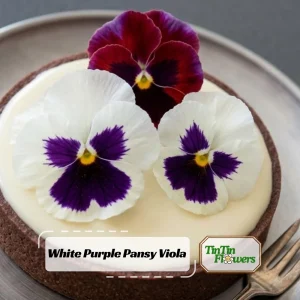
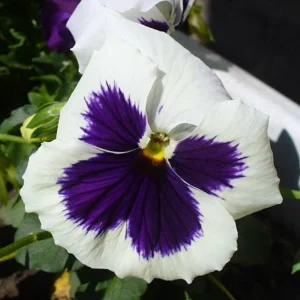
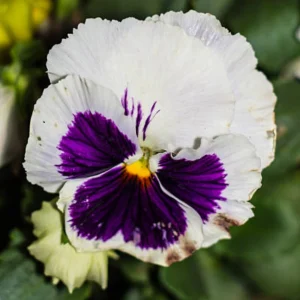
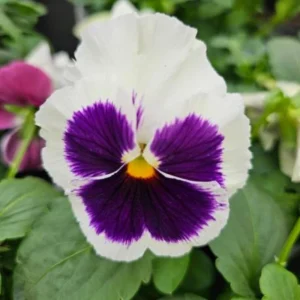
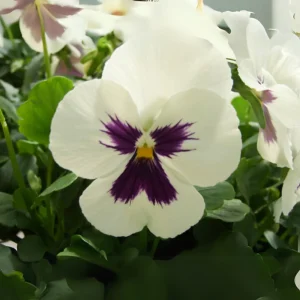
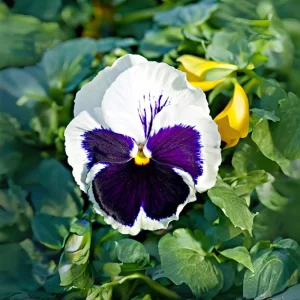
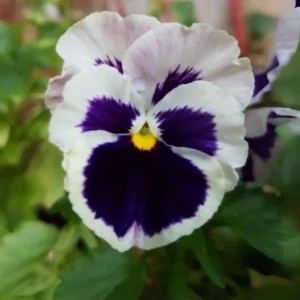
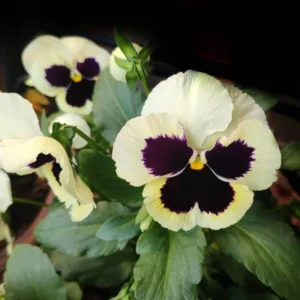
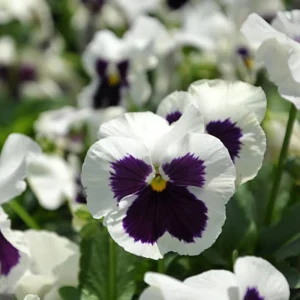
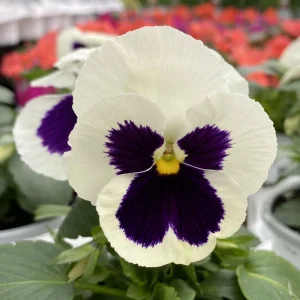
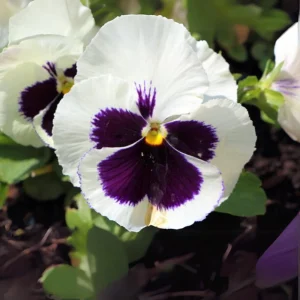
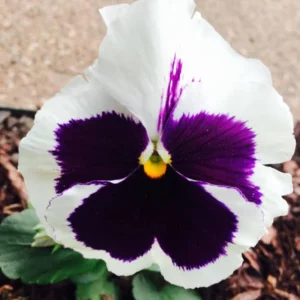
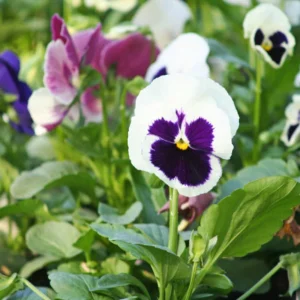
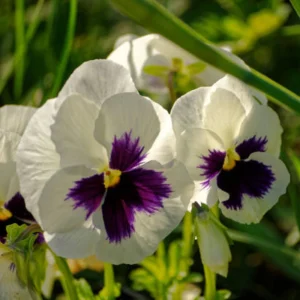
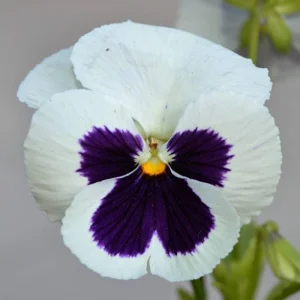
Transform your garden into a tapestry of color with our exquisite pack of 25 white purple pansy viola seeds. These hardy seeds are specifically selected for their cold resistance, making them an excellent choice for gardeners in cooler climates or for those looking to extend their blooming season. Pansies, known scientifically as Viola wittrockiana, are beloved for their cheerful, often ‘faced’ flowers that bring instant charm to borders, containers, and ground cover. Our open-pollinating seeds ensure that you can save seeds from your healthiest plants for future generations, preserving the beauty of these delightful blooms year after year. Cultivating these white purple pansy viola seeds allows you to experience the rewarding process of growing these captivating flowers from the very beginning.
These self-pollinating and draft-resistant varieties are designed for resilience, offering a robust option for various garden settings. The beautiful white and purple hues will add a touch of elegance and whimsy to any landscape. Whether you’re an experienced gardener or just starting, growing pansies from seed is a fulfilling endeavor that yields a bounty of colorful blossoms. Plant these seeds in late summer for fall blooms or in early spring for a spectacular spring and summer display, creating a continuous show of color.
Key Benefits
Our white purple pansy viola seeds offer numerous advantages for gardeners seeking beautiful and resilient flowering plants:
- Vibrant Blooms: Enjoy a profusion of eye-catching white and purple flowers that add significant aesthetic appeal to your garden space. These cheerful blossoms are known for their distinctive ‘faces’ and rich color combinations.
- Cold Resistance: Specifically bred to withstand cooler temperatures, these cold resistant pansy seeds are ideal for extending your gardening season and providing early or late-season color where other flowers might falter.
- Open-Pollinating: As open-pollinating seeds, they allow you to collect and save seeds from your plants, ensuring genetic diversity and enabling you to grow more of these beautiful pansies for seasons to come. This also makes them a great choice for sustainable gardening practices.
- Self-Pollinating & Draft Resistant: These varieties are naturally self-pollinating, simplifying the growing process, and their draft resistance means they can tolerate a wider range of environmental conditions, making them more robust performers in various garden settings.
- Versatile Use: Perfect for a variety of landscaping applications, including container gardening, edging borders, mass plantings as ground cover, or even in hanging baskets. Their compact size makes them suitable for small spaces.
- Long Blooming Period: With proper care and planting at the right time, pansies can offer a remarkably long blooming period, providing continuous color from fall through spring, or spring through summer, depending on your climate zone.
- Attracts Pollinators: While primarily self-pollinating, the vibrant flowers can still attract beneficial pollinators like bees and butterflies, contributing to a healthier garden ecosystem.
Plant Care & Growing Tips
Successfully growing white purple pansy viola seeds requires attention to a few key details, ensuring a spectacular display of blooms. For cooler climates (USDA Zones 6-8), you can start seeds indoors in late summer for beautiful fall blooms, or direct sow in early spring for spring and summer flowering. In warmer climates (USDA Zones 9-11), it’s best to sow in the fall to enjoy winter and early spring blossoms. When starting indoors, begin 8–10 weeks before the last expected frost. Use a light, well-draining seed starting mix and lightly press the seeds onto the soil surface; do not cover deeply, as pansy seeds require darkness for germination. Maintain a temperature of 65–70°F (18–21°C) during germination, covering the trays to block light. Germination typically takes 10–14 days. This detailed approach will help you with growing pansy viola from seed.
Once seedlings are ready, transplant them outdoors after the danger of frost has passed in spring, or in fall in milder zones, spacing them 6–9 inches apart. Pansies thrive in loamy, moist but well-drained soil that’s enriched with compost, with a pH between 6.0–7.0. They prefer full sun to partial shade; in hotter climates, providing afternoon shade can help protect them. For direct sowing, plant in early spring or late summer to early fall, depending on your region, watering lightly and keeping the area moist until germination. Consistent moisture is crucial, so keep the soil moist but not soggy, watering at the base of the plant. Fertilize every 2–3 weeks with a balanced, water-soluble fertilizer to encourage continuous blooming. Deadheading, or removing faded flowers, will also promote more blooms. Mulching helps retain soil moisture and keeps roots cool, which is especially beneficial for cold resistant pansy seeds in warmer periods. Watch out for common pests like aphids and snails, and diseases such as powdery mildew; good air circulation is key to preventing fungal issues. These tips are essential for successful pansy seeds for garden cultivation.
Size & Details
This product includes one full pack containing 25 high-quality white purple pansy viola seeds. These seeds are open-pollinating and self-pollinating, ensuring genetic stability and the ability to save seeds for future plantings. Pansy plants typically grow to a height of 6-9 inches (15-23 cm) and spread about 6-9 inches wide, forming a compact, mounding habit. They are excellent for filling in gaps in garden beds, creating colorful borders, or adding charm to containers and hanging baskets. The growth rate is moderate, with blooms usually appearing 10-12 weeks after sowing, depending on growing conditions and climate. The seeds are suitable for planting in late summer for fall blooms or early spring for spring/summer flowering, offering flexibility for gardeners across various USDA zones. Expect a delightful display of white and purple flowers with distinct markings, bringing a cheerful ambiance to your outdoor spaces. This pack provides enough pansy seeds for garden enthusiasts to start a beautiful patch of these classic flowers.
Frequently Asked Questions
- Q: How many white purple pansy viola seeds are included in one pack? A: Each pack contains 25 high-quality white purple pansy viola seeds, providing a generous quantity for planting a vibrant display in your garden or containers.
- Q: Are these pansy seeds suitable for all climates? A: These cold resistant pansy seeds are particularly well-suited for cooler climates (USDA Zones 6-8) for fall or spring planting, and warmer climates (USDA Zones 9-11) for fall planting and winter/early spring blooms.
- Q: What is the best time to plant these pansy viola seeds? A: For fall blooms, plant in late summer. For spring and summer blooms, plant in early spring. In warmer regions, fall planting is recommended for winter and early spring flowers.
- Q: Do pansy seeds need light to germinate? A: No, pansy seeds actually require darkness to germinate. After lightly pressing them onto the soil surface, cover your seed trays with newspaper or a blackout dome until germination occurs.
- Q: How much sunlight do white purple pansy viola plants need? A: Pansies thrive in full sun to partial shade. In hot climates, providing afternoon shade is beneficial to prevent stress and prolong blooming.
- Q: How tall do these pansy plants typically grow? A: These pansy plants generally grow to a height of 6-9 inches (15-23 cm) and spread similarly wide, creating a compact and bushy appearance.
- Q: Are these pansy seeds open-pollinating? A: Yes, these are open pollinating viola seeds, which means you can save seeds from your plants to grow new ones in subsequent seasons, maintaining the genetic integrity of the variety.
- Q: Is this variety self-pollinating? A: Yes, these pansy viola seeds are from a self-pollinating variety, which aids in easy cultivation and consistent bloom production without the need for external pollinators for seed set.
- Q: Can I grow these pansies in containers? A: Absolutely! Pansies are excellent for container gardening, window boxes, and hanging baskets, adding a splash of color to patios and balconies.
- Q: What kind of soil is best for growing pansies from seed? A: Pansies prefer loamy, moist, and well-drained soil with a pH between 6.0–7.0, enriched with compost. A good quality seed starting mix is recommended for initial germination.


Reviews
There are no reviews yet.