

Overview
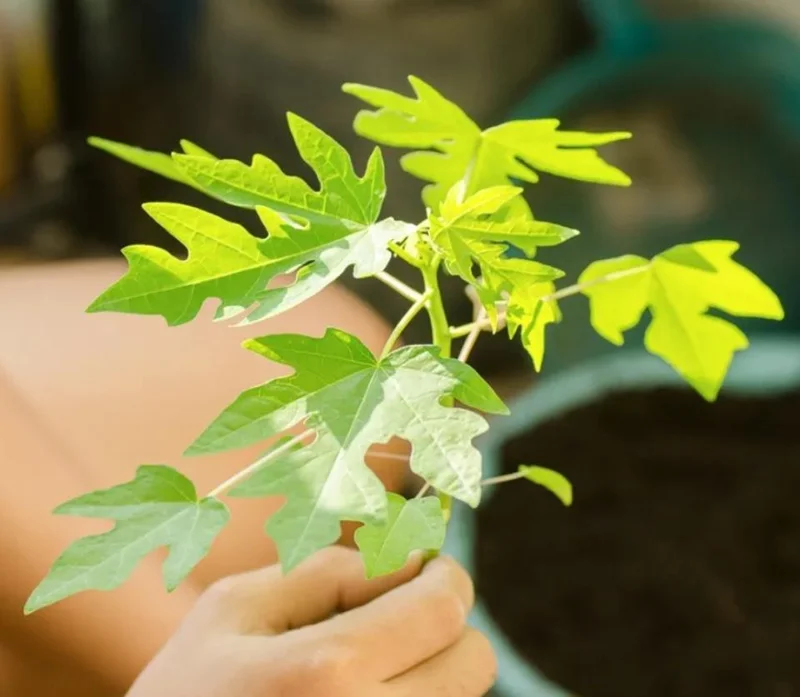
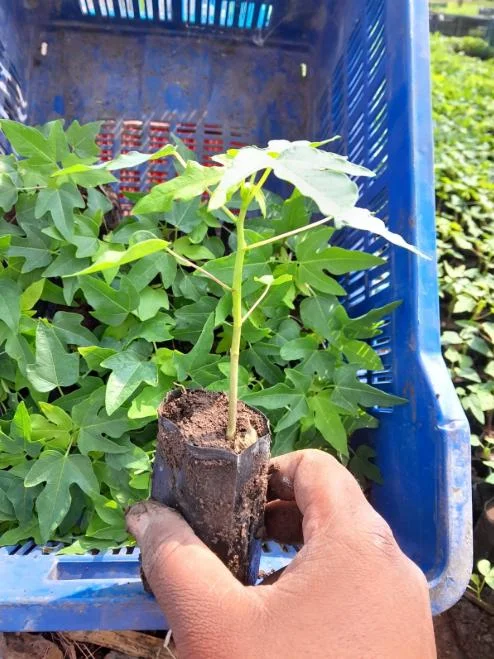
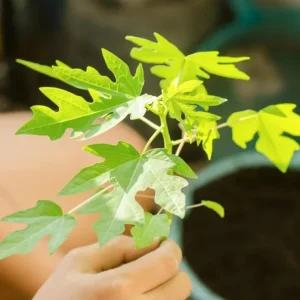
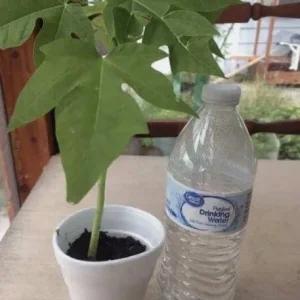
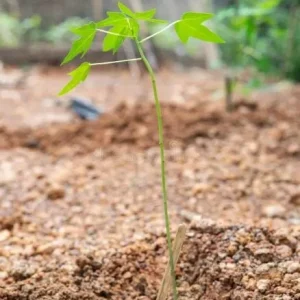
Transform your garden into a tropical paradise with this vibrant papaya live plant. This young, well-rooted starter plant, typically measuring 5-10 inches tall, provides an exciting opportunity to cultivate your own delicious tropical fruit directly at home. Scientifically known as Carica papaya, this fast-growing specimen is celebrated for its incredibly sweet and aromatic fruit, which serves as a rich source of essential vitamins A and C. Beyond its culinary delights, the papaya plant itself is a beautiful addition to any landscape, featuring lush green foliage that imparts an exotic touch to gardens or container arrangements. With diligent care, you can anticipate harvesting your own golden-orange papayas, making it a truly rewarding experience for both novice and seasoned gardeners. This resilient tropical fruit tree flourishes in warm climates and can begin producing fruit within a year under optimal conditions, quickly turning your outdoor space into a productive oasis.
Discover the joy of fresh, homegrown fruit with minimal effort. The papaya live plant is an excellent choice for those looking to add a unique and fruitful element to their plant collection. Its rapid growth and generous yields make it a highly desirable option for sustainable gardening. Whether you have a spacious garden or a cozy patio, this versatile plant adapts well to various growing environments, promising a continuous supply of nutritious and delicious fruit.
Key Benefits
Cultivating a papaya live plant offers a myriad of advantages, ranging from its aesthetic appeal to its abundant and nutritious harvest. This plant is more than just a food source; it’s a beautiful garden specimen that enhances your outdoor living space. Here are some of the key benefits:
- Fresh, Homegrown Fruit: Savor the unparalleled taste of freshly picked, sweet papayas directly from your own garden. Knowing precisely how your fruit was grown provides peace of mind and ensures superior flavor compared to store-bought alternatives. This sweet papaya tree is designed to provide a continuous harvest once it reaches maturity.
- Nutrient-Rich Harvest: Papayas are brimming with essential vitamins, including high concentrations of Vitamin A and C, alongside beneficial antioxidants. Incorporating homegrown papayas into your diet is an excellent and delicious way to boost your nutritional intake.
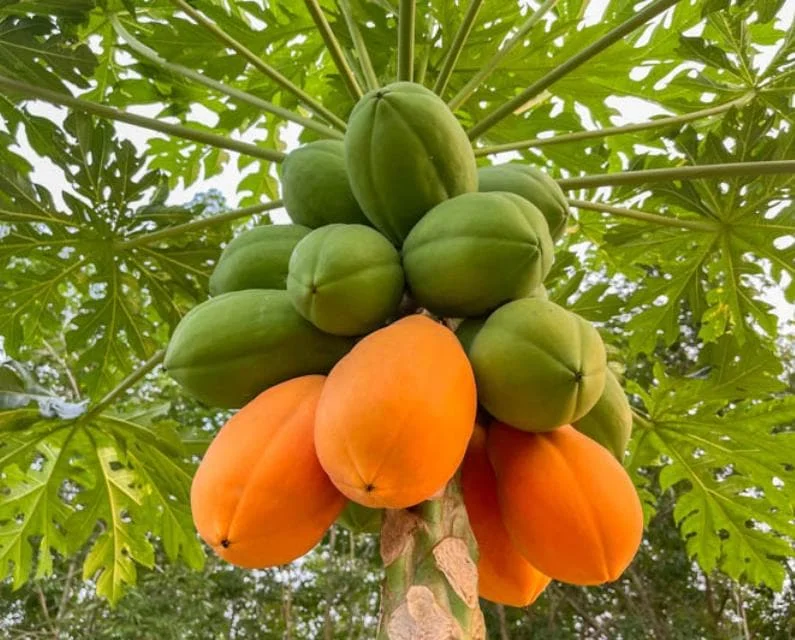
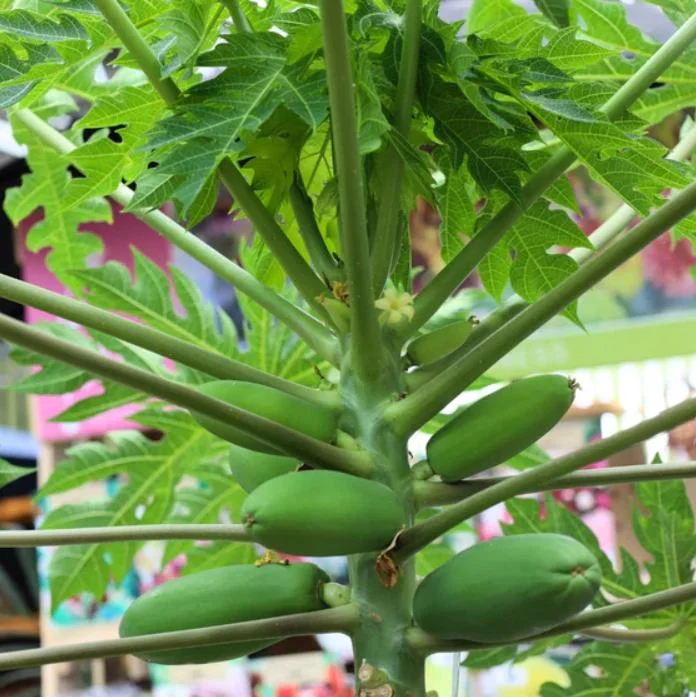
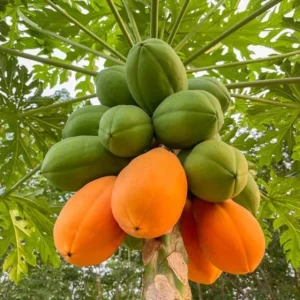
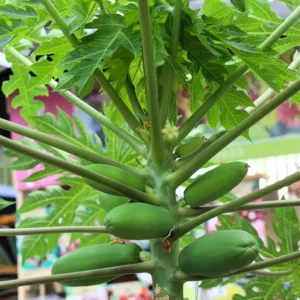
- Exotic Garden Appeal: The plant’s large, deeply lobed leaves and the potential for vibrant orange fruit introduce a distinct tropical aesthetic to any garden, patio, or greenhouse. It creates a lush, inviting atmosphere and naturally serves as a captivating focal point.
- Fast Growth & Productivity: Renowned for its rapid growth rate, a papaya plant can begin producing fruit relatively quickly, often within 6-12 months of planting. This makes it a highly rewarding plant for gardeners eager to see prompt results from their efforts.
- Versatile Cultivation: This Carica papaya plant is suitable for a variety of growing environments. It can be planted directly in the ground in warm climates, grown in large containers on patios, or cultivated in greenhouses, offering significant flexibility for different gardening setups.
- Relatively Easy to Grow: Despite its exotic origins, growing papaya is surprisingly straightforward for those in suitable climates or with the right indoor conditions. With basic care requirements met, even beginner gardeners can successfully cultivate this productive fruit tree and enjoy the satisfaction of growing papaya at home.
- Supports Local Ecosystems: Attracts beneficial pollinators and contributes to local biodiversity, fostering a healthier and more vibrant garden environment. The presence of a tropical fruit tree can significantly enrich your garden’s overall ecological balance.
Plant Care & Growing Tips
To ensure your papaya live plant thrives and yields an abundance of fruit, understanding its specific care requirements is essential. Papayas are tropical plants and consequently prefer warm, frost-free conditions. For most US gardeners, this translates to ideal cultivation in USDA Zones 9–11. In cooler regions, these plants can be successfully grown in large containers and brought indoors during colder months, or cultivated within a greenhouse environment. They absolutely require a location that receives full sun, meaning a minimum of 6 hours of direct sunlight daily, which is crucial for encouraging robust growth and optimal fruit production.
The right soil composition is paramount for maintaining a healthy sweet papaya tree. Papayas prefer well-draining sandy or loamy soil with a slightly acidic to neutral pH, ideally between 6.0 and 6.5. It is critical to avoid heavy, waterlogged soils, as these conditions can quickly lead to root rot and plant decline. Regular watering is essential; aim to keep the soil consistently moist but never soggy. Allow the top inch or two of soil to dry out slightly between waterings to prevent overwatering. During the active growing season, a balanced fertilizer (such as a 10-10-10) applied every 4–6 weeks will effectively support vigorous growth and healthy fruit development. Additionally, it’s important to protect your Carica papaya plant from strong winds, as its stems can be quite brittle and prone to damage. Harvesting typically occurs 6–12 months after planting when the fruit begins to turn yellow. By following these comprehensive tips, you will be well on your way to successfully growing papaya at home and enjoying its delicious bounty.
Size & Details
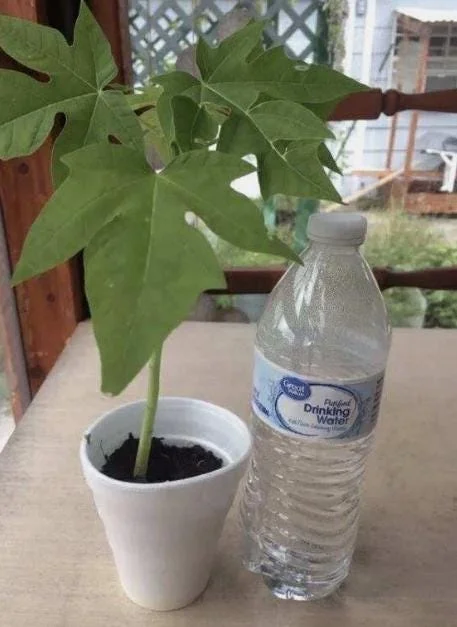
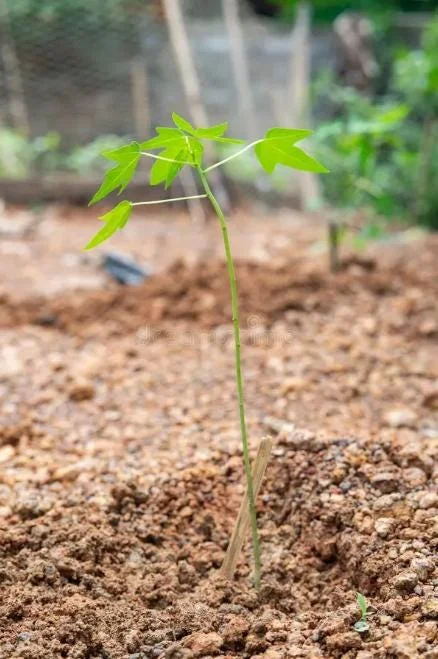
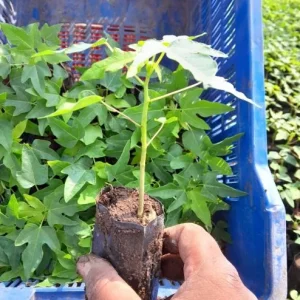
This offering is for a vibrant papaya live plant that typically measures between 5-10 inches in height upon arrival. Each plant is a young starter, meticulously grown to be well-rooted and perfectly ready for transplanting into its permanent home, whether that be a larger pot or directly into your garden soil. Papaya plants are renowned for their impressively fast growth rate, and under optimal conditions, they can mature into a small tree, potentially reaching heights of 10-20 feet. When planning to plant multiple trees, ensure a spacing of 6-10 feet between each plant. This allows ample room for proper canopy development, air circulation, and overall plant health. The fruit, once mature, typically features attractive orange-yellow flesh and contains edible black seeds. You can generally expect your plant to begin fruiting within 6-12 months of planting, providing a consistent and rewarding supply of delicious, fresh papayas. This tropical fruit tree is carefully shipped using methods designed to protect its delicate roots and foliage, ensuring it arrives in the best possible condition, ready to thrive in its new environment.
Frequently Asked Questions
- Q: How big does this papaya live plant get? A: This is a starter plant, typically 5-10 inches tall upon arrival. Mature papaya live plant trees can generally reach heights of 10-20 feet, though container-grown plants may remain smaller and more manageable.
- Q: Is this an indoor or outdoor plant? A: The papaya live plant is primarily a tropical outdoor plant, ideally suited for USDA Zones 9–11. In colder climates, it can be grown outdoors during warm months and then carefully brought inside or cultivated in a greenhouse for winter protection.
- Q: How much sunlight does a sweet papaya tree need? A: Papaya plants require full sun, meaning they need a minimum of 6 hours of direct sunlight each day to grow vigorously and produce fruit effectively. This is crucial for your sweet papaya tree‘s health.
- Q: Is this plant easy to care for, especially for beginners? A: Yes, this Carica papaya plant is considered relatively easy to grow, particularly in suitable warm climates. Key care aspects include consistent watering, well-draining soil, and abundant sunlight. It’s great for those interested in growing papaya at home.
- Q: What condition will the papaya live plant arrive in? A: Each plant is carefully packaged to protect its roots and foliage during transit. While some minor yellowing of leaves can occasionally occur due to shipping stress, it is usually temporary, and the plant should recover quickly once planted and cared for.
- Q: How long until it starts producing fruit? A: Under ideal growing conditions, a tropical fruit tree like papaya can begin to bear fruit within 6-12 months after planting. Consistent care and suitable conditions are key to early fruiting.
- Q: What is the best time for growing papaya at home? A: The best time to plant your papaya starter is in late spring to early summer when soil temperatures are consistently warm and the risk of frost has completely passed. This gives the plant the best start.
- Q: Can I grow this papaya live plant in a container? A: Absolutely! Papayas can be successfully grown in large containers, making them an excellent choice for patios or for moving indoors during cold weather. Ensure the container has excellent drainage to prevent waterlogging.
- Q: What type of soil does this papaya live plant prefer? A: It thrives in well-draining sandy or loamy soil with a pH between 6.0 and 6.5. Good drainage is crucial to prevent root issues and ensure a healthy plant.
- Q: How often should I water my papaya plant? A: Water regularly to keep the soil consistently moist, but never waterlogged. Allow the top layer of soil to dry slightly before watering again. Overwatering can be detrimental to the health of your sweet papaya tree.


Reviews
There are no reviews yet.