Overview
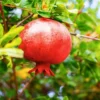
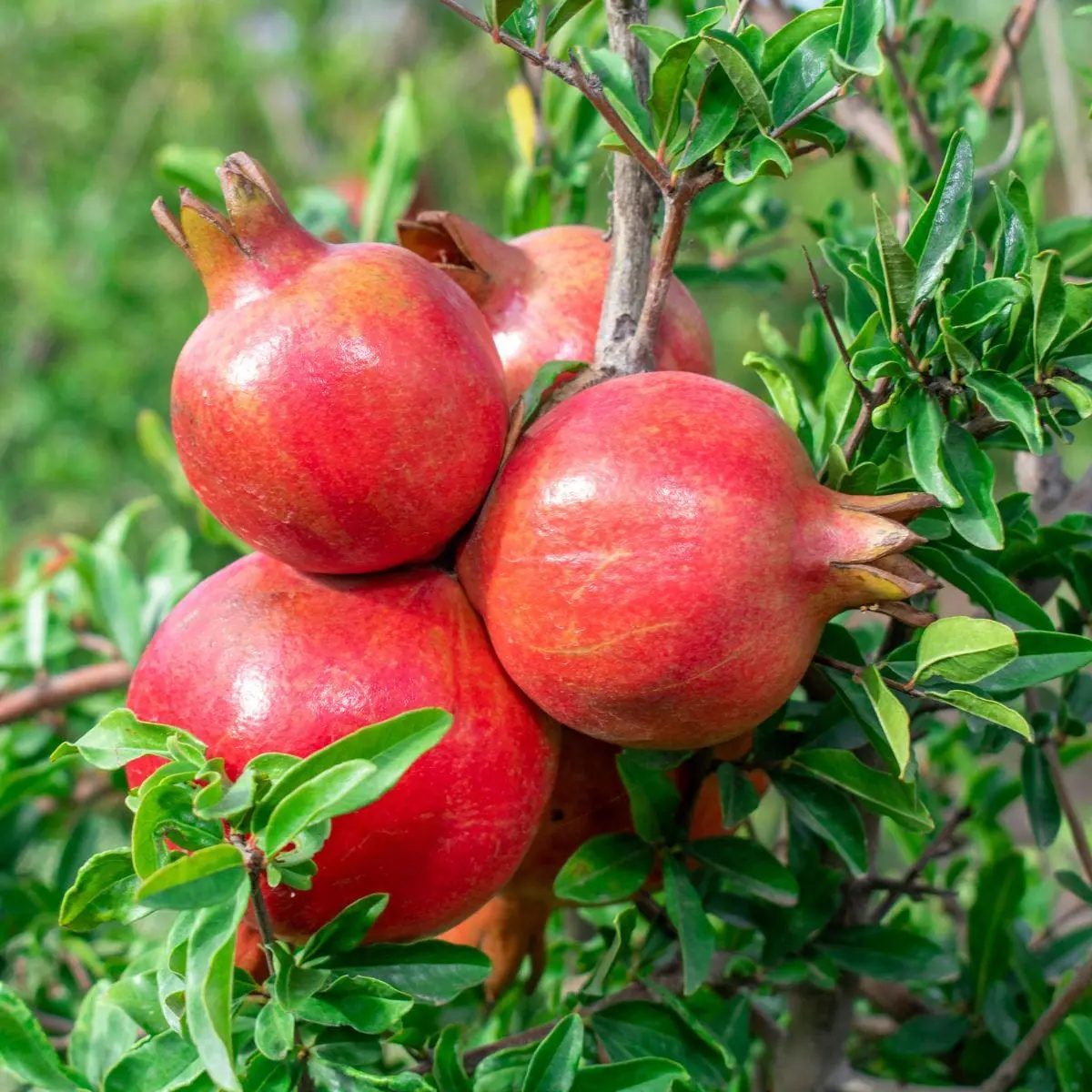
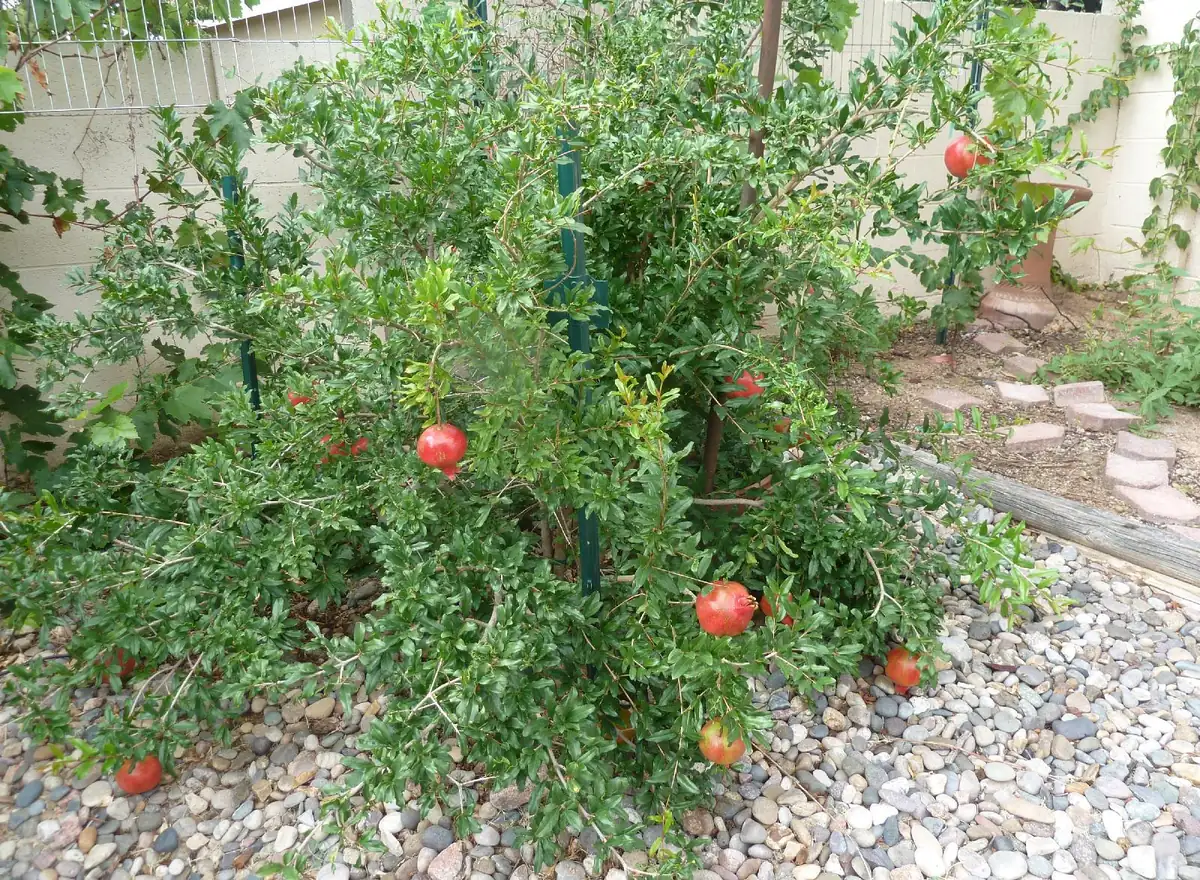
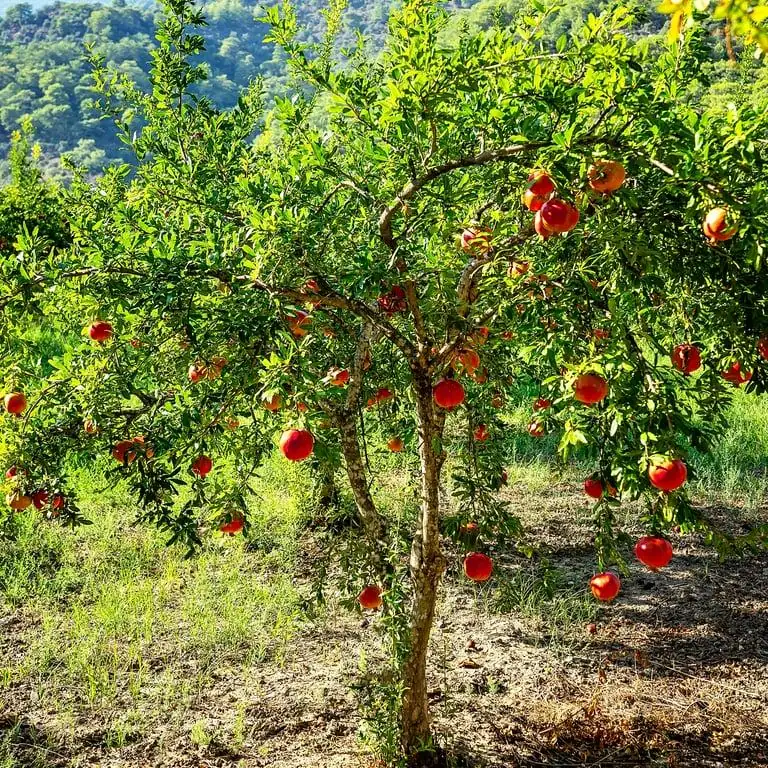
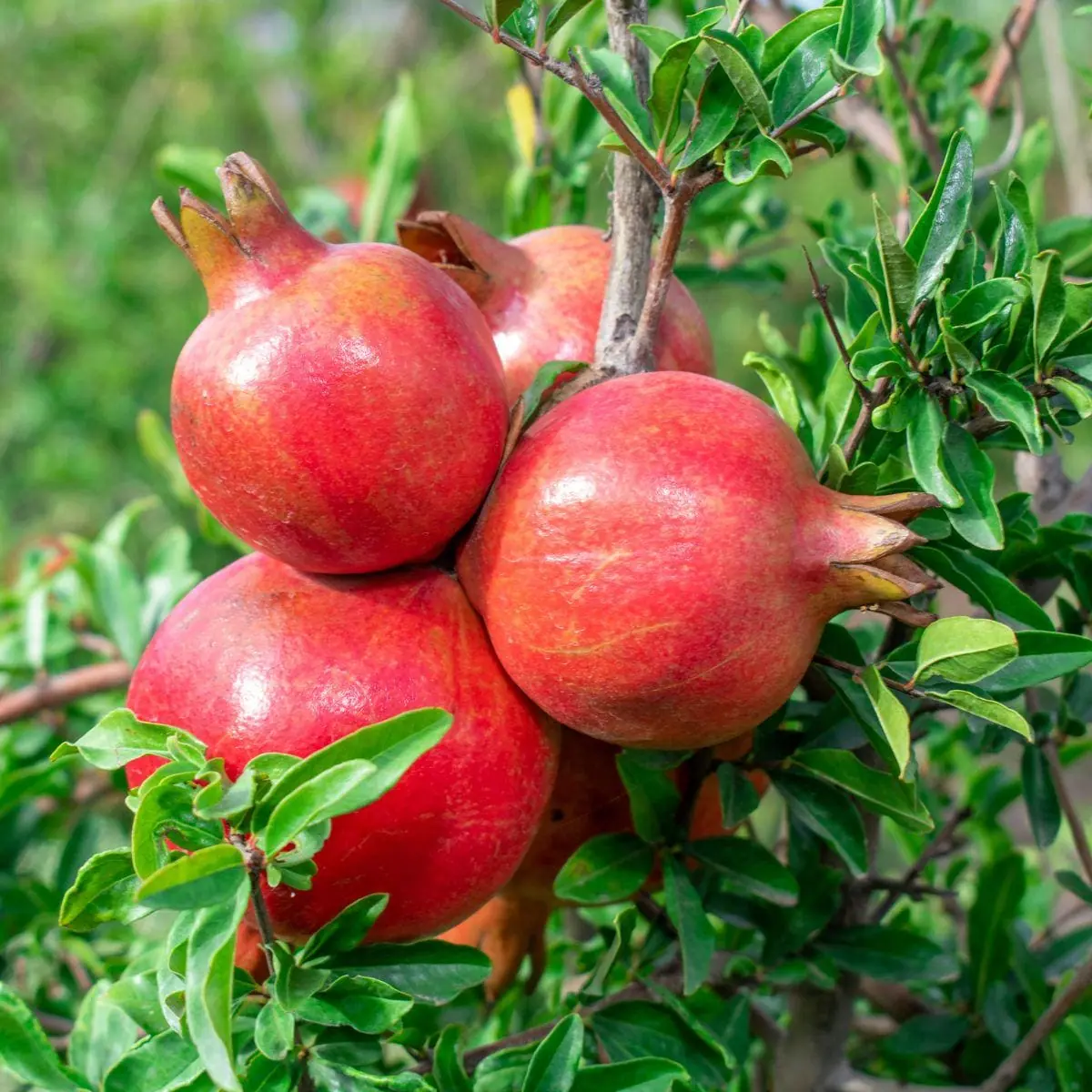
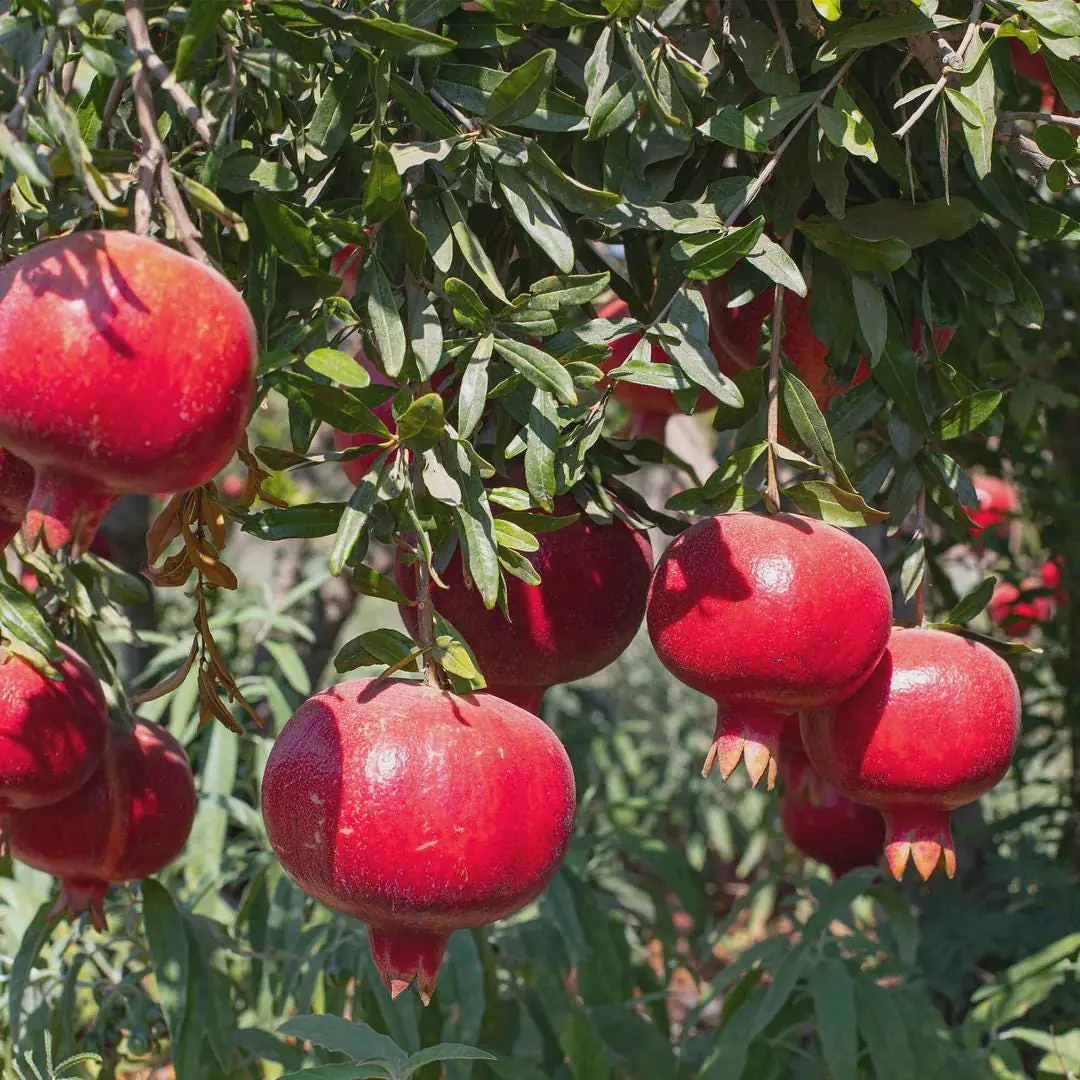
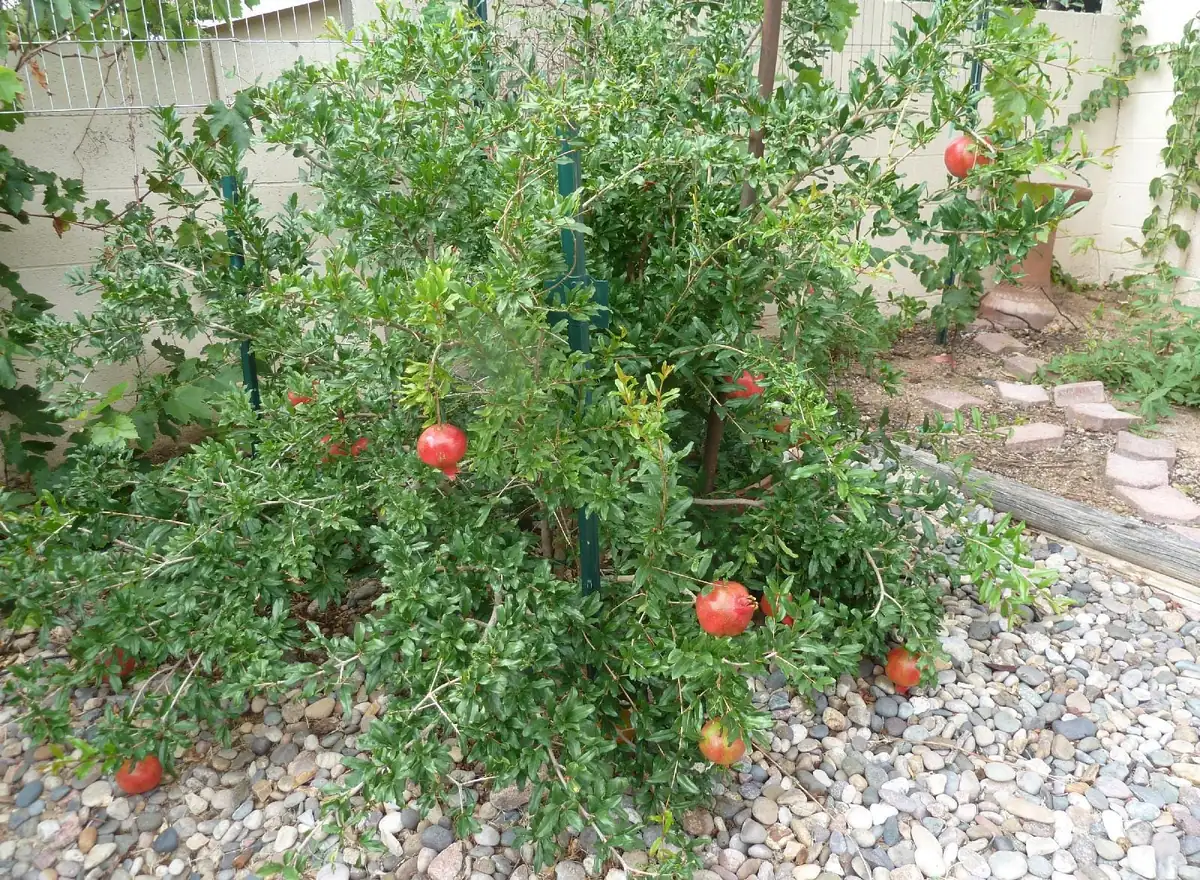
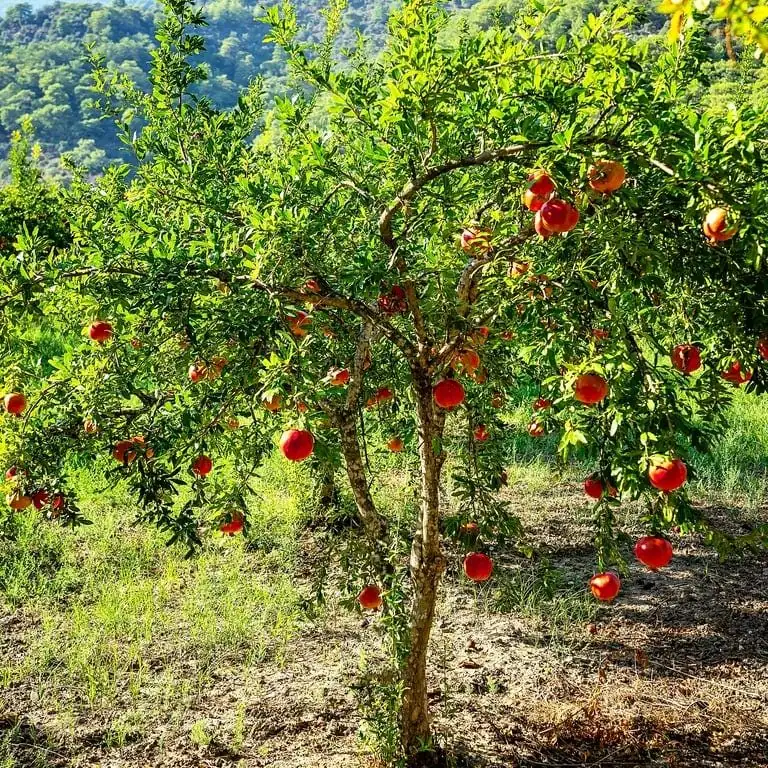
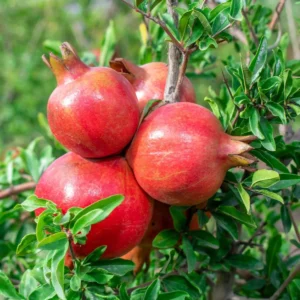
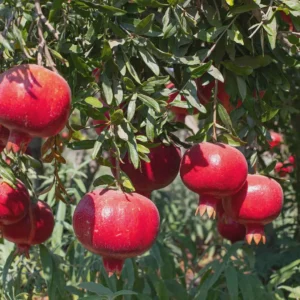
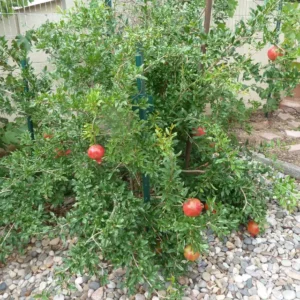
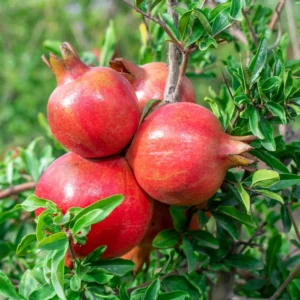
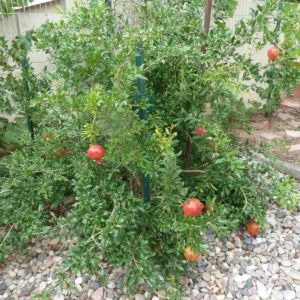
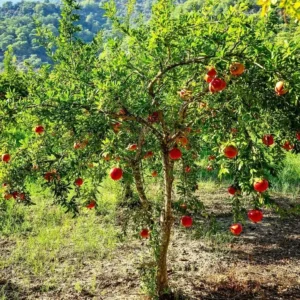
Bring the joy of home-grown, gourmet fruit to your garden with the exceptional Parfianka pomegranate tree. This remarkable live plant, scientifically known as Punica granatum ‘Parfianka’, is a compact, self-pollinating deciduous tree renowned for its outstanding flavor and abundant fruit production. Originating from Turkmenistan and introduced by Dr. Gregory Levin, ‘Parfianka’ consistently earns top ratings for its uniquely sweet fruit, which features delightfully soft seeds and minimal tartness. Unlike many pomegranates, the ease of eating and rich taste of the ‘Parfianka’ variety make it a highly sought-after addition to any edible landscape. Whether you’re a seasoned gardener or just starting, this sweet pomegranate plant offers a rewarding growing experience and a delicious harvest.
The ‘Parfianka’ variety is particularly prized for its adaptability and vigorous growth, making it a reliable choice for various climates within its hardiness zones. Its attractive foliage and vibrant, trumpet-shaped flowers add ornamental value to your garden before the fruit even begins to develop. This soft seed pomegranate is an excellent investment for fresh eating, juicing, or culinary creations, providing a consistent supply of premium fruit right from your backyard. Discover the unparalleled taste and ease of this high-performing fruit tree.
Key Benefits
The Parfianka pomegranate tree offers a multitude of advantages for the home gardener, making it a standout choice among fruit-bearing plants. Its unique characteristics contribute to both its aesthetic appeal and its practical value:
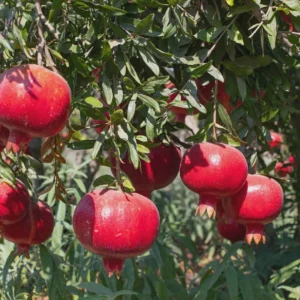
- Exceptional Fruit Quality: Enjoy incredibly sweet and juicy pomegranates with notably soft seeds, making them far easier and more pleasant to eat fresh compared to traditional varieties. This sweet pomegranate plant is a true culinary delight.
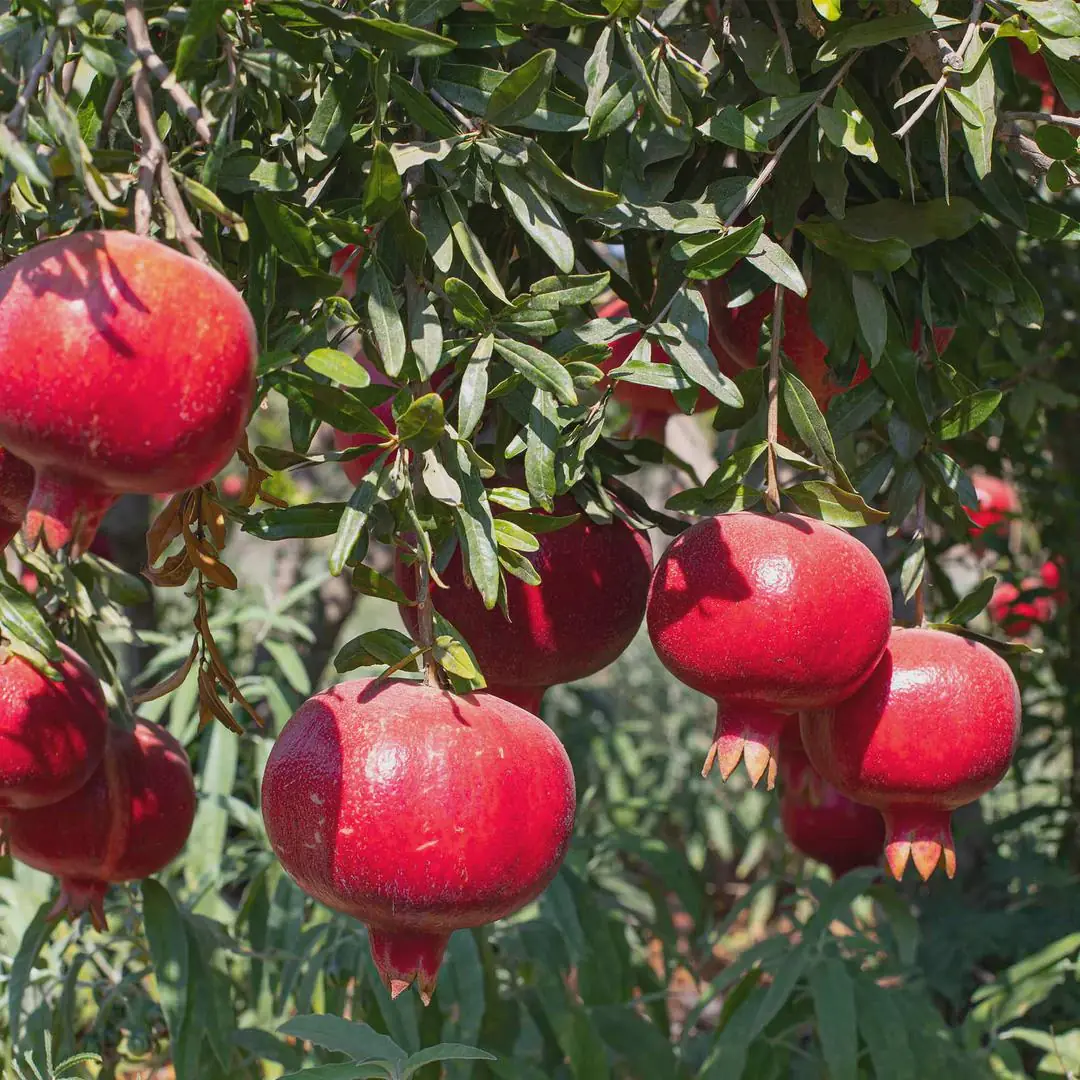
- High Yield & Production: ‘Parfianka’ is known for its prolific fruiting, providing an abundant harvest of delicious pomegranates year after year, ensuring a steady supply for your family. It’s a truly high yield fruit tree.
- Self-Pollinating: This tree does not require another pomegranate plant for pollination, meaning a single plant can produce fruit, simplifying the growing process for gardeners with limited space.
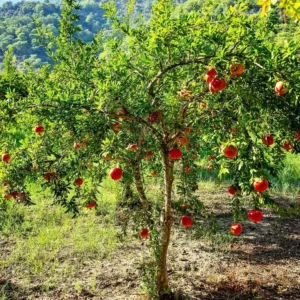
- Compact Growth Habit: While a tree, it maintains a manageable size, making it suitable for smaller gardens, containers, or even as part of a food forest design.
- Ornamental Value: Beyond its fruit, the Punica granatum Parfianka boasts attractive glossy green leaves and beautiful orange-red flowers in spring and summer, adding visual interest to your landscape.
- Drought Tolerance: Once established, pomegranate trees are remarkably drought-tolerant, requiring less water than many other fruit trees, making them a sustainable choice.
- Disease Resistance: Generally resilient to common pests and diseases, the ‘Parfianka’ variety is a robust and low-maintenance option for fruit production.
Plant Care & Growing Tips
Caring for your Parfianka pomegranate tree is relatively straightforward, ensuring a bountiful harvest with proper attention. These resilient plants thrive in warm, sunny conditions. For optimal growth and fruit production, select a location that receives at least 6-8 hours of direct sunlight per day. While adaptable to various soil types, well-draining soil is crucial to prevent root rot. A slightly acidic to neutral pH (6.0-7.0) is ideal. When planting, amend heavy clay soils with organic matter to improve drainage, or sandy soils to enhance water retention.
Watering is critical, especially during the establishment phase and while the fruit is developing. Young plants should be watered regularly to keep the soil consistently moist but not waterlogged. Mature trees are more drought-tolerant but will produce better quality and quantity of fruit with consistent watering during dry spells. Fertilize in late winter or early spring with a balanced slow-release fertilizer or an organic fruit tree fertilizer. Pruning should be done in late winter, focusing on removing dead, damaged, or crossing branches, and shaping the tree to encourage airflow and fruit development. This care regimen will help your sweet pomegranate plant flourish and yield delicious fruit.
Pomegranates are generally hardy in USDA Zones 8-10, though ‘Parfianka’ can tolerate some colder temperatures. Protect young trees from severe frost. Monitor for common pests like aphids or whiteflies, and treat with horticultural oil or insecticidal soap if necessary. By following these guidelines, your Punica granatum Parfianka will thrive, providing years of delicious, home-grown pomegranates. This soft seed pomegranate is a joy to cultivate.
Size & Details
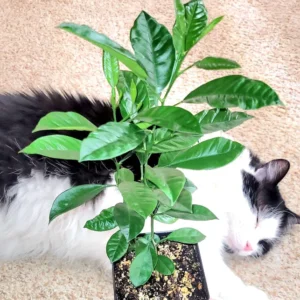
The Parfianka pomegranate tree typically grows to a compact size, reaching heights of 10-15 feet with a similar spread, making it suitable for various garden spaces, including smaller yards or large containers. It exhibits a moderate growth rate, establishing itself well within a few seasons. These plants are shipped as bare root starters, meaning they arrive without soil or a pot, ready for immediate planting upon arrival. While exact dimensions can vary based on growing conditions and age, you can expect a healthy, vigorous starter plant ready to establish roots in your garden.
With proper care, this high yield fruit tree will begin to produce fruit within 2-3 years, with harvests typically occurring in late summer to fall depending on your climate zone. The ‘Parfianka’ variety is highly regarded for its consistent production of large, flavorful pomegranates. The bare root format allows for efficient shipping and provides a robust foundation for your new tree to thrive.
Frequently Asked Questions
- Q: How big does this plant get? A: The Parfianka pomegranate tree typically grows to a manageable height of 10-15 feet with a similar spread, making it a great choice for home gardens. Its compact nature allows for versatile placement.
- Q: Is this an indoor or outdoor plant? A: The Parfianka pomegranate tree is primarily an outdoor plant, thriving in full sun. While it can be grown in large containers and brought indoors in colder climates, it needs ample light to fruit.
- Q: How much sunlight does it need? A: This sweet pomegranate plant requires at least 6-8 hours of direct sunlight per day to ensure robust growth and optimal fruit production. More sun generally leads to better yields.
- Q: Is this plant easy to care for? A: Yes, the ‘Parfianka’ pomegranate is considered relatively easy to care for, especially once established. It’s known for its drought tolerance and general resilience, making it a good choice for both beginner and experienced gardeners.
- Q: What condition will it arrive in? A: Your Punica granatum Parfianka will arrive as a bare root starter plant, meaning it will be dormant and without soil or a pot. This ensures safe transit and allows for easy planting.
- Q: How long until it fruits? A: With proper care, you can expect your Parfianka pomegranate tree to begin producing fruit within 2-3 years after planting, with harvests increasing as the tree matures.
- Q: Will it survive winter in my zone? A: This pomegranate variety is typically hardy in USDA Zones 8-10. If you are in a colder zone, you may need to provide winter protection or grow it in a container that can be moved indoors.
- Q: What makes Parfianka a ‘soft seed’ pomegranate? A: The ‘Parfianka’ variety is specifically bred to have notably softer seeds compared to other pomegranates. This characteristic makes the arils much more enjoyable to eat fresh without the usual crunch of hard seeds.
- Q: Can I grow this in a large pot or container? A: Yes, the compact nature of the high yield fruit tree makes it suitable for growing in large containers, especially if you live in a colder climate and need to move it indoors during winter. Ensure the pot has excellent drainage.
- Q: What type of soil does it prefer? A: The soft seed pomegranate prefers well-draining soil with a pH between 6.0 and 7.0. While adaptable, avoid heavy clay soils that retain too much moisture.


Reviews
There are no reviews yet.