Overview
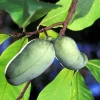
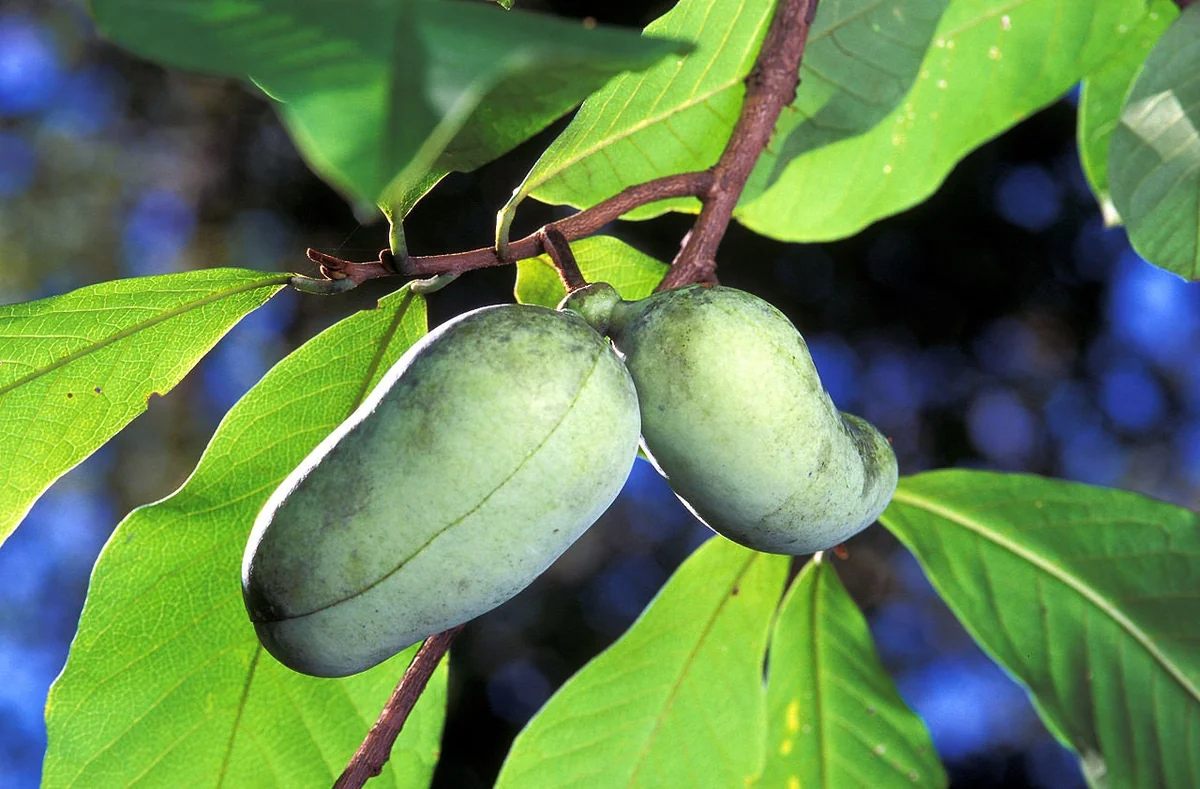
Embark on a rewarding gardening journey with our bundle of paw paw bare root plants. This offering includes 50 live plants of Asimina triloba, commonly known as the paw paw or “Tennessee banana,” each standing 2-4 inches tall. These young plants are shipped bare root, making them perfectly suited for transplanting into your garden or orchard. The paw paw is a remarkable native North American fruit tree, cherished for its unique, custard-like fruit that ripens in late summer or early fall. Growing your own paw paw fruit tree allows you to enjoy fresh, organic fruit with a flavor reminiscent of banana, mango, and pineapple, right from your backyard. Discover the joy of cultivating this increasingly popular and delicious native species.
Key Benefits
Choosing to grow paw paw bare root plants offers a multitude of advantages for both the home gardener and the environment. These benefits extend from the ease of establishment to the delicious harvest:
- Delicious, Unique Fruit: Enjoy the sweet, creamy, tropical-flavored fruit of the paw paw, a truly distinctive taste that you won’t find in most grocery stores. The fruit is excellent for fresh eating, desserts, or preserves.
- Native Resilience: As a native North American species, Asimina triloba is well-adapted to local climates and soils, often requiring less intervention than non-native fruit trees. This makes them a robust and reliable choice for many gardeners.
- Easy Transplanting: Shipped as bare root plants, these young trees are designed for easy establishment. Their compact size (2-4 inches) makes them less prone to transplant shock and quicker to settle into their new environment.
- Attracts Wildlife: Paw paw trees serve as a host plant for the beautiful zebra swallowtail butterfly, adding ecological value to your garden. The fruit also provides sustenance for local wildlife.
- Cold Hardiness: Thriving in USDA Zones 5-9, these plants are remarkably cold-hardy, making them suitable for a wide range of climates across the United States where many tropical fruits cannot survive.
- Low Maintenance: Once established, paw paw trees are relatively low maintenance, requiring minimal pruning and care compared to other fruit trees, making them an excellent choice for both novice and experienced gardeners.
- Bundle Value: This generous bundle of 50 plants provides an excellent opportunity to establish a significant planting, ensuring good pollination and a bountiful future harvest of the unique paw paw fruit tree.
Plant Care & Growing Tips
Caring for your paw paw bare root plants is straightforward, especially when you understand their specific needs. Paw paws prefer a location with at least six hours of full sun for mature fruit production, though young trees (especially bare root transplants) benefit from some afternoon shade during their first year to prevent scorching. They thrive in well-draining, fertile soil that is slightly acidic (pH 5.5-7.0). Amend heavy clay or sandy soils with compost to improve structure and nutrient retention. Consistent moisture is crucial, particularly during the establishment phase and during fruit development. Avoid waterlogging, as this can lead to root rot. Apply a layer of mulch around the base of the plants to retain soil moisture, suppress weeds, and regulate soil temperature.
For optimal growth and fruit set, it’s recommended to plant at least two genetically distinct paw paw trees for cross-pollination, as most paw paw varieties are not self-fertile. Our bundle of 50 plants significantly increases your chances of successful pollination and a good yield of paw paw fruit. Fertilize annually in early spring with a balanced, slow-release fertilizer. Pruning should be minimal, primarily focused on removing dead, damaged, or crossing branches to maintain good air circulation and shape. Protect young trees from deer, as they may browse on the tender foliage. With proper care, your growing paw paw trees will reward you with delicious fruit for years to come. Understanding how to care for Asimina triloba ensures a successful harvest.
Size & Details
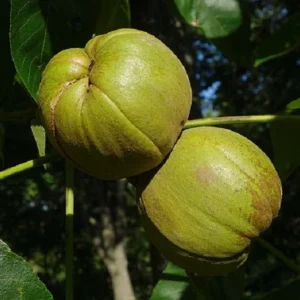
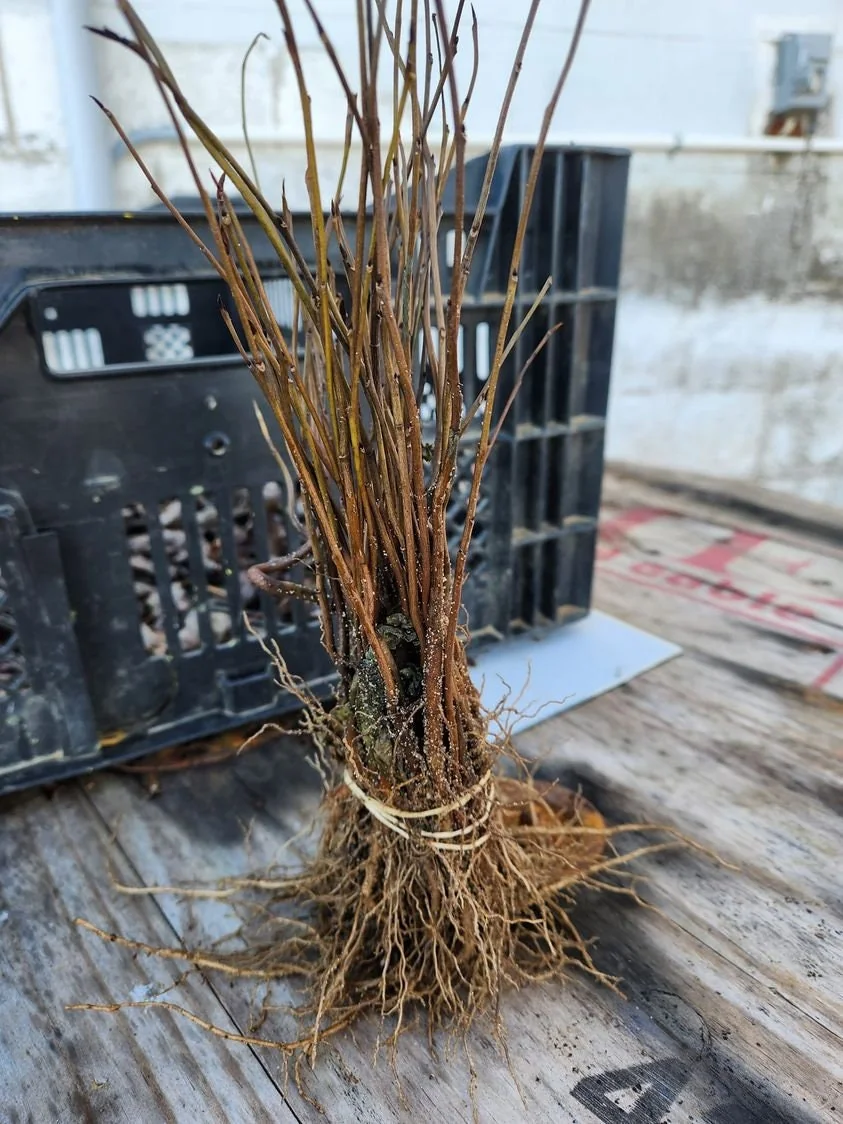
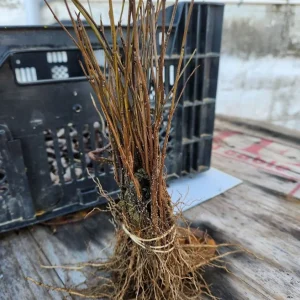
This product includes a bundle of 50 individual paw paw bare root plants, each measuring approximately 2-4 inches in height. These are young, dormant plants, carefully harvested and prepared for shipment without soil around their roots. This bare root format is ideal for efficient shipping and allows for a smooth transition into your garden. Paw paw trees typically grow into small to medium-sized trees, reaching heights of 15-20 feet at maturity, with a spread of 10-15 feet. Growth rate is moderate, and fruit production usually begins within 3-5 years after planting, depending on growing conditions. The fruit ripens in late summer to early fall, transitioning from green to light brown or dark brown when ready to harvest. The size and shape of the fruit can vary, adding to the unique charm of growing paw paw trees.
Frequently Asked Questions
- Q: How big are the paw paw plants when they arrive? A: Your paw paw bare root plants will arrive as dormant, bare root specimens, each measuring 2-4 inches in height. This compact size is ideal for transplanting and establishing new growth.
- Q: Is this an indoor or outdoor plant? A: Paw paw trees are outdoor plants, specifically deciduous fruit trees. They thrive in temperate climates and are not suitable for long-term indoor cultivation, though young plants can be started indoors temporarily.
- Q: How much sunlight do paw paw trees need? A: Mature paw paw trees require at least 6 hours of full sun daily for best fruit production. Young Asimina triloba, especially during their first year, benefit from partial shade to protect them from intense afternoon sun.
- Q: What condition will the plants arrive in? A: The plants will arrive dormant and bare root, meaning they will not have leaves and will be shipped without soil. This is a standard and healthy way to ship deciduous fruit trees for successful transplanting.
- Q: When is the best time to plant these paw paw bare root plants? A: The ideal time to plant bare root paw paws is in early spring, as soon as the soil can be worked and after the last hard frost. This allows them ample time to establish their root systems before the summer heat.
- Q: Will I get fruit from these plants? A: Yes, with proper care and if you plant multiple genetically distinct trees for cross-pollination (which is likely with a bundle of 50 plants), you can expect to harvest delicious paw paw fruit in 3-5 years.
- Q: What USDA hardiness zones are suitable for paw paws? A: Paw paw trees are well-suited for USDA Hardiness Zones 5-9, making them a great choice for many regions across the United States. They are quite cold-hardy.
- Q: What kind of soil do paw paw trees prefer? A: Paw paws prefer well-draining, fertile soil with a slightly acidic pH (5.5-7.0). Amending your soil with organic matter will greatly benefit their growth.
- Q: Are these Tennessee banana plants difficult to grow? A: Once established, paw paw trees are relatively low-maintenance. The initial transplanting and care for bare roots are critical, but they are considered an easy-to-grow native fruit tree.
- Q: Why is it called the Tennessee banana plants? A: The paw paw is often called the “Tennessee banana” or “custard apple” due to the creamy texture and sweet, tropical flavor of its fruit, which has notes of banana, mango, and pineapple.


Reviews
There are no reviews yet.