Overview
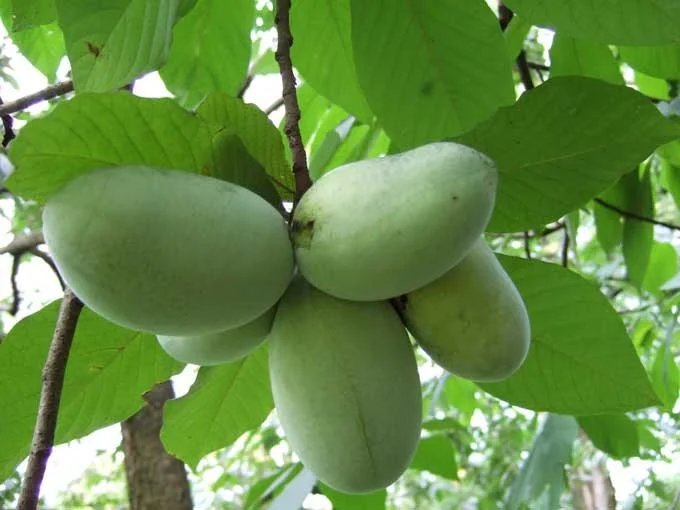
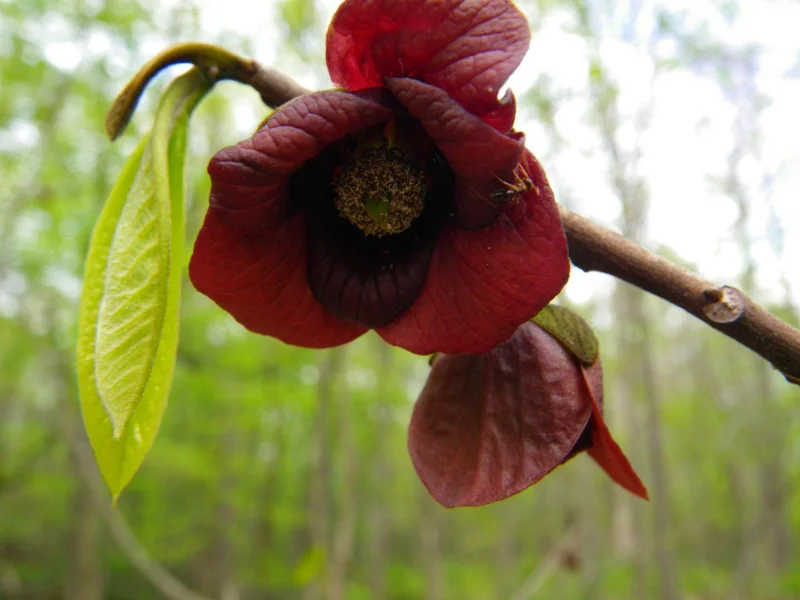
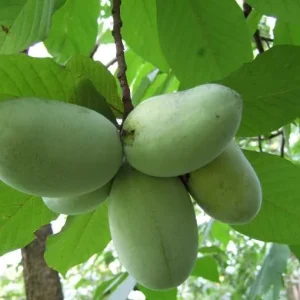
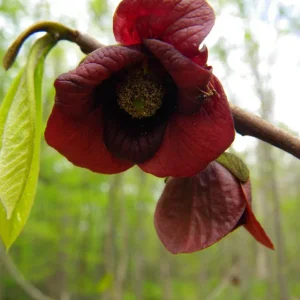
Bring a touch of the exotic to your landscape with the remarkable Paw Paw Indian Banana tree. Also known by its botanical name, Asimina triloba, this unique deciduous tree is native to North America but offers a distinctly tropical appeal. Often referred to as the ‘Indiana banana’ or ‘poor man’s banana,’ the Paw Paw tree is celebrated for its large, custard-like fruits that boast a flavor often compared to a blend of banana, mango, and pineapple. Beyond its delectable fruit, this ornamental tree provides significant aesthetic value with its striking bell-shaped purple flowers in spring and brilliant yellow foliage in the fall. It’s an excellent choice for gardeners looking to add a conversation piece that delivers both beauty and bounty, thriving in a variety of conditions and offering surprising cold hardiness.
Key Benefits
The Paw Paw Indian Banana tree offers a multitude of advantages for the home gardener, making it a highly desirable addition to any yard:
- Delicious, Unique Fruit: Enjoy homegrown Paw Paw fruits, often described as having a banana-like flavor. These creamy, sweet fruits are a rare treat not typically found in grocery stores, offering a truly unique culinary experience.
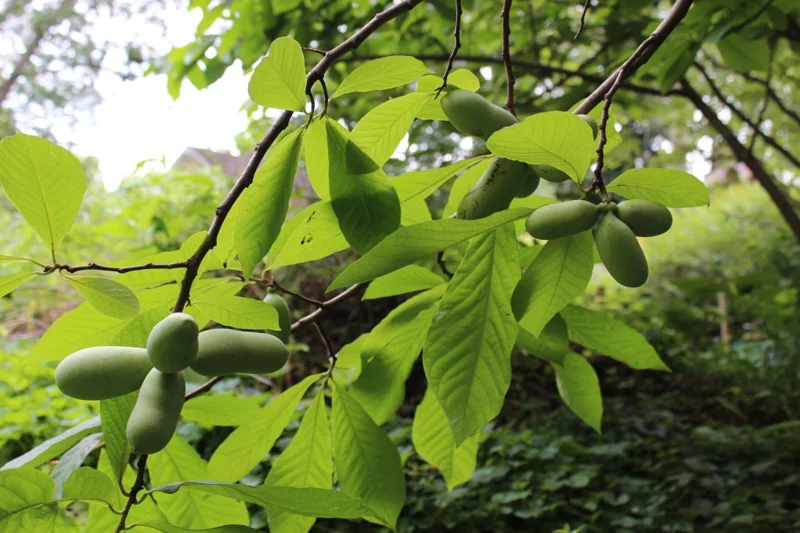
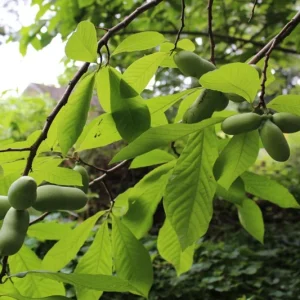
- Tropical Aesthetic Appeal: Despite its native roots, the Paw Paw tree brings a lush, tropical look to your garden. Its large leaves and distinctive fruit provide an exotic flair without the need for a tropical climate.
- Exceptional Cold Hardiness: Unlike many tropical fruit trees, the Paw Paw Indian Banana tree is remarkably resilient, tolerating temperatures as low as -25°F. This makes it suitable for a wide range of climates, particularly USDA zones 5-8.
- Stunning Seasonal Interest: In spring, the tree produces intriguing inch-long, bell-shaped purple flowers. Come autumn, its leaves transform into a brilliant yellow, providing a spectacular display of fall color.
- Low Maintenance & Adaptable: Once established, this cold hardy fruit tree requires minimal care. It’s adaptable to various light conditions, from full sun to partial shade, making it versatile for different garden placements.
- Supports Local Wildlife: The Paw Paw tree serves as a host plant for the zebra swallowtail butterfly, adding to your garden’s biodiversity and attracting beautiful pollinators.
- Nutrient-Rich Fruit: Paw Paw fruits are not only delicious but also packed with vitamins, minerals, and amino acids, offering a healthy and rewarding harvest.
Plant Care & Growing Tips
Caring for your Paw Paw Indian Banana tree is relatively straightforward, especially once it’s established. This adaptable plant can thrive in a range of conditions. For optimal fruit production, full sun is generally preferred, meaning at least 6-8 hours of direct sunlight per day. However, younger Paw Paw trees can benefit from some partial shade, especially in hotter climates, as their delicate leaves can scorch in intense afternoon sun. As the tree matures, its tolerance for full sun increases. When it comes to watering, consistent moisture is key, particularly during dry spells and when the fruit is developing. The soil should be kept moist but not waterlogged. Good drainage is crucial to prevent root rot.
The ideal soil for a Paw Paw Indian Banana tree is deep, fertile, and well-draining, with a slightly acidic to neutral pH (5.5-7.0). Amending heavy clay soils with organic matter like compost can significantly improve drainage and fertility. While the Paw Paw is a resilient plant, providing a balanced, slow-release fertilizer in early spring can encourage vigorous growth and fruit development. Avoid over-fertilizing young trees. The tree is hardy in USDA zones 5-8, meaning it can withstand cold temperatures down to -25°F. Protecting young trees from harsh winter winds can be beneficial in the colder end of its range. Pests and diseases are generally not a major issue for Paw Paw trees, making them a relatively low-worry addition to your garden. Ensure good air circulation to prevent fungal issues in humid environments. Understanding these care requirements is essential for a healthy and productive Asimina triloba plant.
Size & Details
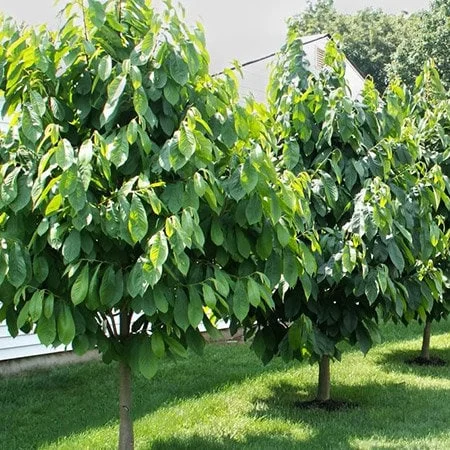
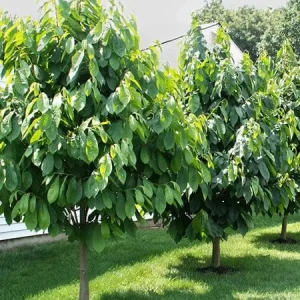
This offering is for one Paw Paw Indian Banana tree, approximately 6-12 inches tall, shipped in a quart-sized pot. This size provides a robust young plant ready for transplanting into your garden. Paw Paw trees exhibit a medium growth rate, typically reaching a mature height of 15-20 feet with a similar spread, forming an attractive, somewhat pyramidal shape. While they can tolerate various light conditions, for the best fruit yield, a location with full sun is recommended. The tree will begin to flower in spring, with fruit developing over the summer and ripening in late summer to early fall. The tropical fruit tree is typically shipped as a live plant with its root ball intact in the quart pot, ensuring a smooth transition to its new home.
Frequently Asked Questions
- Q: How big does this Paw Paw Indian Banana tree get? A: The Paw Paw Indian Banana tree has a medium growth rate and typically reaches a mature height of 15-20 feet, with a similar spread. Its size makes it suitable for most residential landscapes.
- Q: What size pot does it come in? A: This Paw Paw Indian Banana tree is shipped in a quart-sized pot, and the tree itself measures approximately 6-12 inches tall upon arrival, ready for planting.
- Q: Is this an indoor or outdoor plant? A: The Paw Paw tree is an outdoor plant, highly adaptable and cold-hardy. It thrives in USDA zones 5-8 and requires a period of winter dormancy for optimal health and fruit production.
- Q: How much sunlight does it need? A: For the best fruit yield, the Paw Paw Indian Banana tree prefers full sun (6-8 hours of direct sunlight daily). Young trees can benefit from partial shade to protect against leaf scorch in intense heat.
- Q: Is this plant easy to care for? A: Yes, once established, the Paw Paw tree is relatively low-maintenance. It’s known for its resilience and adaptability, making it a good choice for both experienced and novice gardeners looking for a cold hardy fruit tree.
- Q: What condition will it arrive in? A: Your Asimina triloba plant will arrive as a live plant, shipped in its quart pot with the root system intact, ensuring it’s healthy and ready for planting.
- Q: How long until it produces fruit? A: Paw Paw trees typically begin bearing fruit within 3-5 years after planting, depending on growing conditions and care. Pollination from another Paw Paw tree (or a different cultivar) is usually required for fruit set.
- Q: Will it survive winter in my zone? A: Absolutely. The Paw Paw Indian Banana tree is remarkably cold hardy, thriving in USDA zones 5-8 and capable of tolerating temperatures as low as -25°F.
- Q: What are the main pawpaw fruit benefits? A: The pawpaw fruit benefits include being rich in vitamins A and C, minerals like potassium and magnesium, and antioxidants. They are also a good source of amino acids and offer a delicious, unique flavor.
- Q: Does it need another tree for pollination? A: Most Paw Paw varieties are not self-pollinating and require at least two different genetic strains (cultivars) for successful cross-pollination and fruit production. Consider planting more than one tree for a bountiful harvest.


Reviews
There are no reviews yet.