Overview
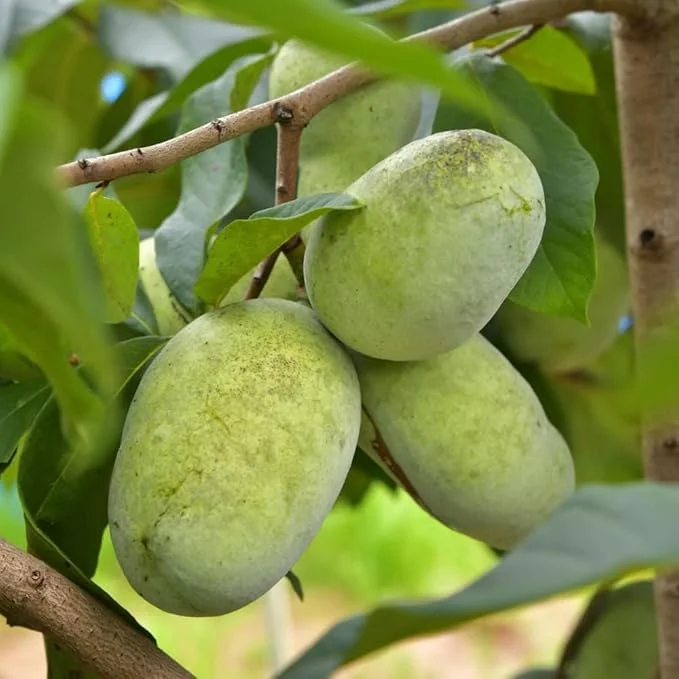
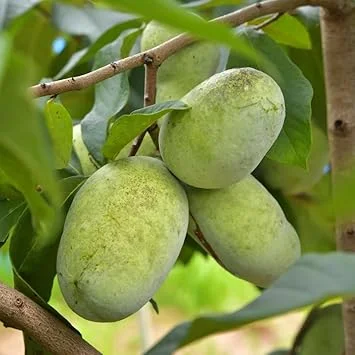
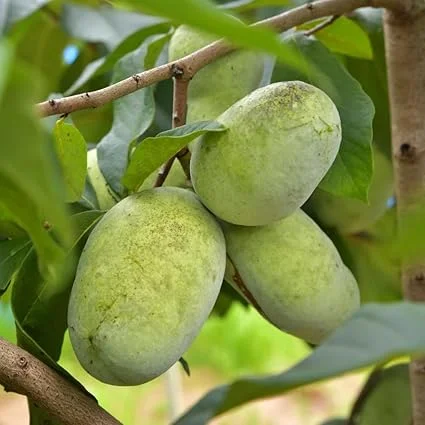
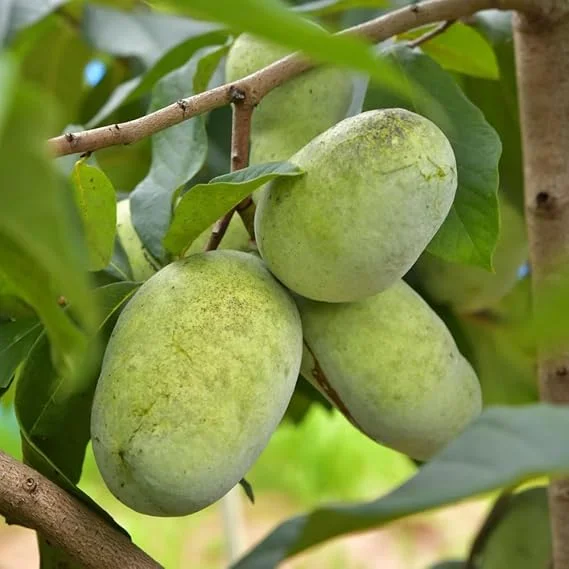
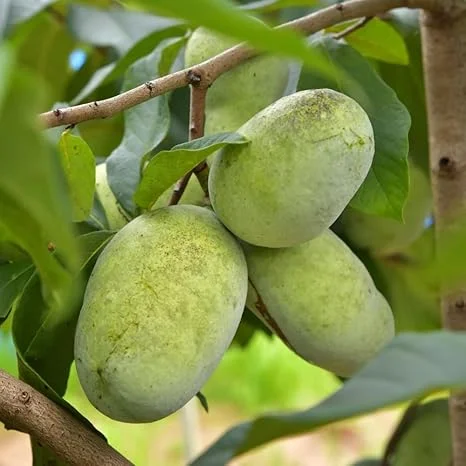
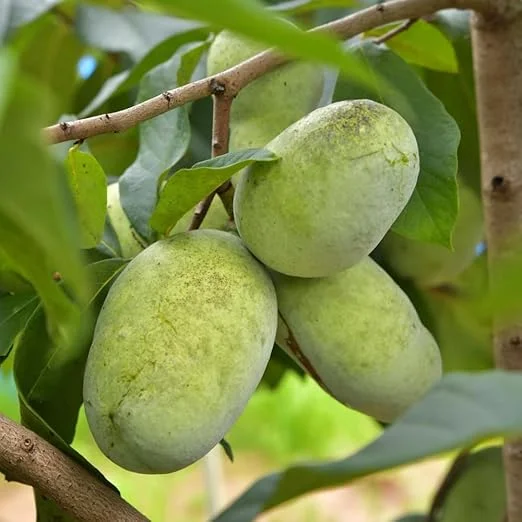
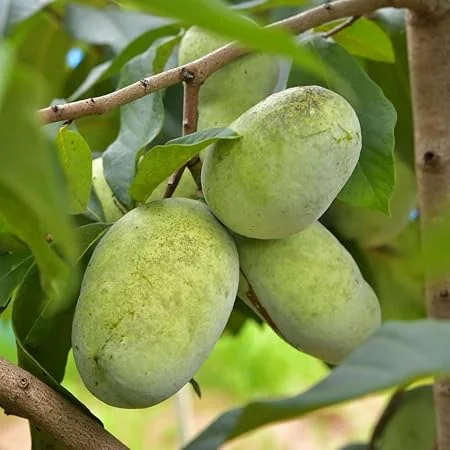
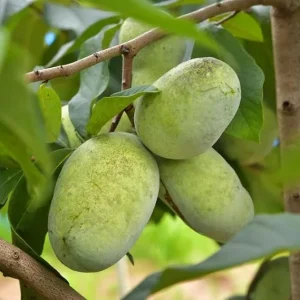
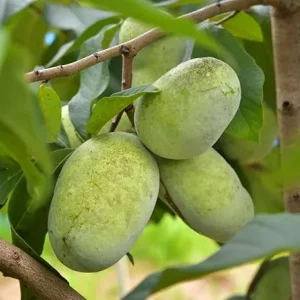
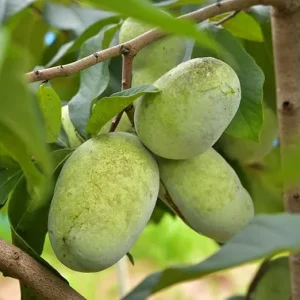
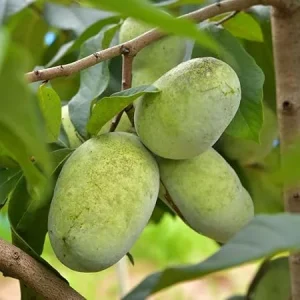
Bring the taste of the tropics to your backyard with this exceptional paw paw tree live plant. Known botanically as Asimina triloba, the Paw Paw is North America’s largest native edible fruit. This 1ft tall, well-rooted plant arrives ready to be transplanted into your garden, offering a unique opportunity to grow your own sweet, custard-like fruit. Paw Paw trees are relatively fast-growing and require minimal care once established, making them an excellent choice for both experienced gardeners and those new to cultivating fruit trees. Imagine harvesting your own fresh, flavorful paw paws, a rare treat not often found in grocery stores. This resilient tree adapts well to various conditions, promising a rewarding and delicious yield for years to come. Start your fruit orchard journey with this vibrant paw paw tree live plant today.
Key Benefits
Adding a paw paw tree live plant to your garden offers a multitude of advantages beyond just its delicious fruit. These trees are not only productive but also contribute significantly to the biodiversity and beauty of your outdoor space. Here are some of the key benefits:
- Rare and Delicious Fruit: Enjoy the unique, tropical flavor of paw paw fruit, often described as a blend of banana, mango, and pineapple. Growing your own ensures access to this perishable delicacy that is rarely available commercially.
- Native and Resilient: As a native North American species, the Paw Paw tree is inherently well-suited to local climates and resistant to many common pests and diseases, reducing the need for extensive care.
- Fast-Growing and Low Maintenance: These trees establish quickly and, once mature, require minimal intervention. They are known for their easy-care nature, thriving with basic attention to water and sunlight.
- Ecological Value: Paw Paw trees serve as a host plant for the Zebra Swallowtail butterfly, adding ecological value and supporting local wildlife in your garden.
- Attractive Landscape Addition: With their large, dark green leaves and unique bell-shaped flowers, paw paw tree live plant specimens make an attractive addition to any garden or edible landscape, providing visual interest throughout the seasons.
- Adaptable to Various Soils: While they prefer rich, well-draining soil, paw paws are quite adaptable and can tolerate a range of soil types, making them versatile for many garden settings.
Plant Care & Growing Tips
Caring for your paw paw tree live plant is straightforward, ensuring a bountiful harvest with proper attention. These trees thrive in conditions that mimic their natural woodland edge habitat. For optimal growth and fruit production, understanding their specific needs is crucial. Young paw paw trees, especially during their first year or two, prefer partial shade to protect their tender leaves from scorching. Once established, they perform best in full sun, which encourages more fruit development. Aim for at least 6-8 hours of direct sunlight per day for mature trees. They adapt well to different soil types but prefer rich, fertile, and well-draining soil with a slightly acidic to neutral pH (5.5-7.0).
Watering is critical, especially during dry spells and for young plants. Keep the soil consistently moist but never waterlogged. Deep watering once or twice a week is generally sufficient, depending on your climate and soil type. Reduce watering in fall as the tree prepares for dormancy. Paw Paw trees are hardy in USDA Hardiness Zones 4-9, making them suitable for a wide range of climates. They can tolerate winter cold once mature, but protection for young plants in colder zones is advisable. Fertilize annually in early spring with a balanced, slow-release fertilizer or a layer of compost. Pruning is generally minimal, focusing on removing dead, damaged, or crossing branches to maintain good air circulation and shape. Watch out for common pests like the paw paw peduncle borer, though generally, these trees are quite resistant to serious pest problems, making growing paw paw trees a relatively low-stress endeavor.
Size & Details
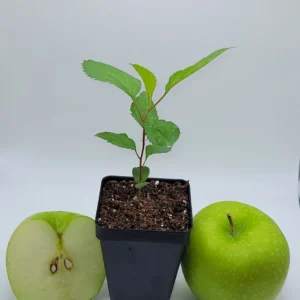
This offering is for one paw paw tree live plant, measuring approximately 1ft tall from the base of the plant to the top. It is a well-rooted specimen, ensuring a robust start in your garden. The plant is shipped in a nursery pot, with its root ball intact and protected, ready for immediate planting upon arrival. Paw Paw trees are known for their moderate to fast growth rate, typically reaching heights of 15–20 feet at maturity, though some can grow taller. They develop a pyramidal to rounded canopy, offering ample shade and an attractive form. Expect your tree to begin producing fruit within 3-5 years after planting, with yields increasing as the tree matures. This particular asimina triloba plant is a young, healthy starter, perfect for establishing a long-term fruit-bearing asset in your home garden.
Frequently Asked Questions
- Q: How big does this paw paw tree live plant get? A: This particular plant is 1ft tall upon arrival. Mature paw paw trees typically grow to a height of 15-20 feet, with some reaching up to 30 feet, forming a lovely rounded canopy.
- Q: Is this an indoor or outdoor plant? A: The paw paw tree live plant is an outdoor fruit tree. It requires significant sunlight and space to grow to its full potential and produce fruit.
- Q: How much sunlight does a paw paw tree need? A: Young paw paw trees prefer partial shade, especially in their first two years. Once established, they thrive in full sun, requiring at least 6-8 hours of direct sunlight daily for best fruit production.
- Q: Is this plant easy to care for? A: Yes, paw paw trees are considered relatively low-maintenance once established. They are tolerant of various conditions and are generally resistant to pests and diseases, making them a good choice for beginners interested in growing paw paw trees.
- Q: What condition will the plant arrive in? A: Your asimina triloba plant will arrive as a well-rooted, healthy 1ft tall specimen, carefully packaged in its nursery pot to ensure its safety during transit.
- Q: When is the best time to plant a paw paw tree? A: The best time to plant your paw paw tree is in early spring after the last frost, or in early fall before the ground freezes, allowing the roots to establish before extreme weather.
- Q: Will it survive winter in my zone? A: Paw paw trees are hardy in USDA Zones 4-9. If you are within these zones, your tree should survive winter, though young plants in colder zones may benefit from some winter protection.
- Q: Can I use the fruit from this paw paw fruit tree? A: Absolutely! The primary purpose of growing a paw paw fruit tree is for its delicious, tropical-flavored fruit. The fruit is best eaten fresh or can be used in desserts and smoothies.
- Q: What kind of soil does a paw paw tree prefer? A: Paw paw trees prefer rich, fertile, and well-draining soil with a slightly acidic to neutral pH. They can tolerate a range of soil types but good drainage is key.
- Q: How long until it starts producing fruit? A: You can typically expect your paw paw tree to start bearing fruit within 3-5 years after planting, with production increasing as the tree matures.


Reviews
There are no reviews yet.