Overview
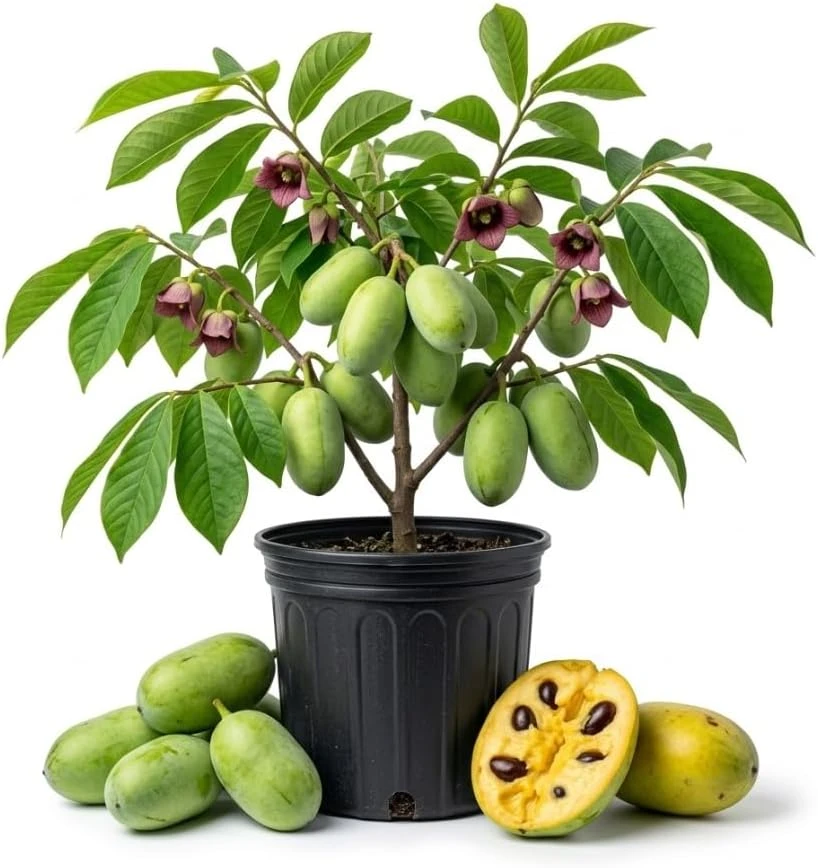
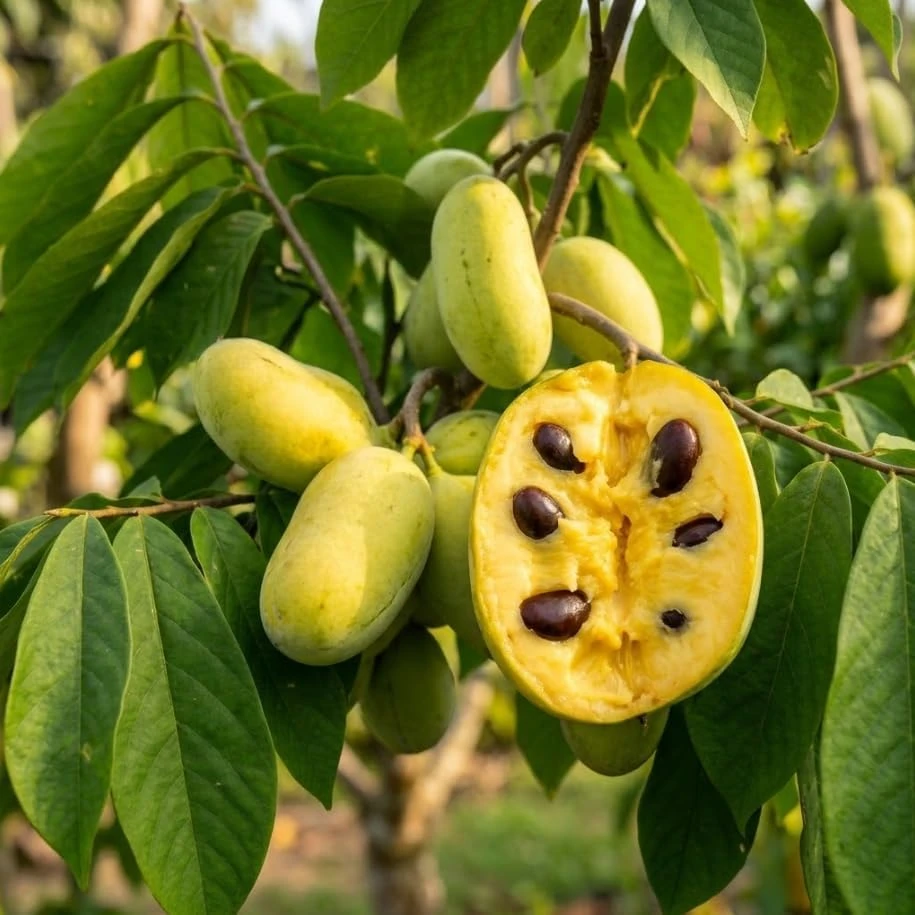
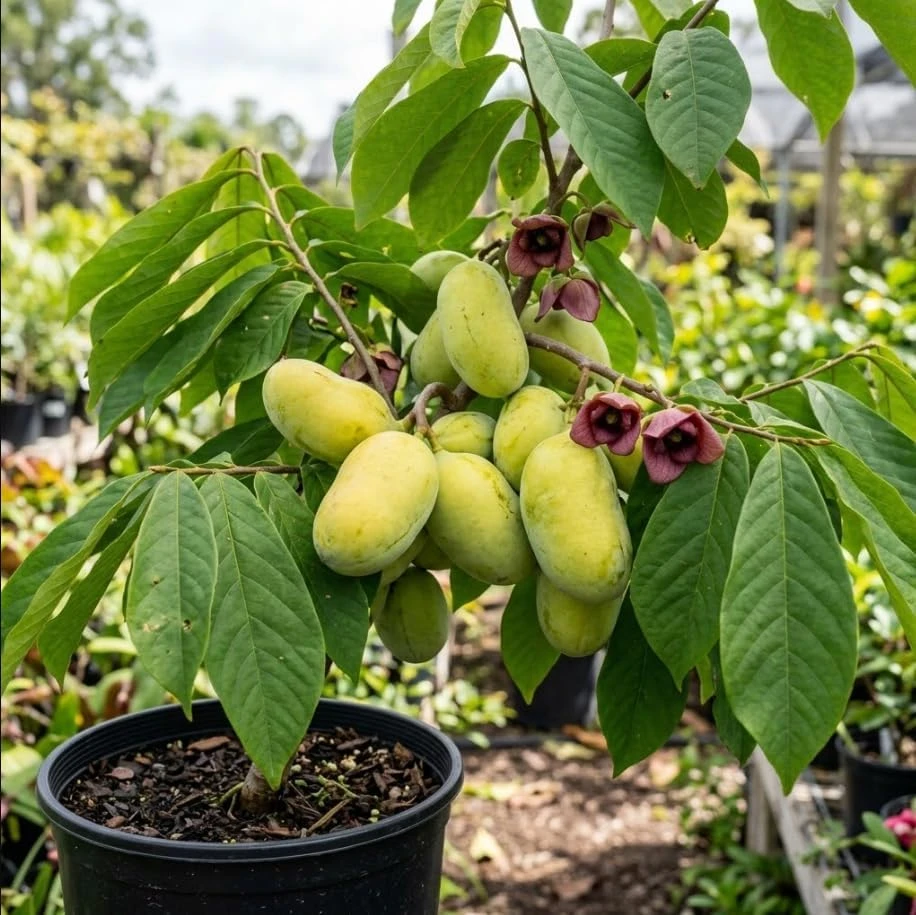
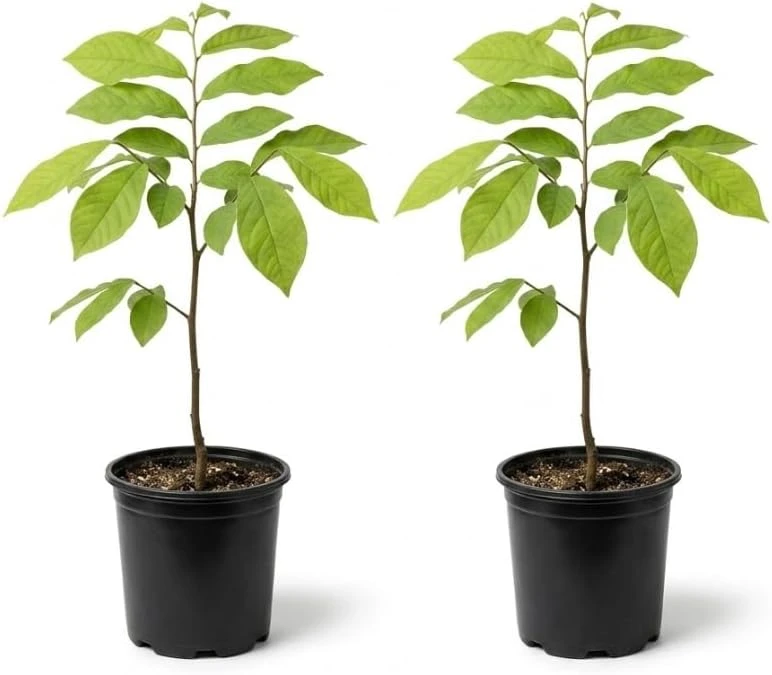
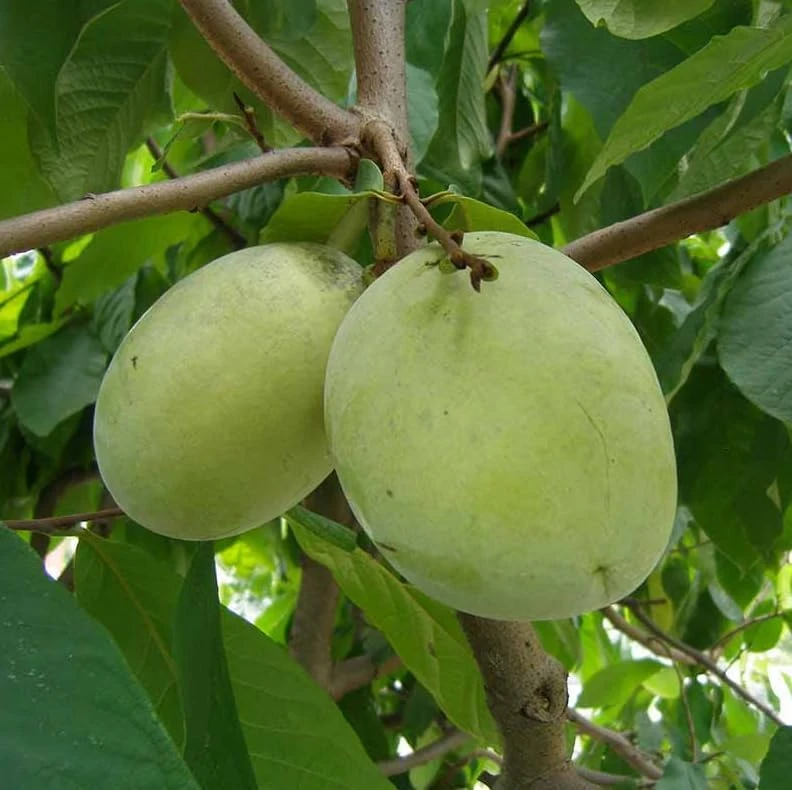
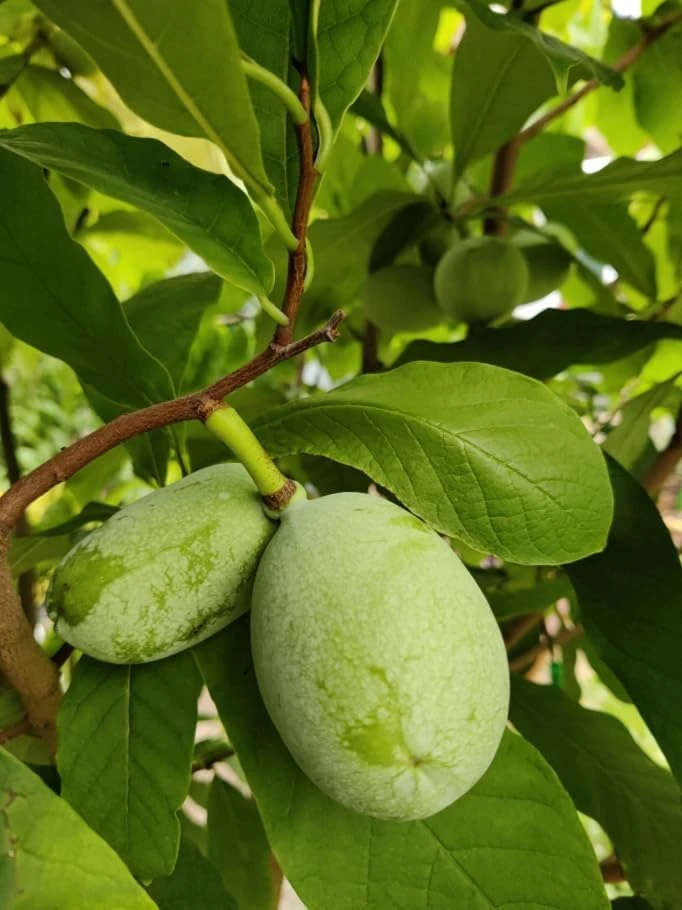
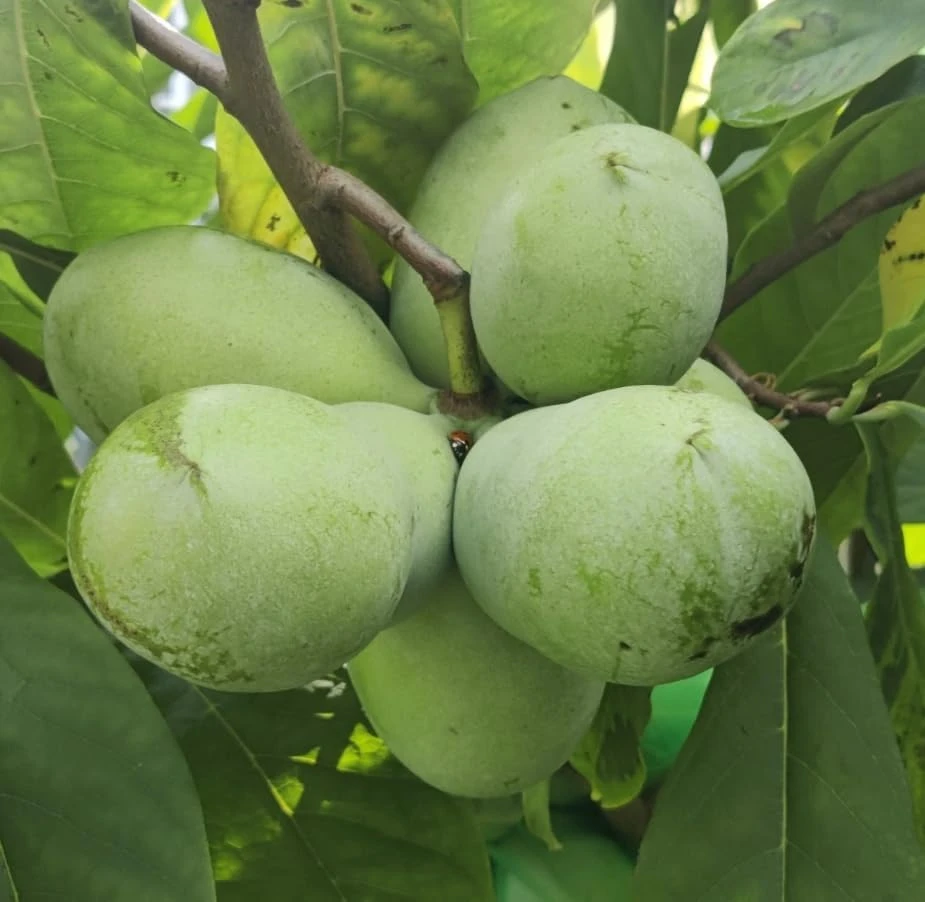
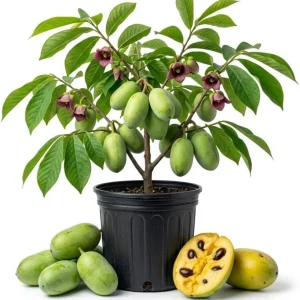
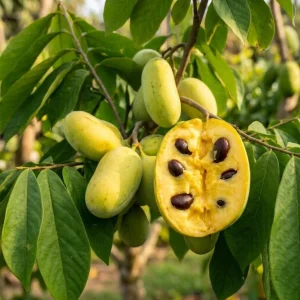
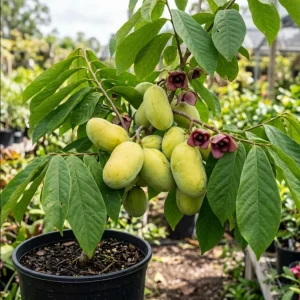
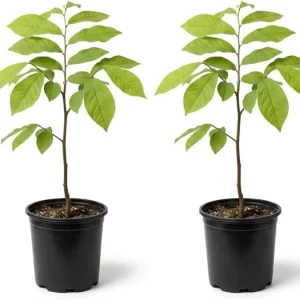
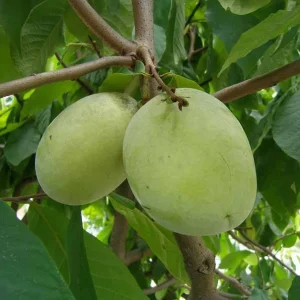
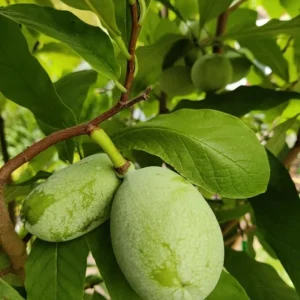
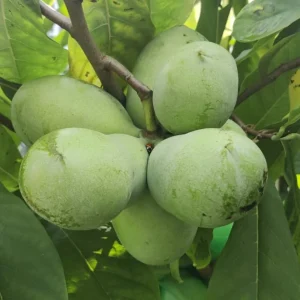
Introduce a truly unique and rewarding specimen to your garden with this paw paw tree live plant. Also known by its botanical name, Asimina triloba, and commonly referred to as the American Pawpaw or hardy banana tree, this deciduous tree is native to the eastern United States. Unlike typical tropical bananas, the Pawpaw thrives in temperate climates, producing large, sweet, custard-like fruit with a flavor often described as a blend of banana, mango, and pineapple. This young, healthy starter plant, approximately 2-3 feet tall and grown in a 1-gallon pot, is 1-2 years old and ready for transplanting into your outdoor garden, food forest, or backyard landscape. It’s an excellent choice for those looking to grow their own delicious, nutrient-rich fruit and add an ornamental touch to their property. While this starter plant will not have fruit or flowers upon arrival, with proper care and establishment, you can anticipate fruit production in 2-4 years, bringing a taste of the wild to your home.
The paw paw tree live plant is a fascinating addition for both edible landscaping enthusiasts and native plant collectors. Its large, tropical-looking leaves contribute significant aesthetic appeal, while its unique fruit offers a gourmet experience not often found in commercial markets. This particular offering provides a robust young tree, carefully cultivated to ensure a strong start in your garden. The Asimina triloba is a low-maintenance, resilient tree that, once established, can become a long-term producer of delectable fruit. Embrace the opportunity to grow this extraordinary native fruit tree and enjoy the distinctive flavors it brings to your table.
Key Benefits
Growing a paw paw tree live plant offers a multitude of benefits, from its unique fruit to its ecological contributions. This remarkable tree is not only a source of delicious, homegrown produce but also an attractive addition to any landscape. Here are some of the key advantages of cultivating your own asimina triloba tree:
- Unique Edible Fruit: Enjoy the distinct, tropical-like flavor of pawpaw fruit, often described as a creamy blend of banana, mango, and pineapple. These fruits are rich in vitamins, minerals, and antioxidants, offering a healthy and delicious treat directly from your garden.
- Hardy & Adaptable: Unlike many tropical fruit trees, the hardy banana tree (Pawpaw) is remarkably resilient to cold, thriving in USDA Zones 5-9. It’s well-suited for a wide range of climates and soil conditions across the US.
- Native Plant: As an American native, the Pawpaw tree supports local ecosystems, providing food for wildlife and acting as a host plant for the beautiful zebra swallowtail butterfly.
- Low Maintenance: Once established, paw paw tree care is relatively straightforward. They are generally disease and pest resistant, requiring minimal intervention compared to many other fruit trees.
- Ornamental Value: With its large, drooping leaves, the Pawpaw tree offers a lush, tropical aesthetic to your landscape, providing excellent shade and visual interest throughout the growing season.
- Food Forest & Permaculture: An ideal candidate for food forests and permaculture designs, the Pawpaw contributes to a diverse and sustainable edible landscape.
Plant Care & Growing Tips
Proper paw paw tree care is essential for a healthy, fruit-producing plant. While generally robust, understanding its specific needs will ensure successful establishment and growth. Pawpaws prefer a location with full sun to partial shade. In hotter climates, some afternoon shade is beneficial to prevent leaf scorch, especially for young trees. Aim for at least 6 hours of direct sunlight per day once established for optimal fruit production. Pawpaw trees are understory trees in their native habitat, so they tolerate some shade, but fruit yield will be lower. The young paw paw tree live plant you receive will benefit from some protection from intense afternoon sun during its first year or two after transplanting.
These trees thrive in well-draining, fertile soil with a slightly acidic to neutral pH (5.5-7.0). Amend heavy clay soils with compost or other organic matter to improve drainage and aeration. Consistent moisture is crucial, especially during the first few years and during fruit development. Water regularly, ensuring the soil remains moist but not waterlogged. Avoid letting the soil dry out completely. A layer of mulch around the base of the tree will help retain soil moisture, suppress weeds, and regulate soil temperature. Fertilize young trees sparingly with a balanced, slow-release fertilizer in spring. Established trees can benefit from an annual application of compost around the drip line. Pawpaws are generally hardy in USDA Zones 5-9, tolerating winter dormancy and resuming active growth when temperatures warm in spring. Protect young trees from severe winter winds if planting in the colder end of their zone. Minimal pruning is required, primarily to remove dead, damaged, or crossing branches to maintain good air circulation and shape.
Size & Details
This offering is for one robust paw paw tree live plant (Asimina triloba), carefully grown and approximately 2-3 feet tall from the base of the pot to the top of the plant. It is a young, vigorous starter plant, typically 1-2 years old, and is currently growing in a 1-gallon nursery pot. This size makes it ideal for transplanting directly into your garden or a larger container. The tree will be shipped potted in its soil, ensuring minimal transplant shock upon arrival. As a starter plant, it will not have flowers or fruit when you receive it. With proper planting and care, pawpaw fruit trees generally begin producing fruit in approximately 2-4 years after becoming established in their permanent location. The growth rate is moderate, and mature trees can reach heights of 15-20 feet, with a spread of 10-15 feet, forming an attractive, somewhat pyramidal shape. This asimina triloba tree is ready to embark on its journey in your landscape, promising future harvests of its unique and delicious fruit.
Frequently Asked Questions
- Q: How big does this plant get and what size pot does it come in? A: This paw paw tree live plant is approximately 2-3 feet tall upon arrival and comes in a 1-gallon nursery pot. Mature trees can reach 15-20 feet tall with a spread of 10-15 feet.
- Q: Is this an indoor or outdoor plant? How much sunlight does it need? A: The asimina triloba tree is an outdoor plant, hardy in USDA Zones 5-9. It prefers full sun to partial shade; in hot climates, some afternoon shade is beneficial. Aim for at least 6 hours of direct sunlight for best fruit production.
- Q: Is this plant easy to care for? Is it good for beginners? A: Yes, the Pawpaw tree is relatively easy to care for once established. It’s a great choice for beginner fruit tree growers due to its hardiness and resistance to most pests and diseases. Consistent watering during establishment is key for good paw paw tree care.
- Q: What condition will it arrive in? Is it shipped in soil? A: Your paw paw tree live plant will arrive carefully packaged, actively growing in its 1-gallon nursery pot with soil. We take great care to ensure it arrives healthy and ready for transplanting.
- Q: How long until it blooms and produces fruit? A: As a young starter plant, it will not have flowers or fruit upon arrival. With proper care and establishment, you can expect your pawpaw fruit tree to begin producing fruit in approximately 2-4 years.
- Q: Will it survive winter in my zone? What’s the minimum temperature? A: This hardy banana tree is cold-hardy and thrives in USDA Zones 5-9. It is accustomed to winter dormancy and can tolerate temperatures well below freezing once established.
- Q: What is the best time to plant this Paw Paw tree? A: The best time to plant your paw paw tree live plant is in the spring or early fall when temperatures are moderate. This allows the tree to establish its root system before extreme summer heat or winter cold.


Reviews
There are no reviews yet.