Overview
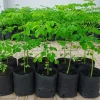
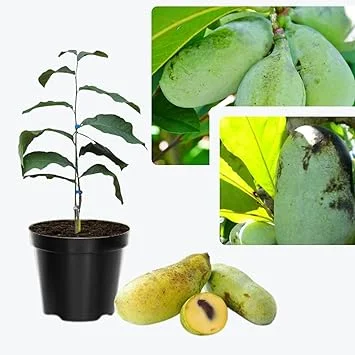
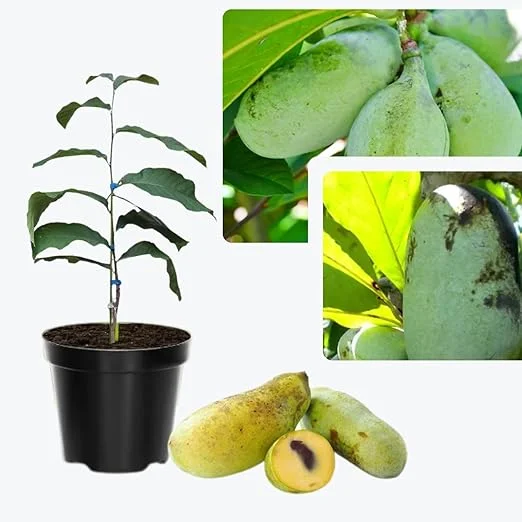
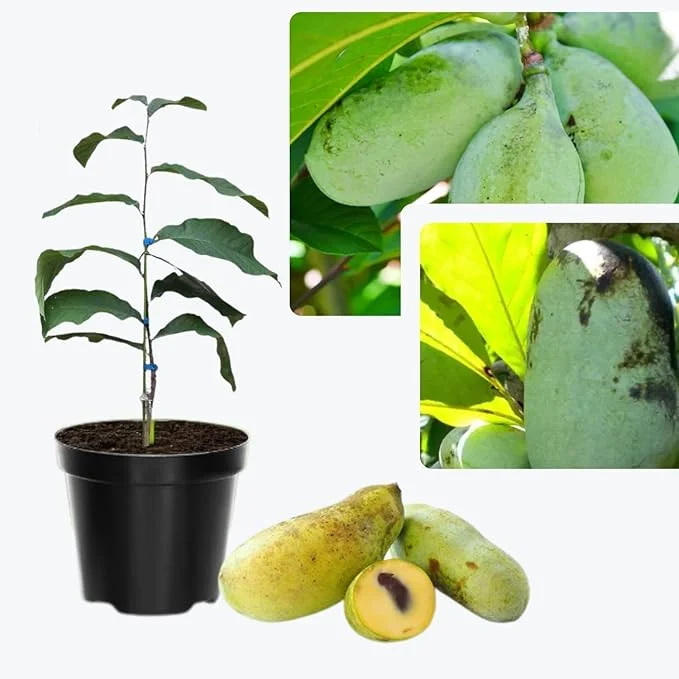
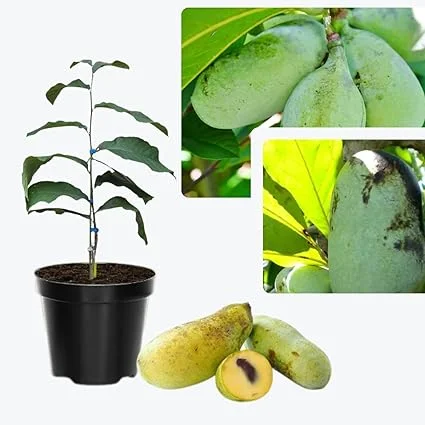
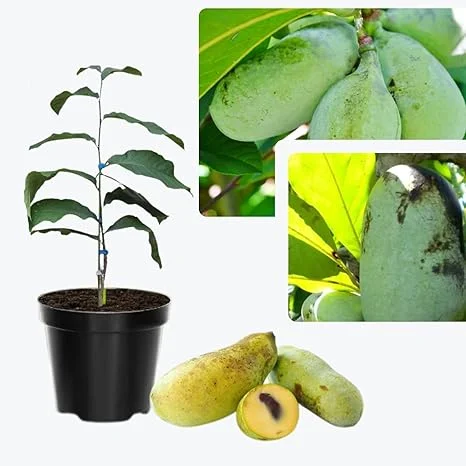
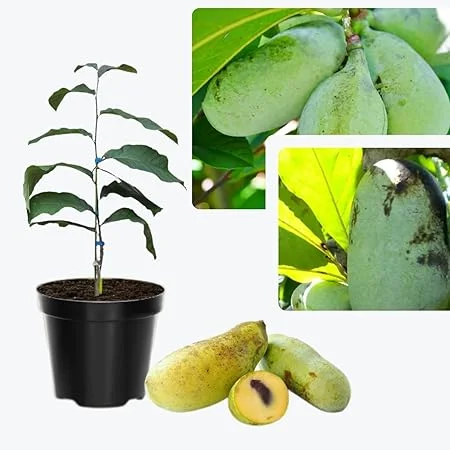
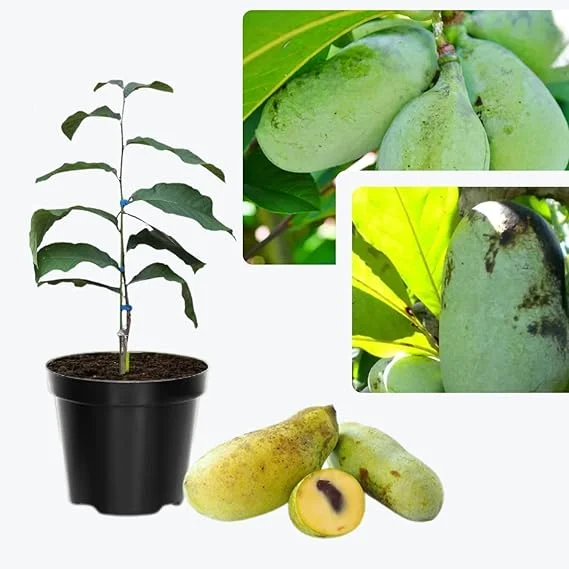
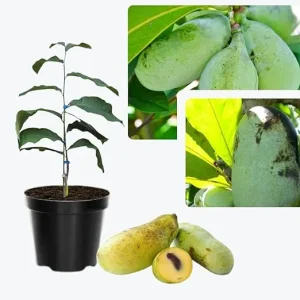
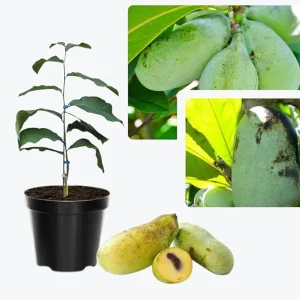
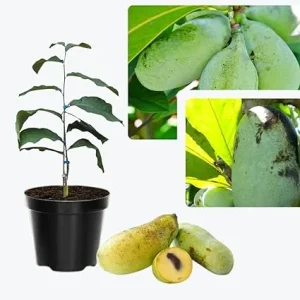
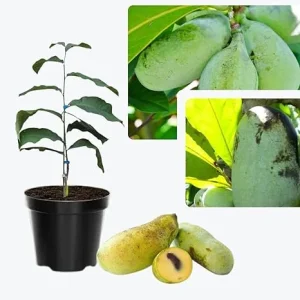
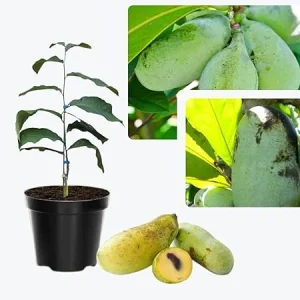
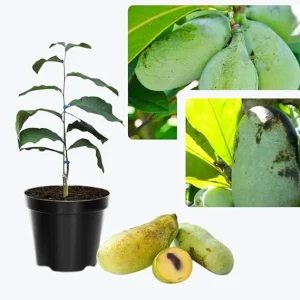
Cultivate a unique and delicious addition to your garden with these paw paw tree live plants. This offering includes two dormant bare root plants, ready for planting and eager to establish themselves in your landscape. The common pawpaw tree, scientifically known as Asimina triloba, is a fascinating native American fruit tree, often overlooked but highly prized for its custardy, tropical-flavored fruit. These young paw paw bare root specimens are an excellent way to introduce this distinctive fruit-bearer into your home garden or orchard. Known for their resilience and adaptability, these trees are a rewarding choice for both novice and experienced gardeners looking to grow something truly special.
The pawpaw is the largest edible fruit indigenous to North America, offering a taste often described as a blend of banana, mango, and pineapple. Our common pawpaw tree plants are carefully selected to ensure vigorous growth and future fruit production. Planting these bare roots provides a cost-effective and efficient method to establish a healthy pawpaw patch. With proper care, these trees will mature into beautiful, fruit-bearing specimens, providing shade and delicious harvests for years to come.
Key Benefits
Investing in paw paw tree live plants brings a multitude of benefits to your garden and culinary adventures. These unique trees offer more than just fruit; they contribute to biodiversity and provide a low-maintenance option for edible landscaping.
- Unique Fruit Production: Enjoy the distinct, creamy, tropical-flavored fruit that ripens in late summer to early fall. The pawpaw offers a taste experience unlike any other fruit grown in temperate climates, making it a garden highlight.
- Native & Resilient: As a native North American tree, the common pawpaw tree is naturally adapted to a wide range of conditions, making it relatively pest and disease resistant. It thrives with minimal intervention once established.
- Cold Hardy: These plants are well-suited for temperate climates, thriving in USDA Zones 5–9. They can tolerate cold winters and warm summers, making them a versatile choice for many regions.
- Low Maintenance: Once established, growing paw paw trees requires less intensive care compared to many other fruit trees. They are self-sufficient and require only basic pruning and watering.
- Ecological Value: Pawpaw trees serve as a host plant for the zebra swallowtail butterfly larvae, contributing to local ecosystems and attracting beneficial wildlife to your garden.
- Shade & Beauty: Beyond their fruit, pawpaw trees offer attractive foliage and can grow into small to medium-sized trees, providing natural beauty and dappled shade in your landscape.
- Beginner-Friendly: Starting with paw paw bare root plants is a straightforward process, making these an excellent choice for gardeners new to fruit tree cultivation.
Plant Care & Growing Tips
Caring for your paw paw tree live plants is a rewarding experience that will lead to delicious harvests. While generally low-maintenance, understanding their specific needs during establishment and growth is crucial. Pawpaws prefer full sun for optimal fruit production, though young trees benefit from some partial shade for their first year or two to prevent sunscald on their tender bark. Once mature, these trees can tolerate and even prefer direct sunlight for at least 6-8 hours daily.
These trees thrive in deep, fertile, well-draining soil with a pH between 5.5 and 7.0. While they prefer consistent moisture, they do not like waterlogged conditions, so ensure good drainage. Regular watering is essential during the establishment phase, especially during dry spells. Once mature, growing paw paw trees become more drought-tolerant, but supplemental watering during prolonged dry periods will benefit fruit development. Fertilize sparingly in the first few years with a balanced organic fertilizer, gradually increasing as the tree matures. Protect young trees from strong winds, and consider mulching around the base to retain soil moisture and regulate temperature.
Pawpaw trees are hardy in USDA Zones 5–9, meaning they can withstand winter temperatures down to -20°F (-29°C). Pruning should be minimal, focusing on removing dead, damaged, or crossing branches to maintain good air circulation and tree structure. Note that pawpaws are often not self-pollinating; for fruit production, it’s best to plant at least two different genetic varieties to ensure cross-pollination. These asimina triloba plant specimens are a fantastic starting point for your edible landscape.
Size & Details
This offering includes two paw paw tree live plants, provided as dormant bare roots. Each bare root measures approximately 6 to 11 inches in height from the root collar to the tip. Bare root plants are shipped without soil around their roots, which is a common and effective method for shipping deciduous trees during their dormant season. This allows for easier transplanting and establishment in your garden. Pawpaw trees are known for their moderate growth rate, typically reaching a mature height of 15 to 20 feet, though some specimens can grow up to 25 feet under ideal conditions. They develop a pyramidal or rounded crown, providing excellent shade.
When you receive your paw paw bare root plants, it’s important to plant them as soon as possible. The trees will begin to leaf out in spring, and with proper care, you can expect them to start producing fruit within 3 to 5 years after planting. The final size and fruit yield of your common pawpaw tree will depend on your local growing conditions, soil quality, and care practices. These plants are suitable for outdoor planting in home gardens, orchards, or along property edges.
Frequently Asked Questions
- Q: How big will these paw paw tree live plants get? A: These paw paw tree live plants are currently 6 to 11 inches tall as bare roots. Mature pawpaw trees typically grow to a height of 15 to 20 feet, with some reaching up to 25 feet under optimal conditions, developing a spread of about 10 to 15 feet.
- Q: Are these paw paw bare root plants easy to grow for beginners? A: Yes, growing paw paw trees from bare roots is a straightforward process, especially for gardeners in suitable climates. They are relatively low-maintenance once established, making them a good choice for beginners interested in unique fruit trees.
- Q: How much sunlight does a common pawpaw tree need? A: Mature common pawpaw tree plants thrive in full sun, needing at least 6-8 hours of direct sunlight daily for best fruit production. However, young trees benefit from partial shade during their first year or two to protect their tender bark from sunscald.
- Q: When is the best time to plant these paw paw bare root plants? A: The best time to plant dormant paw paw bare root plants is in early spring, after the last hard frost but before the trees break dormancy and begin to leaf out. This allows them to establish roots before the stress of summer heat.
- Q: Will I get fruit from just one paw paw tree? A: Pawpaw trees are usually not self-pollinating. For successful fruit production, it is highly recommended to plant at least two genetically different asimina triloba plant varieties within close proximity to ensure cross-pollination.
- Q: What kind of soil is best for growing paw paw trees? A: Growing paw paw trees prefer deep, fertile, well-draining soil with a slightly acidic to neutral pH (5.5-7.0). They do not tolerate waterlogged conditions, so good drainage is crucial.
- Q: What USDA Zones are these paw paw trees suitable for? A: These paw paw tree live plants are hardy and thrive in USDA Zones 5-9, tolerating a wide range of winter and summer temperatures.
- Q: How long until these paw paw trees produce fruit? A: With proper care, you can typically expect your paw paw bare root plants to begin producing fruit within 3 to 5 years after planting.
- Q: What condition will the bare root plants arrive in? A: The paw paw tree live plants will arrive dormant, meaning they will not have leaves and their roots will be wrapped to keep them moist. This is the ideal state for bare root planting.


Reviews
There are no reviews yet.