Overview
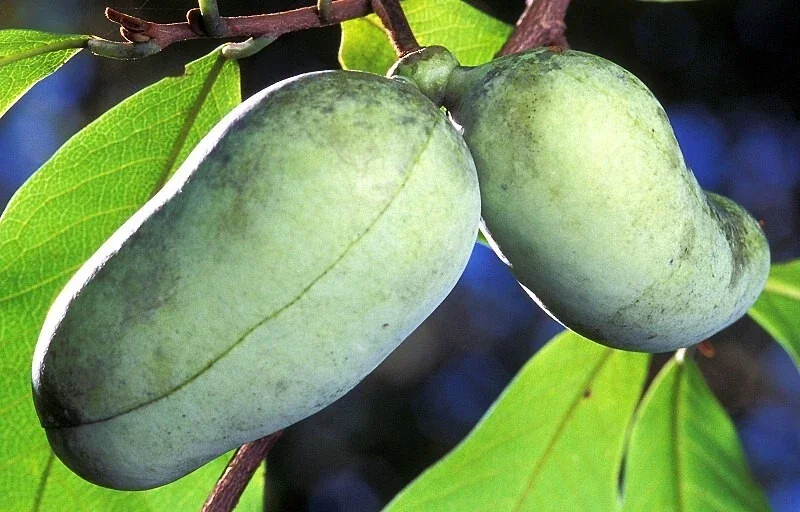
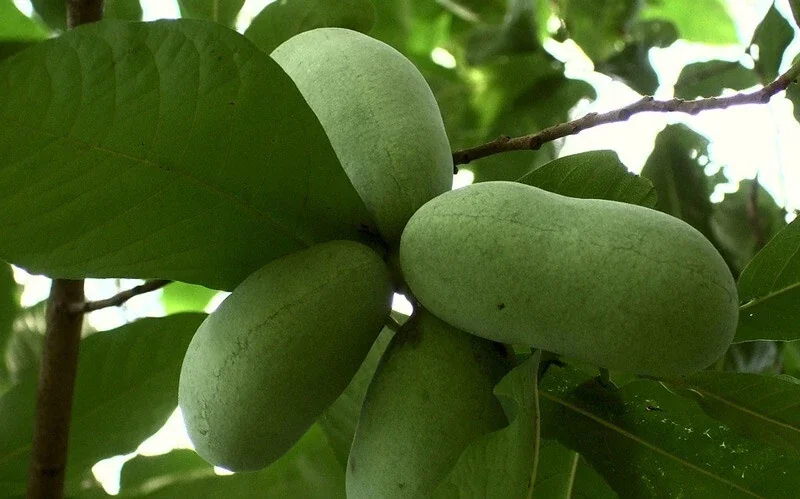
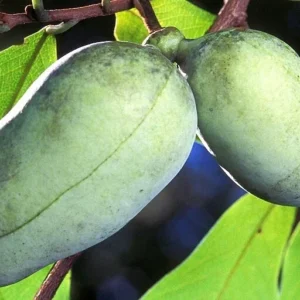
Discover the joy of growing your own exotic fruit with this pawpaw tree live plant. This 1 ft tall, rooted specimen of Asimina triloba, also known as the Pawpaw or American Custard Apple, is a unique and rewarding addition to any garden. The pawpaw is the largest edible fruit native to North America, offering a delightful tropical flavor reminiscent of banana, mango, and pineapple. This deciduous tree features broadleaf foliage that transitions beautifully with the seasons. Ideal for those looking to add a touch of novelty and delicious, homegrown fruit to their outdoor space, this pawpaw tree live plant is ready to thrive in your landscape.
Our pawpaw tree live plant is carefully cultivated to ensure a strong root system, providing a healthy start for your new tree. Pawpaw trees are known for their resilience and ability to adapt to various growing conditions, making them a fantastic choice for both experienced gardeners and enthusiastic beginners. With its distinctive fruit and attractive appearance, the asimina triloba offers both ornamental and practical value.
Key Benefits
Adding a pawpaw tree live plant to your garden provides numerous benefits, from delicious fruit to ecological advantages. These trees are not only easy to care for but also contribute to local biodiversity.
- Delicious Edible Fruit: Enjoy the unique, tropical-flavored fruit of the pawpaw tree live plant, perfect for eating fresh, making desserts, or adding to smoothies. The fruit is rich in vitamins and minerals.
- Cold Resistant & Hardy: This cold hardy fruit tree is well-suited for temperate climates, able to withstand colder temperatures than many other fruit-bearing trees, ensuring successful growth in a wide range of USDA zones.
- Deciduous Beauty: The broadleaf foliage provides seasonal interest, with lush green leaves in summer and attractive yellow hues in the fall before dropping for winter.
- Low Maintenance: Once established, the pawpaw tree live plant requires minimal care, making it an excellent choice for busy gardeners seeking rewarding results without constant effort.
- Attracts Wildlife: Pawpaw trees are host plants for the zebra swallowtail butterfly, adding beauty and supporting local ecosystems.
- Unique Garden Addition: Stand out from traditional fruit trees with the unusual and fascinating asimina triloba, a conversation starter in any garden.
- Pet Safe: The pawpaw tree is considered pet-safe, allowing you to enjoy its beauty and fruit without worry for your furry friends.
Plant Care & Growing Tips
Caring for your pawpaw tree live plant is straightforward, ensuring a healthy and productive tree for years to come. These trees thrive with proper attention to sunlight, soil, and watering. For optimal growth, ensure your young asimina triloba receives adequate care.
Pawpaw trees prefer a location with Full Sun exposure, ideally receiving at least 6-8 hours of direct sunlight per day for best fruit production. However, young trees benefit from some partial shade during their first year or two to protect them from intense afternoon sun. They are adaptable to a wide range of climates, thriving in USDA Zones 5-9. The ideal soil type is a rich, well-draining loam. While they tolerate various soil conditions, good drainage is crucial to prevent root rot. Amend heavy clay soils with compost and organic matter to improve structure and drainage. Water regularly, especially during dry periods and for newly planted trees, ensuring the soil remains consistently moist but not waterlogged. Established trees are more drought-tolerant but will benefit from supplemental watering during prolonged dry spells.
Fertilize your pawpaw tree live plant in spring with a balanced, slow-release fertilizer formulated for fruit trees. Avoid over-fertilizing, especially with high-nitrogen formulas, as this can promote leafy growth at the expense of fruit. Pruning is generally minimal for pawpaw trees; focus on removing dead, damaged, or crossing branches to maintain good air circulation and shape. Watch out for common pests like the pawpaw peduncle borer, though pawpaws are generally resistant to most serious diseases and pests. This edible fruit tree is a resilient grower, and following these tips will ensure a bountiful harvest.
Size & Details
This offering includes one pawpaw tree live plant, rooted and ready for planting, typically measuring up to 1 ft tall. This size is ideal for establishing quickly in your garden, allowing you to enjoy its growth and eventual fruit production. The tree is shipped as a bare-root seedling, ensuring a robust root system for successful transplanting. While growth rates can vary based on environmental factors and care, pawpaw trees generally exhibit a moderate growth rate, reaching mature heights of 15-20 feet over several years.
Expect your pawpaw tree live plant to begin producing fruit within 3-5 years after planting, depending on care and growing conditions. For optimal pollination and fruit set, it is highly recommended to plant at least two pawpaw trees, as most varieties are not self-pollinating. Consider planting another cold hardy fruit tree alongside for best results.
Frequently Asked Questions
- Q: How tall is this pawpaw tree live plant upon arrival? A: This pawpaw tree live plant is typically up to 1 ft tall when shipped, providing a well-established root system for successful planting and growth.
- Q: Is this an indoor or outdoor plant? A: The pawpaw tree live plant is an outdoor tree, best suited for planting in gardens and landscapes where it can receive adequate sunlight and space to grow. It is a cold hardy fruit tree.
- Q: How much sunlight does a pawpaw tree need? A: Pawpaw trees thrive in full sun, requiring at least 6-8 hours of direct sunlight daily for optimal fruit production. Young trees may benefit from some afternoon shade initially.
- Q: Is this plant easy to care for? A: Yes, once established, the asimina triloba is relatively low-maintenance. It requires consistent watering during establishment and prefers well-draining soil.
- Q: What condition will the plant arrive in? A: The pawpaw tree live plant will arrive as a rooted bare-root seedling, carefully packaged to ensure its health and vitality during transit.
- Q: How long until this pawpaw tree produces fruit? A: Under ideal growing conditions, you can expect your pawpaw tree live plant to start producing fruit within 3-5 years after planting.
- Q: What kind of soil does a pawpaw tree prefer? A: Pawpaw trees prefer rich, well-draining loamy soil. Amending heavy clay soils with organic matter can improve drainage and support healthy root development for this edible fruit tree.
- Q: Will it survive winter in my zone? A: Pawpaw trees are quite cold-hardy, typically thriving in USDA Zones 5-9. They are deciduous and can withstand significant winter temperatures.
- Q: Do I need more than one pawpaw tree for fruit? A: Yes, most pawpaw varieties are not self-pollinating. For successful fruit production, it is highly recommended to plant at least two different pawpaw trees to ensure cross-pollination.
- Q: Is the pawpaw tree pet-safe? A: Yes, the pawpaw tree live plant is generally considered safe for pets, making it a worry-free addition to a pet-friendly garden.


Reviews
There are no reviews yet.