Overview
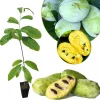
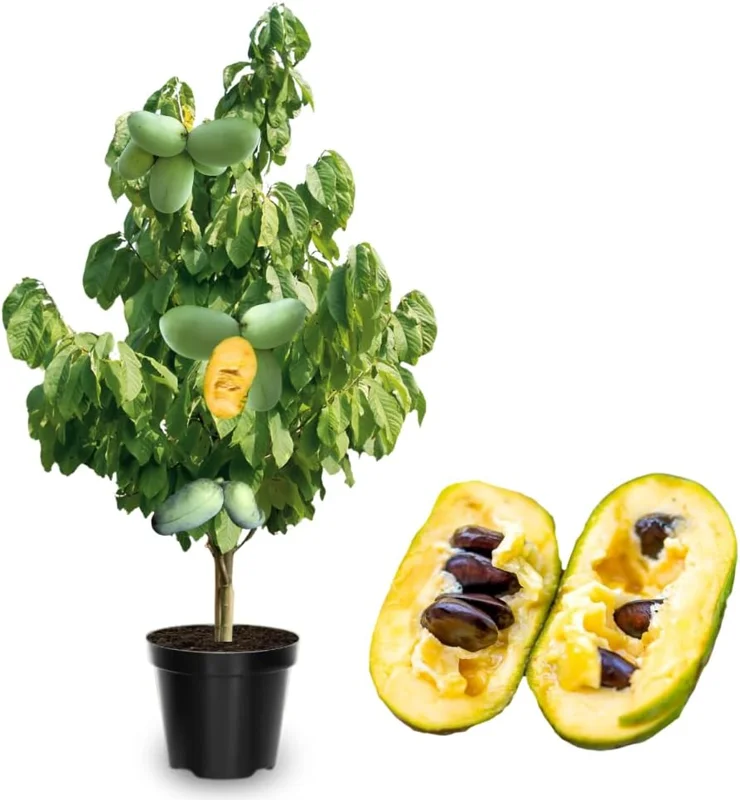
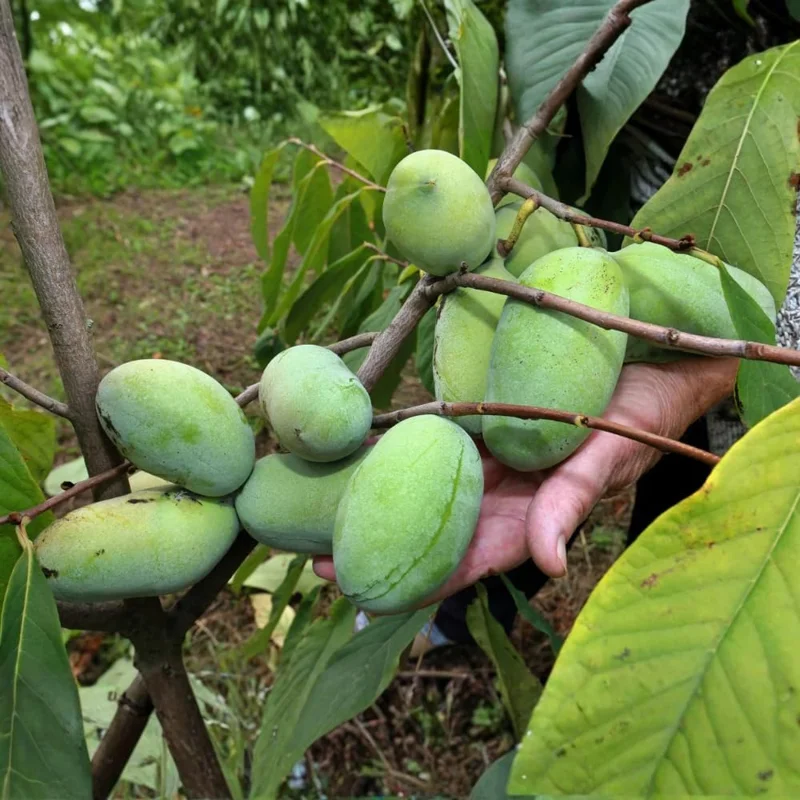
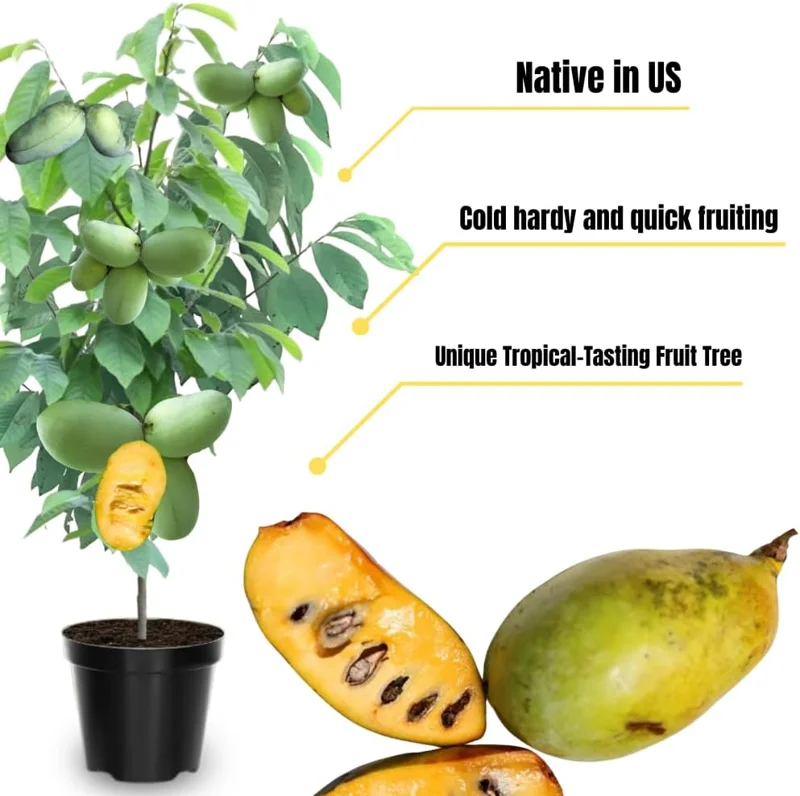
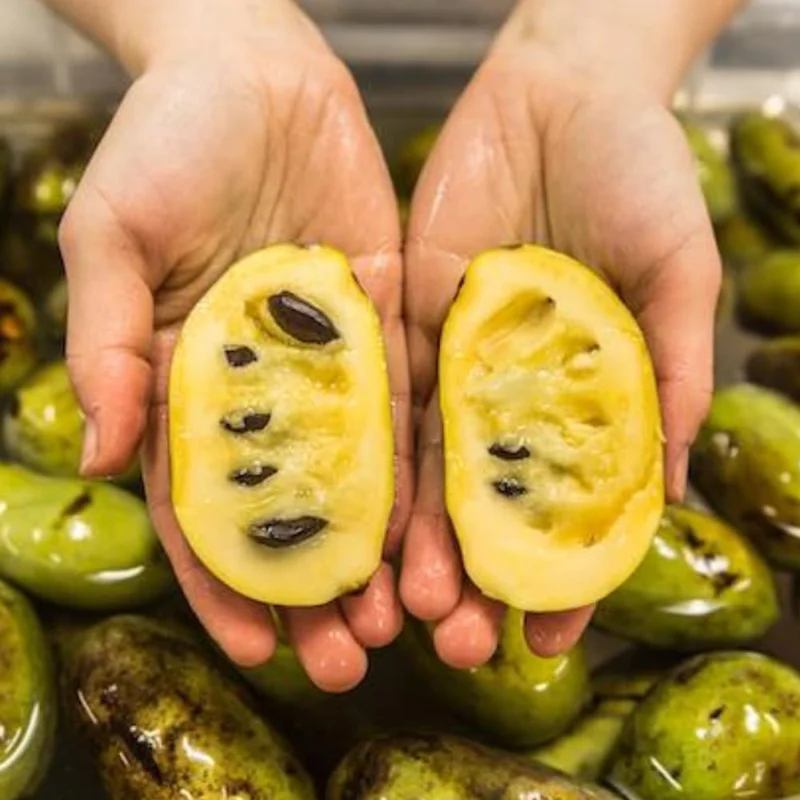
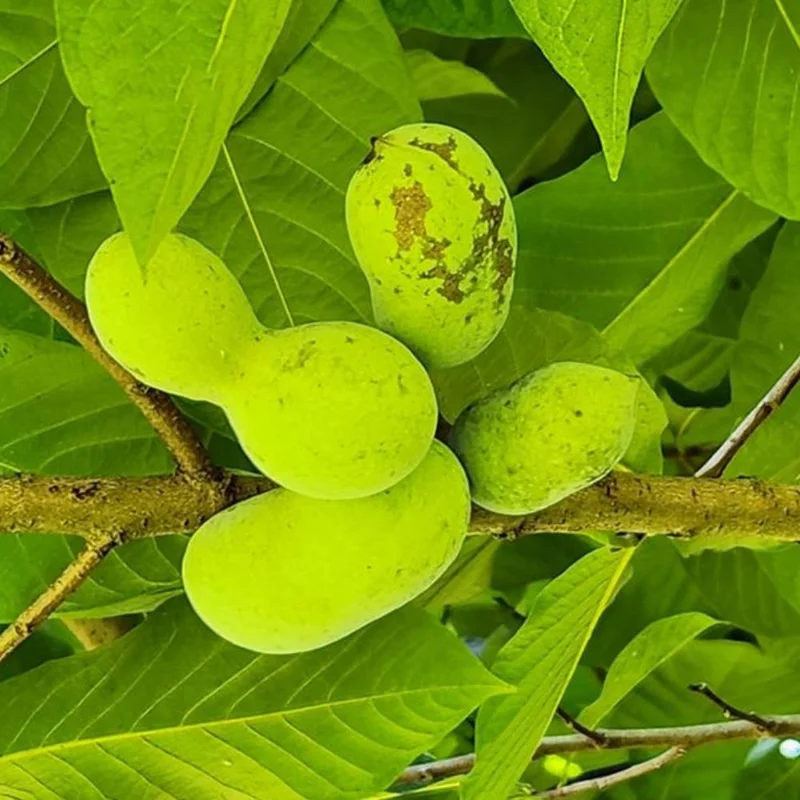
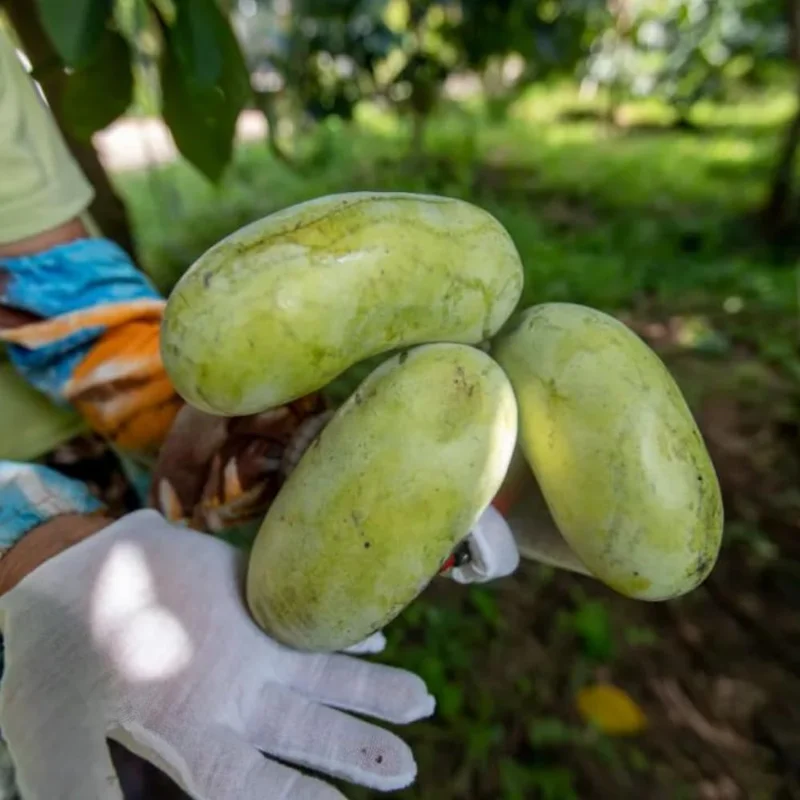
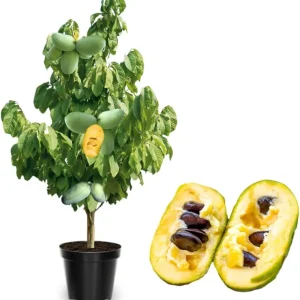
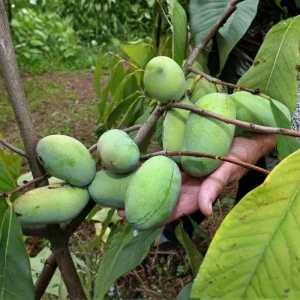
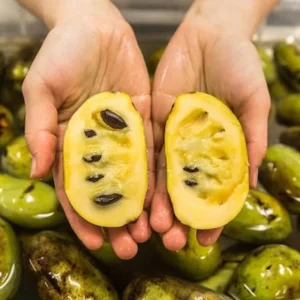
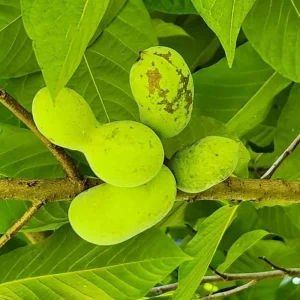
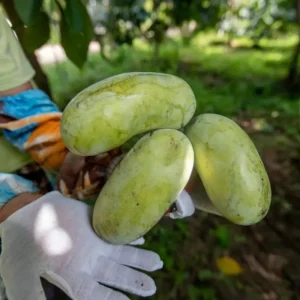
Discover the joy of growing North America’s largest native fruit with our pawpaw tree live plant. This offering is for a robust 3-year-old tree, carefully cultivated and shipped in a dormant state, ensuring a smooth transition to your garden. Standing up to 2.5 feet tall, this young tree is ready to establish itself and eventually bear the unique, tropical-flavored pawpaw fruit. Known scientifically as Asimina triloba, the pawpaw tree is a fascinating and rewarding addition to any landscape, providing not only delicious fruit but also an attractive, shade-tolerant understory tree. Its distinctive flavor, often described as a blend of mango, banana, and pineapple, makes it a highly sought-after delicacy by those who appreciate native edibles. Planting a pawpaw tree live plant is an investment in future harvests and a step towards a more diverse and sustainable garden ecosystem.
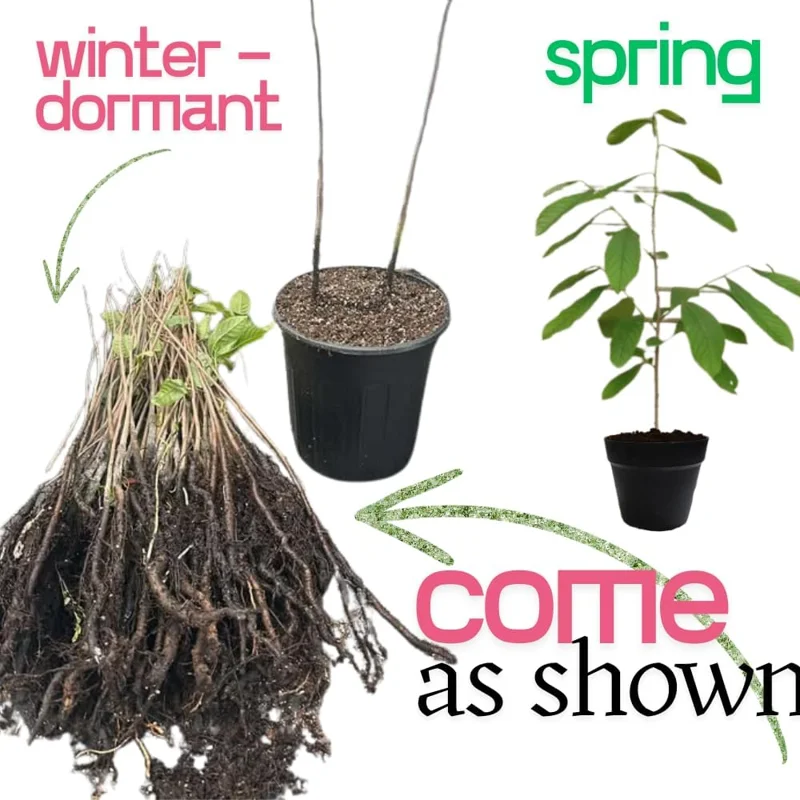
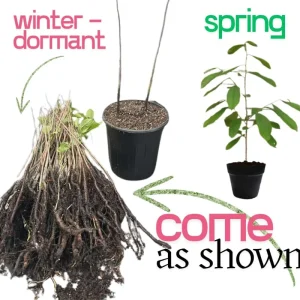
Our 3-year-old dormant pawpaw tree is an excellent choice for both novice and experienced gardeners. It has already passed the critical initial growth stages, giving it a head start in your garden. The dormant state is the ideal time for planting, minimizing transplant shock and allowing the tree to focus its energy on root development once temperatures warm. This specific offering is designed to provide you with a healthy, well-established young tree that will thrive with proper care, promising a bountiful future of delicious, home-grown pawpaws. Embrace the opportunity to cultivate this unique and often overlooked native fruit in your own backyard.
Key Benefits
Adding a pawpaw tree live plant to your garden offers a multitude of benefits, both aesthetic and practical. These trees are not only producers of delectable fruit but also contribute to the local ecosystem and provide a unique visual appeal.
- Unique Fruit Production: Enjoy the distinct, custardy flavor of pawpaw fruit, a rare treat that cannot typically be found in grocery stores. Growing your own allows you to experience this native delicacy fresh from the tree.
- Native & Eco-Friendly: As a native North American tree, the pawpaw supports local wildlife and requires less intervention once established compared to non-native species, contributing to biodiversity.
- Shade Tolerance: Unlike many fruit trees, pawpaws thrive in partial shade, especially when young, making them suitable for understory planting or areas with filtered sunlight.
- Low Maintenance: Once established, pawpaw tree live plants are relatively low maintenance, hardy, and resistant to many common pests and diseases, simplifying your gardening efforts.
- Attractive Foliage: The large, tropical-looking leaves provide a lush, ornamental appeal, turning a beautiful golden-yellow in the fall, adding seasonal interest to your landscape.
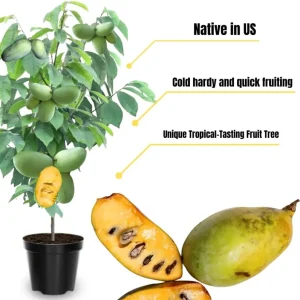
- Hardy & Resilient: These trees are very cold hardy, surviving winters in USDA zones 5-9, making them a reliable choice for a wide range of climates.
- Conversation Starter: The unusual nature of the pawpaw fruit and tree often sparks curiosity and conversation among garden visitors, enhancing your garden’s unique charm.
Plant Care & Growing Tips
Proper care is essential for your pawpaw tree live plant to thrive and produce fruit. While relatively hardy, understanding its specific needs will ensure a successful establishment and healthy growth. Pawpaws prefer full sun to partial shade; young trees (especially the first year) benefit from some afternoon shade to prevent leaf scorch, while mature trees need at least 6-8 hours of direct sunlight for optimal fruit production. Ensure the planting site has well-draining soil, as pawpaws do not tolerate standing water. A slightly acidic to neutral pH (5.5-7.0) is ideal. When planting your dormant pawpaw tree, dig a hole twice as wide as the root ball and just as deep. Gently spread the roots and backfill with native soil, avoiding deep planting. Water thoroughly after planting.
Watering is crucial during the first few years, especially during dry spells. Keep the soil consistently moist but not waterlogged. Once established, pawpaws are more drought-tolerant. Fertilize sparingly in the spring with a balanced, slow-release fertilizer, or use compost. Avoid high-nitrogen fertilizers. Pruning is generally minimal, focusing on removing dead, damaged, or crossing branches to maintain good air circulation and shape. Pawpaws are typically pest and disease resistant, but monitor for any issues. Remember that pawpaws are not self-pollinating; you will need at least two genetically different trees to grow pawpaw fruit successfully. If space is limited, consider planting two trees relatively close to each other. Protecting young trees from deer browse may also be necessary in some areas.
Understanding how to pawpaw plant care will lead to a healthy and productive tree. This includes careful consideration of its environmental needs and preventative measures against potential challenges. While pawpaws are generally robust, a little attention to detail in their early years can make a significant difference in their long-term success. These trees are a long-term investment, and with good care, they will reward you with delicious fruit for many years to come.
Size & Details
This offering is for one pawpaw tree live plant, which is 3 years old and arrives in a dormant state, perfectly prepared for planting. The tree will measure up to 2.5 feet (30 inches) in height upon arrival, featuring a well-developed root system ready to establish in your garden. Pawpaws are known for their moderate growth rate, typically reaching 15 to 30 feet tall at maturity, with a spread of 15 to 20 feet. The spread can be managed with proper pruning. This young tree is shipped bare root or with a minimal amount of soil to ensure safe and efficient transport, minimizing stress during transit. Expect fruit production to begin in approximately 3-5 years after planting, depending on growing conditions and pollination success. The tree is suitable for USDA Hardiness Zones 5 to 9, making it a versatile choice for many regions across the United States. Its ability to thrive in these zones ensures that many gardeners can successfully grow pawpaw fruit.
Frequently Asked Questions
- Q: How big will this pawpaw tree get? A: This pawpaw tree live plant is 3 years old and up to 2.5 feet tall upon arrival. At maturity, pawpaw trees typically reach heights of 15 to 30 feet and can spread 15 to 20 feet.
- Q: Is this an indoor or outdoor plant? A: The pawpaw tree is an outdoor plant, native to temperate climates. It requires outdoor conditions to thrive and produce fruit.
- Q: How much sunlight does a pawpaw tree need? A: Young pawpaw trees (especially the first year) prefer partial shade to protect them from intense afternoon sun. Mature trees need at least 6-8 hours of full sun daily for the best fruit production.
- Q: Is this plant easy to care for? A: Pawpaw trees are relatively easy to care for once established. They require consistent watering in their early years and minimal pruning. Following basic pawpaw plant care guidelines will ensure success.
- Q: What condition will the plant arrive in? A: Your dormant pawpaw tree will arrive as a 3-year-old live plant, dormant and with a healthy root system, ready for immediate planting. This dormant state is ideal for transplanting.
- Q: How long until it blooms or produces fruit? A: Pawpaw trees typically begin to flower and produce fruit 3-5 years after planting. You will need at least two genetically different trees for successful cross-pollination and fruit set.
- Q: What USDA zones is this pawpaw tree suitable for? A: This pawpaw tree is hardy and suitable for planting in USDA Hardiness Zones 5 through 9, making it adaptable to a wide range of climates.
- Q: Do I need more than one pawpaw tree to get fruit? A: Yes, pawpaw trees are not self-pollinating. You generally need at least two genetically distinct pawpaw trees for successful cross-pollination and to grow pawpaw fruit.
- Q: What type of soil does a pawpaw tree prefer? A: Pawpaw trees prefer well-draining, fertile soil with a slightly acidic to neutral pH (5.5-7.0). They do not tolerate heavy, waterlogged soils.
- Q: Can I grow pawpaw fruit in a container? A: While possible for a short period, pawpaws develop a deep taproot and are best suited for planting directly in the ground to achieve their full growth potential and produce ample fruit.


Reviews
There are no reviews yet.