Overview
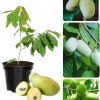
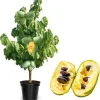
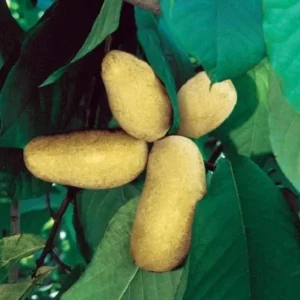
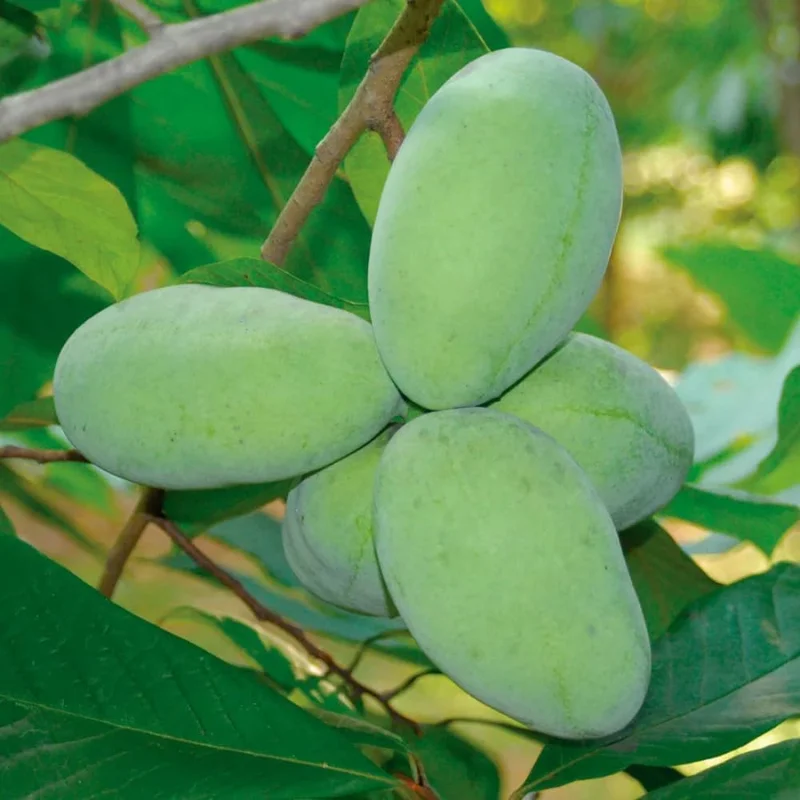
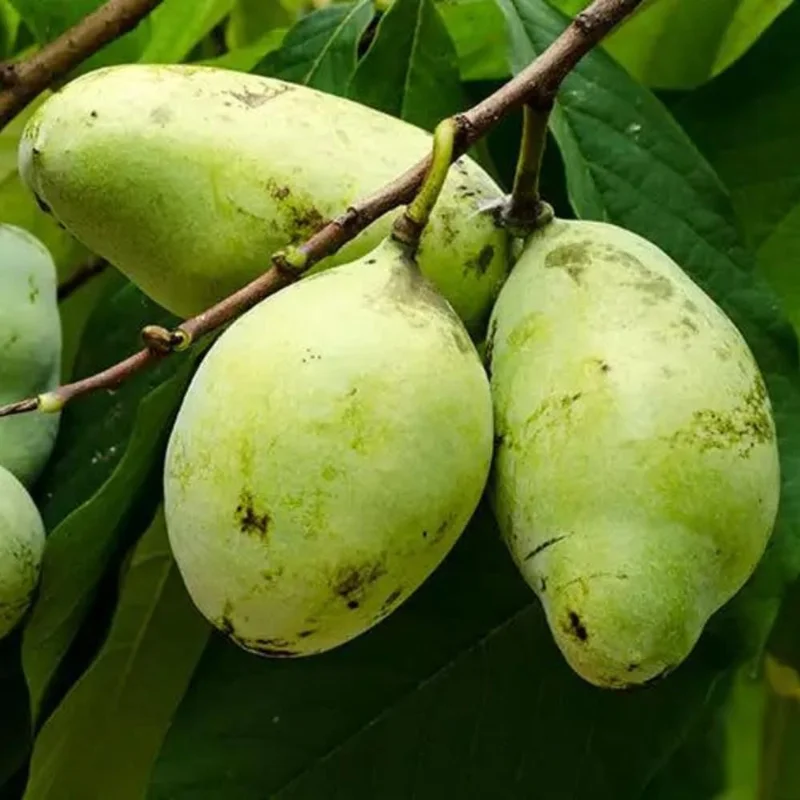
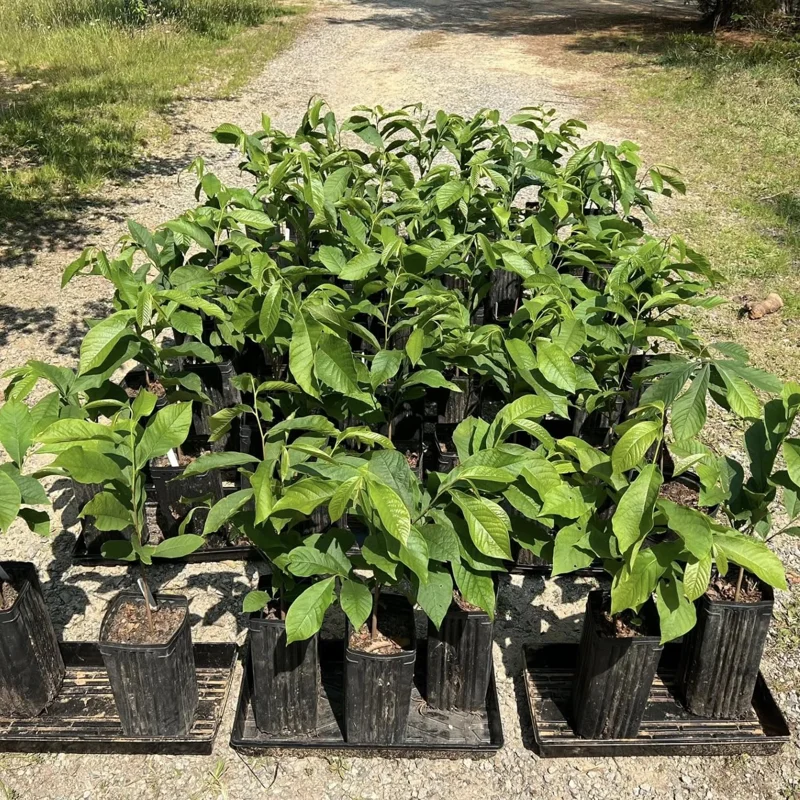
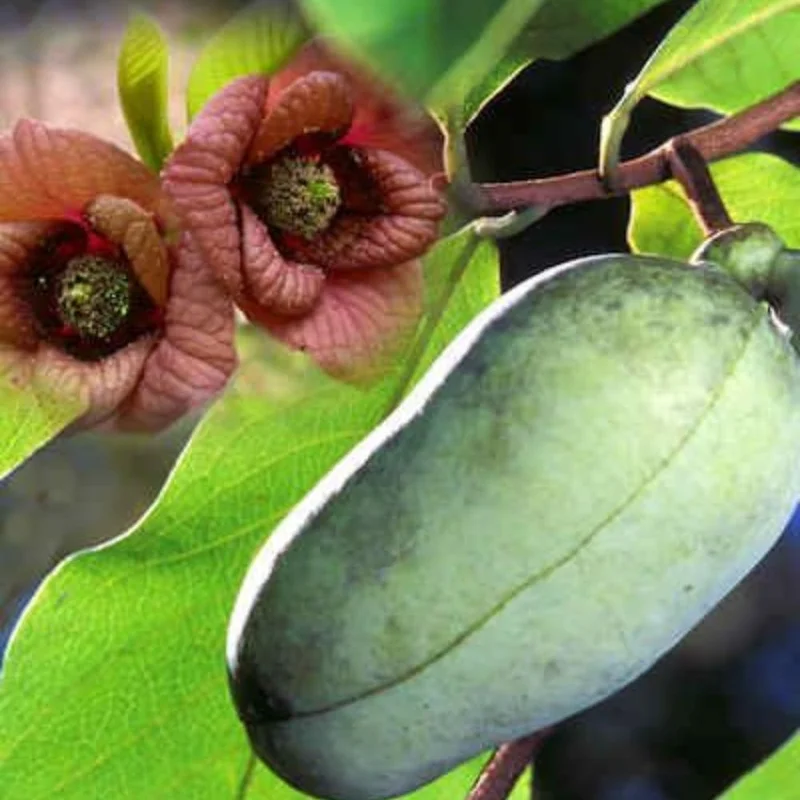
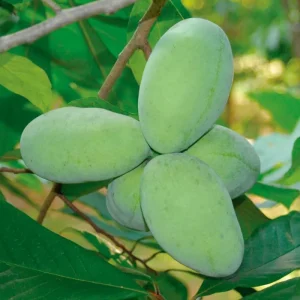
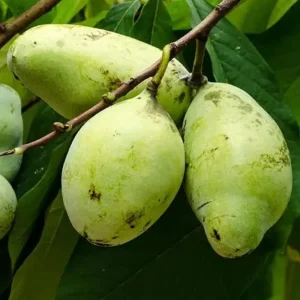
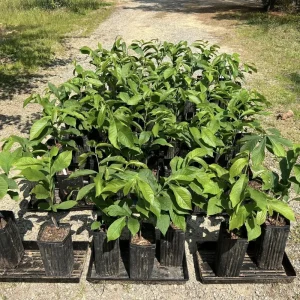
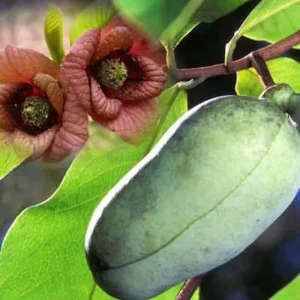
Bring the taste of the tropics to your backyard with a pawpaw tree live plant. This unique and fascinating fruit tree, scientifically known as Asimina triloba, is a native North American species renowned for its delicious, custard-like fruit. Unlike many tropical fruits, the pawpaw is remarkably cold-hardy, making it an excellent choice for home orchard enthusiasts in temperate climates. Our live pawpaw tree, standing 6-8 inches tall, is well-rooted and ready for transplanting into your garden or orchard. Expect a medium-sized tree with lush, tropical-looking foliage that not only produces delectable fruit but also adds aesthetic appeal, providing shade and enhancing your landscape. This cold hardy fruit tree is a fantastic addition for those looking to expand their edible garden with something truly special.
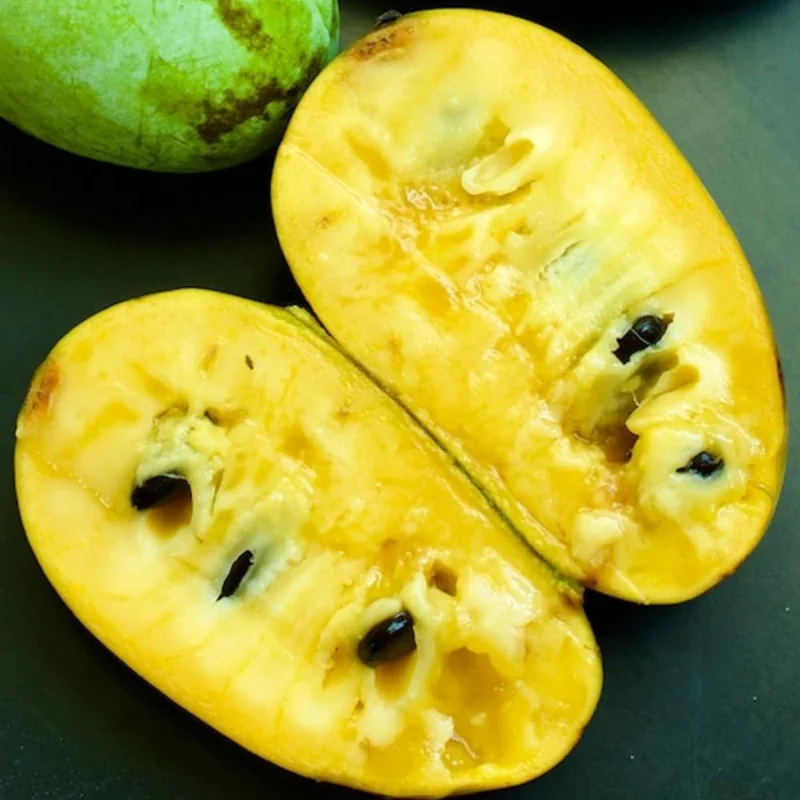
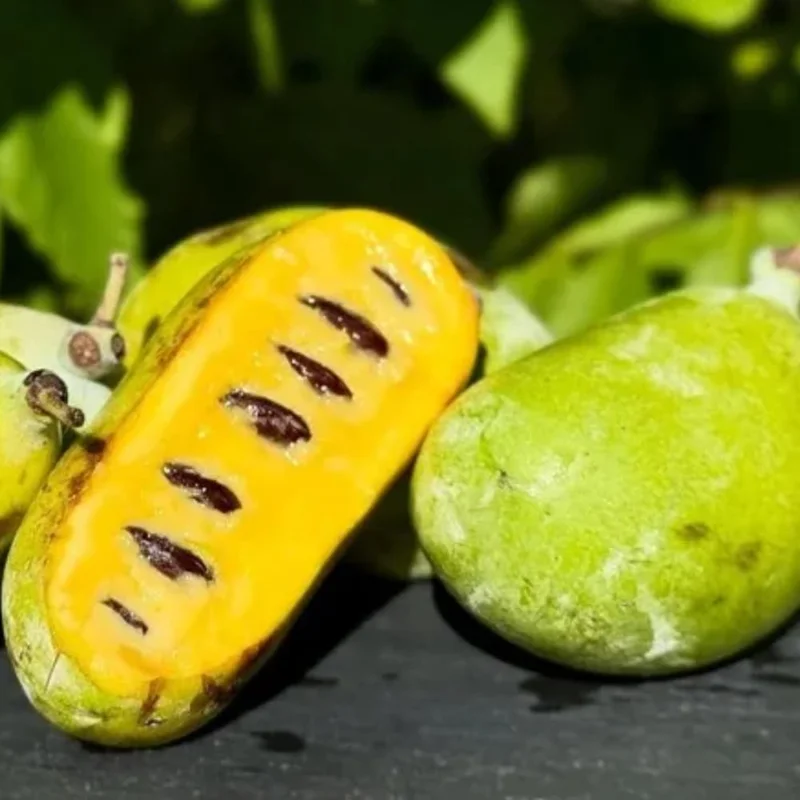
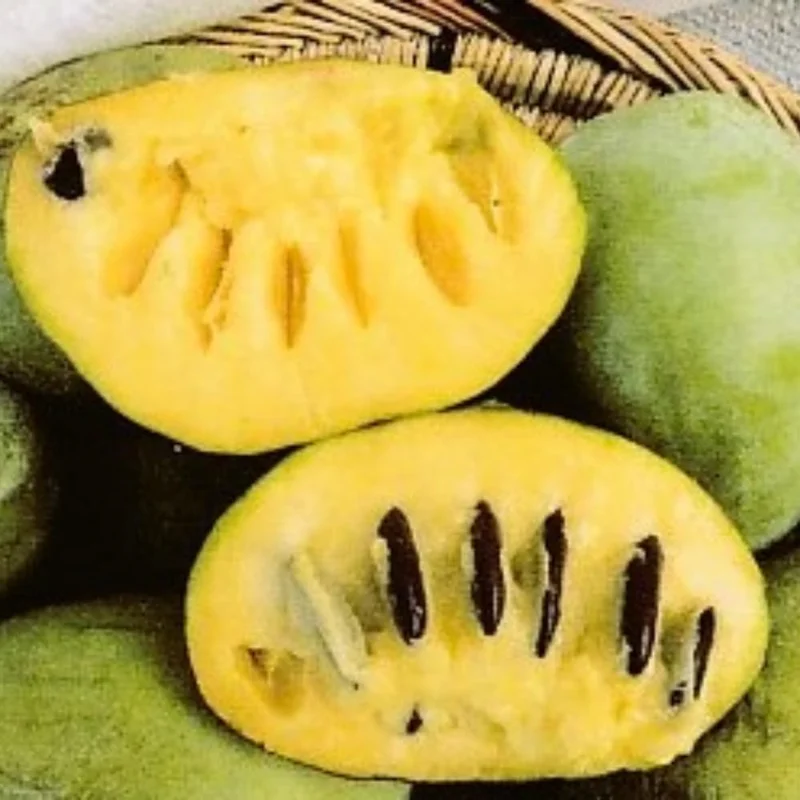
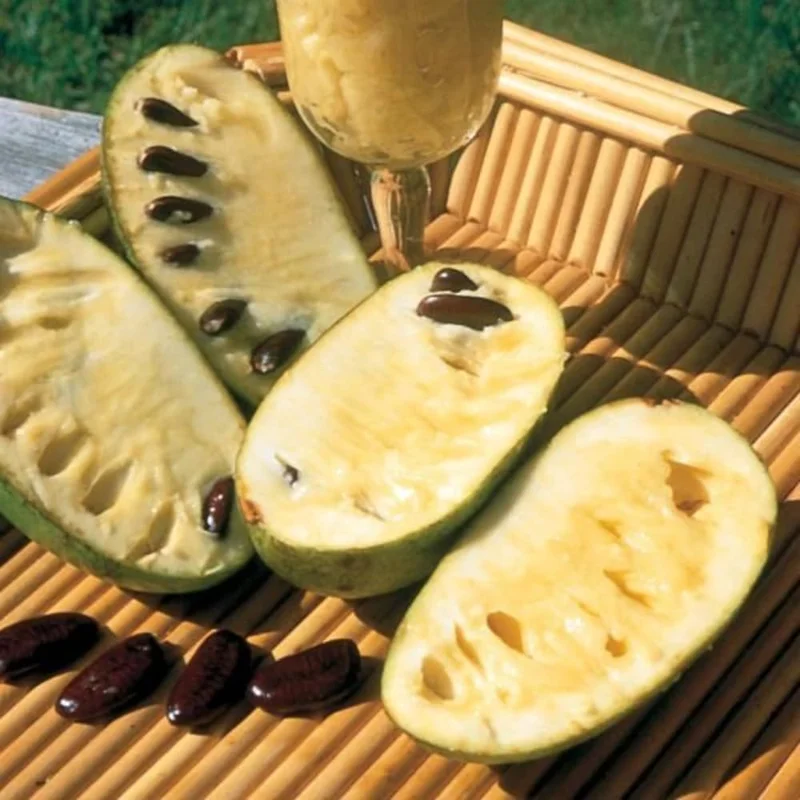
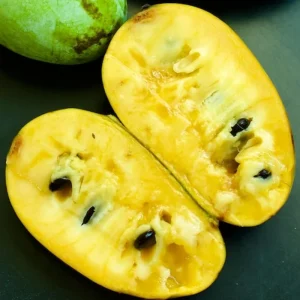
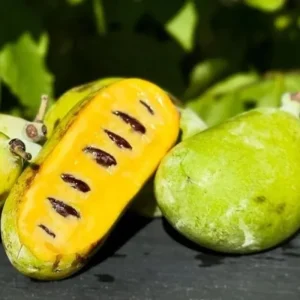
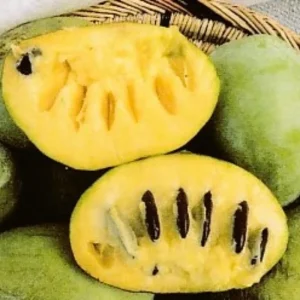
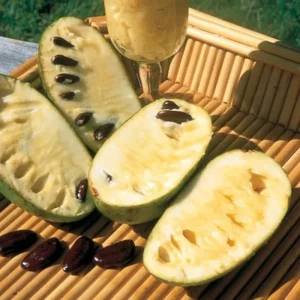
The pawpaw fruit boasts a creamy, rich texture and a complex flavor profile often described as a blend of banana, mango, and vanilla. It’s a truly unique taste experience that is hard to find in commercial grocery stores, making growing your own a rewarding endeavor. This pawpaw tree live plant is an investment in future harvests of this extraordinary native fruit. Whether you’re an experienced gardener or a budding fruit grower, the pawpaw offers a relatively low-maintenance option for enjoying homegrown, exotic-tasting produce. Prepare to enjoy the sweet rewards of this resilient and productive tree.
Key Benefits
Adding a pawpaw tree live plant to your landscape offers a multitude of benefits, from its unique fruit to its ornamental value. This resilient tree is a fantastic choice for a sustainable and delicious garden.
- Unique Fruit Production: Enjoy the rare opportunity to harvest sweet, custard-textured pawpaw fruit with a delightful blend of banana, mango, and vanilla flavors. This fruit is not commonly found in stores, making your homegrown harvest a special treat.
- Cold-Hardy & Adaptable: Unlike many tropical fruit trees, the pawpaw is incredibly cold-hardy, thriving in USDA Zones 5-9. This makes it an ideal cold hardy fruit tree for a wide range of climates, tolerating winter temperatures where other fruit trees might fail.
- Ornamental Value: Beyond its fruit, the pawpaw tree features attractive, tropical-looking foliage that provides excellent shade and enhances the beauty of your garden or orchard. It’s a great choice for landscaping, adding a touch of exotic appeal.
- Supports Local Ecosystems: As a native North American tree, the pawpaw supports local wildlife, providing food for beneficial insects and small animals, contributing to biodiversity in your outdoor space.
- Low Maintenance: Once established, these trees are relatively low-maintenance, requiring minimal intervention compared to many other fruit-bearing plants. This makes them suitable for gardeners of all experience levels looking for a rewarding pawpaw fruit tree.
- Reliable Growth: Our 6-8 inch pawpaw tree live plant is well-rooted and ready for successful transplanting, ensuring a strong start and robust growth towards maturity, which typically reaches 15-25 feet tall.
Plant Care & Growing Tips
Caring for your pawpaw tree live plant is a rewarding experience that will lead to years of delicious fruit. Pawpaws prefer a location with full sun exposure once established, meaning at least 6 hours of direct sunlight per day. However, young pawpaw trees, especially in their first year or two, benefit from some partial shade to protect their tender leaves from scorching. Consider planting them in a spot that receives morning sun and afternoon shade, or provide temporary shade cloth. This cold hardy fruit tree is adaptable, but optimal light conditions are crucial for fruit production.
Watering is critical, especially during the establishment phase. Keep the soil consistently moist but never waterlogged. Deep watering once or twice a week, depending on weather conditions, is generally sufficient. As the tree matures, its drought tolerance will increase, but regular watering during dry spells will promote better fruit development. Pawpaws thrive in well-draining, slightly acidic to neutral soil (pH 5.5-7.0) rich in organic matter. Amending your planting site with compost or aged manure will provide essential nutrients and improve soil structure. Ensuring proper drainage is key to preventing root rot, a common issue for many fruit trees.
Pawpaws are hardy in USDA Zones 5-9, making them suitable for many regions. Fertilize your pawpaw fruit tree annually in early spring with a balanced, slow-release fertilizer or an organic option like compost tea. Avoid high-nitrogen fertilizers, which can promote leafy growth at the expense of fruit. Pruning should be minimal, primarily to remove dead, damaged, or crossing branches, and to maintain an open canopy for good air circulation and light penetration. While generally disease-resistant, monitor for common pests and address them promptly with organic solutions if possible. Growing a paw paw tree for sale successfully involves understanding these fundamental care practices.
Size & Details
You will receive one healthy, well-rooted pawpaw tree live plant, measuring approximately 6-8 inches in height. This young tree is carefully prepared for shipment to ensure it arrives ready for transplanting into your garden or orchard. The pawpaw tree is known for its moderate growth rate, eventually reaching a mature size of 15-25 feet tall with a spread of similar width, creating a lovely medium-sized shade tree. It is shipped in a nursery pot with soil, ensuring its roots are protected and hydrated during transit. Expect the tree to establish itself quickly when planted correctly and provided with adequate care.
While the exact time to first fruit production can vary, most pawpaw trees begin to bear fruit within 3-5 years after planting. It’s important to note that pawpaws often require cross-pollination from a different pawpaw cultivar to produce fruit, so consider planting at least two genetically distinct trees for optimal yields. Our pawpaw tree live plant offers the promise of fresh, homegrown pawpaw fruit in the coming years, making it a valuable addition to any edible landscape. This grow pawpaw at home opportunity allows you to cultivate a truly unique and rewarding fruit.
Frequently Asked Questions
- Q: How big does this pawpaw tree get? A: This pawpaw tree live plant will arrive at 6-8 inches tall. At maturity, a pawpaw tree typically grows to be 15-25 feet tall and can have a similar spread, forming a medium-sized, attractive shade tree for your landscape.
- Q: Is this an indoor or outdoor plant? A: The pawpaw tree is primarily an outdoor plant. It is a deciduous fruit tree that requires outdoor conditions, including seasonal changes, to thrive and produce fruit. It is a robust cold hardy fruit tree.
- Q: How much sunlight does it need? A: Young pawpaw trees (first 1-2 years) prefer partial shade to protect them from intense sun. Once established, they thrive in full sun, requiring at least 6 hours of direct sunlight daily for optimal fruit production.
- Q: Is this plant easy to care for? A: Yes, pawpaw trees are considered relatively low-maintenance once established. They require consistent watering when young, well-draining soil, and minimal pruning. They are a good choice for those looking to grow pawpaw at home.
- Q: What condition will it arrive in? A: You will receive one well-rooted pawpaw tree live plant, 6-8 inches tall, shipped in a nursery pot with soil to ensure its health and readiness for transplanting upon arrival.
- Q: When is the best time to plant a pawpaw tree? A: The best time to plant a pawpaw tree is in the spring after the last frost, allowing it ample time to establish before the heat of summer or the cold of winter.
- Q: Will it survive winter in my zone? A: Yes, pawpaw trees are very cold-hardy and are suitable for USDA Hardiness Zones 5-9. They are adapted to temperate climates and can withstand significant winter temperatures. It’s an excellent paw paw tree for sale for colder regions.
- Q: Does a single pawpaw tree produce fruit? A: While some pawpaw trees can self-pollinate, they generally require cross-pollination from a different pawpaw cultivar (a genetically distinct tree) to produce a good yield of fruit. Planting at least two different varieties is highly recommended for a successful harvest from your pawpaw fruit tree.
- Q: What kind of soil does a pawpaw tree prefer? A: Pawpaws prefer well-draining, fertile soil that is slightly acidic to neutral (pH 5.5-7.0). Enriching the soil with organic matter such as compost will greatly benefit its growth.
- Q: How long until it starts producing fruit? A: Typically, a pawpaw tree live plant will begin to produce fruit within 3 to 5 years after planting, given proper care and cross-pollination.


Reviews
There are no reviews yet.