Overview
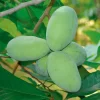
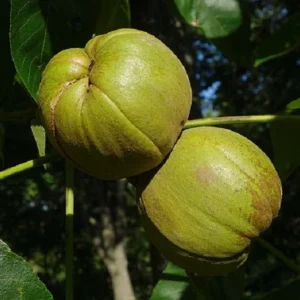
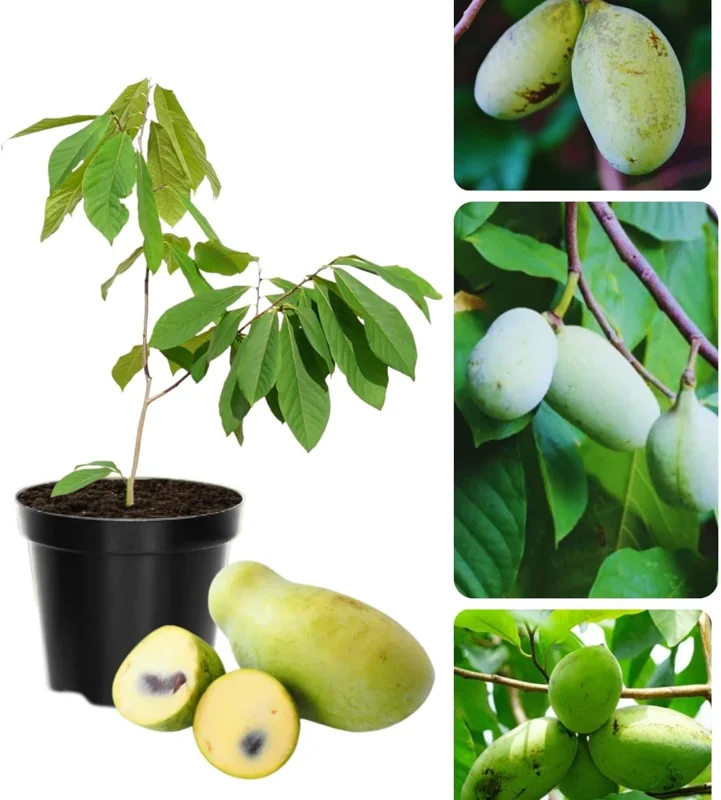
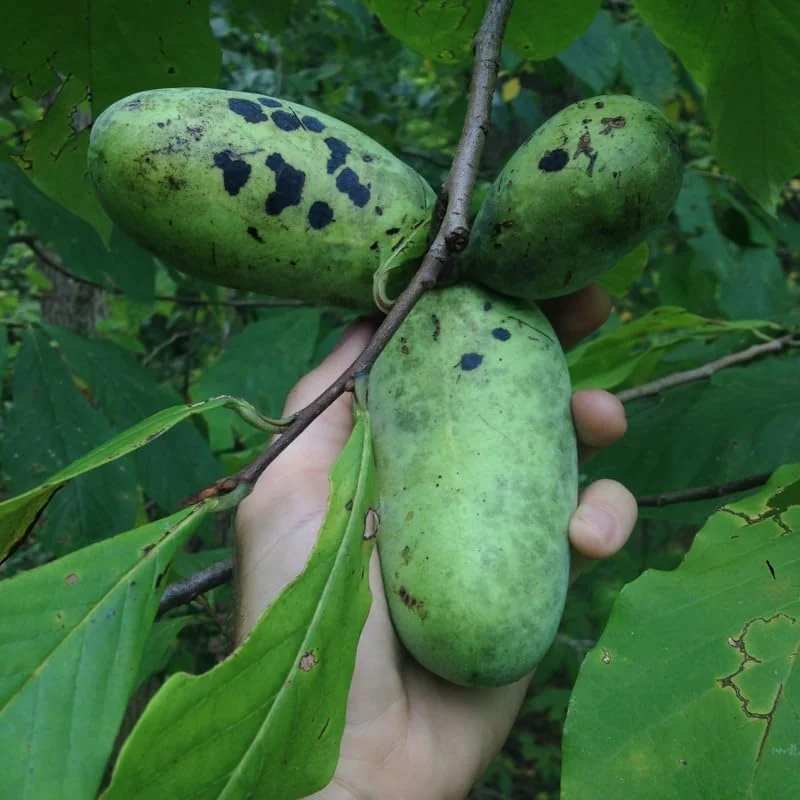
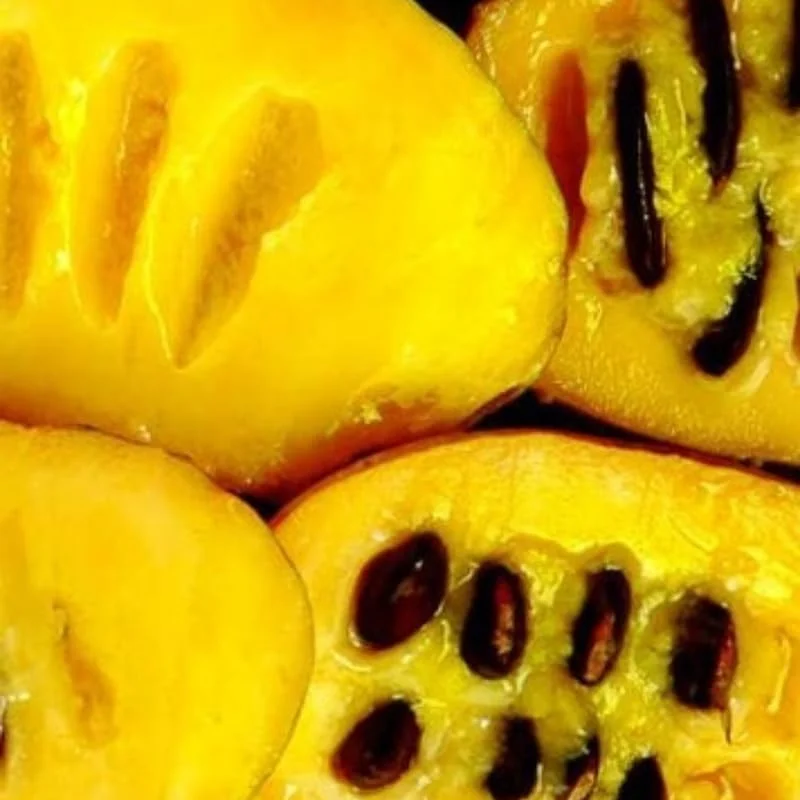
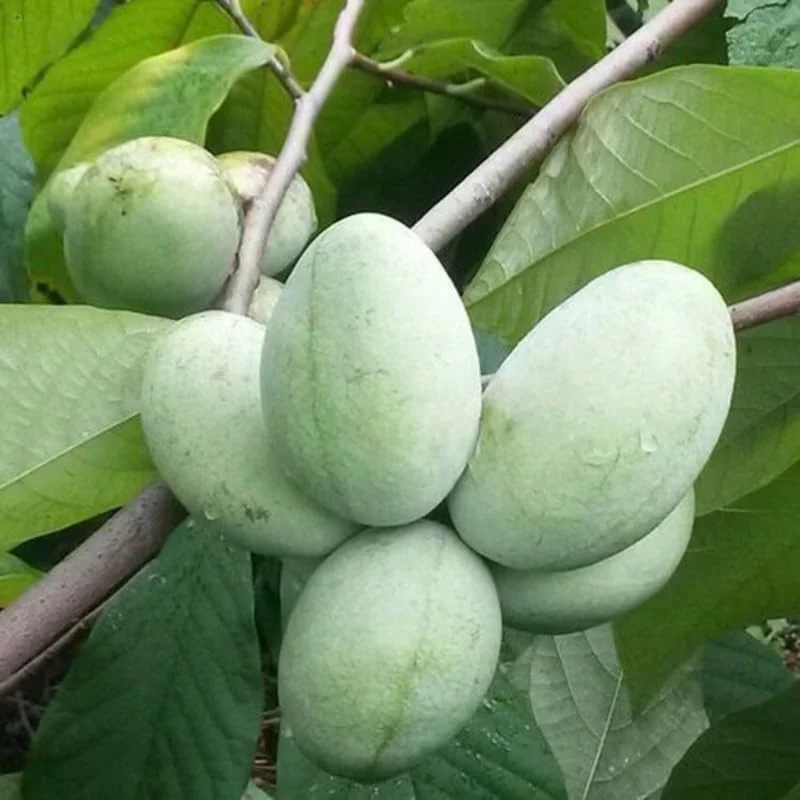
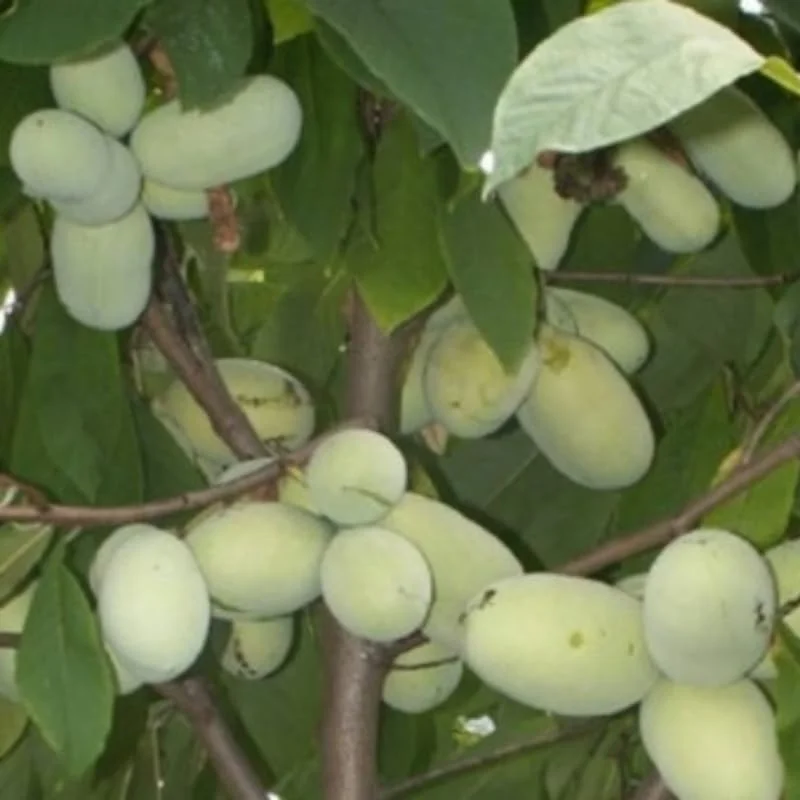
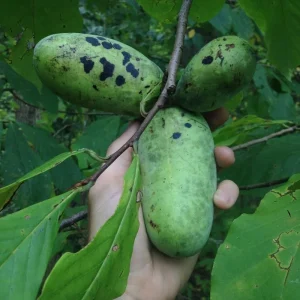
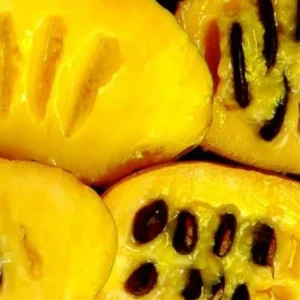
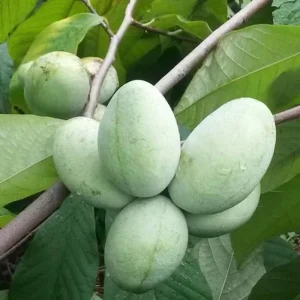
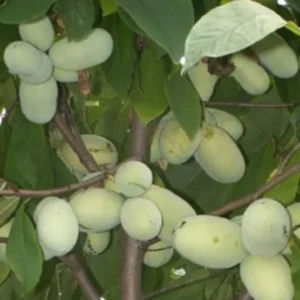
Bring the unique taste of North America’s largest native fruit to your garden with a pawpaw tree live plant. This deciduous fruit tree (Asimina triloba) is celebrated for its delicious, custard-like fruit, often described as a blend of banana, mango, and pineapple. Unlike many exotic fruits, the pawpaw is remarkably cold-hardy, making it an excellent choice for a wide range of climates. Our hardy pawpaw plant is shipped as a young, vibrant specimen, ready to establish itself in your landscape and eventually provide abundant harvests of this delectable, highly sought-after fruit. Growing pawpaw trees is a rewarding experience for any gardener looking for something truly special and native.
Key Benefits
Adding a pawpaw tree live plant to your garden offers numerous advantages, from its unique fruit to its ecological benefits. This versatile tree is a fantastic addition for both seasoned gardeners and those just starting out.
- Unique Fruit Production: Enjoy the rare and delicious taste of pawpaw fruit, a native American superfood rich in vitamins and minerals. The fruit ripens in late summer to early fall, offering a sweet, creamy texture unlike anything found in typical grocery stores.
- Exceptional Cold Hardiness: Unlike most tropical-flavored fruits, the pawpaw is incredibly resilient, thriving in USDA Zones 5-9. This makes it suitable for many temperate climates where other exotic fruit trees would not survive the winter.
- Low Maintenance & Disease Resistance: Once established, growing pawpaw trees requires minimal fuss. They are generally resistant to most pests and diseases, reducing the need for chemical treatments and making them an eco-friendly choice.
- Native Ecosystem Support: As a native species, pawpaw trees provide valuable food and habitat for local wildlife, including the zebra swallowtail butterfly, whose larvae feed exclusively on pawpaw leaves.
- Attractive Ornamental Value: Beyond its fruit, the pawpaw tree boasts attractive foliage and unique, maroon bell-shaped flowers in spring, adding ornamental interest to your landscape. Its pyramidal shape provides a pleasant aesthetic.
- Shade Tolerance as Youngsters: While mature trees prefer full sun for best fruiting, young pawpaw trees benefit from partial shade, mimicking their natural understory habitat. This adaptability makes initial placement easier.
- Long-Term Investment: A pawpaw tree for sale represents a long-term investment in your garden, providing fresh, homegrown fruit for many years once mature, often for decades.
Plant Care & Growing Tips
Caring for your pawpaw tree live plant is relatively straightforward, especially once it’s established. Understanding its specific needs will ensure a healthy, productive tree. Pawpaws prefer a location with full sun for optimal fruit production, meaning at least 6-8 hours of direct sunlight daily, particularly as the tree matures. However, young pawpaw plants (under 2 feet tall) benefit from some afternoon shade to prevent sunscald on their tender leaves. When considering pawpaw fruit tree care, soil is a critical factor. They thrive in rich, well-draining soil with a slightly acidic to neutral pH (5.5-7.0). Amend heavy clay soils with compost or other organic matter to improve drainage and fertility. Ensure the planting site is not prone to standing water, as pawpaws do not tolerate wet feet.
Watering is crucial during the first few years after planting. Keep the soil consistently moist but not waterlogged, especially during dry spells. Once established, pawpaw trees are quite drought-tolerant. Fertilize young trees sparingly with a balanced, slow-release fertilizer in early spring. Avoid high-nitrogen fertilizers, which can promote leafy growth at the expense of fruit production. For mature trees, a top-dressing of compost annually can provide sufficient nutrients. Pruning is generally minimal; focus on removing dead, damaged, or crossing branches. Pawpaws are hardy in USDA Zones 5 to 9, meaning they can withstand winter temperatures down to -20°F (-29°C). They are dormant in winter, shedding their leaves and conserving energy for spring growth. Protect young trees from deer, which may browse on tender new growth. Consider planting at least two genetically distinct pawpaw trees for cross-pollination to ensure good fruit set, as many varieties are not self-fertile. This is an important aspect of successful growing pawpaw trees.
Size & Details
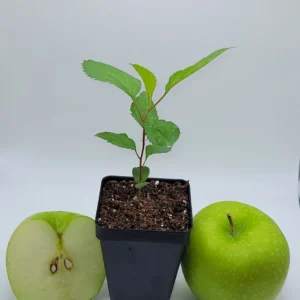
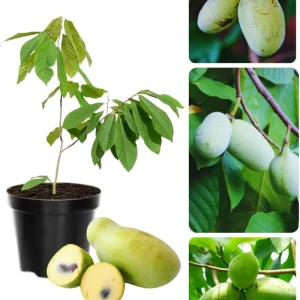
This pawpaw tree live plant is supplied in a quart pot, ensuring a healthy root system ready for transplanting into your garden. The young tree typically stands between 6 to 12 inches tall upon arrival, a manageable size for easy handling and establishment. Pawpaw trees are known for their moderate growth rate, eventually reaching a mature height of 15 to 30 feet, with a spread of 15 to 20 feet, forming an attractive pyramidal shape. They are shipped dormant in winter, which is a natural and healthy state for the plant, ensuring it wakes up vigorously in spring. Expect fruit production to begin within 3-5 years after planting, with increasing yields as the tree matures. This pawpaw tree for sale is a fantastic way to start your journey into native fruit gardening.
Frequently Asked Questions
- Q: How big does this plant get? A: This young pawpaw tree live plant is typically 6 to 12 inches tall when shipped. At maturity, a pawpaw tree can reach a height of 15 to 30 feet with a spread of 15 to 20 feet, depending on growing conditions and variety.
- Q: Is this an indoor or outdoor plant? A: The pawpaw tree is an outdoor plant. It is a deciduous fruit tree that requires seasonal changes, including a dormant winter period, to thrive and produce fruit.
- Q: How much sunlight does it need? A: While young hardy pawpaw plants prefer partial shade, especially in hot climates, mature trees require full sun (6-8+ hours of direct sunlight daily) for best fruit production.
- Q: Is this plant easy to care for? A: Yes, once established, growing pawpaw trees are relatively low-maintenance. They are hardy, disease-resistant, and drought-tolerant. Initial care involves consistent watering and protection for young plants.
- Q: What condition will it arrive in? A: Your pawpaw tree live plant will arrive in a quart pot, with a healthy root system. If shipped during winter, it will be dormant, which is normal and healthy for the plant.
- Q: Can I grow just one pawpaw tree? A: While some varieties are self-fertile, most pawpaw trees require cross-pollination from another genetically distinct pawpaw tree to produce fruit. For reliable fruiting, it’s recommended to plant at least two different varieties.
- Q: When is the best time to plant a pawpaw tree? A: The best time to plant a pawpaw tree is in the spring after the last frost, or in early fall. This allows the tree to establish its root system before extreme temperatures.
- Q: Will it survive winter in my zone? A: Yes, this pawpaw tree for sale is hardy in USDA Zones 5 to 9, meaning it can tolerate winter temperatures down to -20°F (-29°C), making it suitable for many regions across the US.
- Q: How long until it produces fruit? A: Pawpaw trees typically begin producing fruit within 3 to 5 years after planting, with yields increasing as the tree matures.
- Q: What kind of soil does a pawpaw tree need? A: Pawpaw trees prefer rich, well-draining soil with a slightly acidic to neutral pH. They do not tolerate consistently wet or waterlogged conditions.


Reviews
There are no reviews yet.