Overview
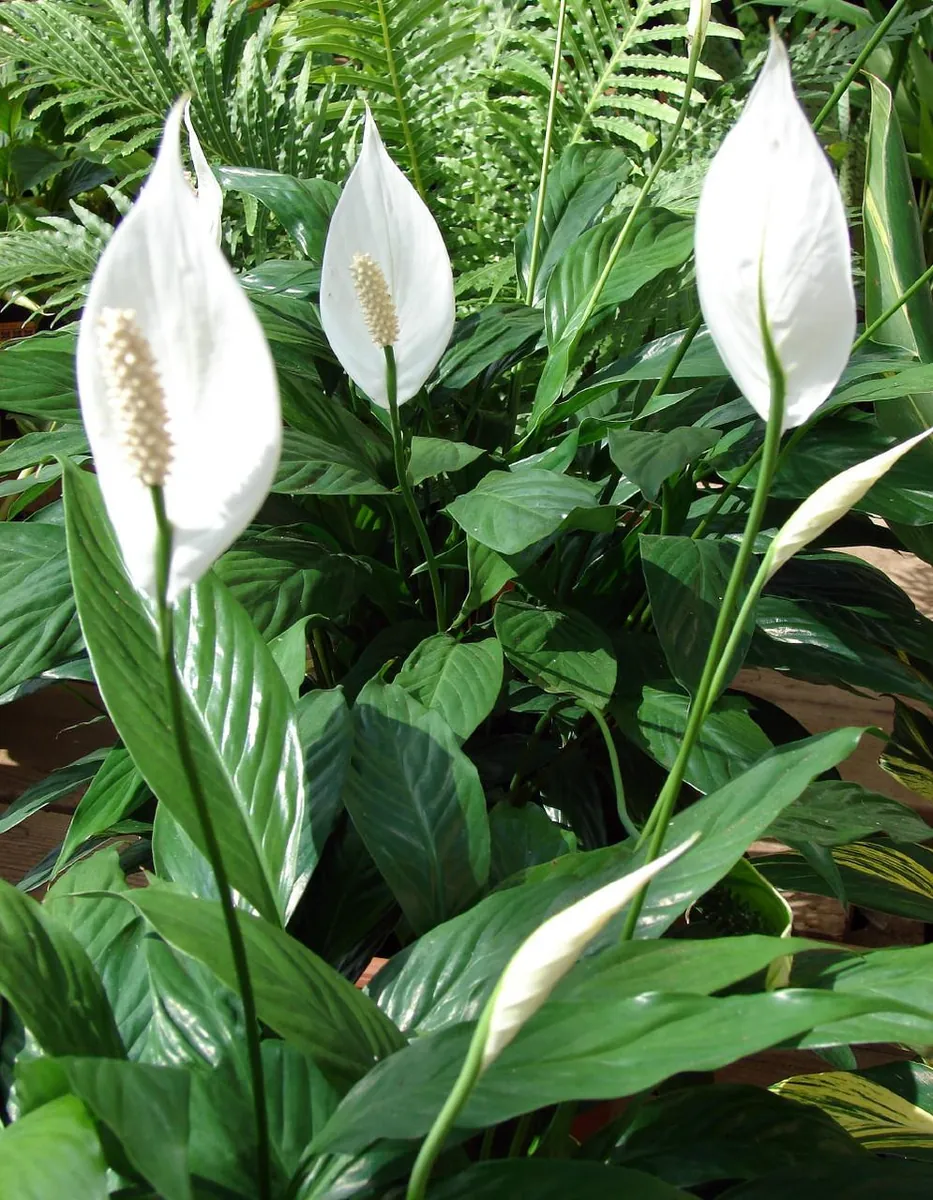
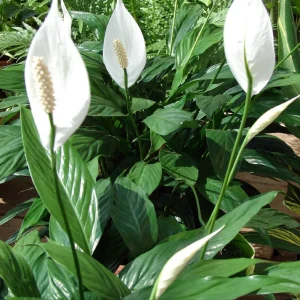
Introduce a touch of serene elegance to your living space with the Peace Lily live plant, also known by its botanical name, Spathiphyllum. This popular indoor plant is celebrated for its graceful white, flag-like flowers (actually a modified leaf called a spathe) and glossy, dark green foliage that brightens any room. Originating from the humid, tropical rainforests of Central and South America, the Peace Lily has adapted beautifully to indoor environments, making it one of the most beloved and easy-to-care-for houseplants available. Its ability to thrive in less-than-ideal light conditions sets it apart, making it an excellent choice for homes or offices that don’t receive abundant natural light. The Peace Lily live plant is not just a decorative item; it’s a living piece of nature that adds calm and beauty.
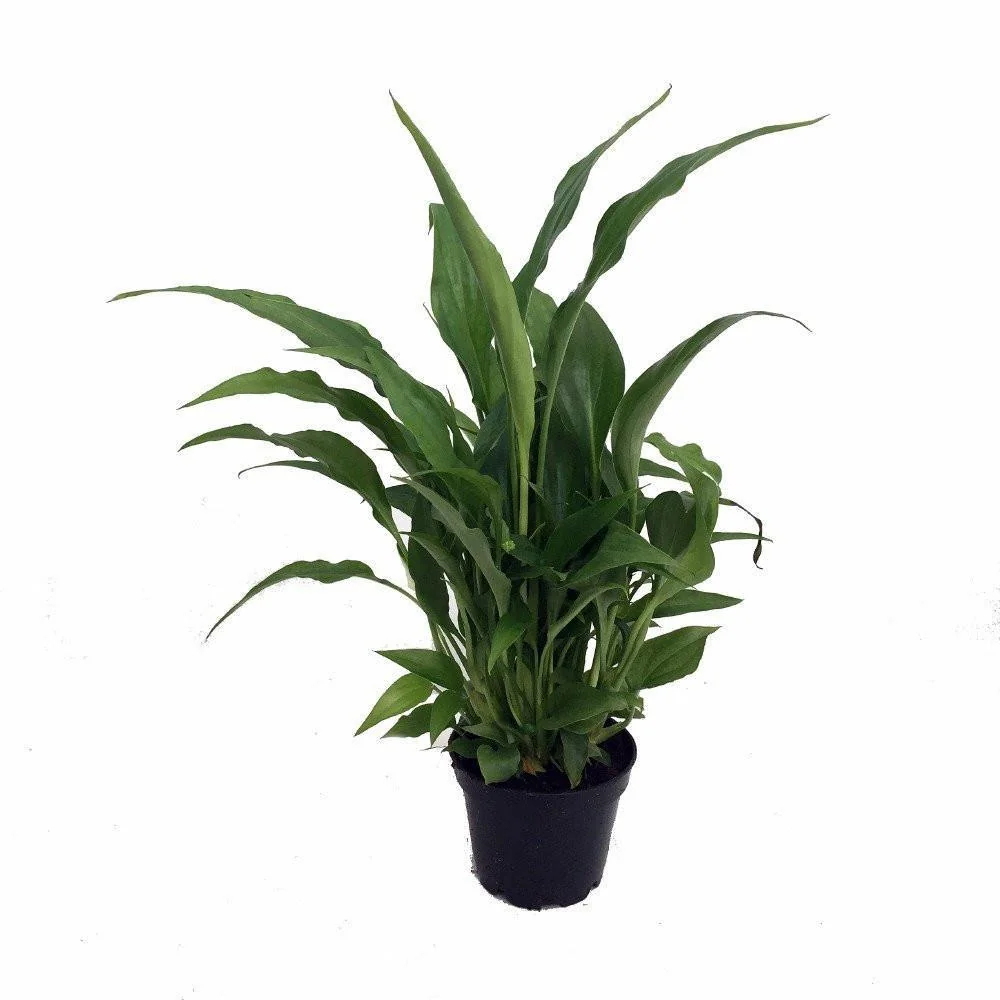
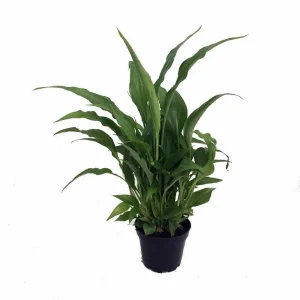
This particular offering is a healthy, vibrant Peace Lily live plant grown in a convenient 4 inch pot, making it a perfect size for desks, shelves, or small tables. Its compact nature allows it to fit seamlessly into various decor styles, from modern minimalist to classic. The Spathiphyllum is also known for its air-purifying qualities, contributing to a healthier indoor atmosphere by filtering out common airborne toxins. Whether you’re a seasoned plant parent or just starting your green journey, this plant offers both aesthetic appeal and practical benefits, requiring minimal fuss for maximum impact.
Key Benefits
The Peace Lily live plant offers a multitude of benefits, making it a favored choice for indoor gardeners. Its striking appearance, combined with its resilience and air-purifying properties, makes it more than just a decorative accent. Here are some of the key advantages of welcoming a Spathiphyllum into your home:
- Exceptional Air Purification: The Peace Lily is recognized by NASA as one of the top air-purifying plants, effectively removing common indoor pollutants like formaldehyde, benzene, and trichloroethylene, contributing to a healthier living environment.
- Low Light Tolerance: Unlike many flowering plants, the Peace Lily thrives in indirect and even low light conditions, making it perfectly suited for rooms with limited natural light. This makes it an ideal low light houseplant for almost any indoor setting.
- Clear Communication of Needs: This plant is famously expressive, with its leaves noticeably drooping when it needs water. This clear signal makes it an excellent plant for beginners, as it takes the guesswork out of watering schedules.
- Elegant & Beautiful Blooms: Its distinctive white flower-like spathes provide a sophisticated and calming aesthetic, adding a touch of natural beauty and elegance to any decor.
- Easy to Care For: With its forgiving nature and clear signals, the Peace Lily live plant is considered one of the easiest houseplants to maintain, requiring minimal effort for impressive results.
- Tropical Ambiance: Its lush, dark green foliage evokes a tropical feel, helping to create a relaxing and inviting atmosphere in your home or office.
- Boosts Humidity: As a tropical plant, it naturally releases moisture into the air through transpiration, which can help increase humidity levels in dry indoor environments.
Plant Care & Growing Tips
Caring for your Peace Lily live plant is straightforward, especially once you understand its basic needs. These plants are quite forgiving and will reward you with beautiful foliage and elegant blooms with proper attention. For optimal growth, place your Spathiphyllum in a spot that receives bright, indirect light. Direct sunlight can scorch its leaves, leading to yellowing or browning. A north or east-facing window is often ideal, or a spot several feet away from a south or west-facing window. If you notice your plant isn’t flowering, it may need slightly more light, but still avoid direct sun.
Watering is perhaps the most distinctive aspect of Spathiphyllum care. The plant will famously tell you when it’s thirsty by dramatically drooping its leaves. While it’s best not to let it get to this point regularly, it will quickly bounce back once watered thoroughly. Water when the top inch of soil feels dry to the touch, ensuring water drains from the bottom of the pot. Avoid overwatering, as this can lead to root rot. Well-draining potting mix is crucial for this plant. A standard indoor potting mix enriched with some organic matter works well. Peace Lilies prefer consistent moisture but not soggy soil. Ideal temperatures range between 65-80°F (18-27°C) and they do not tolerate cold drafts. Fertilize every 2-4 weeks during the growing season (spring and summer) with a balanced liquid houseplant fertilizer diluted to half strength. Yellowing leaves can indicate overwatering or nutrient deficiency, while brown leaf tips often suggest low humidity.
One common concern for new owners is a drooping leaves peace lily. This is almost always a sign of thirst. Simply give your plant a good drink, and within a few hours, the leaves should perk right up. If your plant is drooping even after watering, check for root rot, which can occur from prolonged overwatering. Ensure your pot has drainage holes to prevent water from sitting at the bottom. Regularly wipe down the leaves with a damp cloth to remove dust and help the plant photosynthesize more efficiently. With these simple tips, your Peace Lily live plant will thrive and bring lasting beauty to your home.
Size & Details
This offering includes one healthy Peace Lily live plant, ready to enhance your indoor environment. The plant is cultivated in a 4 inch pot, making it a perfectly manageable size for immediate display on desktops, shelves, or as a charming accent in any room. Typically, Peace Lilies in this pot size will stand approximately 8-12 inches tall from the base of the pot to the top of the foliage, though exact dimensions can vary slightly. The plant is shipped as a fully rooted, established specimen, similar in appearance and vigor to the product images, ensuring a robust start in its new home.
The Spathiphyllum is known for its moderate growth rate, gradually expanding its lush green canopy and producing its iconic white spathes. With proper care, this plant can grow into a larger, more impactful specimen over time, potentially reaching 2-3 feet in height and spread indoors. It is delivered in a nursery pot, securely packaged to minimize stress during transit, ensuring it arrives in excellent condition, ready for you to enjoy. This Peace Lily live plant is a long-lived addition to any indoor plant collection, providing years of beauty and air-purifying benefits.
Frequently Asked Questions
- Q: How big will my Peace Lily get? A: A Peace Lily live plant in a 4 inch pot typically starts around 8-12 inches tall. With good care, it can grow to an indoor height of 2-3 feet with a similar spread over several years.
- Q: Is this an indoor or outdoor plant? A: The Peace Lily is primarily an indoor plant, especially in most US climates. It thrives in the consistent temperatures and indirect light found indoors, making it an ideal low light houseplant.
- Q: How much sunlight does a Peace Lily need? A: Peace Lilies prefer bright, indirect light. Avoid direct sunlight, which can burn their leaves. They are very tolerant of lower light conditions, though they may produce fewer flowers.
- Q: Is this plant easy to care for? A: Yes, the Peace Lily is considered one of the easiest houseplants to care for, making it excellent for beginners. Its clear signals for watering make Spathiphyllum care very intuitive.
- Q: What condition will it arrive in? A: Your Peace Lily live plant will arrive in a 4 inch pot, carefully packaged to ensure it reaches you healthy and vibrant, ready to be placed in its new home.
- Q: How often should I water my Peace Lily? A: Water your Peace Lily when the top inch of soil feels dry. The plant will visibly droop its leaves when it’s thirsty, which is your cue to water thoroughly until water drains from the bottom. This drooping leaves peace lily behavior is a helpful indicator.
- Q: Is the Peace Lily pet-safe? A: Peace Lilies contain calcium oxalate crystals, which can cause irritation if ingested by pets. It’s best to keep them out of reach of curious cats and dogs.
- Q: How do I make my Peace Lily bloom? A: Ensure your Peace Lily receives consistent indirect light and is fertilized regularly during the growing season. Adequate humidity can also encourage blooming.
- Q: What should I do if my Peace Lily’s leaves are turning yellow? A: Yellowing leaves can often indicate overwatering or underwatering. Check your soil moisture and adjust your watering schedule. It can also be a sign of a nutrient deficiency, so ensure you’re fertilizing during the growing season.
- Q: When is the best time to repot my Peace Lily? A: Repot your Peace Lily when it becomes root-bound, typically every 1-2 years. The best time to repot is in the spring.


Reviews
There are no reviews yet.