Overview
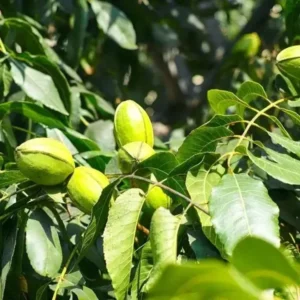
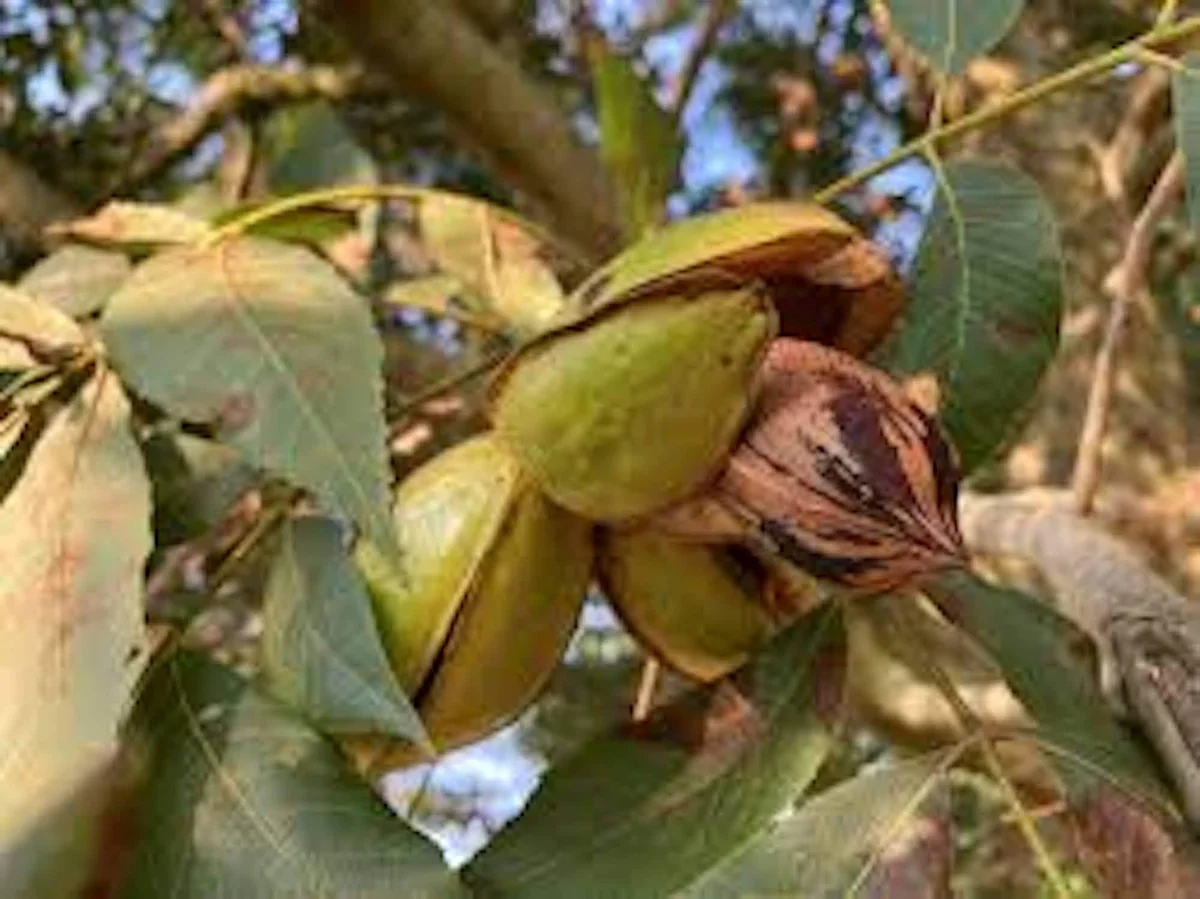
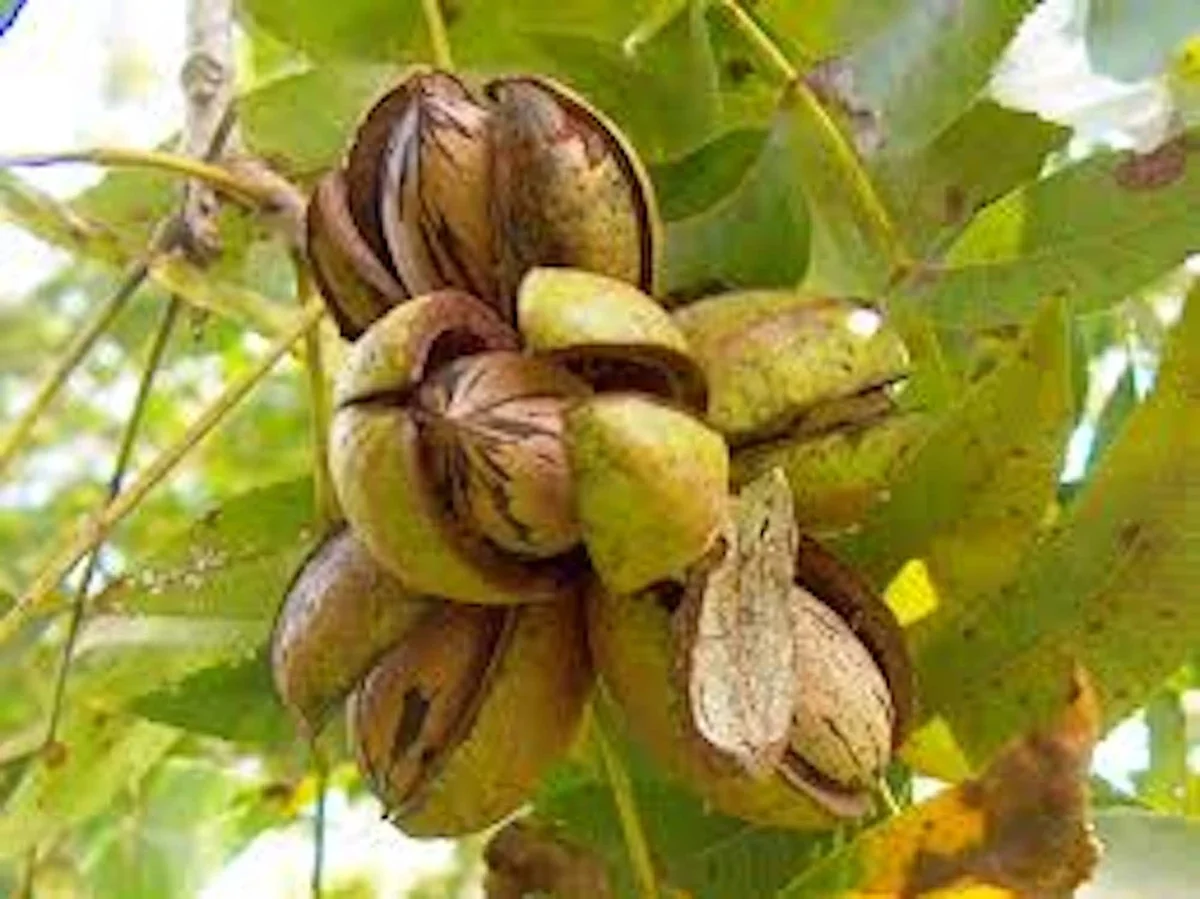
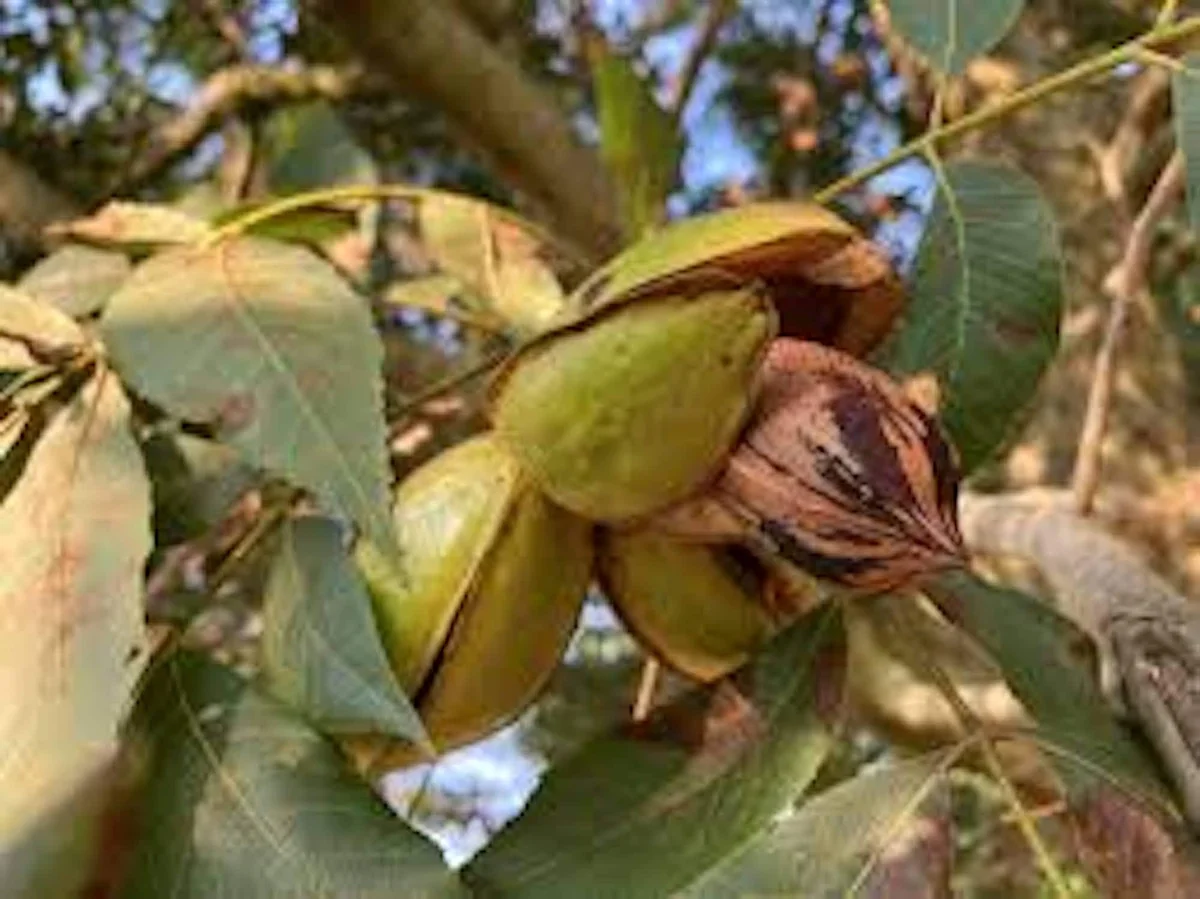
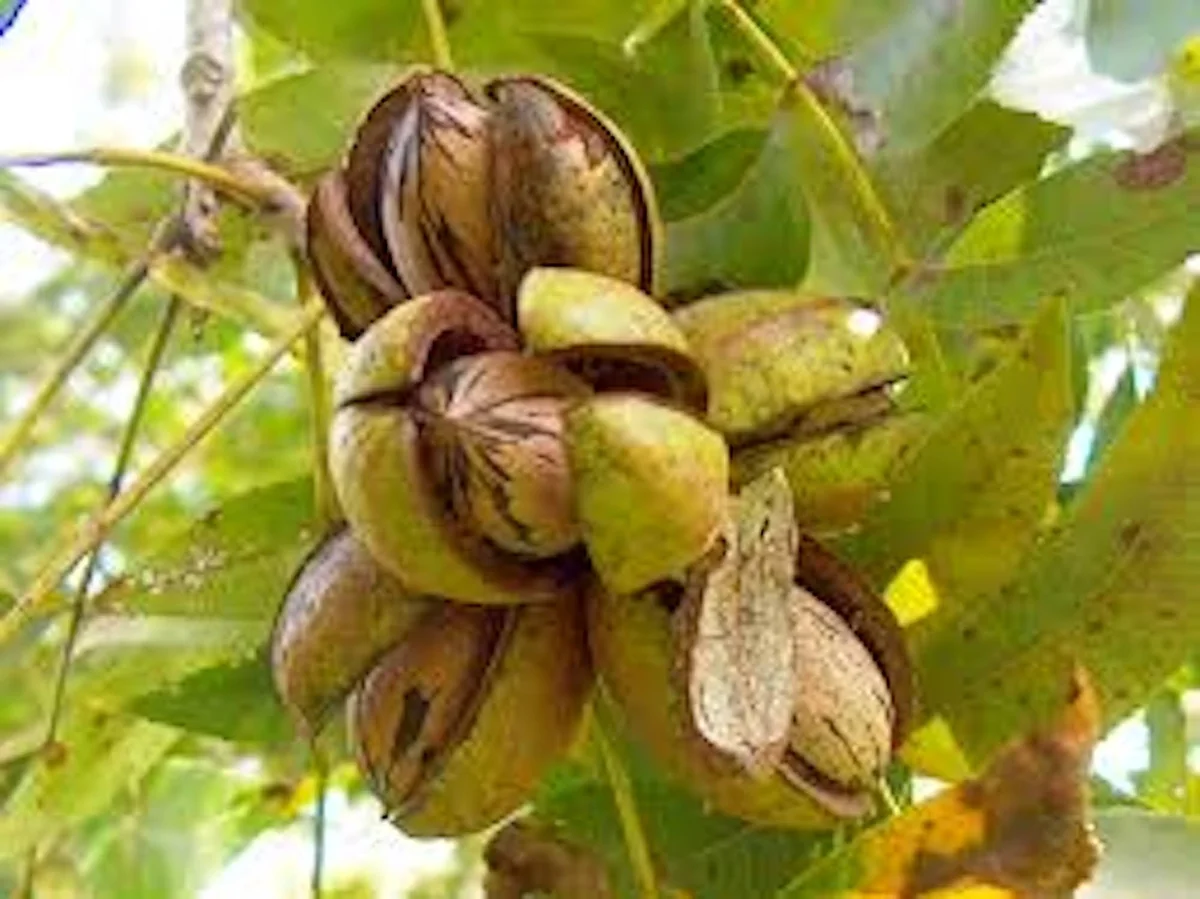
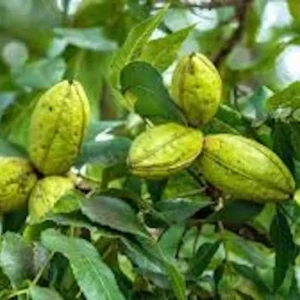
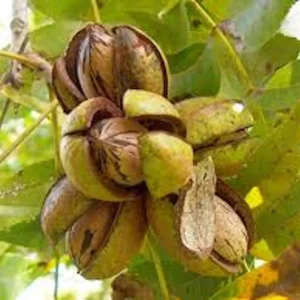
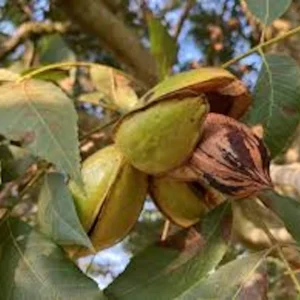
Bring the joy of homegrown nuts to your garden with this magnificent pecan tree bare root. The Pecan Tree (Carya illinoinensis) is a beloved deciduous tree native to North America, celebrated for its delicious and nutritious pecans. This offering is a live pecan tree bare root, typically measuring 12-24 inches tall, making it an excellent foundation for establishing your own nut orchard or enhancing your landscape with a stately, long-lived tree. Known for its large size, graceful foliage, and substantial nut yield, the carya illinoinensis is a truly rewarding addition for both ornamental beauty and agricultural productivity. As one of the most popular nut trees in the United States, the pecan promises a bountiful harvest and enduring appeal, making it a must-have for gardeners and farmers aiming to grow pecan tree.
Key Benefits
Adding a pecan tree bare root to your property offers numerous advantages, from delicious food production to environmental enhancements. This remarkable tree provides a wealth of benefits that make it a valuable investment for any landscape.
- Delicious Nut Production: The primary benefit is the abundant harvest of flavorful, nutritious pecans, perfect for baking, snacking, or sharing. Enjoy fresh, homegrown nuts right from your backyard.
- Stately Ornamental Value: Beyond its nuts, the pecan nut tree is a beautiful shade tree with attractive, lush green foliage that turns a lovely golden-bronze in the fall, adding significant aesthetic appeal to your property.
- Long-Term Investment: Pecan trees are long-lived, often producing nuts for many decades, making them a sustainable and rewarding long-term investment for generations to come.
- Wildlife Attraction: The nuts provide a valuable food source for local wildlife, contributing to the biodiversity of your garden ecosystem.
- Environmental Benefits: As a large deciduous tree, the carya illinoinensis helps improve air quality, provides shade to reduce cooling costs, and contributes to soil health and erosion control.
- Hardy and Adaptable: This hardy pecan tree is well-suited for a wide range of climates (USDA zones 6-9), making it a reliable choice for many regions across the US.
- Educational Experience: Growing your own pecan tree offers an excellent educational opportunity for families to learn about plant life cycles, sustainable agriculture, and the value of patience.
Plant Care & Growing Tips
Proper care is essential for a thriving pecan tree bare root. Pecan trees prefer a warm climate and require specific conditions to produce a healthy crop. When you grow pecan tree, selecting the right site and providing consistent care will ensure its success. Ensure your tree receives full sun exposure, meaning at least 6-8 hours of direct sunlight per day. Adequate sunlight is crucial for robust growth and optimal nut production for your pecan nut tree. Water regularly, especially during dry periods and in its first few years after planting, aiming for deep, infrequent watering to encourage strong root development. The soil should be consistently moist but never waterlogged.
For best results, plant your carya illinoinensis in well-drained, sandy loam soil. Pecan trees do not tolerate heavy clay or poorly drained soils. Amend heavy soils with organic matter to improve drainage and aeration. Maintaining a slightly acidic to neutral soil pH (around 6.0-7.0) is ideal. Fertilize established trees in late winter or early spring with a balanced fertilizer, specifically one formulated for nut trees, following product instructions carefully. Young trees may benefit from a starter fertilizer. Prune annually during the dormant season to remove dead or diseased branches, improve air circulation, and shape the canopy. Protecting young trees from pests and diseases, and providing winter protection in colder zones, will help ensure your hardy pecan tree grows strong and healthy.
Size & Details
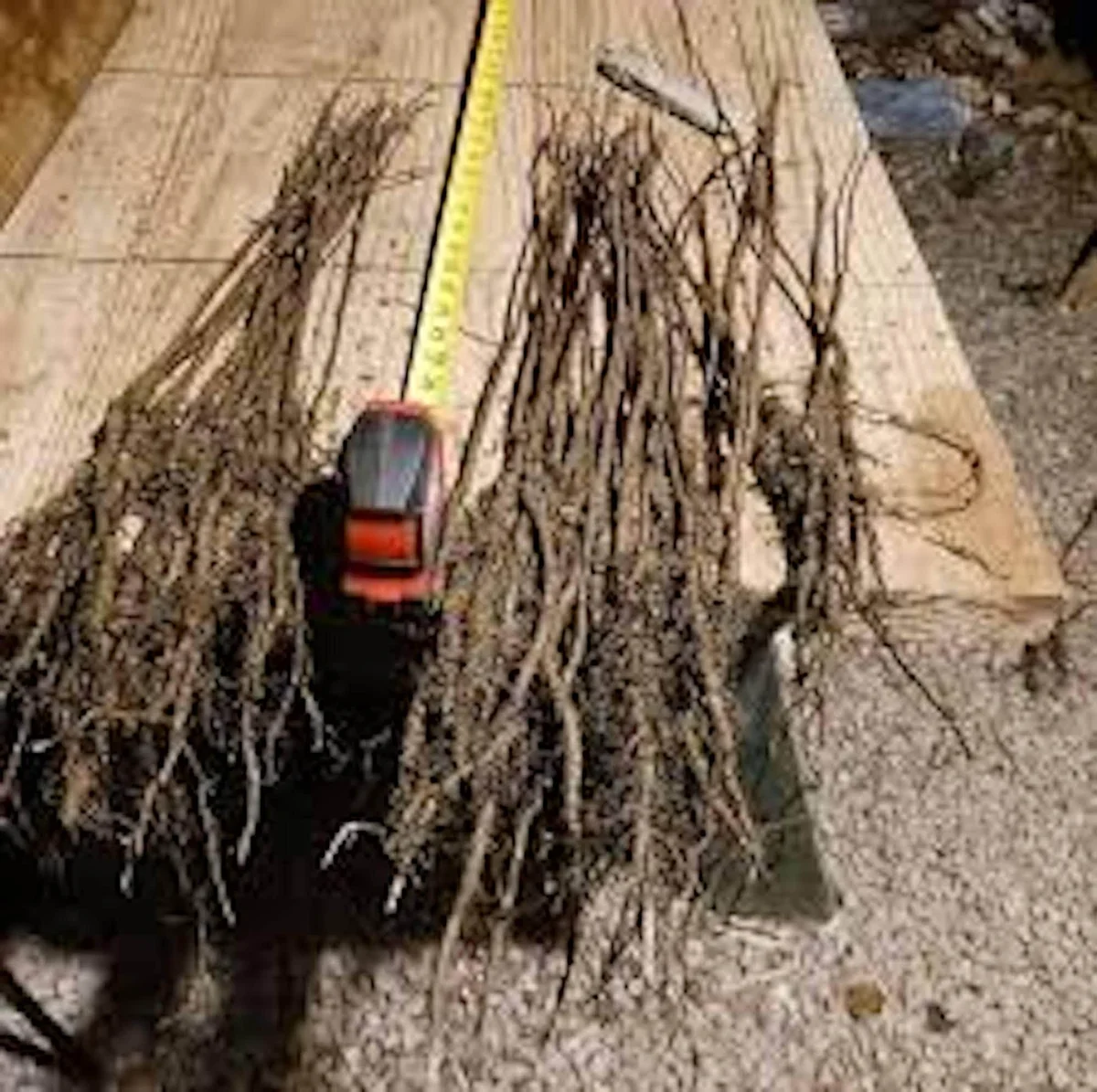
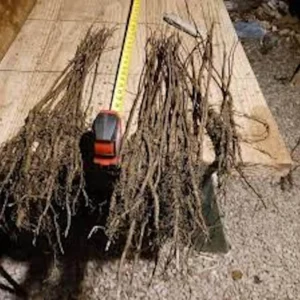
This offering is for one pecan tree bare root, typically measuring between 12 and 24 inches in height. A bare root plant means it is shipped without soil around its roots, making it dormant and easy to transport, ready for planting upon arrival. When dormant, the tree is shipped bare root, and during the growing season, it is typically shipped in a pot. Pecan trees are known for their strong taproots and can grow into large, majestic trees, reaching heights of 70 to 100 feet or more with a similar spread when mature. The growth rate is moderate to fast, depending on conditions, typically adding 1-2 feet per year. Expect your pecan nut tree to begin producing nuts within 5-10 years, with production increasing significantly as the tree matures. This carya illinoinensis variety is suitable for USDA Hardiness Zones 6-9, thriving in warm climates with well-drained soil.
Frequently Asked Questions
- Q: How large will this pecan tree get eventually? A: A mature pecan tree bare root can grow quite large, typically reaching heights of 70 to 100 feet or more with a spread of 50-75 feet. It requires ample space to flourish.
- Q: Is this an indoor or outdoor plant? A: The pecan tree bare root is an outdoor plant, intended for planting directly into the ground in appropriate climates. It is not suitable for indoor cultivation.
- Q: How much sunlight does a pecan tree need? A: Pecan trees require full sun exposure, meaning at least 6-8 hours of direct sunlight per day, to ensure optimal growth and nut production.
- Q: What condition will the bare root pecan nut tree arrive in? A: Your pecan tree bare root will arrive dormant, meaning it will have no leaves and its roots will be free of soil. This is normal and ideal for planting.
- Q: When is the best time to plant a bare root pecan tree? A: The best time to plant a pecan tree bare root is in late winter or early spring, before the tree breaks dormancy. This allows the roots to establish before the stress of summer heat.
- Q: How long until my carya illinoinensis produces nuts? A: Pecan trees typically begin to produce nuts within 5 to 10 years after planting, with significant production starting as the tree gains maturity.
- Q: What USDA zones are suitable for growing this hardy pecan tree? A: This pecan tree is suitable for USDA Hardiness Zones 6-9. It thrives in regions with warm summers and sufficient chilling hours in winter.
- Q: What kind of soil is best for a pecan tree? A: Pecan trees prefer deep, well-drained, sandy loam soil with a slightly acidic to neutral pH. Good drainage is crucial to prevent root rot.
- Q: Is this pecan tree self-pollinating? A: While some pecan varieties are partially self-pollinating, most pecan trees require cross-pollination with another pecan tree (of a different pollination type, Type I and Type II) for optimal nut production. It’s best to plant two different varieties to grow pecan tree successfully.
- Q: How often should I water my young pecan tree? A: Young pecan trees need consistent moisture. Water deeply once or twice a week, especially during dry spells, ensuring the soil remains moist but not waterlogged until the tree is well-established.


Reviews
There are no reviews yet.