Overview
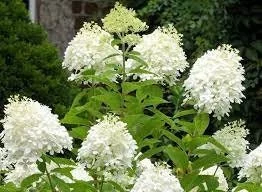
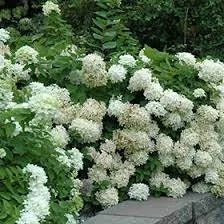
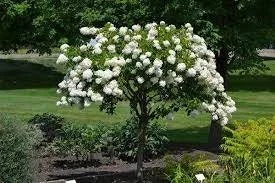
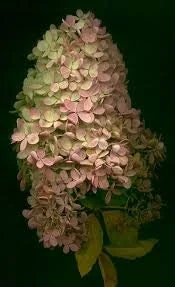
Introduce breathtaking beauty to your landscape with our Grandiflora Hydrangea bare root plants. Each purchase includes two robust bare root specimens, measuring 1-2 feet in height, poised to establish and flourish in your garden. The Hydrangea paniculata ‘Grandiflora’, commonly known as the Peegee Hydrangea live plant, is a beloved deciduous shrub renowned for its spectacular, large, conical flower clusters. These magnificent blooms emerge in July and persist through September, transitioning from creamy white to a charming pink as the season progresses. This variety is celebrated for its vigorous growth and adaptability, making it an excellent choice for gardeners seeking a reliable and visually impactful flowering shrub. The Hydrangea paniculata Grandiflora is a classic garden favorite, known for its strong, upright habit and impressive floral display. Unlike some other hydrangea varieties, this panicle hydrangea thrives in a wider range of conditions, tolerating more sun and colder temperatures. Its elegant pyramidal flowers make it a focal point in any garden design, whether used as a specimen plant, in mass plantings, or as a stunning border. Prepare to enjoy a summer and fall filled with abundant, captivating blooms that will draw admiration from all who see them.
Key Benefits
Integrating the Grandiflora Hydrangea bare root into your garden offers numerous advantages, enhancing both aesthetic appeal and environmental health. These benefits make it a superior choice for various landscape designs:
-
Spectacular Summer Blooms: Enjoy an extended season of interest with large, showy, pyramidal flower clusters that appear from July through September. These prolific blooms provide continuous color and texture to your garden, making your Peegee Hydrangea live plant a garden standout.
-
Robust Growth Habit: This variety is known for its strong, upright growth, forming a substantial shrub that can reach 8-10 feet tall. Its vigorous nature ensures a well-established and impressive presence in your landscape.
-
Adaptable and Hardy: The Hydrangea paniculata Grandiflora is highly adaptable, thriving in USDA Hardiness Zones 5-8. It tolerates a range of soil conditions and can handle more sun exposure compared to other hydrangea types, making it a versatile choice for many climates.
-
Low Maintenance: Once established, these hydrangeas are relatively low-maintenance, requiring minimal care beyond basic watering and occasional pruning. This makes them ideal for busy gardeners or those new to planting.
-
Excellent for Cut Flowers: The large, long-lasting blooms are perfect for cutting and creating stunning floral arrangements, bringing the beauty of your garden indoors.
-
Attracts Pollinators: While many of its flowers are sterile, the overall presence and structure can still contribute to a vibrant garden ecosystem, offering visual appeal for both humans and some beneficial insects.
Plant Care & Growing Tips
Caring for your Grandiflora Hydrangea bare root plants is straightforward, ensuring a bountiful display of flowers year after year. Upon arrival, soak the bare roots in water for a few hours before planting. Choose a site with full sun to partial shade; while it tolerates full sun, some afternoon shade is beneficial in hotter climates to prevent leaf scorch. Dig a hole wide enough to accommodate the spread of the roots and deep enough so that the crown of the plant is at soil level. Backfill with well-draining soil, enriching it with compost to provide essential nutrients and improve soil structure. Water thoroughly after planting to settle the soil around the roots.
Consistent watering is crucial during the first growing season to help the large panicle hydrangea establish a strong root system. Once established, it is moderately drought-tolerant but will perform best with regular moisture, especially during dry spells. Avoid overwatering, as hydrangeas dislike soggy feet. Fertilize in early spring with a balanced slow-release fertilizer formulated for flowering shrubs. Pruning should be done in late winter or early spring before new growth begins, as this hydrangea blooms on new wood. Remove any dead or weak stems, and shape the plant as desired. You can also prune to control size and encourage more vigorous flowering.
The flowering shrub for zone 5-8 is generally resilient to pests and diseases. However, keep an eye out for common garden issues like aphids or powdery mildew, addressing them promptly with appropriate organic or chemical treatments if necessary. Protecting the base of the plant with mulch can help retain soil moisture, regulate soil temperature, and suppress weeds. With proper care, your Hydrangea paniculata Grandiflora will become a cherished, long-lived addition to your garden, providing stunning blooms and enhancing your outdoor space for many seasons.
Size & Details
Each purchase provides two high-quality Grandiflora Hydrangea bare root plants, each measuring approximately 1-2 feet in height at the time of shipment. These bare root specimens are dormant and ready for planting, ensuring a vigorous start in your garden. When mature, the Hydrangea paniculata Grandiflora can reach an impressive height of 8-10 feet with a similar spread, forming a substantial and stately shrub. Its foliage consists of simple, elliptic leaves, typically 3-6 inches long, that emerge dark green, providing a lush backdrop to the abundant white flowers.
The flowers, which are the hallmark of this variety, form large, dense, pyramidal panicles that can measure up to 10-12 inches long. They appear in July and continue their display through September, offering an extended period of visual interest. This large panicle hydrangea has a moderate to fast growth rate, allowing it to establish and produce significant blooms within a few years of planting. It is ideally suited for USDA Hardiness Zones 5-8, making it a reliable choice for a wide range of climates across the US. Bare root plants establish quickly, allowing them to focus their energy on root development and robust top growth once planted.
Frequently Asked Questions
-
Q: How big does this plant get? A: The Hydrangea paniculata Grandiflora can grow to a mature height of 8-10 feet tall with a similar spread, forming a large and impressive shrub in your garden.
-
Q: Is this an indoor or outdoor plant? A: This is an outdoor deciduous shrub, perfect for landscaping in USDA Hardiness Zones 5-8. It is not suitable for indoor cultivation.
-
Q: How much sunlight does it need? A: The Grandiflora Hydrangea bare root thrives in full sun to partial shade. In hotter climates, some afternoon shade is beneficial to protect the foliage from intense heat.
-
Q: What condition will it arrive in? A: You will receive two dormant bare root plants, each 1-2 feet tall, carefully packaged to ensure they arrive in excellent condition, ready for planting.
-
Q: Is this plant easy to care for? A: Yes, this flowering shrub for zone 5-8 is considered low-maintenance once established, making it suitable for both experienced gardeners and beginners alike.
-
Q: When is the best time to plant a bare root hydrangea? A: The best time to plant bare root hydrangeas is in early spring, after the last frost, allowing the plant ample time to establish its root system before the summer heat.
-
Q: How long until it blooms? A: While blooming can vary, you can typically expect your large panicle hydrangea to produce its first blooms in the first or second growing season after planting, with more abundant flowers in subsequent years.
-
Q: What is a good way to ensure my bare root hydrangea thrives? A: To ensure your bare root hydrangea thrives, provide well-draining soil, consistent moisture during establishment, and prune in late winter or early spring to encourage new growth and flowering.
-
Q: What type of soil does it prefer? A: This hydrangea prefers well-draining, fertile soil. Amending heavy clay soils with organic matter will improve drainage and overall plant health.
-
Q: Will it survive winter in my zone? A: Yes, the Hydrangea paniculata Grandiflora is hardy in USDA Zones 5-8, meaning it is well-suited to withstand winter conditions in these regions without special protection.


Reviews
There are no reviews yet.