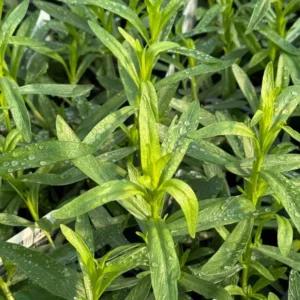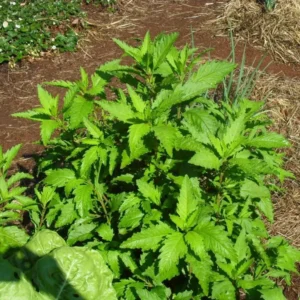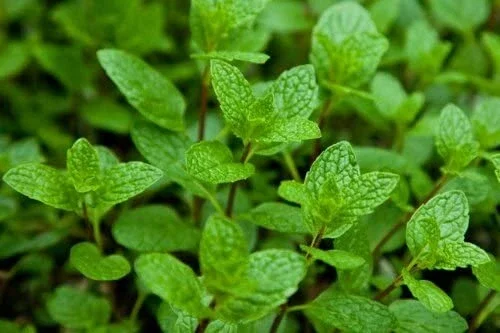
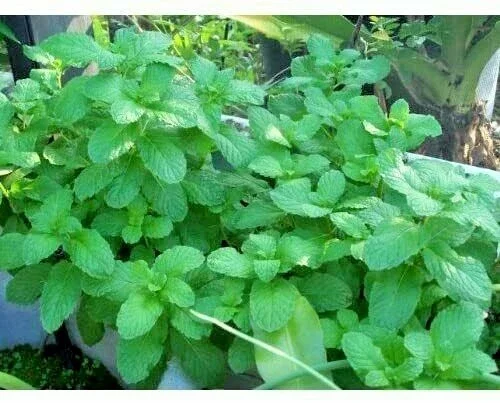
Overview
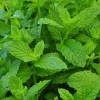
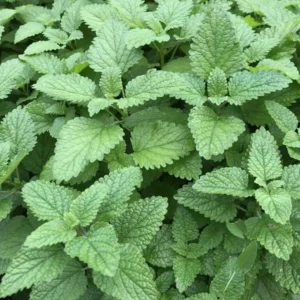
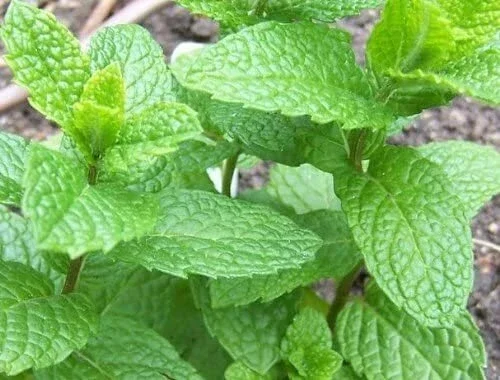
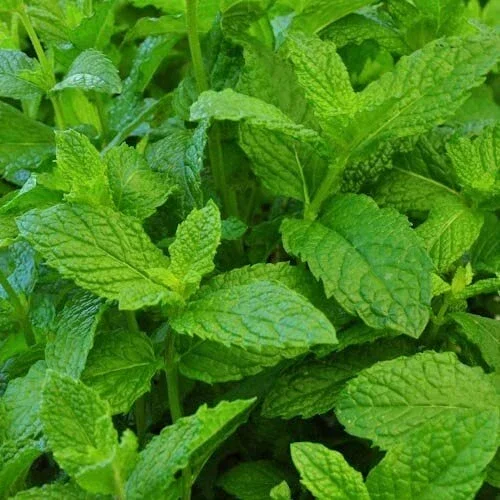
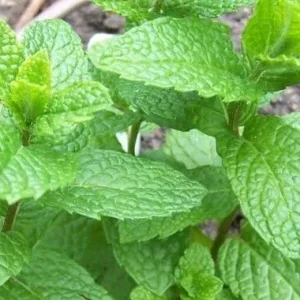
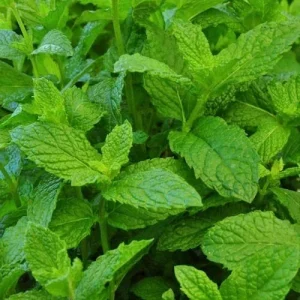
Introduce the refreshing essence of a peppermint live plant into your home or garden. This versatile and robust herb, scientifically known as Mentha piperita, is cherished for its vibrant green leaves and invigorating aroma. Whether you’re a culinary enthusiast, a tea lover, or simply enjoy fragrant foliage, this peppermint live plant offers a multitude of uses and an easy growing experience. Its clumping growth habit and rapid growth rate make it a rewarding addition to any plant collection, thriving both indoors and outdoors. Peppermint is a hybrid mint, a cross between watermint and spearmint, and is widely recognized for its distinctive flavor and scent. This aromatic herb plant is a must-have for anyone looking to add fresh, homegrown ingredients to their daily life.
Cultivating your own edible peppermint plant allows you to enjoy its fresh leaves in teas, desserts, cocktails, and savory dishes. Its strong, invigorating scent also makes it an excellent natural air freshener for your home. With minimal attention required once established, this easy care herb is suitable for gardeners of all skill levels, from beginners to seasoned enthusiasts. Experience the joy of harvesting your own fresh herbs with this adaptable and rewarding plant, even considering the benefits of growing peppermint indoors.
Key Benefits
Adding a peppermint live plant to your home or garden brings a host of advantages beyond its beauty. It’s an incredibly functional plant with numerous practical and sensory benefits:
- Culinary Versatility: The fresh leaves of this edible peppermint plant are perfect for a wide range of culinary applications. Use them to flavor desserts, beverages like iced tea and mojitos, or as a garnish for savory dishes. The strong, refreshing taste elevates any recipe, providing a homegrown touch to your meals and drinks.
- Aromatic Delight: Known for its strong, pleasant scent, peppermint acts as a natural air freshener. Its invigorating aroma can help clear sinuses, boost mood, and create a calming atmosphere, making it an excellent aromatic herb plant for indoor spaces. The scent is also known to deter certain pests.
- Easy to Grow: This easy care herb requires minimal attention once established. It’s resilient and forgiving, making it an ideal choice for beginner gardeners or those with busy lifestyles. It adapts well to various conditions, thriving with moderate watering and adequate sunlight, ensuring a successful growing experience for your peppermint live plant.
- Natural Pest Repellent: The strong scent of peppermint naturally deters certain pests, including ants, mosquitoes, and rodents, making it a beneficial companion plant in your garden or a natural deterrent in your home. This organic pest control method is safe and effective.
- Medicinal Properties: Peppermint has a long history of traditional use for its medicinal qualities. It’s commonly used to soothe upset stomachs, alleviate headaches, and relieve congestion, often consumed as a tea. Growing your own provides immediate access to these natural remedies.
- Fast Growth Rate: With a fast growth rate, you won’t have to wait long to enjoy the abundant harvest from your peppermint live plant. It quickly fills out its space, providing a continuous supply of fresh leaves throughout the growing season, perfect for frequent use.
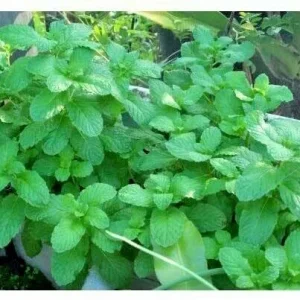
- Indoor & Outdoor Suitability: This adaptable plant can thrive both indoors in a pot near a sunny window or outdoors in a garden bed, offering flexibility in where you choose to grow it. This makes growing peppermint indoors a viable option for those with limited outdoor space.
Plant Care & Growing Tips
Caring for your peppermint live plant is straightforward, making it an excellent choice for gardeners of all skill levels. Peppermint thrives in environments that mimic its natural habitat. For optimal growth, aim to provide consistent care. In terms of sunlight, peppermint prefers full sun to partial shade. If growing outdoors, choose a spot that receives at least 4-6 hours of direct sunlight daily. Indoors, place your plant near a south or west-facing window where it can get bright, indirect light. While it tolerates various light conditions, more light generally leads to more vigorous growth and a stronger flavor profile for your edible peppermint plant.
Watering is crucial for peppermint. It prefers consistently moist soil but dislikes being waterlogged. Water thoroughly when the top inch of soil feels dry to the touch, ensuring good drainage to prevent root rot. During hotter months or if grown in full sun, you may need to water more frequently. The ideal soil type for peppermint is well-draining, rich in organic matter. A standard potting mix amended with compost works well. Peppermint is quite adaptable and can grow in various soil pH levels, from slightly acidic to slightly alkaline. It’s a hardy plant, generally suitable for USDA zones 3-11, making it resilient to a wide range of temperatures. Fertilize sparingly; a balanced liquid fertilizer every 4-6 weeks during the growing season is usually sufficient. To maintain a bushy growth habit and encourage new leaf production, regularly pinch back the top leaves and stems. Watch out for common pests like spider mites and aphids, which can usually be controlled with organic insecticidal soap. This easy care herb is quite robust, but consistent attention to watering and light will yield the best results for your peppermint live plant.
Size & Details
This peppermint live plant is typically shipped as a well-established plant, ready for transplanting or enjoying in its current form. The live plant measures approximately 7 inches in height and will arrive in a form suitable for immediate care, such as a bare root or a small nursery pot. Its clumping growth habit means it will expand to fill its space, making it an excellent choice for ground cover or container gardening. Peppermint is known for its fast growth rate, quickly producing abundant foliage. When mature, it can spread several feet wide if given the space, but it is easily contained in pots. The plant is expected to reach its full aromatic and edible potential within one growing season when provided with adequate care.
Frequently Asked Questions
- Q: How big does this plant get? A: A peppermint live plant typically grows to about 1-2 feet tall and can spread considerably wide, especially when planted directly in the ground. Its clumping habit makes it easy to manage in containers, making growing peppermint indoors simple.
- Q: Is this an indoor or outdoor plant? A: This peppermint plant is highly versatile and thrives both indoors and outdoors. When grown indoors, ensure it receives ample sunlight. Outdoors, it can be planted in garden beds or containers.
- Q: How much sunlight does it need? A: Peppermint prefers full sun to partial shade, ideally receiving at least 4-6 hours of direct sunlight per day. Too little light can result in leggy growth and less potent flavor, diminishing its quality as an aromatic herb plant.
- Q: Is this plant easy to care for? A: Yes, peppermint is considered an easy care herb. It’s resilient and adapts well to various conditions, making it suitable for beginners. Consistent moisture and adequate light are key to its success.
- Q: Can I use peppermint in cooking? A: Absolutely! This edible peppermint plant is perfect for culinary uses. Its leaves can be added to teas, desserts, cocktails, and even some savory dishes for a refreshing flavor.
- Q: What condition will it arrive in? A: If you select the live plant option, it will arrive as a healthy, well-rooted plant, approximately 7 inches tall, ready for planting or continued growth.
- Q: Will it survive winter in my zone? A: Peppermint is generally hardy in USDA zones 3-11. In colder climates (zones 3-5), it will die back in winter but typically regrow from its roots in spring. In warmer zones, it can remain evergreen.
- Q: How often should I water my peppermint plant? A: Water your peppermint plant when the top inch of soil feels dry to the touch. It prefers consistently moist, but not waterlogged, soil. Reduce watering in cooler months.
- Q: Is this aromatic herb plant pet-safe? A: While peppermint is generally considered safe for human consumption, it can be toxic to pets in large quantities. It’s best to keep it out of reach of curious pets.
- Q: What are the benefits of growing peppermint indoors? A: Growing peppermint indoors allows you to have fresh herbs readily available year-round, provides a natural air freshener, and aids in natural pest deterrence within your home.


Reviews
There are no reviews yet.