Overview
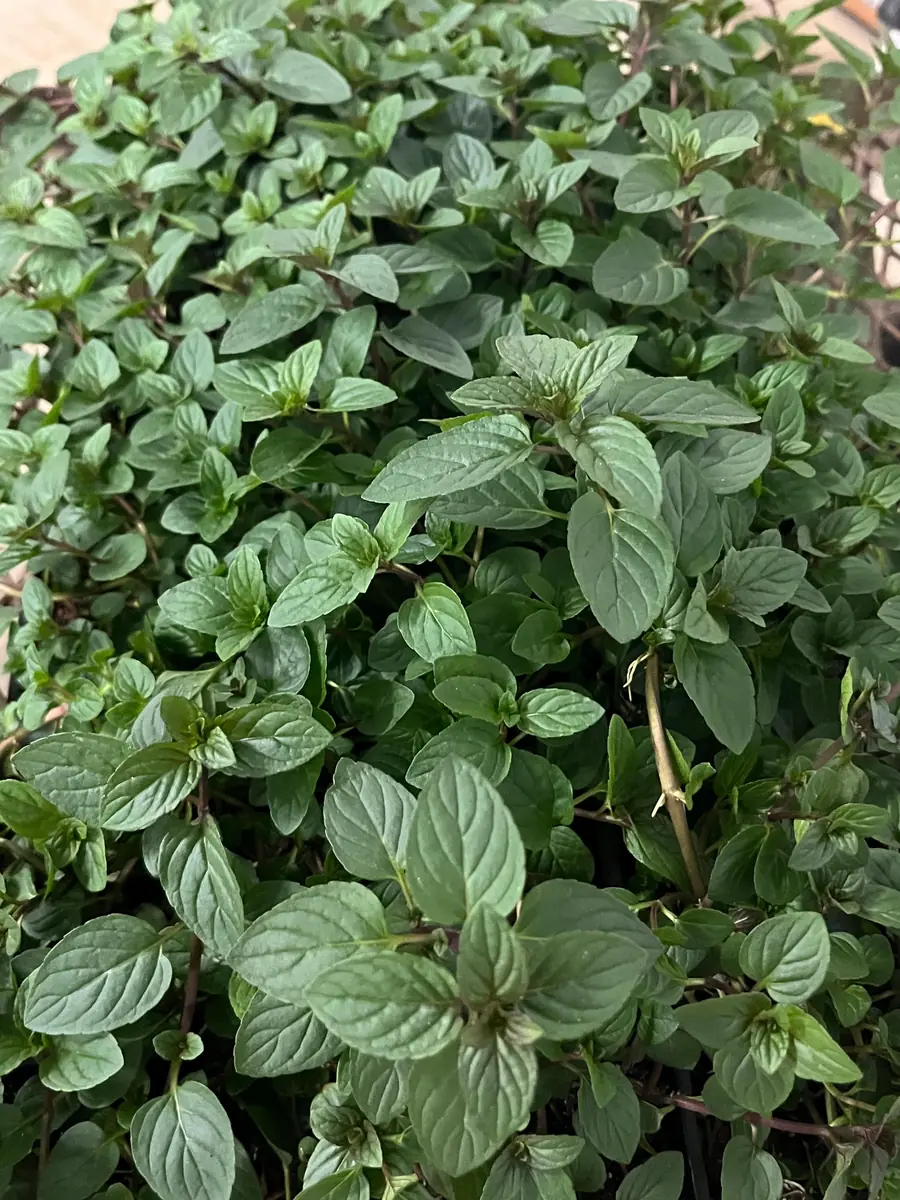
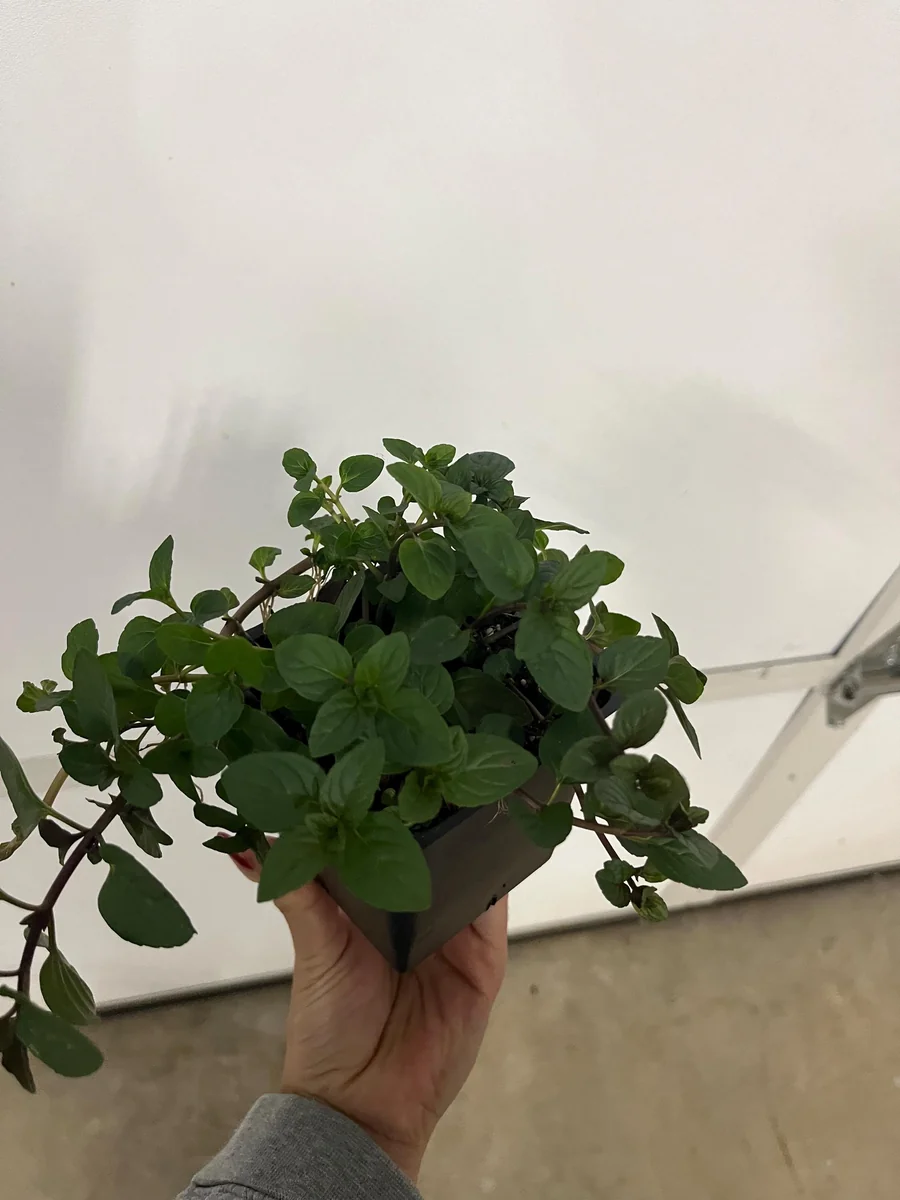
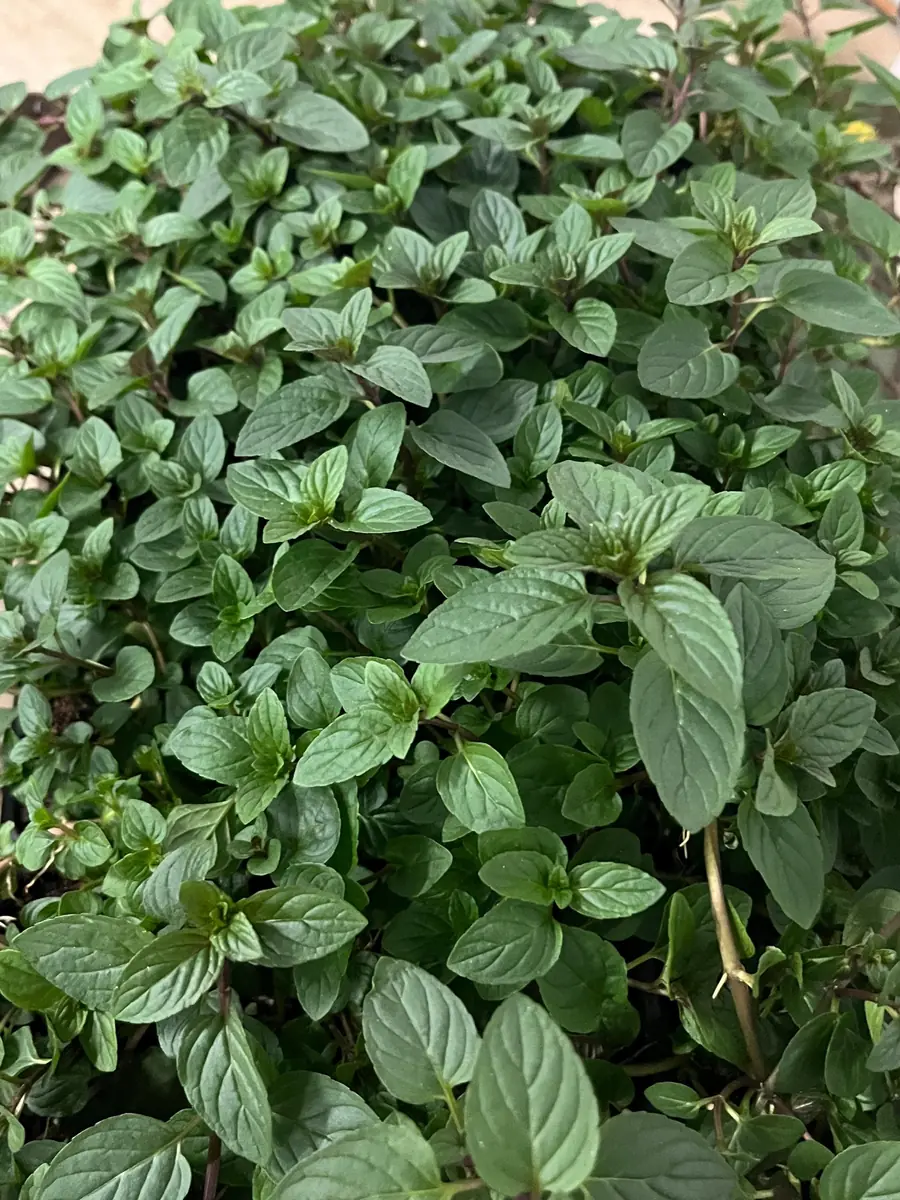
Cultivate your very own refreshing peppermint live plant, botanically known as Mentha x piperita. This beloved aromatic herb is a natural hybrid of Water Mint (Mentha aquatica) and Spearmint (Mentha spicata), offering a robust and invigorating scent and flavor. Unlike other mints, peppermint rarely produces viable seeds, ensuring that the plants you receive are true to the desirable variety, often used for high-quality peppermint oil production. Our peppermint live plant offers a vigorous growth habit and is an excellent addition to any herb garden, kitchen window, or container. Its vibrant green leaves are packed with menthol, making it a staple for culinary adventures, soothing teas, and natural home remedies. Experience the joy of fresh, homegrown peppermint with this easy-to-grow and highly rewarding plant.
The distinctive crisp and cool flavor of Mentha x piperita makes it a favorite worldwide. While fresh leaves can be potent due to high menthol content, drying them mellows the flavor, making them perfect for blending with other herbs. This particular variety is chosen for its superior quality and consistent characteristics, ensuring you get the authentic peppermint experience. Whether you’re a seasoned gardener or a beginner, growing peppermint live plant is a simple and satisfying endeavor that brings both beauty and utility to your space.
Key Benefits
A peppermint live plant offers a multitude of benefits, from enhancing your culinary endeavors to providing a delightful sensory experience. Its versatility and ease of care make it a must-have for any plant enthusiast.
- Culinary Versatility: Fresh or dried, peppermint leaves are perfect for teas, desserts, cocktails, and savory dishes. Its strong, crisp flavor adds a unique touch to a wide range of recipes, making it an indispensable kitchen herb.
- Aromatic & Invigorating Scent: The strong, refreshing aroma of peppermint can uplift your mood and help clear your senses. It’s a natural air freshener and can be used in potpourri or as a fragrant addition to your home.
- Medicinal Properties: Historically, peppermint has been used for its soothing properties, particularly for digestive comfort and headache relief. Enjoy a cup of homemade peppermint tea for natural wellness.
- Vigorous Growth: This hybrid mint grows energetically, providing an abundant supply of leaves throughout the growing season. With proper care, your peppermint live plant will thrive and produce consistently.
- Pest Repellent: The strong scent of peppermint can naturally deter certain garden pests, making it a beneficial companion plant in your garden or a natural deterrent around your home.
- Easy to Grow: Known for its hardiness and adaptability, growing peppermint is suitable for gardeners of all experience levels. It tolerates various conditions and requires minimal fuss once established.
- Container Friendly: Due to its spreading nature, peppermint is an excellent choice for container gardening, allowing you to control its growth and enjoy its benefits on patios, balconies, or indoors.
Plant Care & Growing Tips
Caring for your peppermint live plant is relatively straightforward, making it an ideal choice for both novice and experienced gardeners. Understanding its basic needs will ensure a healthy, thriving plant that provides an abundance of aromatic leaves. Peppermint thrives in conditions that mimic its natural habitat, favoring moisture and moderate sunlight. For successful peppermint plant care, attention to light, water, and soil is crucial.
Sunlight Requirements
Your peppermint live plant prefers full sun to partial shade. In hotter climates, partial shade during the intense afternoon sun will prevent leaf scorching. Aim for at least 4-6 hours of direct sunlight daily for the most vigorous growth and potent flavor. If growing indoors, place it near a bright window that receives ample light, or consider supplementing with a grow light, especially during shorter winter days. Rotating the plant regularly will ensure even growth.
Watering Schedule and Soil Moisture Preferences
Peppermint loves consistent moisture. The soil should be kept evenly moist but not waterlogged. Water thoroughly when the top inch of soil feels dry to the touch. During hot, dry periods, you may need to water daily. Ensure good drainage to prevent root rot. Reduce watering slightly in cooler months or if the plant is dormant. Wilting leaves are usually a sign that your mentha x piperita needs a drink.
Soil Type and Drainage Requirements
A rich, well-draining soil is ideal for growing peppermint. A good quality potting mix amended with compost will provide the necessary nutrients and structure. If planting in the garden, ensure the soil is loose and fertile. Peppermint can tolerate a range of soil types but performs best in slightly acidic to neutral soil (pH 6.0-7.0). Excellent drainage is paramount to prevent disease and promote healthy root development.
Temperature Range and USDA Hardiness Zone
Peppermint is quite hardy and can thrive in USDA Zones 3-11, making it suitable for a wide range of climates. It tolerates cold winters, often dying back to the ground and re-emerging in spring. The ideal temperature range for active growth is between 60-75°F (15-24°C). If grown indoors, protect it from extreme temperature fluctuations and cold drafts. This resilience makes peppermint plant care relatively easy across many regions.
Fertilization Schedule and Type
Peppermint is not a heavy feeder. If planted in rich soil, it may not require much additional fertilization. However, a balanced liquid fertilizer diluted to half strength can be applied every 4-6 weeks during the active growing season (spring and summer) to encourage lush foliage. Avoid over-fertilizing, as this can lead to leggy growth and reduced flavor potency. Organic options like compost tea also work well for your aromatic herb plant.
Common Problems and Solutions
While generally robust, peppermint can occasionally encounter issues. Powdery mildew can occur in humid conditions with poor air circulation; ensure good spacing and air flow. Rust is another fungal issue, identifiable by orange spots on leaves; remove affected foliage and improve ventilation. Spider mites can be a problem, especially indoors; regular misting and insecticidal soap can help control them. Regularly inspecting your peppermint live plant will help catch issues early. Remember that growing peppermint successfully often means being proactive in addressing potential problems.
Size & Details
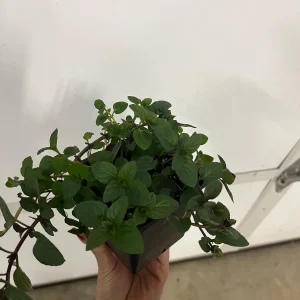
Our peppermint live plant is typically shipped as a young, healthy plant, ready to be transplanted into your garden or a larger container. The exact size will vary based on the growing season, but you can expect a well-rooted specimen. Peppermint is a fast-growing herb, quickly reaching heights of 1-2 feet (30-60 cm) and spreading vigorously if not contained. Its growth habit is often described as spreading or creeping, making it an excellent ground cover if allowed. When grown in optimal conditions, it can spread several feet wide in a season. We recommend planting in a 6-inch or larger pot to provide ample space for root development and growth, especially if you want to control its spread. Expect your plant to establish quickly and provide harvestable leaves within a few weeks of planting. This mentha x piperita offers a moderate growth rate, quickly filling its space with lush, green foliage.
Frequently Asked Questions
- Q: How big does this peppermint live plant get? A: A peppermint live plant typically grows 1 to 2 feet tall and can spread quite vigorously, often reaching several feet wide if not contained. For controlled growth, we recommend planting it in a pot.
- Q: Is this an indoor or outdoor plant? A: Peppermint is a versatile plant that can thrive both indoors and outdoors. Outdoors, it’s hardy in USDA Zones 3-11. Indoors, ensure it receives plenty of bright light.
- Q: How much sunlight does my peppermint live plant need? A: Your peppermint live plant prefers full sun to partial shade, ideally at least 4-6 hours of direct sunlight daily for the best flavor and growth. In very hot climates, some afternoon shade is beneficial.
- Q: Is this plant easy to care for? A: Yes, growing peppermint is generally considered very easy. It’s a robust and adaptable herb, making it suitable for gardeners of all experience levels, even beginners. Consistent watering and adequate light are key.
- Q: What condition will the peppermint live plant arrive in? A: Your peppermint live plant will arrive as a healthy, well-rooted plant, carefully packaged to ensure its safe journey. It will be ready for immediate transplanting into your desired location.
- Q: Can I use peppermint in cooking? A: Absolutely! Peppermint is a fantastic culinary herb, perfect for teas, desserts, drinks, and even some savory dishes. Its fresh, invigorating flavor is highly prized in many recipes.
- Q: When is the best time to plant mentha x piperita? A: The best time for growing peppermint is in the spring after the last frost, or in early fall. If growing indoors, it can be planted year-round.
- Q: What’s the minimum temperature this aromatic herb plant can tolerate? A: Peppermint is quite cold-hardy and can withstand temperatures down to about -30°F (-34°C) in its dormant state, making it suitable for USDA Zones 3-11.
- Q: Is peppermint considered an invasive plant? A: Peppermint, like many mints, can be an aggressive spreader due to its rhizomatous root system. Planting it in containers or with root barriers is recommended to prevent it from taking over your garden.
- Q: How often should I harvest the leaves of my peppermint plant? A: You can harvest peppermint leaves as needed, once the plant is established. Regular harvesting encourages bushier growth. For larger harvests, cut stems back by about one-third before flowering.


Reviews
There are no reviews yet.