Overview
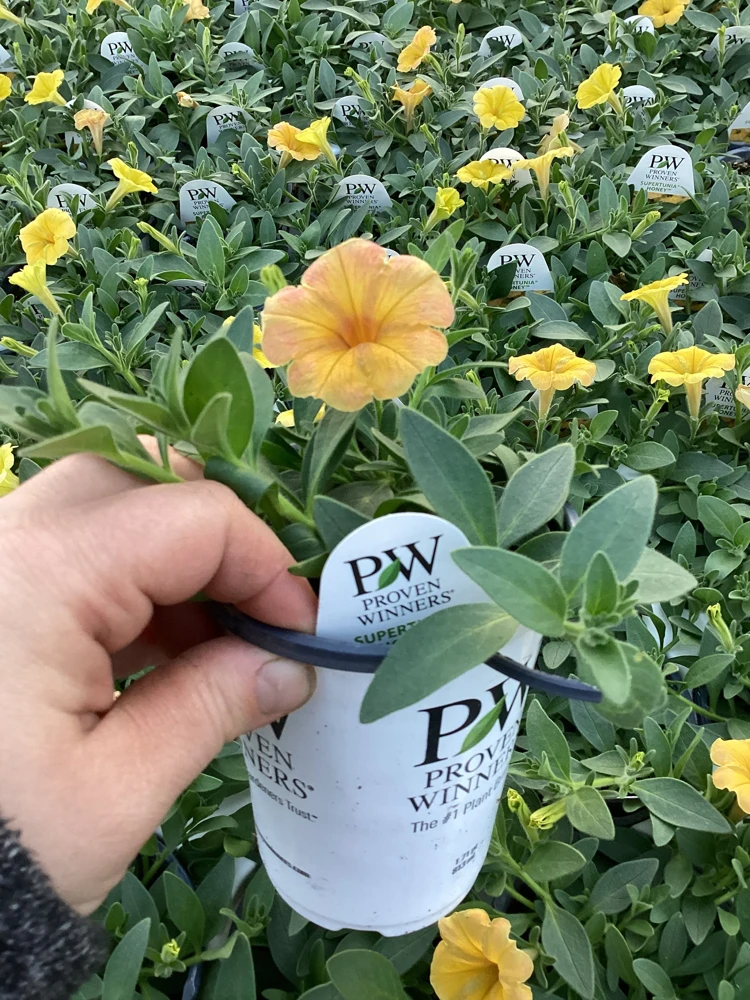
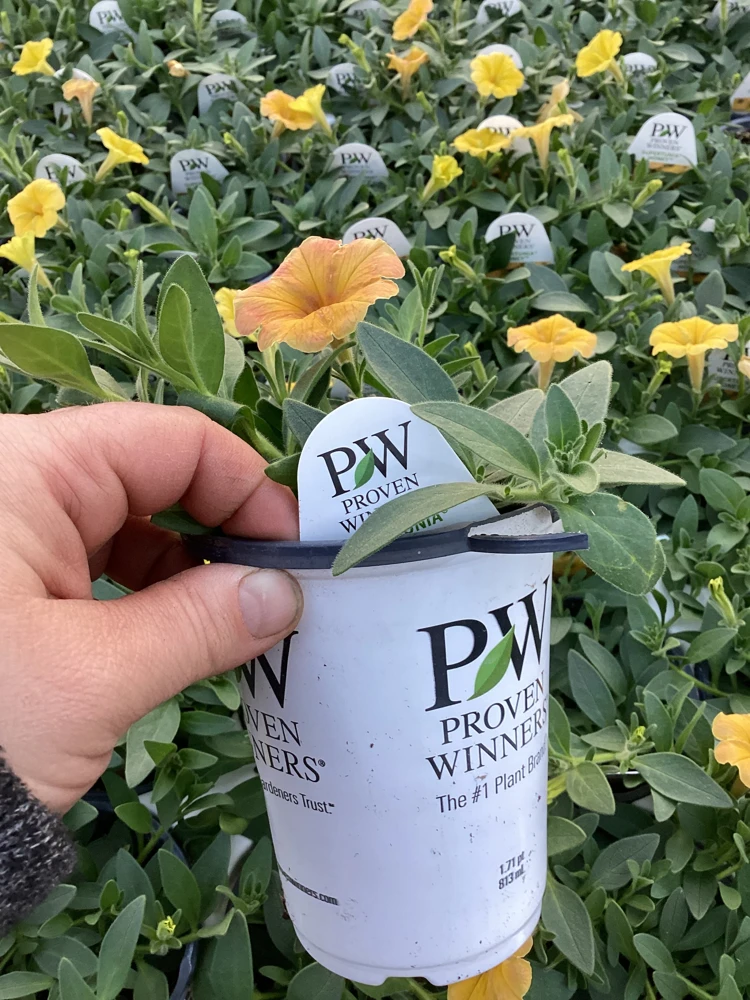
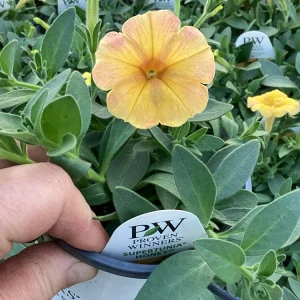
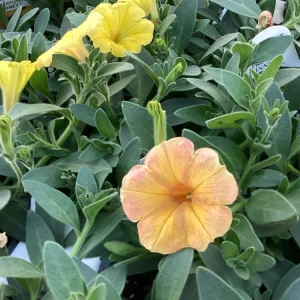
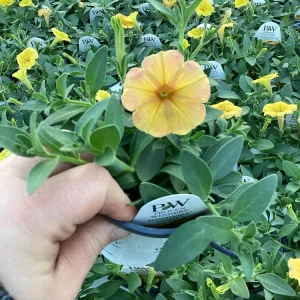
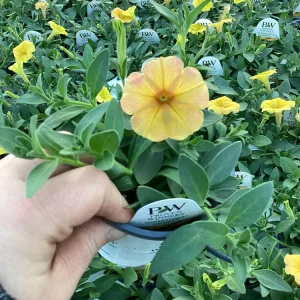
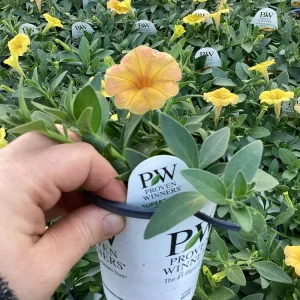
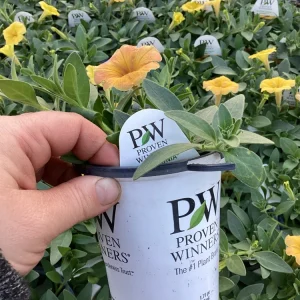
Transform your outdoor spaces with the stunning petunia supertunia honey live plant. This exceptional variety is renowned for its vigorous growth and prolific blooming, producing a cascade of beautiful, honey-toned flowers that will brighten any patio, balcony, or garden bed. Unlike traditional petunias, Supertunias are bred for superior performance, offering continuous blooms from spring through fall without the need for deadheading. Each plant arrives well-established in a 4.5-inch nursery pot, ready to thrive in its new home. The petunia supertunia honey live plant is an excellent choice for gardeners seeking reliable, long-lasting color and an impressive display. Its robust nature makes it a favorite for both novice and experienced gardeners.
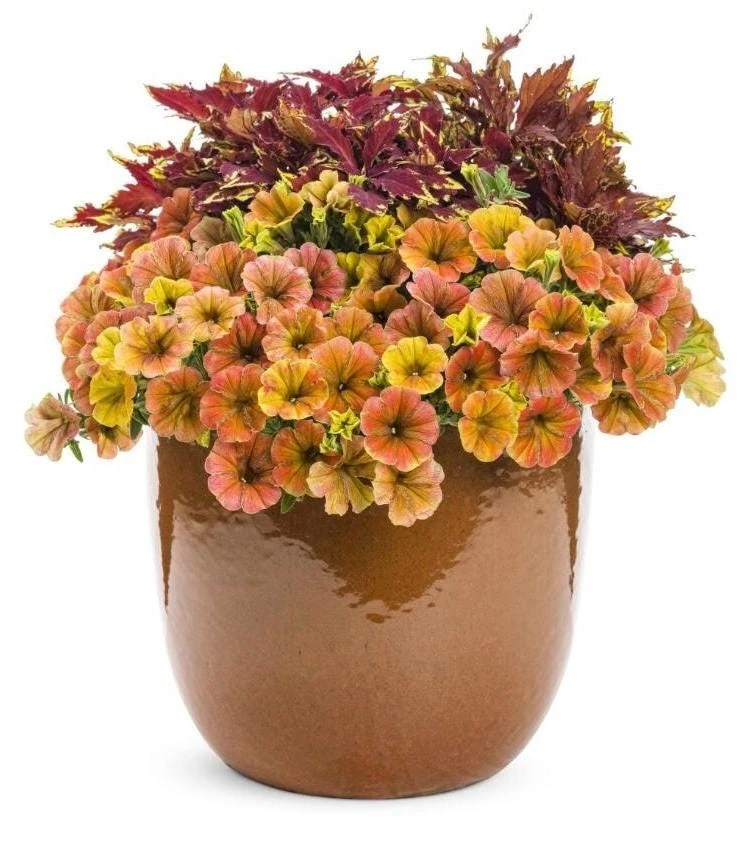
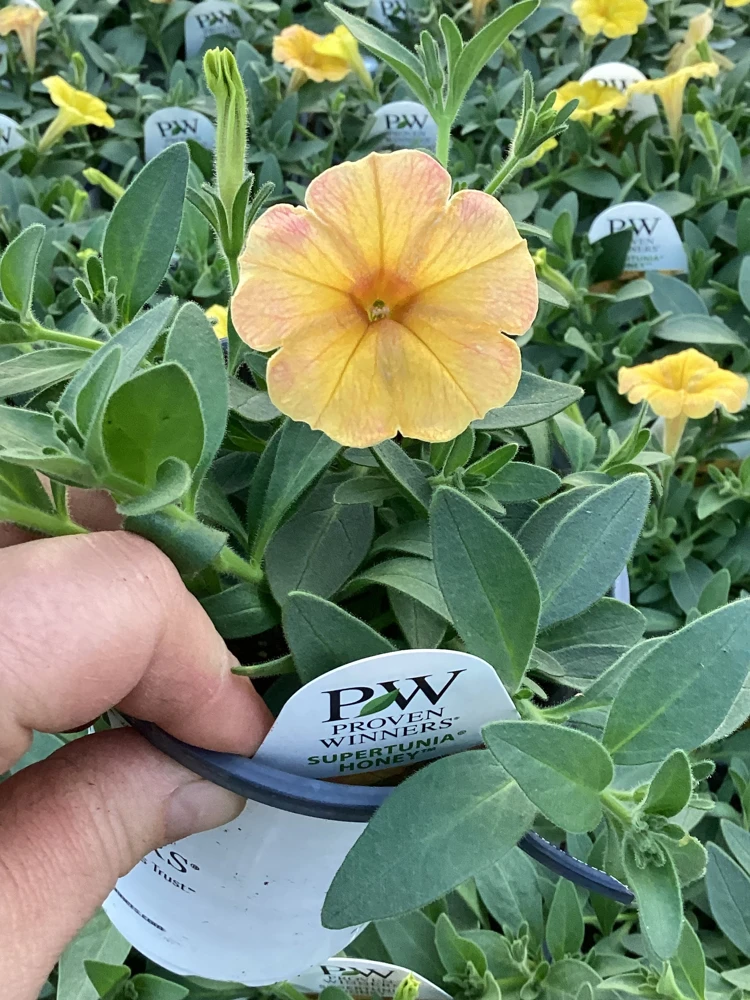
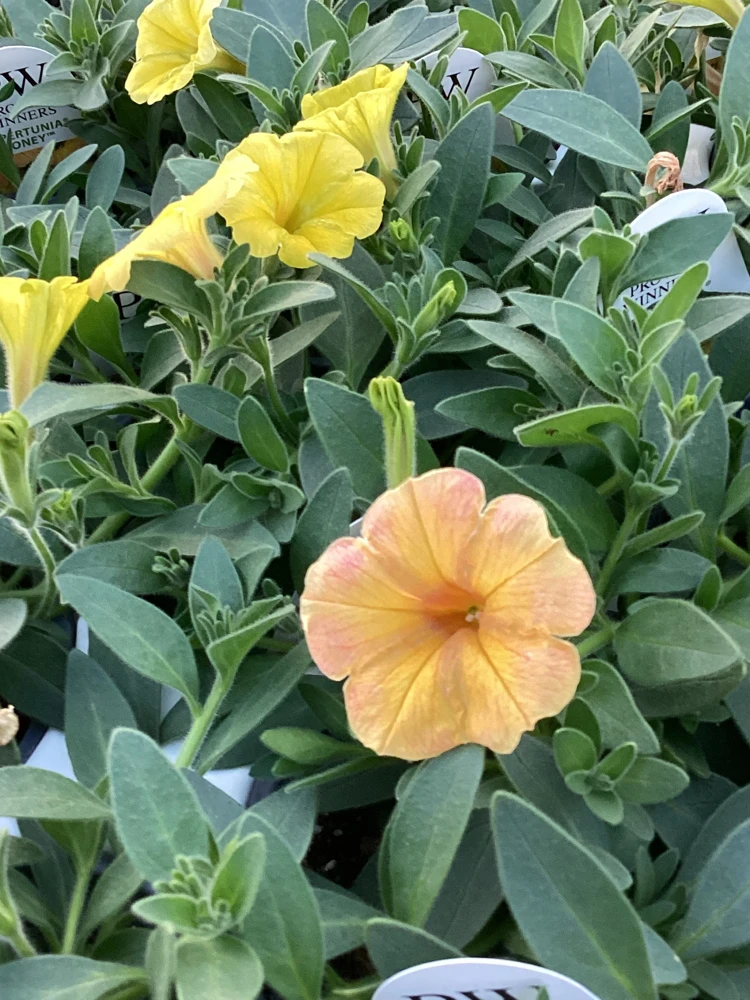
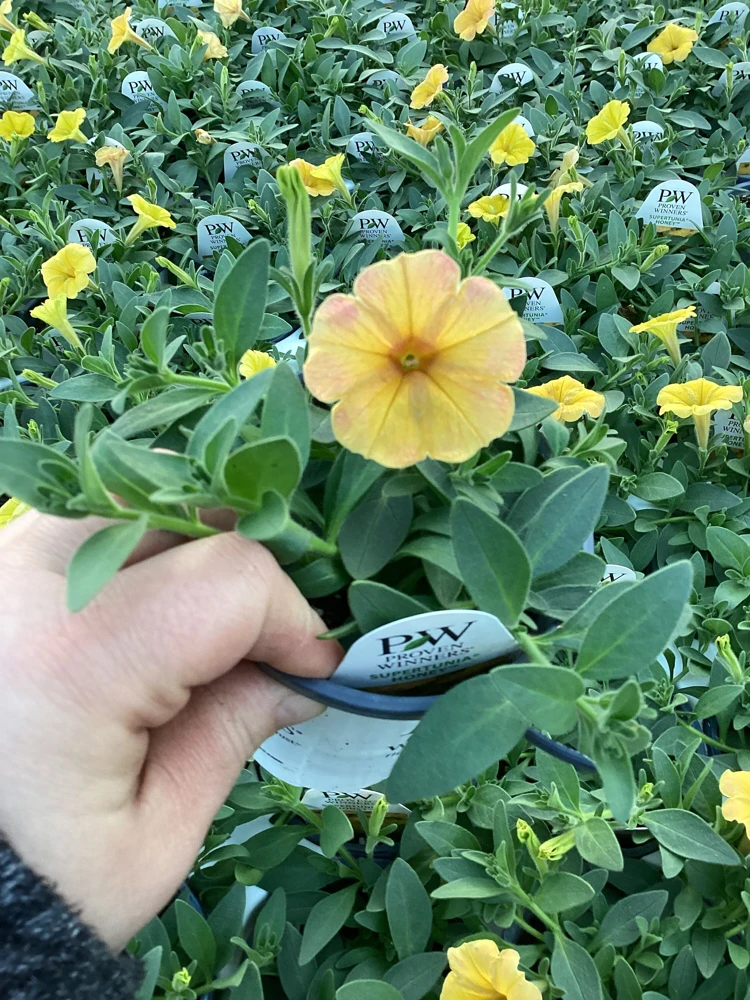
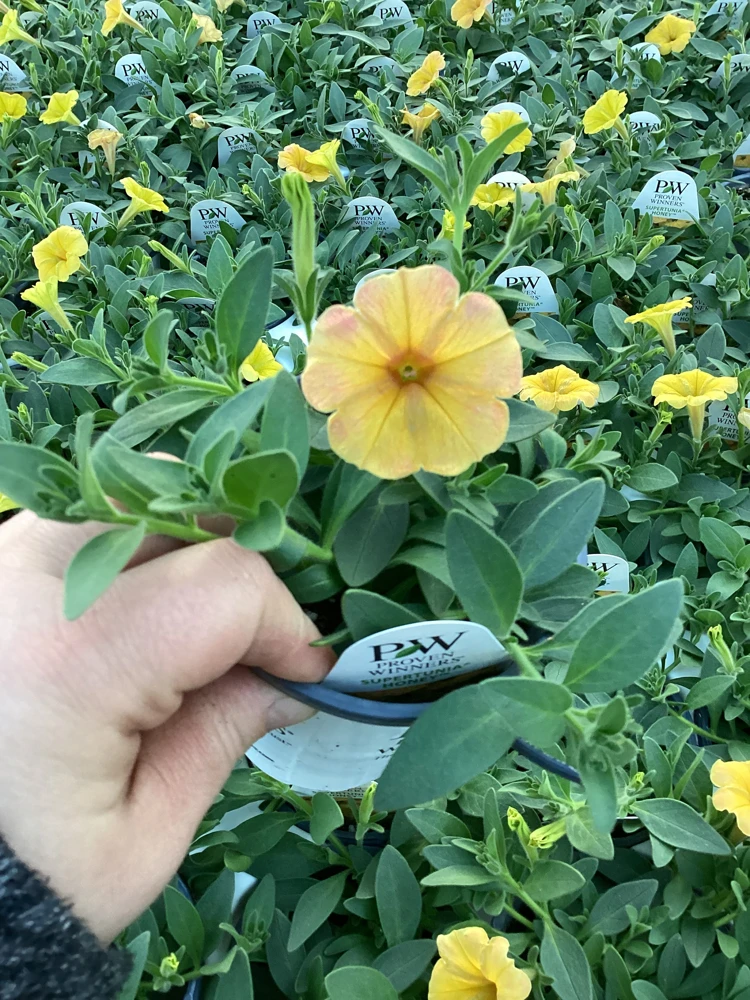
The Supertunia Honey is a hybrid petunia, celebrated for its unique coloration and strong branching habit. Its flowers feature a delightful blend of warm honey and soft yellow hues, often with subtle veining that adds depth and interest. This trailing petunia plant is particularly effective when allowed to spill over the edges of containers, window boxes, or hanging baskets, creating a lush, flowing effect. Its resilience to various weather conditions, including heat and light frost, ensures a consistent and vibrant show throughout the growing season. If you’re looking for a plant that delivers big impact with minimal fuss, the Supertunia Honey is an outstanding option.
Key Benefits
The petunia supertunia honey live plant offers a multitude of benefits that make it a top choice for gardeners. Its exceptional qualities ensure a rewarding and beautiful display throughout the growing season. Here are some of the key advantages of adding this spectacular plant to your collection:
- Continuous, Prolific Blooms: Enjoy a constant display of vibrant honey-colored flowers from spring until the first hard frost. This variety is known for its incredible blooming power, ensuring your garden is always full of life and color.
- Low Maintenance & Self-Cleaning: Unlike many other petunias, Supertunia Honey is self-cleaning, meaning it doesn’t require deadheading (removing spent flowers) to encourage new blooms. This significantly reduces maintenance time, allowing you more time to enjoy its beauty.
- Vigorous Trailing Habit: Perfect for creating dramatic cascades in hanging baskets, window boxes, and containers. The strong, trailing stems can grow quite long, creating a lush and full appearance that spills gracefully over the edges. This makes it an ideal petunia for hanging baskets.
- Heat and Drought Tolerant: This resilient plant performs exceptionally well in hot summer conditions and can tolerate periods of drought once established, making it a robust choice for various climates. It’s a reliable performer even when temperatures rise.
- Attracts Pollinators: The cheerful flowers of the petunia supertunia honey live plant are a magnet for hummingbirds and butterflies, bringing delightful activity and life to your garden space.
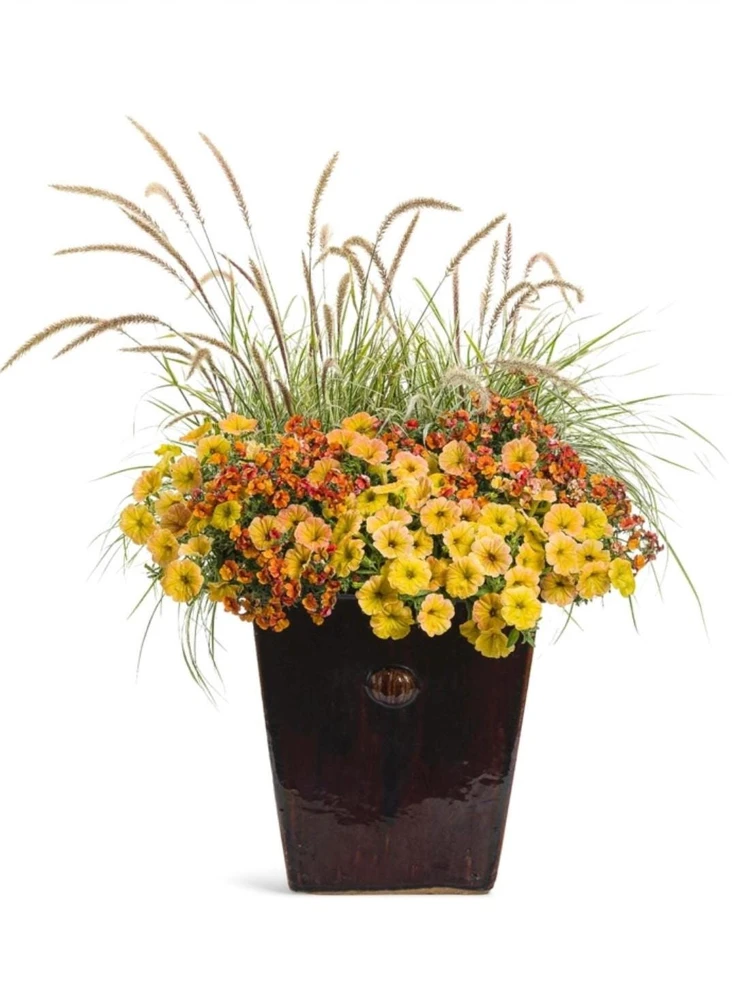
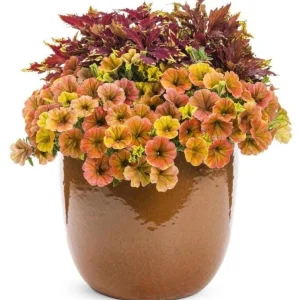
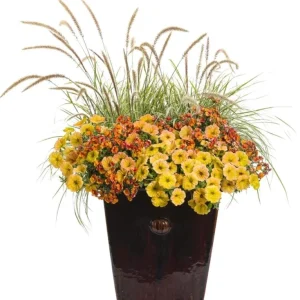
- Versatile Garden Use: Beyond hanging baskets, it thrives in mixed containers, as a groundcover, or even as a vibrant border plant. Its adaptability allows for creative planting designs in almost any sunny location.
- Disease Resistant: Bred for superior health, Supertunia varieties generally show good resistance to common petunia diseases, ensuring a healthier and more robust plant throughout the season.
Plant Care & Growing Tips
Caring for your petunia supertunia honey live plant is relatively straightforward, ensuring a season full of beautiful blooms. This robust plant thrives with consistent attention to its basic needs. For optimal growth and an abundance of vibrant petunia flowers, select a location that receives at least 6 hours of direct sunlight per day. Full sun exposure is ideal, as it promotes the most vigorous growth and heaviest flowering. While it can tolerate some partial shade, too much shade will result in fewer blooms and leggy growth.
When it comes to watering, Supertunias prefer consistently moist, but not waterlogged, soil. Check the soil moisture daily, especially during hot weather or when grown in containers, as they dry out faster. Water thoroughly until water drains from the bottom of the pot. Avoid overhead watering to minimize leaf spot issues; instead, water at the base of the plant. Well-draining soil is crucial to prevent root rot. A high-quality potting mix designed for flowering plants is recommended for containers. For in-ground planting, amend heavy clay soils with organic matter to improve drainage.
Fertilization is key to the continuous blooming of the petunia supertunia honey live plant. Feed your plant with a balanced, slow-release granular fertilizer at planting or a water-soluble liquid fertilizer every 1-2 weeks during the growing season. Look for a fertilizer with a higher phosphorus content to encourage flowering. While Supertunias are self-cleaning and don’t require deadheading, occasional light pruning can help maintain a tidy shape and encourage bushier growth. Pinch back any overly long or leggy stems to promote branching. This helps ensure your supertunia honey care routine results in a beautiful, full plant.
Size & Details
The petunia supertunia honey live plant you will receive is a well-established specimen, growing robustly in a 4.5-inch plastic nursery pot. This size ensures a strong root system, allowing for a smooth transition to your garden or larger containers. Supertunia Honey is known for its vigorous, trailing habit, with stems typically reaching lengths of 18-36 inches (45-90 cm) over the growing season, creating an impressive cascade of color. The plant’s spread can be similar, often filling out a container beautifully.
These plants are fast growers, and with proper care, you can expect them to reach a significant size and begin blooming profusely shortly after planting. The flowers are typically medium-sized, showcasing their distinctive honey-yellow hues. While exact growth rates can vary based on environmental conditions and care, the 4.5-inch pot size provides a substantial start for a season of spectacular blooms. This petunia for hanging baskets is shipped live and healthy, ready to be transplanted and enjoyed immediately.
Frequently Asked Questions
- Q: How big does this plant get? A: The petunia supertunia honey live plant typically produces trailing stems that can reach lengths of 18-36 inches (45-90 cm), creating a beautiful cascading effect. Its spread can be similar, making it excellent for filling containers.
- Q: What size pot does it come in? A: Each petunia supertunia honey live plant is shipped well-established in a 4.5-inch plastic nursery pot, providing a healthy start for your garden.
- Q: Is this an indoor or outdoor plant? A: Supertunia Honey is primarily an outdoor annual plant, thriving in full sun conditions. While it can be brought indoors temporarily, it performs best in outdoor environments.
- Q: How much sunlight does it need? A: For the best blooming performance and overall health, the trailing petunia plant requires at least 6 hours of direct sunlight per day. More sun generally means more flowers.
- Q: Is this plant easy to care for? A: Yes, Supertunia Honey is known for its ease of care. It’s self-cleaning, meaning no deadheading is required, and it’s quite resilient, making supertunia honey care simple for gardeners of all levels.
- Q: What condition will it arrive in? A: Your petunia supertunia honey live plant will arrive as a healthy, well-established live plant, carefully packed to ensure it reaches you in excellent condition, ready for planting.
- Q: Is it shipped in soil? A: Yes, the plant is shipped actively growing in its 4.5-inch nursery pot with soil, ensuring its roots are protected and hydrated during transit.
- Q: When is the best time to plant? A: The best time to plant your Supertunia Honey is after the last danger of frost in your region, typically in spring, when soil temperatures have warmed up.
- Q: Will it survive winter in my zone? A: Supertunia Honey is generally grown as an annual in most climates. It is not cold-hardy and will not typically survive winter temperatures below freezing.
- Q: What’s the minimum temperature it can tolerate? A: This plant thrives in warm conditions and is sensitive to frost. It generally cannot tolerate temperatures consistently below 32°F (0°C).


Reviews
There are no reviews yet.