Overview
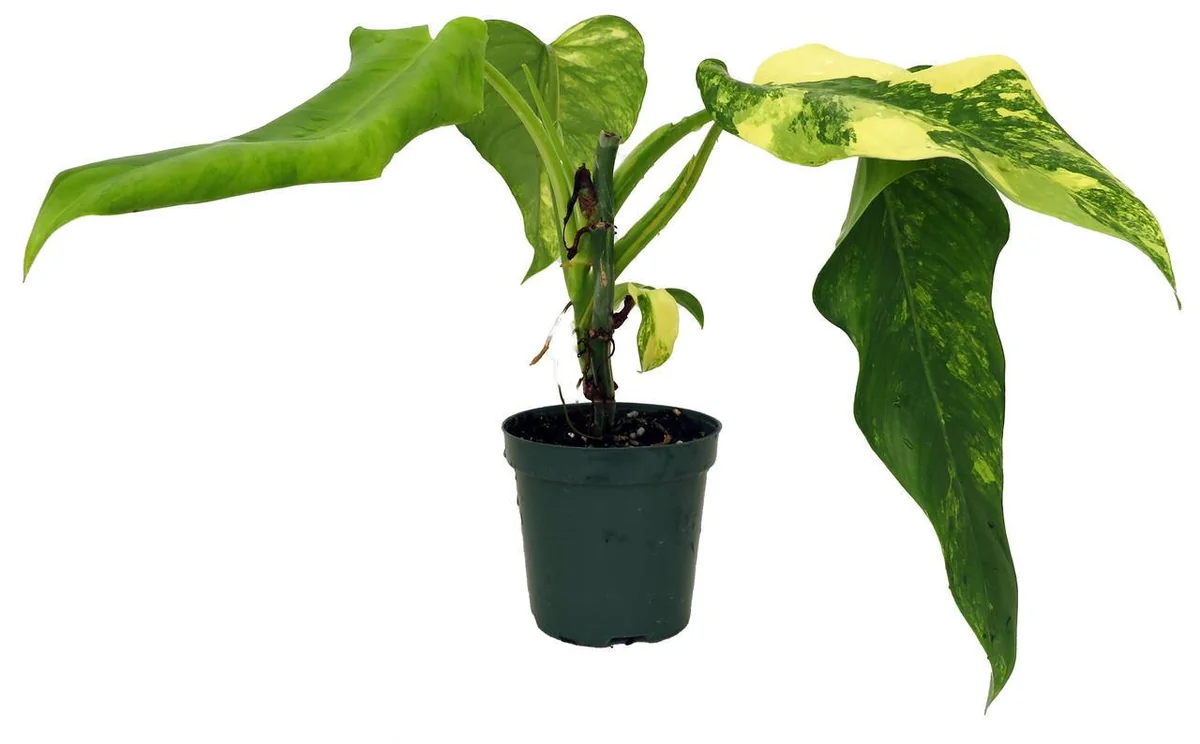
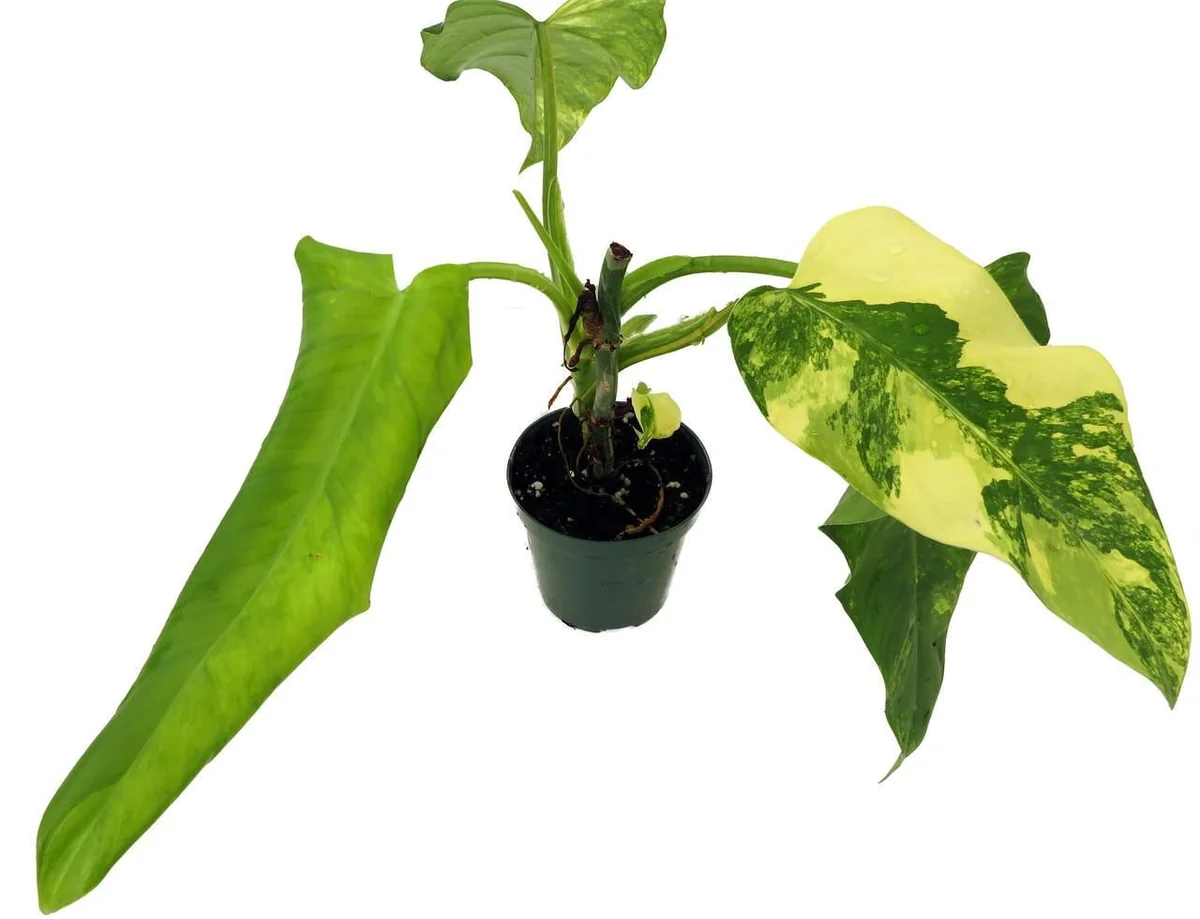
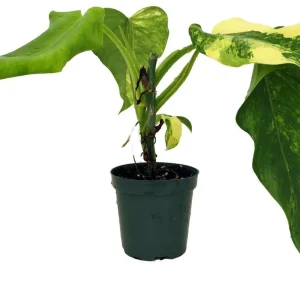
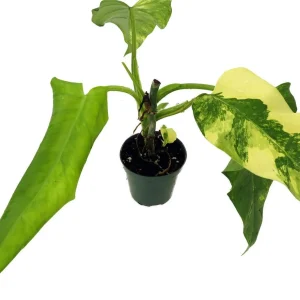
The philodendron domesticum variegated is a truly captivating addition to any indoor plant collection. Known for its distinctive, elongated heart-shaped leaves, this live plant showcases a mesmerizing blend of creamy whites and soft greens, creating a natural work of art. Originating from the tropical rainforests, this variegated philodendron species brings a touch of exotic elegance to your home or office. It is a vigorous climber, making it an excellent choice for trained growth on moss poles or stakes. Its striking foliage makes it a focal point in any room, offering continuous visual interest and a fresh, vibrant aesthetic. This particular specimen comes as a healthy, established plant in a 4-inch nursery pot, ready to thrive in its new environment. The philodendron domesticum variegated is celebrated not just for its beauty but also for its relatively straightforward care requirements, making it suitable for both novice and experienced plant parents looking for a unique and rewarding houseplant.
Key Benefits
Incorporating a philodendron domesticum variegated into your living space offers numerous advantages beyond its undeniable beauty:
- Stunning Visual Appeal: The dramatic variegation of white and green on its elongated, heart-shaped leaves creates a striking contrast that instantly elevates the aesthetic of any room. It acts as a natural decor piece, drawing the eye and adding a sophisticated touch.
- Air Purification: Like many philodendrons, this plant contributes to a healthier indoor environment by helping to filter airborne toxins. It naturally enhances air quality, providing a fresher and cleaner atmosphere.
- Adaptable Growth Habit: As a climbing philodendron, it can be left to trail beautifully from a shelf or encouraged to climb upwards on a moss pole or stake, allowing for versatile display options that suit your personal style and space.
- Relatively Easy Care: This variegated philodendron live plant is known for its resilience and adaptability, thriving in moderate light conditions and requiring consistent but not overly demanding care. It’s a great choice for those looking for an impactful plant without extensive maintenance.
- Humidity Appreciation: In environments with higher humidity, the plant develops numerous aerial roots, which not only aids its climbing but also adds to its unique, naturalistic jungle aesthetic, enhancing its overall charm.
- Growth Satisfaction: Watching the new variegated leaves unfurl and the plant grow and climb provides a rewarding experience for any plant enthusiast, making it a fulfilling addition to your indoor garden.
- Unique Collector’s Item: Due to its distinct variegation and elegant form, the philodendron domesticum plant is often sought after by collectors, making it a special and valued piece within a plant collection.
Plant Care & Growing Tips
Caring for your philodendron domesticum variegated involves understanding its basic needs to ensure its continued health and vibrant growth. This tropical plant thrives in conditions that mimic its natural habitat. For optimal growth, place your plant in a location that receives bright, indirect light. Direct, harsh sunlight can scorch its delicate variegated leaves, leading to browning, while too little light can cause the variegation to fade and growth to become leggy. An east or north-facing window is often ideal, or a few feet back from a south or west-facing window. Maintain consistent moisture in the soil, allowing the top inch or two to dry out between waterings. Overwatering can lead to root rot, so ensure your pot has adequate drainage. This easy care houseplant prefers a well-draining potting mix that retains some moisture, such as a blend of orchid bark, perlite, and peat moss or coco coir.
Temperature-wise, philodendrons prefer warmer conditions, ideally between 65-80°F (18-27°C). Avoid exposing it to temperatures below 55°F (13°C), as this can cause stress and damage. While not strictly necessary, higher humidity (50-70%) will greatly benefit the plant, encouraging larger leaves and more prominent aerial roots. You can increase humidity by misting regularly, using a pebble tray, or placing it near a humidifier. Fertilize your philodendron domesticum variegated every 2-4 weeks during the growing season (spring and summer) with a balanced liquid fertilizer diluted to half strength. Reduce fertilization in fall and winter. As a climbing plant, providing a moss pole or stake for it to climb will encourage larger leaf development and a more upright growth habit. Regularly inspect your plant for pests such as spider mites or mealybugs, and treat promptly with insecticidal soap if necessary. Pruning can be done to maintain shape and encourage bushier growth.
Size & Details
This philodendron domesticum variegated is supplied as a healthy, actively growing live plant in a 4″ pot, making it a perfect size for immediate display or for growing on. At the time of shipping, the plant typically stands approximately 6-10 inches tall from the base of the pot, with several established leaves showcasing its unique variegation. Its growth rate is moderate, and with proper care and support, it can develop into a much larger specimen, with individual leaves growing significantly. As a climbing philodendron, its mature size is largely dependent on the support it receives; it can reach several feet in length over time when allowed to climb. The plant will arrive carefully packaged to ensure its safety during transit, nestled securely in its nursery pot with soil. Expect a robust root system and vibrant foliage, ready to acclimate to your home environment. This indoor philodendron care guide will help you nurture it to its full potential.
Frequently Asked Questions
- Q: How big does this philodendron domesticum variegated get? A: With proper care and a climbing support like a moss pole, this plant can grow quite large, reaching several feet in length. Its individual leaves can also grow significantly larger as it matures and climbs.
- Q: Is this an indoor or outdoor plant? A: The philodendron domesticum variegated is primarily grown as an indoor houseplant in most climates, especially in the US. It thrives in stable indoor conditions, though it can be moved outdoors to a shaded, protected area during warm summer months in appropriate USDA zones.
- Q: How much sunlight does it need? A: This variegated philodendron prefers bright, indirect light. Avoid direct sun exposure, which can burn its leaves. A spot near an east or north-facing window is ideal, or a well-lit interior room away from harsh direct light.
- Q: Is this plant easy to care for? A: Yes, the philodendron domesticum plant is considered relatively easy to care for, making it a great choice for both beginners and experienced plant enthusiasts. It’s forgiving of minor care inconsistencies, provided its basic needs for light, water, and humidity are met.
- Q: What condition will it arrive in? A: Your plant will arrive healthy and securely packaged in its 4″ nursery pot, with its root ball intact and soil carefully contained. We take great care to ensure it reaches you in excellent condition, ready to thrive.
- Q: Is it shipped in soil? A: Yes, the philodendron domesticum variegated is shipped as a live plant, rooted in its original growing medium within the 4″ nursery pot, ensuring minimal stress during transit and an easy transition to your home.
- Q: How often should I water my philodendron domesticum variegated? A: Water when the top 1-2 inches of soil feel dry to the touch. This typically means watering every 7-10 days, but frequency can vary based on light, temperature, and humidity. Always ensure proper drainage to prevent root rot.
- Q: Is this plant pet-safe? A: No, like many philodendrons, the philodendron domesticum variegated contains calcium oxalates and is considered toxic if ingested by pets or humans. Keep it out of reach of curious pets and children.
- Q: What kind of soil does this indoor philodendron care best in? A: It prefers a well-draining, airy potting mix that retains some moisture. A good mix typically includes components like orchid bark, perlite, and peat moss or coco coir.
- Q: When is the best time to repot this plant? A: Repotting is best done in the spring or early summer when the plant is actively growing. Repot when you see roots emerging from the drainage holes or if the plant appears root-bound in its 4″ pot.


Reviews
There are no reviews yet.