Overview
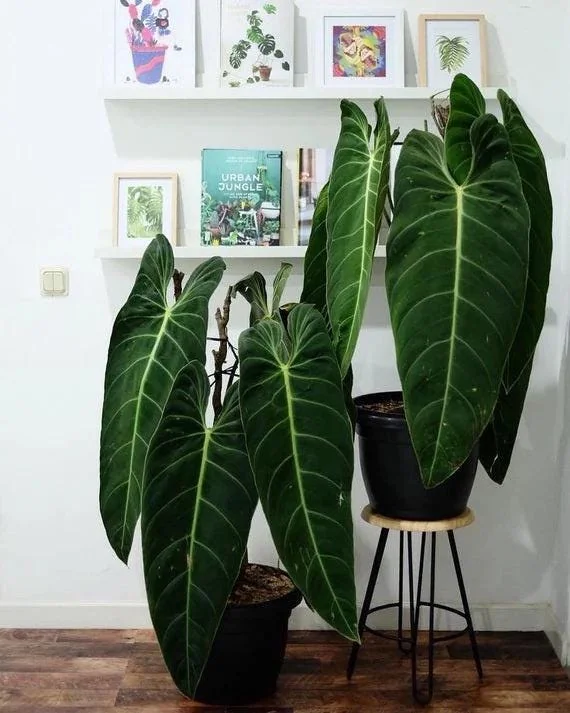
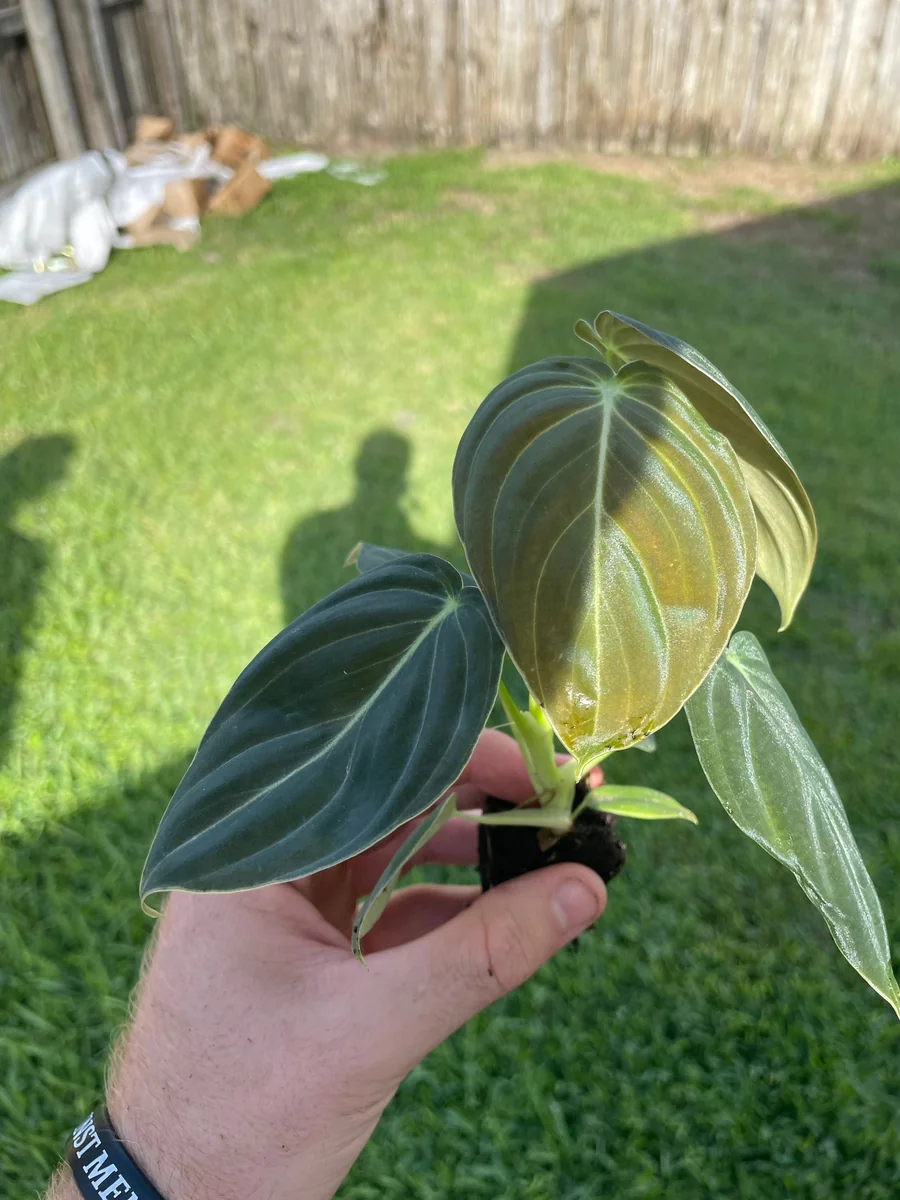
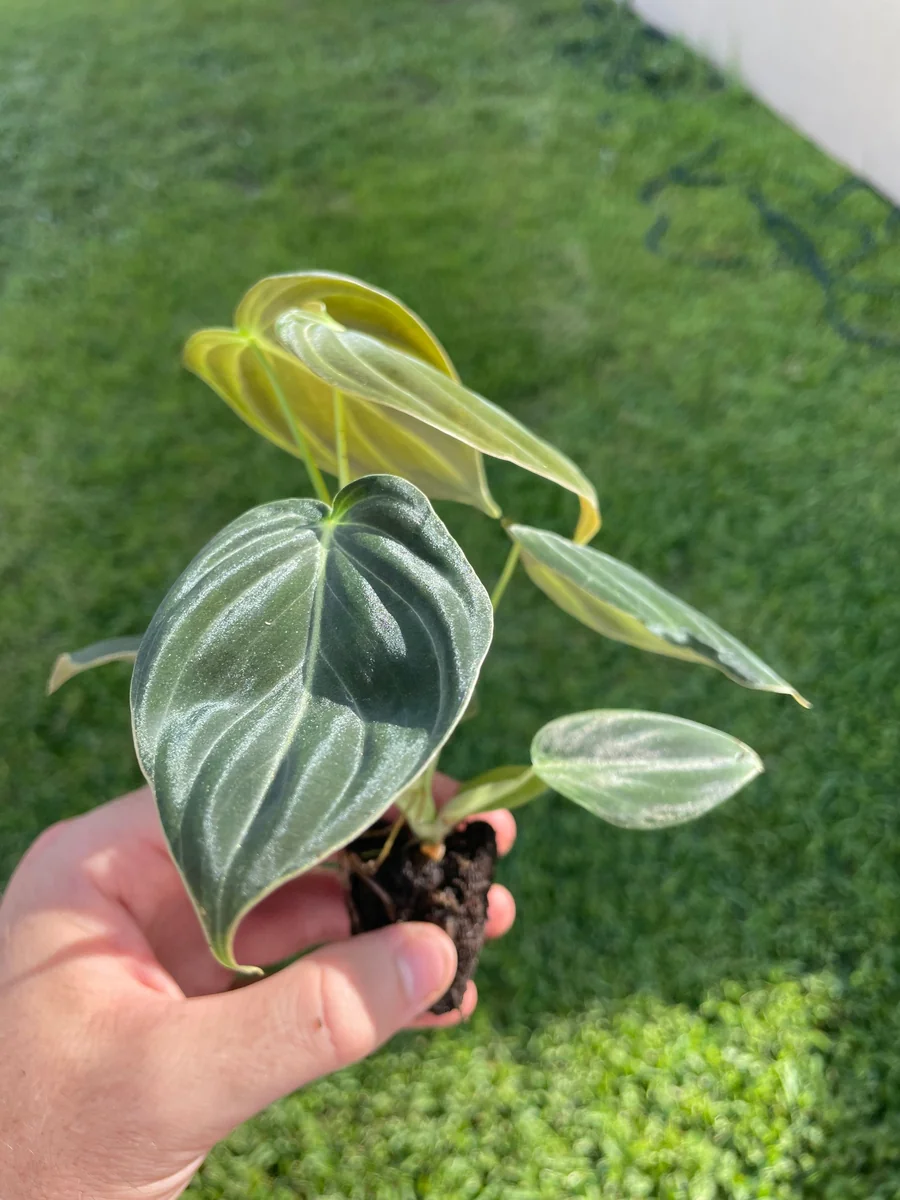
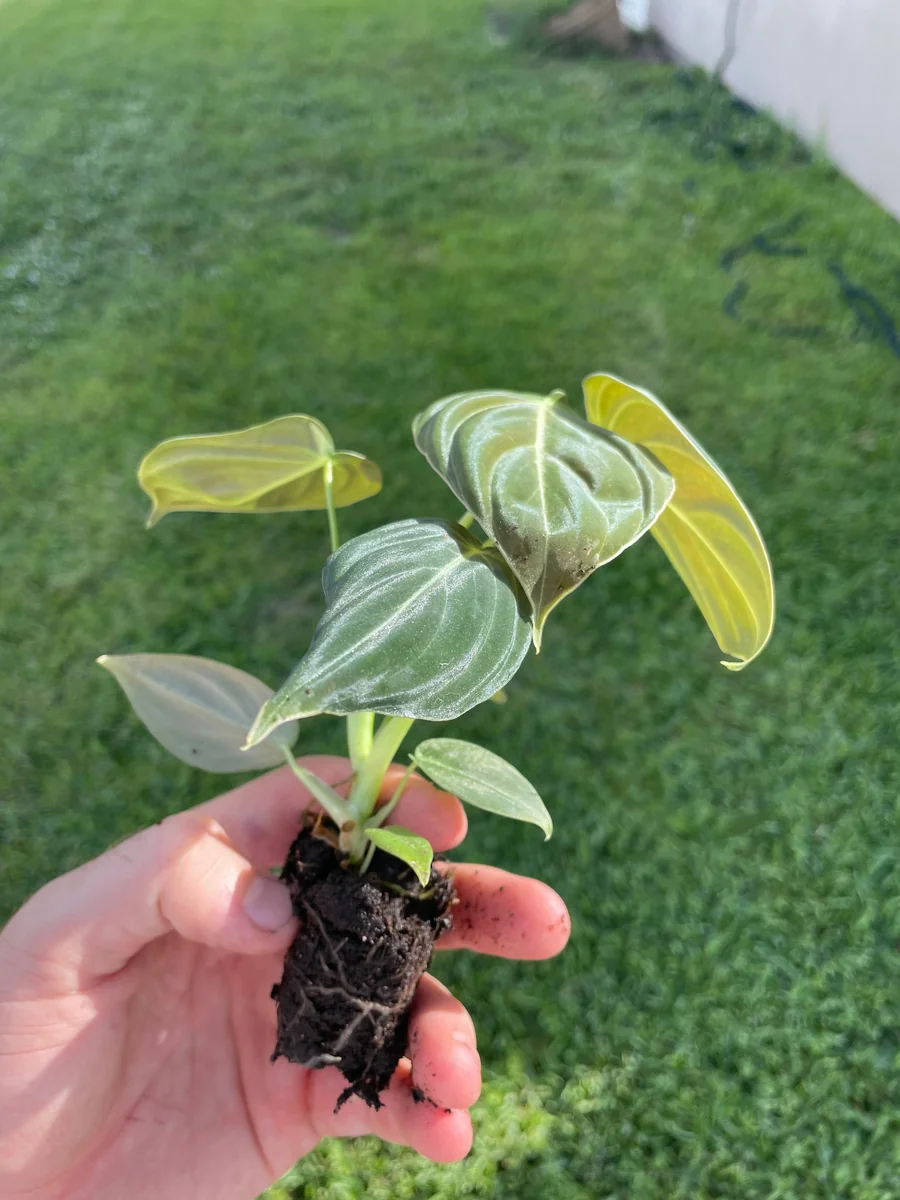
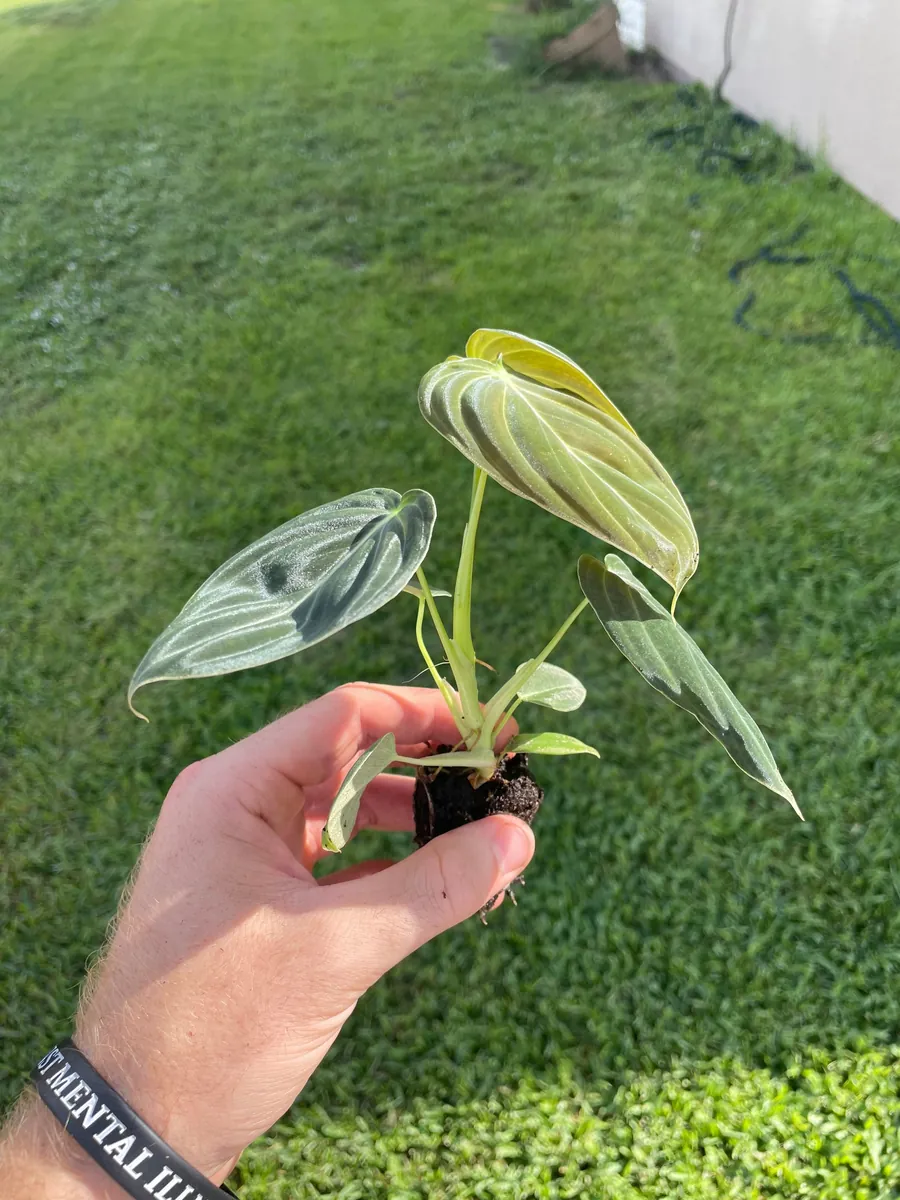
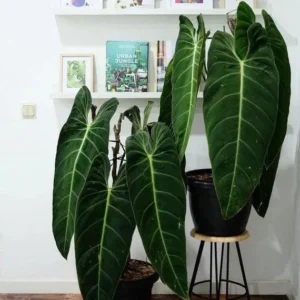
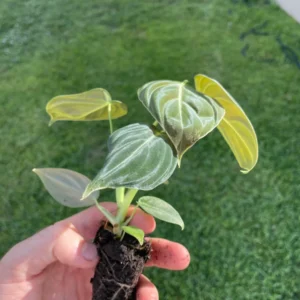
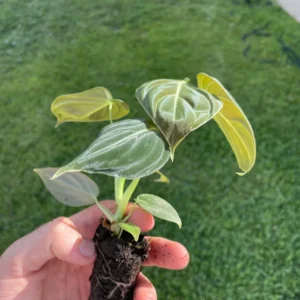
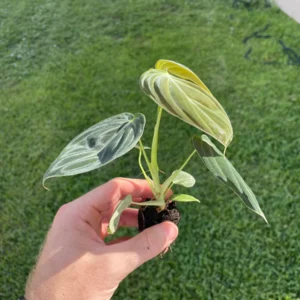
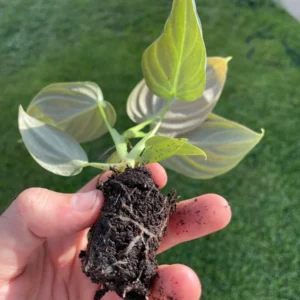
Introduce an extraordinary piece of nature into your home with the Philodendron Melanochrysum live plant. This highly sought-after aroid, often referred to as the ‘Black Gold Philodendron,’ is cherished for its breathtaking beauty and unique characteristics. Originating from the tropical rainforests of Colombia, the Philodendron Melanochrysum boasts elongated, heart-shaped leaves that emerge in hues of bronze and mature into a deep, velvety dark green, almost black, with striking contrasting venation. The soft, shimmering texture of its foliage makes it a true standout among houseplants, captivating anyone who beholds its grandeur. As a climbing Philodendron, it naturally seeks to grow upwards, developing larger and more impressive leaves when provided with adequate support like a moss pole. This particular Melanochrysum aroid is a fantastic choice for both seasoned plant collectors and enthusiastic beginners looking to expand their green sanctuary with something truly special.
The allure of the Philodendron Melanochrysum live plant extends beyond its visual appeal; it brings a piece of the exotic jungle right into your living space. Each leaf unfurls with a delicate beauty, evolving in color and size as it matures, showcasing the plant’s dynamic growth. Its distinctive velvety texture is a tactile delight, inviting interaction and admiration. This plant is not just a decorative item; it’s a living, breathing work of art that enhances the aesthetic and ambiance of any room. Understanding proper Philodendron Melanochrysum care is key to unlocking its full potential and enjoying its magnificent display for years to come.
Key Benefits
The Philodendron Melanochrysum live plant offers a multitude of benefits, making it an exceptional addition to any indoor plant collection. Its striking appearance and relatively straightforward care requirements contribute to its widespread appeal among plant enthusiasts.
- Stunning Aesthetic Appeal: The most prominent benefit is its incredible beauty. With its large, velvety, dark green leaves and contrasting veins, the Philodendron Melanochrysum adds a luxurious and exotic touch to any interior design, serving as a captivating focal point.
- Air Purification: Like many houseplants, this Philodendron contributes to better indoor air quality by filtering out common airborne toxins and releasing oxygen, promoting a healthier living environment.
- Collector’s Item: As a rare indoor plant, the Melanochrysum is highly prized by collectors. Owning one adds prestige and diversity to a unique plant collection, often becoming a conversation starter.
- Engaging Growth Habit: Being a vining plant, it offers an engaging growth experience. Providing a support structure allows its leaves to grow significantly larger, mimicking its natural climbing habitat and creating a dramatic display.
- Sense of Calm and Well-being: Caring for plants, especially such a beautiful specimen, can be a therapeutic activity, reducing stress and enhancing a sense of calm and connection to nature within the home.
- Relatively Low Maintenance: Despite its exotic appearance, with proper Philodendron Melanochrysum care, this plant is manageable for those with some plant experience, making it a rewarding choice for dedicated gardeners.
- Adaptability to Indoor Environments: It thrives in typical indoor conditions, making it well-suited for homes and offices where consistent temperatures and humidity can be maintained.
Plant Care & Growing Tips
To ensure your Philodendron Melanochrysum live plant thrives, understanding its specific care requirements is essential. This tropical beauty flourishes when its environmental needs are met, mimicking its natural rainforest habitat. Providing consistent care will result in vigorous growth and vibrant, velvety foliage that makes this Melanochrysum aroid truly shine.
Sunlight requirements: The Philodendron Melanochrysum prefers bright, indirect light. Direct sunlight can scorch its delicate leaves, leading to discoloration and damage. An east-facing window is often ideal, or a few feet back from a south or west-facing window. If natural light is insufficient, a grow light can provide the necessary intensity without the harshness of direct sun. Consistent light is crucial for maintaining the deep color and velvety texture of its leaves.
Watering schedule and soil moisture preferences: Water thoroughly when the top 1-2 inches of soil feel dry to the touch. Allow excess water to drain completely from the pot to prevent root rot. Philodendrons do not like to sit in soggy soil. Reduce watering during the cooler, darker months when the plant’s growth slows. High humidity is a must for this plant; consider using a humidifier, placing the pot on a pebble tray with water, or misting regularly. Proper Philodendron Melanochrysum care for watering prevents both overwatering and underwatering, which can stress the plant.
Soil type and drainage requirements: A well-draining, airy potting mix is vital for the Philodendron Melanochrysum live plant. A good mix typically includes components like orchid bark, perlite, and coco coir to ensure excellent aeration and drainage while retaining some moisture. Avoid heavy, dense soils that can become compacted and lead to root issues. Temperature range and USDA hardiness zone: This tropical plant thrives in warm temperatures, ideally between 65-80°F (18-27°C). It is not tolerant of cold and should be protected from temperatures below 55°F (13°C). As an indoor plant, it does not have a specific USDA hardiness zone but would be considered suitable for zones 10-11 if grown outdoors in a very protected, tropical environment. Fertilization schedule and type: During the growing season (spring and summer), feed your Philodendron every 2-4 weeks with a balanced liquid fertilizer diluted to half strength. Reduce or stop fertilization during fall and winter. Common problems and solutions: Yellowing leaves can indicate overwatering or nutrient deficiency. Brown, crispy edges often point to low humidity. Pests like spider mites or mealybugs can be treated with insecticidal soap. Providing consistent Philodendron Melanochrysum care helps prevent most issues.
Size & Details
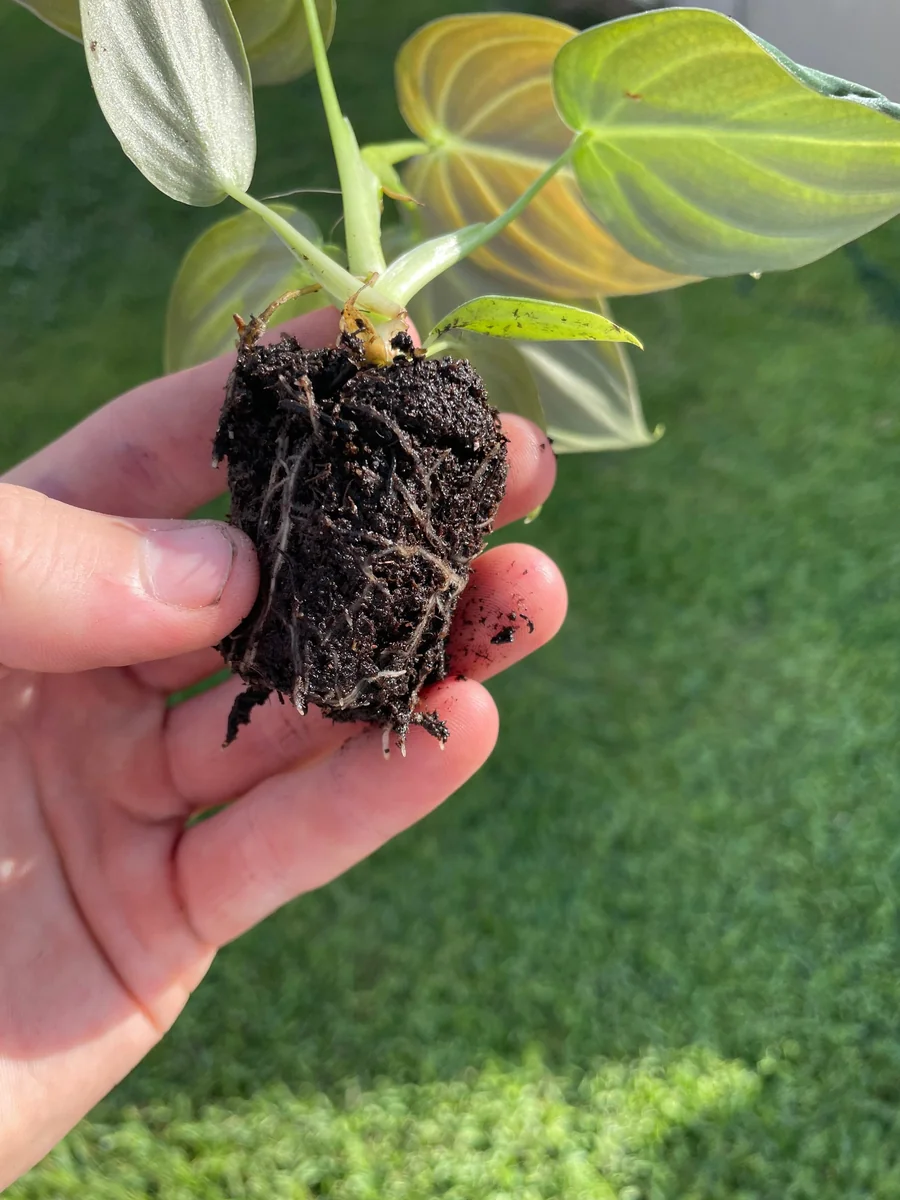
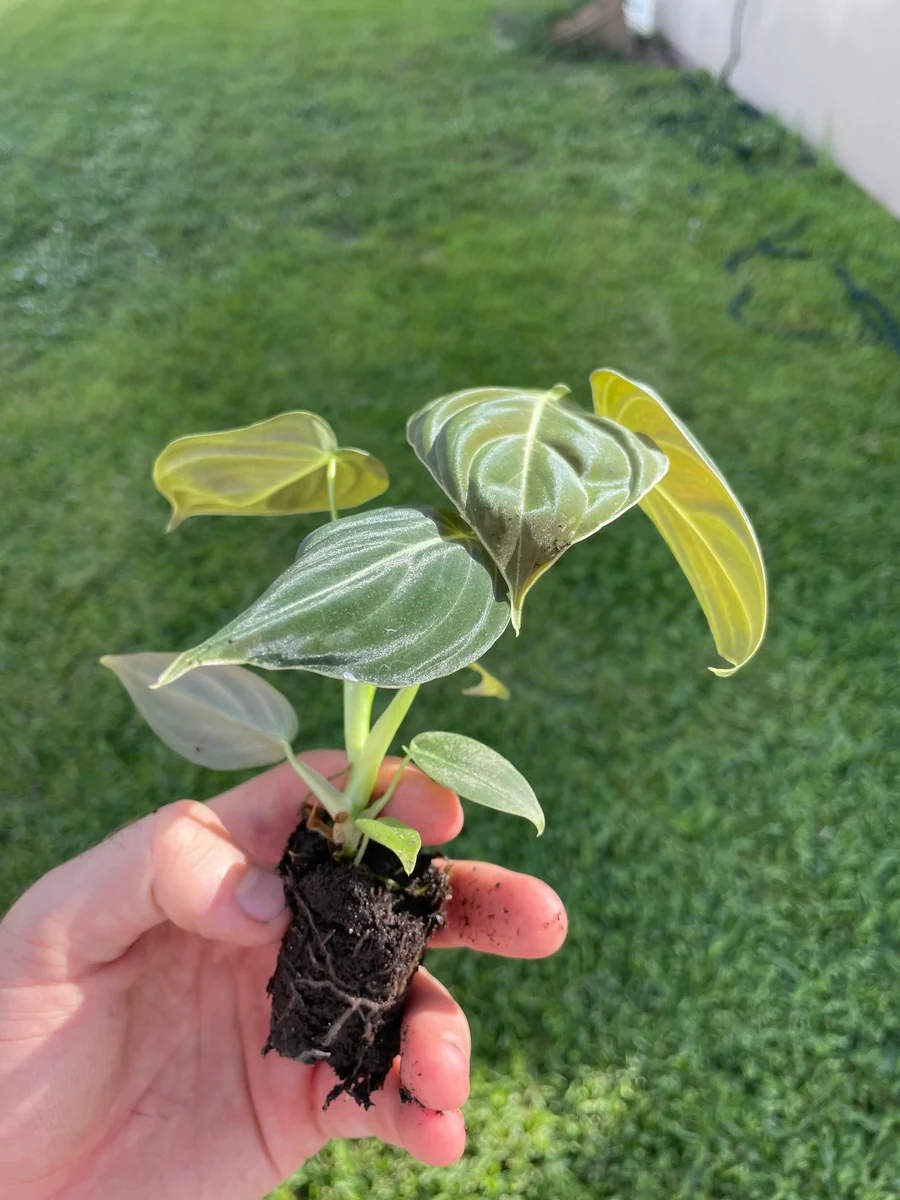
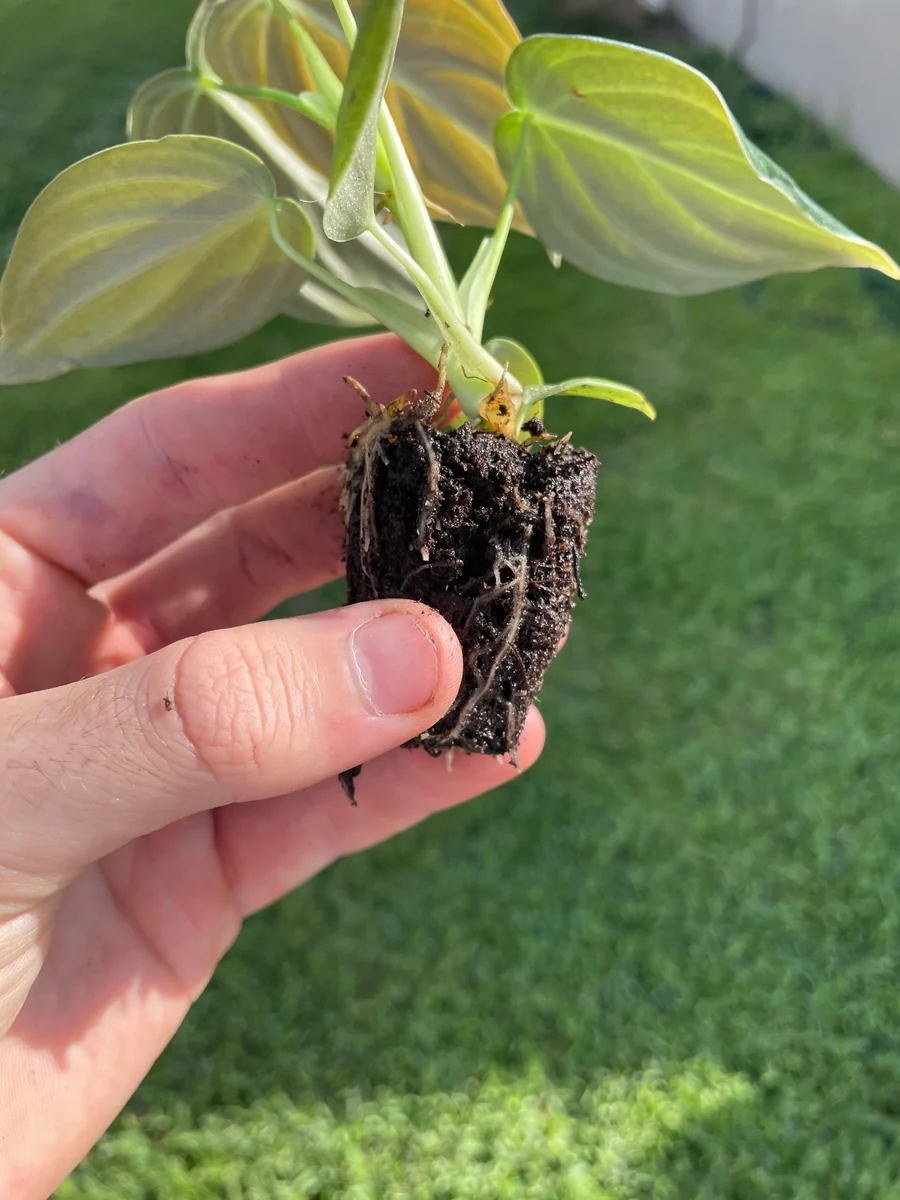
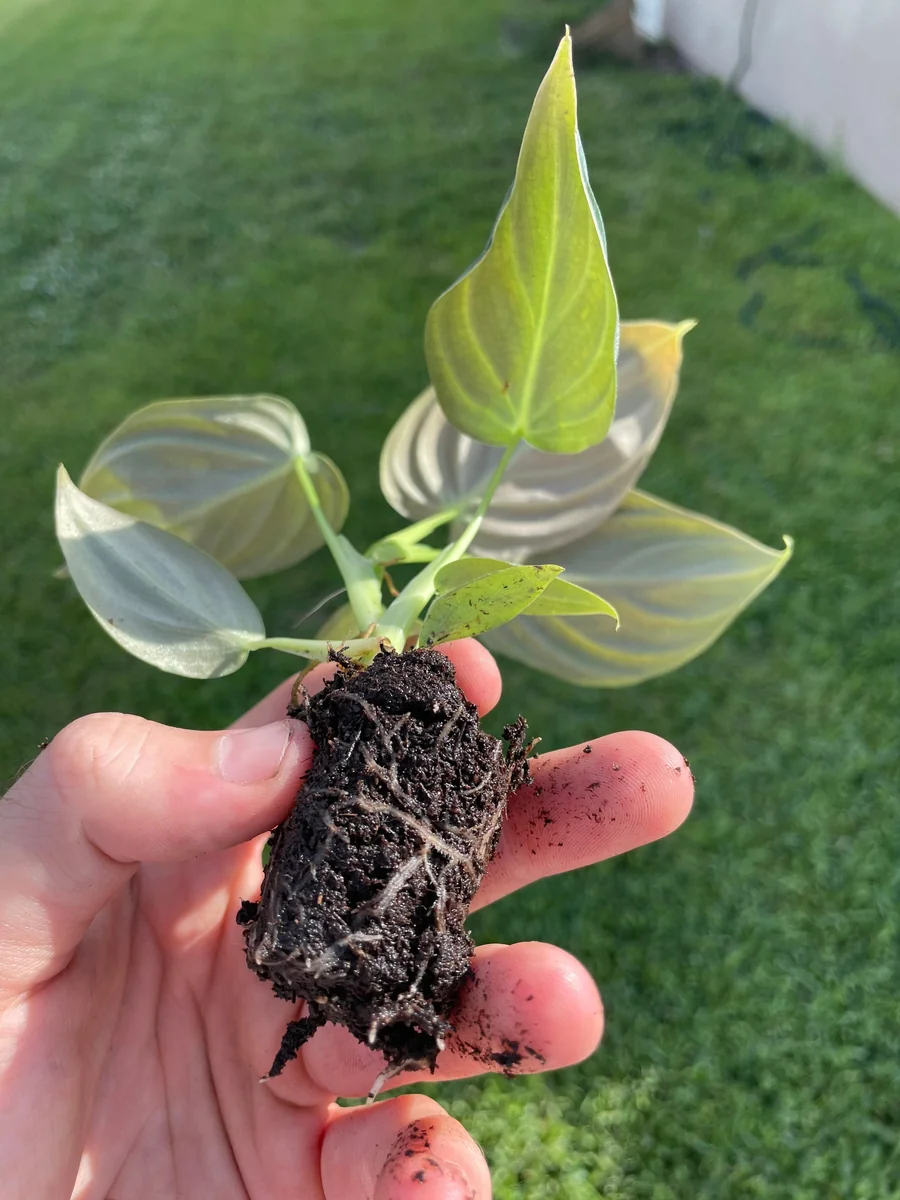
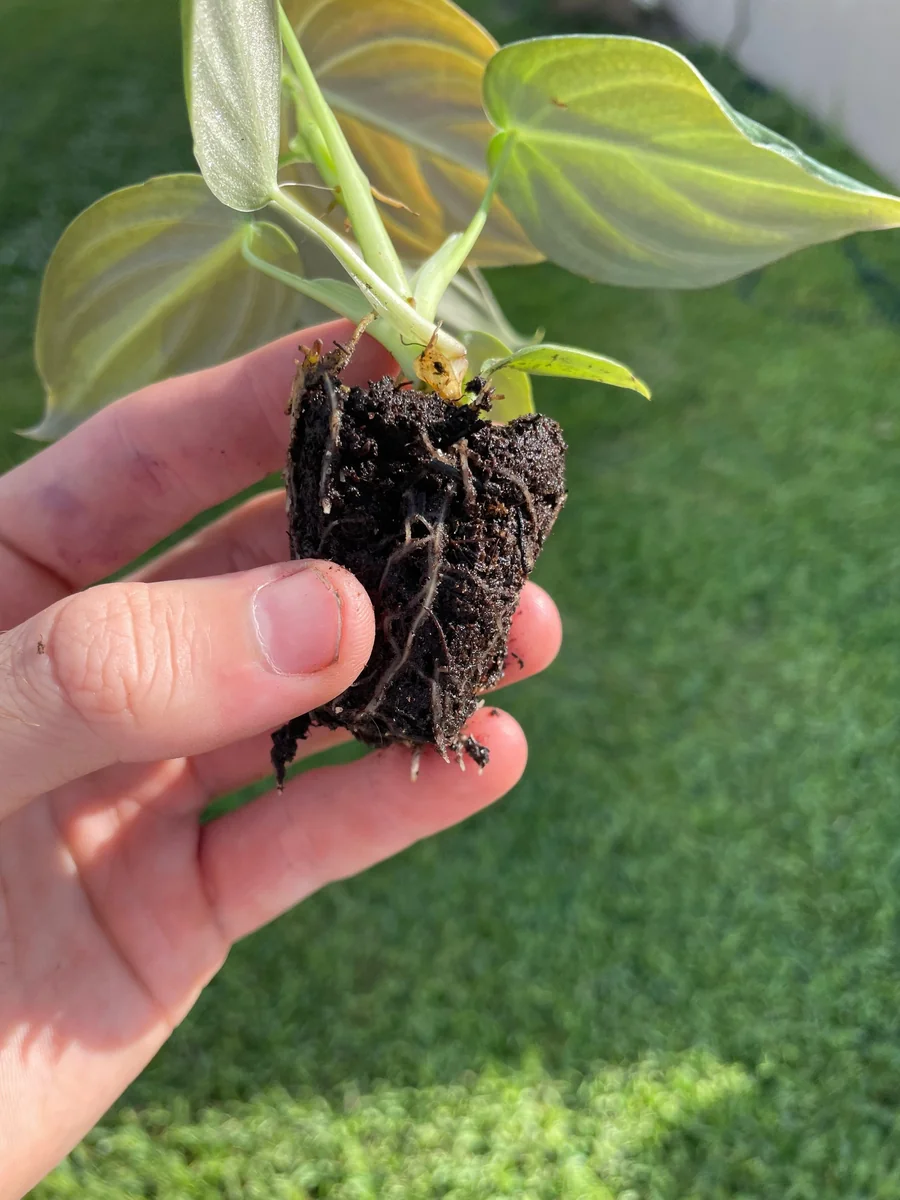
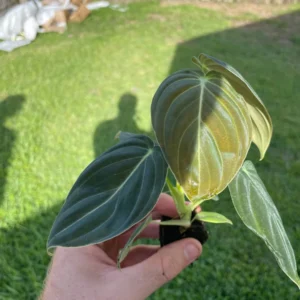
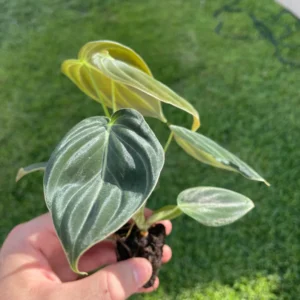
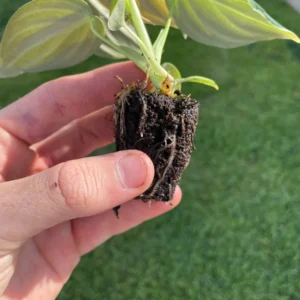
The Philodendron Melanochrysum live plant you receive will be a healthy young specimen, typically a starter plant ready to establish itself in your home. While exact dimensions can vary, these plants usually arrive with a few established leaves, standing approximately 4-8 inches tall from the soil line. As a vining aroid, its growth rate is moderate to fast under optimal conditions, with mature plants capable of producing leaves that can reach impressive sizes, often exceeding 12-18 inches in length when given a moss pole or trellis to climb. Providing support is crucial for the plant to develop its full potential and showcase its magnificent mature foliage. It is shipped as a potted plant, carefully prepared to minimize stress during transit, ensuring your new rare indoor plant arrives ready to thrive.
Expect your Philodendron Melanochrysum to continue growing and developing its iconic velvety leaves, which deepen in color and texture as they mature. The plant will benefit from repotting into a slightly larger pot (e.g., 4-6 inch nursery pot) once its roots begin to fill its current container. With consistent Melanochrysum aroid care, you can look forward to a stunning tropical display that will enhance your living space for many years.
Frequently Asked Questions
- Q: How big does this plant get? A: A young Philodendron Melanochrysum live plant typically arrives around 4-8 inches tall. With proper support and care, mature leaves can grow over a foot long, and the vine can reach several feet in length, making it a truly impressive specimen.
- Q: What size pot does it come in? A: The Philodendron Melanochrysum live plant is typically shipped in a small nursery pot, often 2-4 inches in diameter, suitable for a starter plant. You may want to repot it into a slightly larger pot once it has acclimated to its new environment.
- Q: Is this an indoor or outdoor plant? A: The Philodendron Melanochrysum is primarily an indoor houseplant in most climates. It thrives in warm, humid indoor environments and is not frost-tolerant. It can be grown outdoors only in very tropical, frost-free regions (USDA zones 10-11).
- Q: How much sunlight does it need? A: This plant requires bright, indirect light. Avoid direct sunlight, which can burn its delicate velvety leaves. An east-facing window or a spot a few feet away from a south or west-facing window is usually ideal for optimal Philodendron Melanochrysum care.
- Q: Is this plant easy to care for? A: While not extremely difficult, the Philodendron Melanochrysum requires consistent attention to humidity and light. It’s best suited for intermediate plant enthusiasts rather than absolute beginners, but its care is very rewarding.
- Q: What condition will it arrive in? A: Your Philodendron Melanochrysum live plant will be carefully packaged to ensure it arrives in the best possible condition. It is normal for plants to experience some minor stress during shipping, but it should recover quickly with proper acclimation.
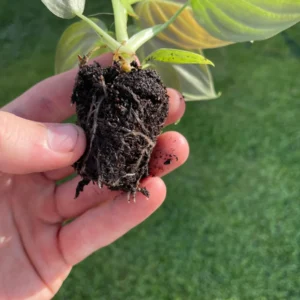
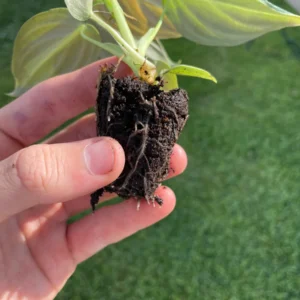
- Q: Is it shipped in soil? A: Yes, the Philodendron Melanochrysum live plant is shipped rooted in its nursery pot with soil, ensuring it stays hydrated and stable during transit. This allows for a smoother transition to its new home.
- Q: Is the velvet leaf Philodendron pet-safe? A: No, like many Philodendrons, the velvet leaf Philodendron (Philodendron Melanochrysum) is toxic if ingested by pets or humans due to calcium oxalate crystals. Keep it out of reach of children and pets.
- Q: What’s the best way to increase humidity for this plant? A: To provide the high humidity a Melanochrysum aroid craves, use a humidifier nearby, place the pot on a pebble tray filled with water, or group it with other plants to create a microclimate. Regular misting can offer temporary relief but isn’t a long-term solution.
- Q: When is the best time to repot this rare indoor plant? A: The best time to repot your rare indoor plant is during the spring or early summer when it is actively growing. Repot only when it becomes root-bound, moving to a pot that is only one size larger to avoid overwatering issues.


Reviews
There are no reviews yet.