Overview
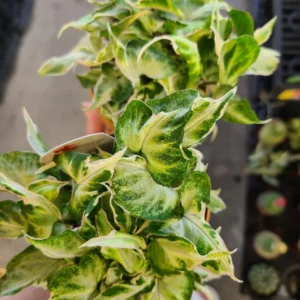
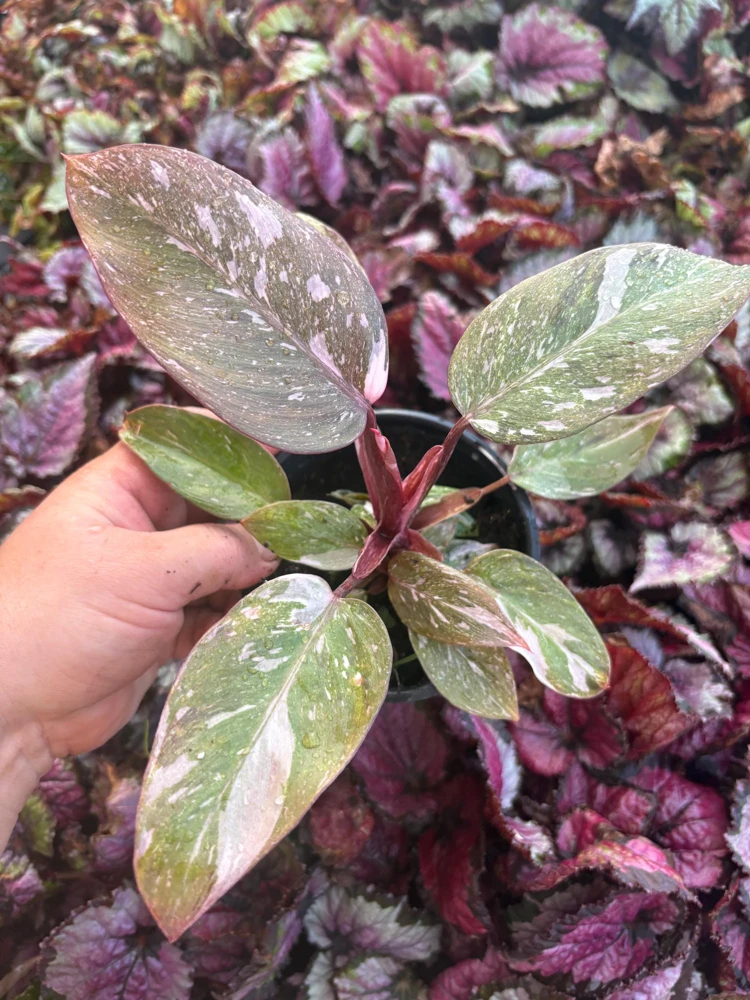
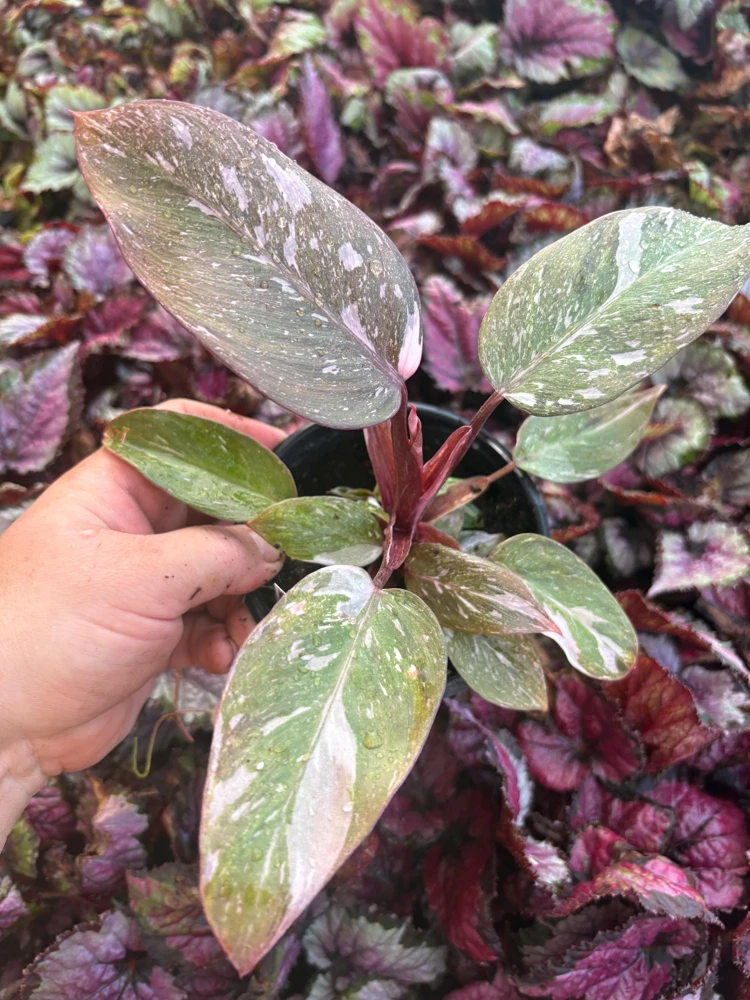
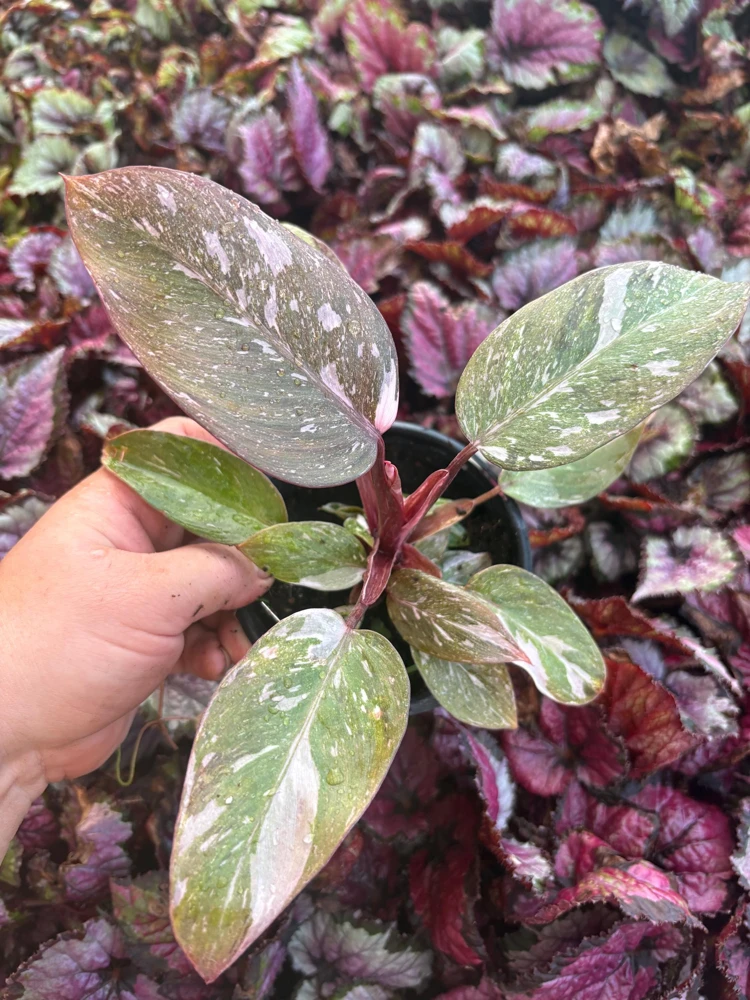
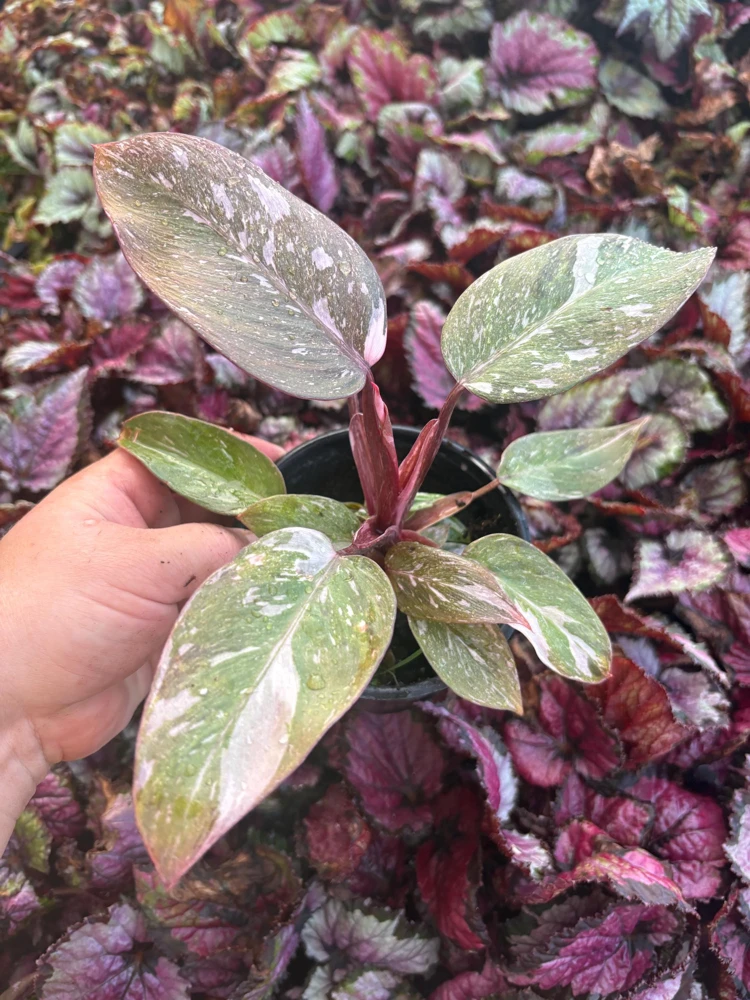
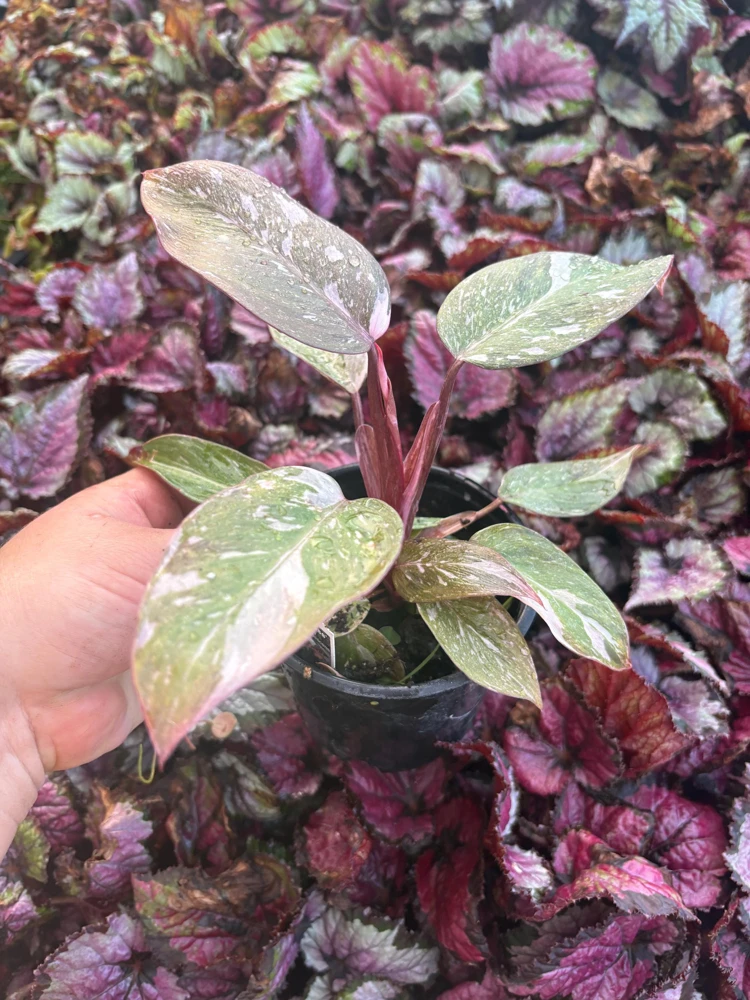
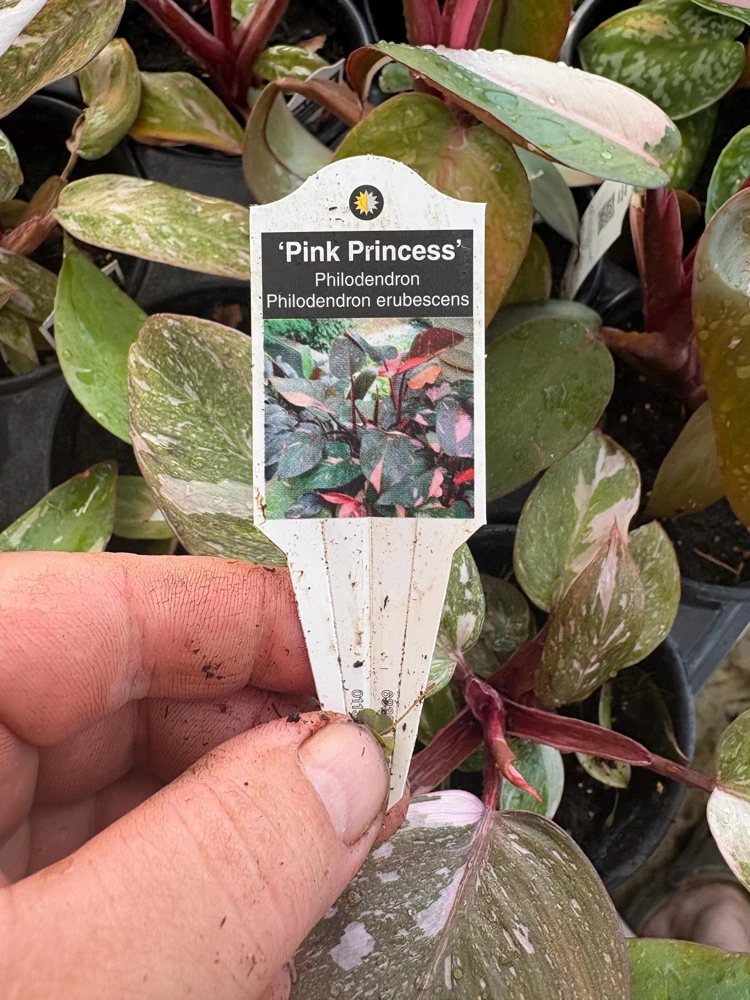
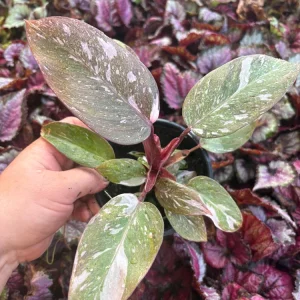
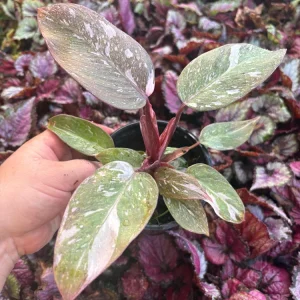
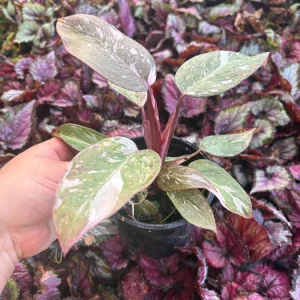
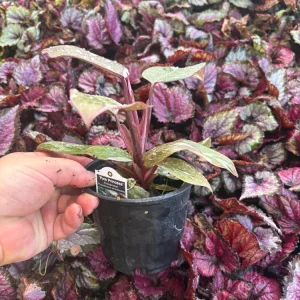
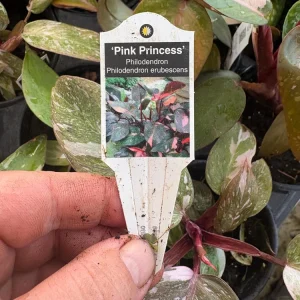
Introduce a touch of exotic elegance to your home with the magnificent philodendron pink princess live plant. This highly sought-after aroid is celebrated for its striking foliage, characterized by deep green, heart-shaped leaves beautifully contrasted with splashes of vibrant, bubblegum pink variegation. Each leaf is a unique work of art, making this plant a true showstopper in any indoor setting. Originating from the tropical rainforests, the Philodendron erubescens ‘Pink Princess’ is a climbing plant that adds a dramatic flair whether it’s allowed to trail or provided with a moss pole for support. This particular offering provides a well-established specimen, ready to thrive and bring joy to its new home. Its popularity stems not only from its stunning appearance but also its relatively manageable care requirements, making it a rewarding choice for both seasoned collectors and budding plant enthusiasts looking for a rare philodendron plant.
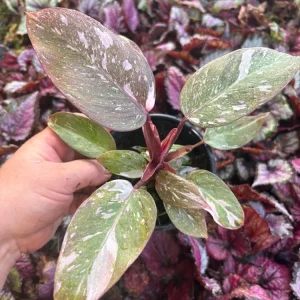
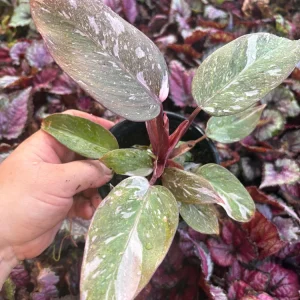
The allure of the ‘Pink Princess’ lies in its unpredictable and captivating variegation. No two leaves are exactly alike, with some displaying bold blocks of pink, while others exhibit delicate speckles or streaks. This natural artistry ensures that your philodendron pink princess live plant will be a constantly evolving display of beauty. It’s an excellent choice for adding a pop of color and a touch of the tropics to your interior decor, enhancing any room with its lush, vibrant presence. As an indoor philodendron, it adapts well to typical home environments, provided its basic needs for light and humidity are met. Embrace the opportunity to own this iconic and visually spectacular houseplant.
Key Benefits
The philodendron pink princess live plant offers numerous advantages that make it a cherished addition to any indoor garden. Its unique aesthetic and relatively straightforward care contribute to its widespread appeal. Beyond its beauty, this plant also contributes positively to your home environment:
- Stunning Variegation: The primary benefit is its breathtaking pink and dark green foliage. Each leaf is a natural masterpiece, offering a dynamic and ever-changing display of color that instantly elevates any space. This unique characteristic makes it a highly desirable variegated houseplant.
- Air Purification: Like many philodendrons, the ‘Pink Princess’ helps to purify indoor air by absorbing common household toxins, contributing to a healthier and fresher living environment.
- Moderate Maintenance: Despite its exotic appearance, caring for a philodendron pink princess live plant is surprisingly manageable, making it suitable for those with some plant experience or eager beginners.
- Versatile Decor: Its climbing habit allows for versatile display options. It can be grown in a hanging basket to trail gracefully or given a moss pole to climb, adding vertical interest to your plant collection.
- Collector’s Item: Due to its unique and vibrant coloring, the ‘Pink Princess’ is often considered a collector’s plant, bringing a sense of pride and accomplishment to its owner.
- Stress Reduction: The presence of living plants, especially beautiful ones like this indoor philodendron, has been shown to reduce stress and improve overall well-being.
- Conversation Starter: Its unusual and striking appearance is sure to catch the eye of visitors, making it a fantastic conversation piece in your home.
Plant Care & Growing Tips
Proper care is essential to ensure your philodendron pink princess live plant thrives and maintains its vibrant variegation. This tropical beauty enjoys conditions that mimic its native habitat. For optimal growth and color, focus on providing adequate light, consistent moisture, and appropriate humidity levels. The key to successful pink princess philodendron care lies in understanding its specific environmental preferences, which are generally easy to provide in a home setting.
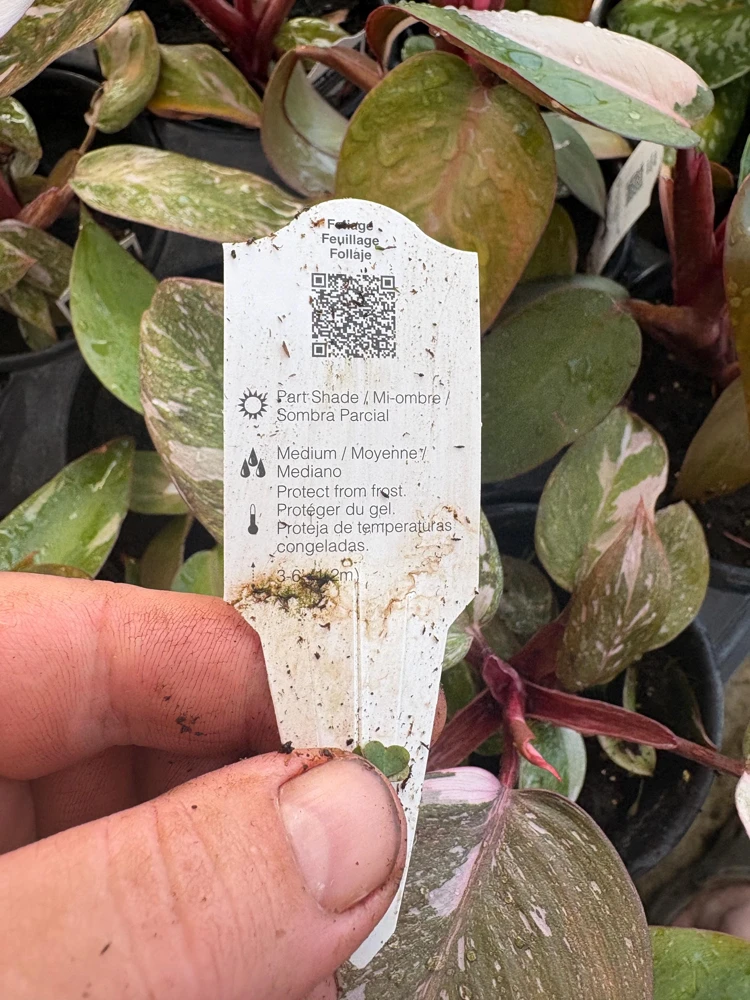
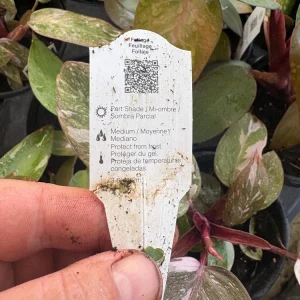
Light: This plant prefers bright, indirect light. Too much direct sun can scorch its leaves and fade the pink variegation, while too little light can lead to a lack of pink and leggy growth. An east-facing window or a few feet back from a south or west-facing window is ideal. Artificial grow lights can also be beneficial, especially during darker winter months, to ensure the plant receives enough energy to produce its stunning colors. Rotate your plant periodically to encourage even growth and variegation.
Watering: Water thoroughly when the top 1-2 inches of soil feel dry to the touch. Allow excess water to drain completely from the bottom of the pot. Avoid letting the plant sit in standing water, as this can lead to root rot. Conversely, don’t let the soil dry out completely for extended periods, as this can stress the plant. Adjust your watering frequency based on the season, light levels, and humidity in your home. During winter, reduce watering as the plant’s growth slows.
Soil & Potting: A well-draining, chunky potting mix is crucial for a philodendron pink princess live plant. A mix containing perlite, orchid bark, and peat moss or coco coir provides excellent drainage and aeration, preventing waterlogging while retaining enough moisture. Ensure the pot has drainage holes. Repotting is generally needed every 1-2 years, or when the plant becomes root-bound, moving up to a pot that is only 1-2 inches larger in diameter. When repotting, use fresh potting mix to replenish nutrients.
Temperature & Humidity: Maintain indoor temperatures between 65-80°F (18-27°C). Avoid sudden temperature drops or cold drafts. High humidity is beneficial for this tropical plant, ideally above 60%. You can increase humidity by using a pebble tray, a room humidifier, or grouping it with other plants. Occasional misting can offer temporary relief but is not a substitute for consistent humidity. Providing a humid environment will help prevent brown leaf tips and promote lush growth for your indoor philodendron.
Fertilization: Feed your ‘Pink Princess’ every 2-4 weeks during the growing season (spring and summer) with a balanced liquid fertilizer diluted to half strength. Reduce or stop fertilization during the fall and winter months when the plant’s growth naturally slows down. Over-fertilization can lead to nutrient burn, so always err on the side of caution.
Pests & Problems: Keep an eye out for common houseplant pests such as spider mites, mealybugs, and thrips. Inspect your plant regularly, especially the undersides of leaves. If pests are found, treat promptly with insecticidal soap or neem oil. Yellowing leaves can indicate overwatering or nutrient deficiency, while browning tips often suggest low humidity or inconsistent watering. Providing consistent and appropriate pink princess philodendron care will help prevent most issues.
Size & Details
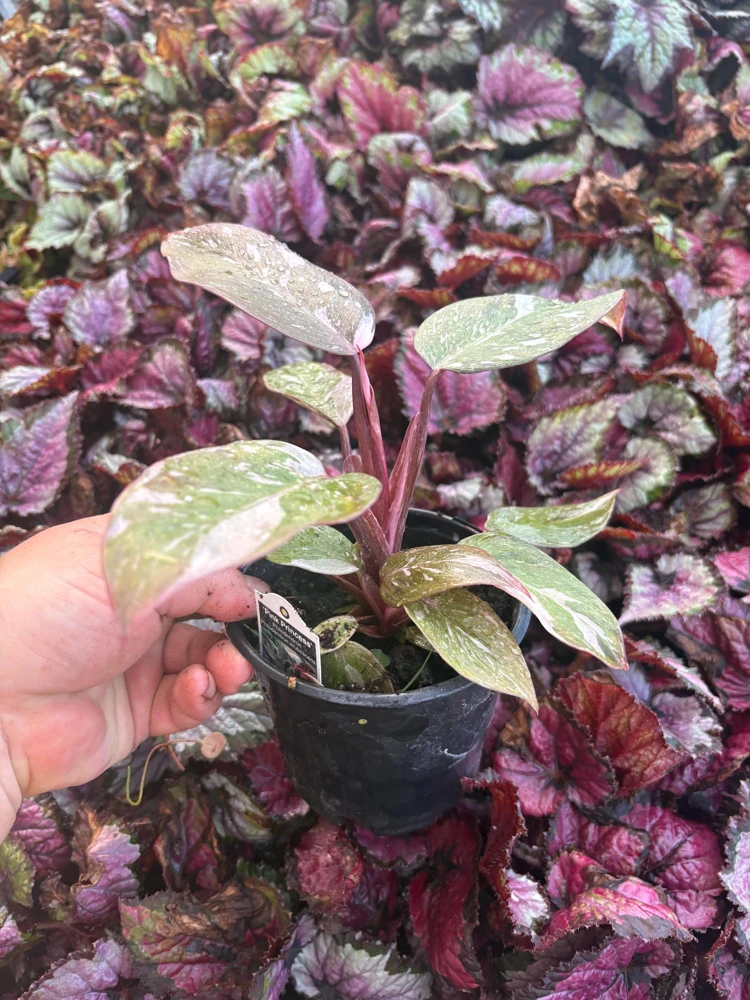
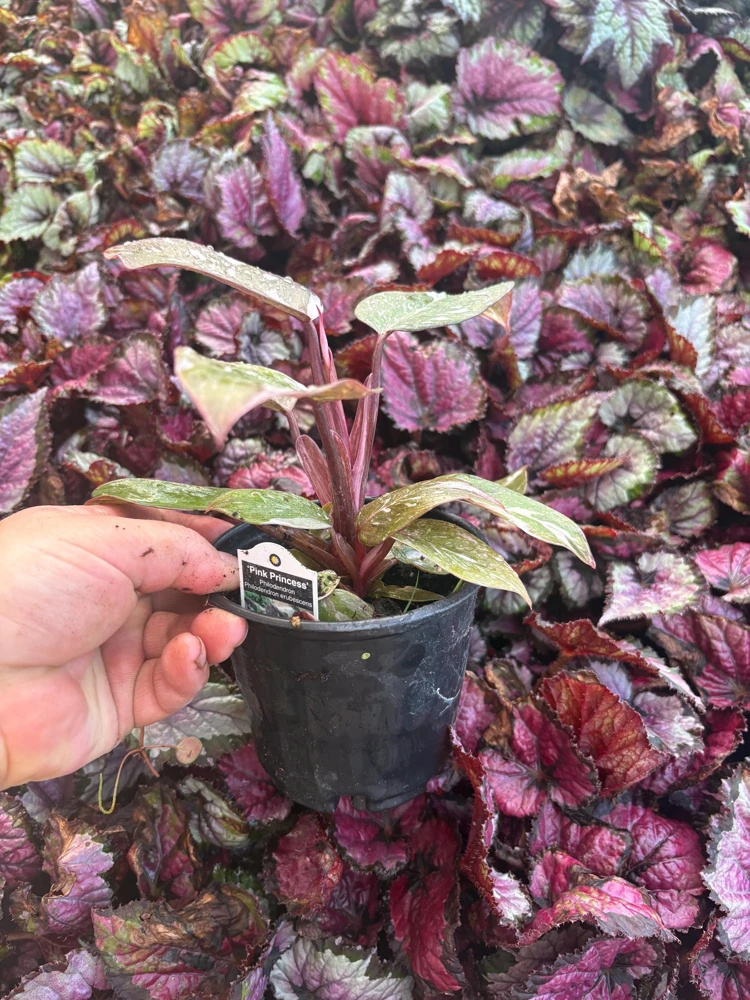
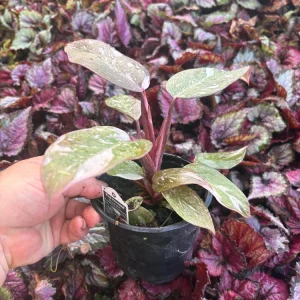
Each philodendron pink princess live plant you receive is a healthy, actively growing specimen, well-established in a 4.5-inch plastic nursery pot. The plant’s overall height will vary but typically ranges from 6 to 10 inches from the base of the pot to the top of the foliage, depending on its stage of growth and individual characteristics. These plants are grown to be robust and ready for continued development in your home. The ‘Pink Princess’ is a moderately fast grower under ideal conditions, and with proper pink princess philodendron care, it can eventually reach heights of several feet, especially if provided with a support structure like a moss pole. Its mature leaves can grow to be 6-9 inches long, showcasing its full variegated splendor. Expect your plant to arrive with multiple established leaves, each displaying unique patterns of pink and green, ensuring you receive a truly beautiful variegated houseplant. This plant is shipped fresh and carefully packaged to ensure it arrives in excellent condition, ready to be admired.
Frequently Asked Questions
- Q: How big will my philodendron pink princess live plant get? A: With proper care, your plant can grow quite large, potentially several feet tall if given a moss pole to climb. In a pot, it can be maintained at a more compact size through pruning.
- Q: What size pot does it come in? A: Your philodendron pink princess live plant will arrive well-established in a 4.5-inch plastic nursery pot, ready for you to enjoy.
- Q: Is this an indoor or outdoor plant? A: The ‘Pink Princess’ is primarily an indoor philodendron in most climates. It thrives in warm, humid indoor environments and is not frost-tolerant. It can be moved outdoors in shaded areas during warm summer months in suitable USDA zones.
- Q: How much sunlight does it need? A: This plant requires bright, indirect light. Avoid direct sun, which can burn the leaves, and low light, which can reduce the vibrant pink variegation.
- Q: Is this plant easy to care for? A: While it’s not the absolute easiest houseplant, with consistent attention to its light, watering, and humidity needs, pink princess philodendron care is manageable for most plant enthusiasts. It’s a rewarding plant to grow.
- Q: What condition will it arrive in? A: Your plant will be carefully packaged and shipped fresh from our greenhouse. It will arrive as a healthy, well-established live plant, ready for its new home.
- Q: Is the philodendron pink princess pet-safe? A: No, like many philodendrons, the ‘Pink Princess’ is toxic if ingested by pets or humans due to calcium oxalate crystals. Keep it out of reach of children and pets.
- Q: How do I encourage more pink variegation on my plant? A: Providing ample bright, indirect light is the most crucial factor for encouraging vibrant pink variegation. Consistent humidity and proper fertilization also play a role in the plant’s overall health and color.
- Q: What kind of soil is best for this rare philodendron plant? A: A well-draining, airy potting mix is ideal. Look for mixes that contain ingredients like perlite, orchid bark, and coco coir to ensure good aeration and prevent waterlogging.
- Q: How often should I fertilize my indoor philodendron? A: During the growing season (spring and summer), fertilize every 2-4 weeks with a diluted liquid houseplant fertilizer. Reduce or stop fertilizing in fall and winter.


Reviews
There are no reviews yet.