Overview
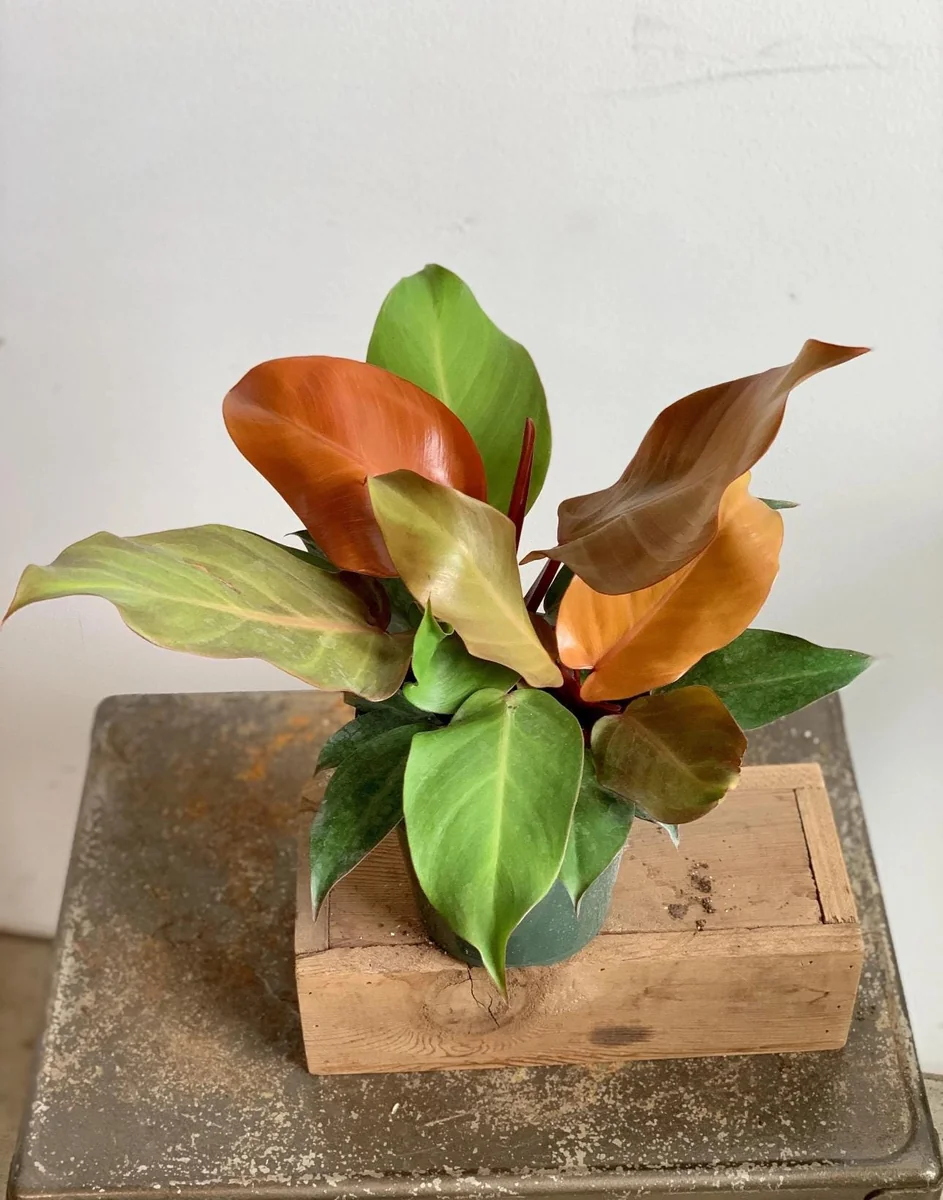
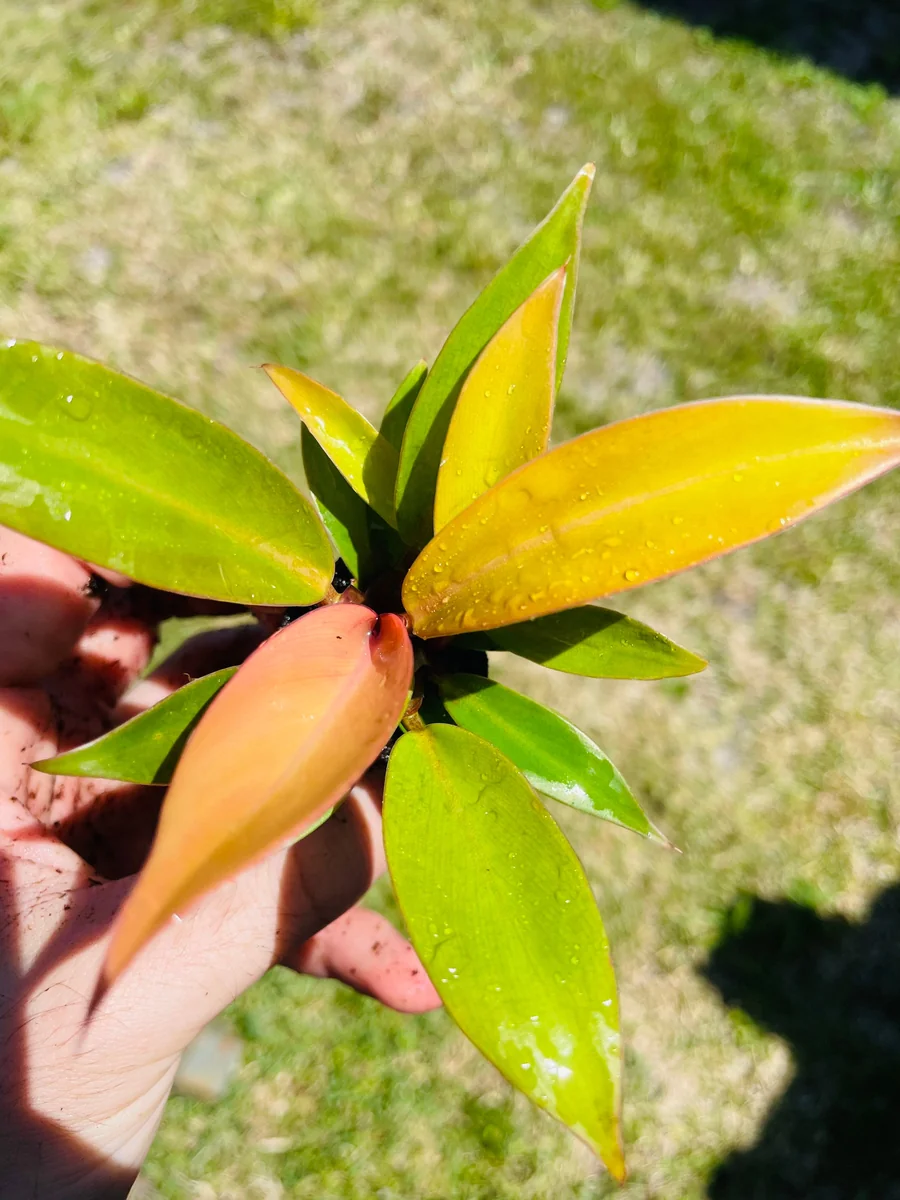
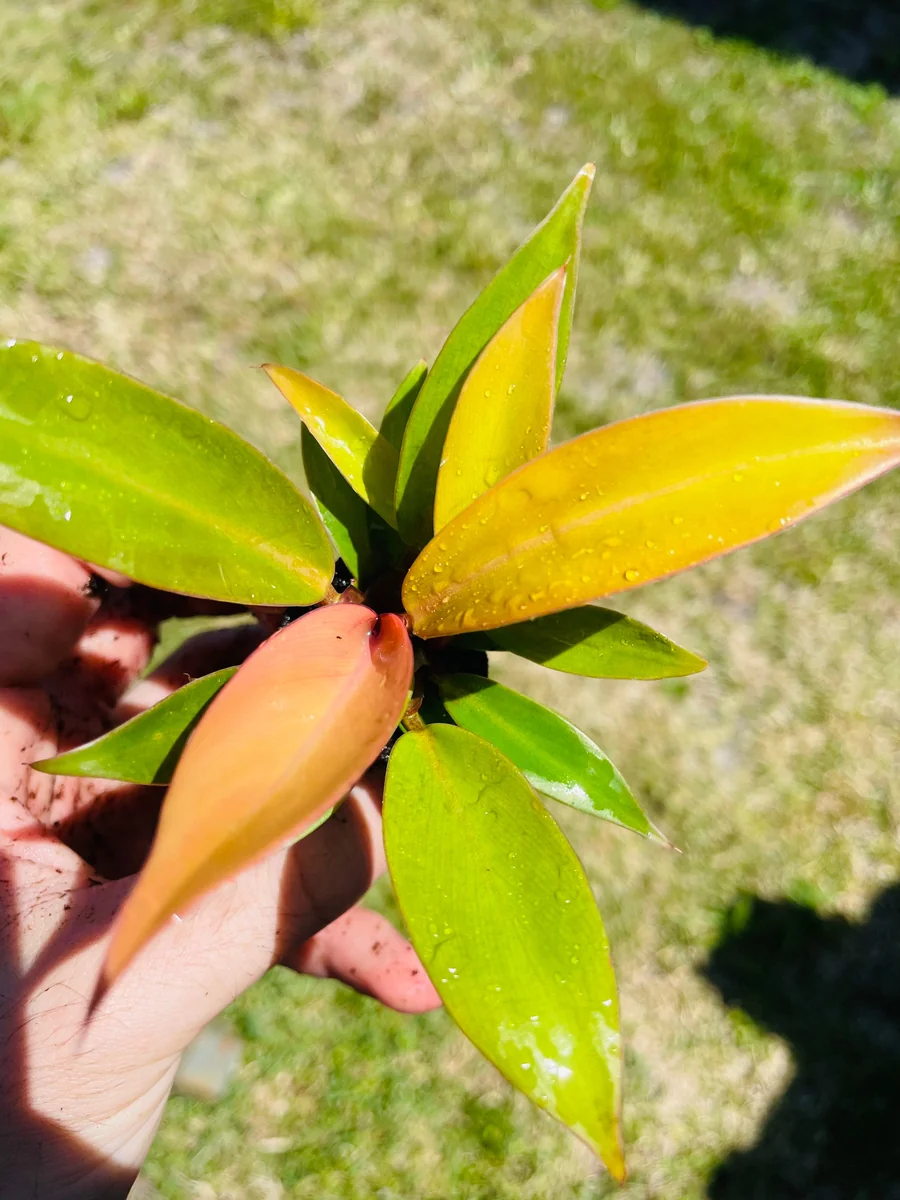
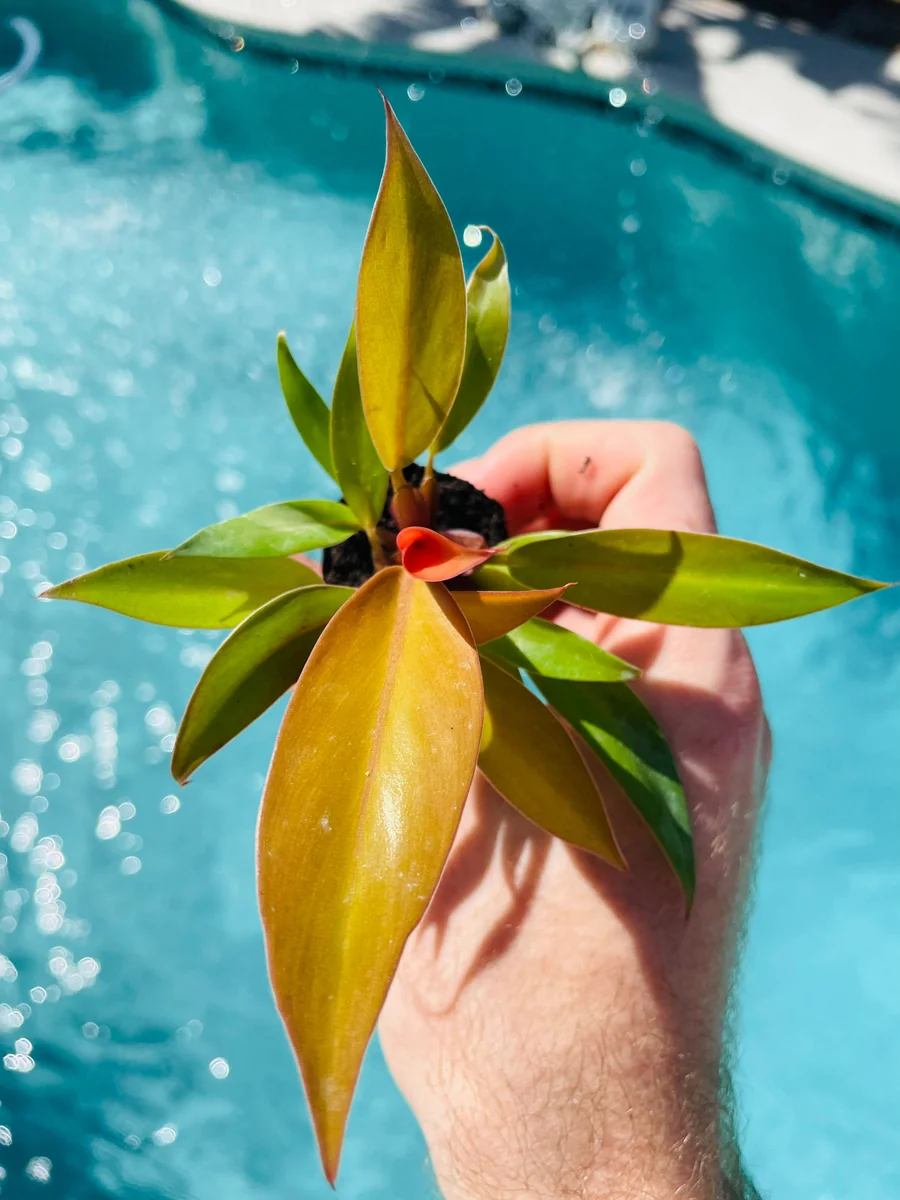
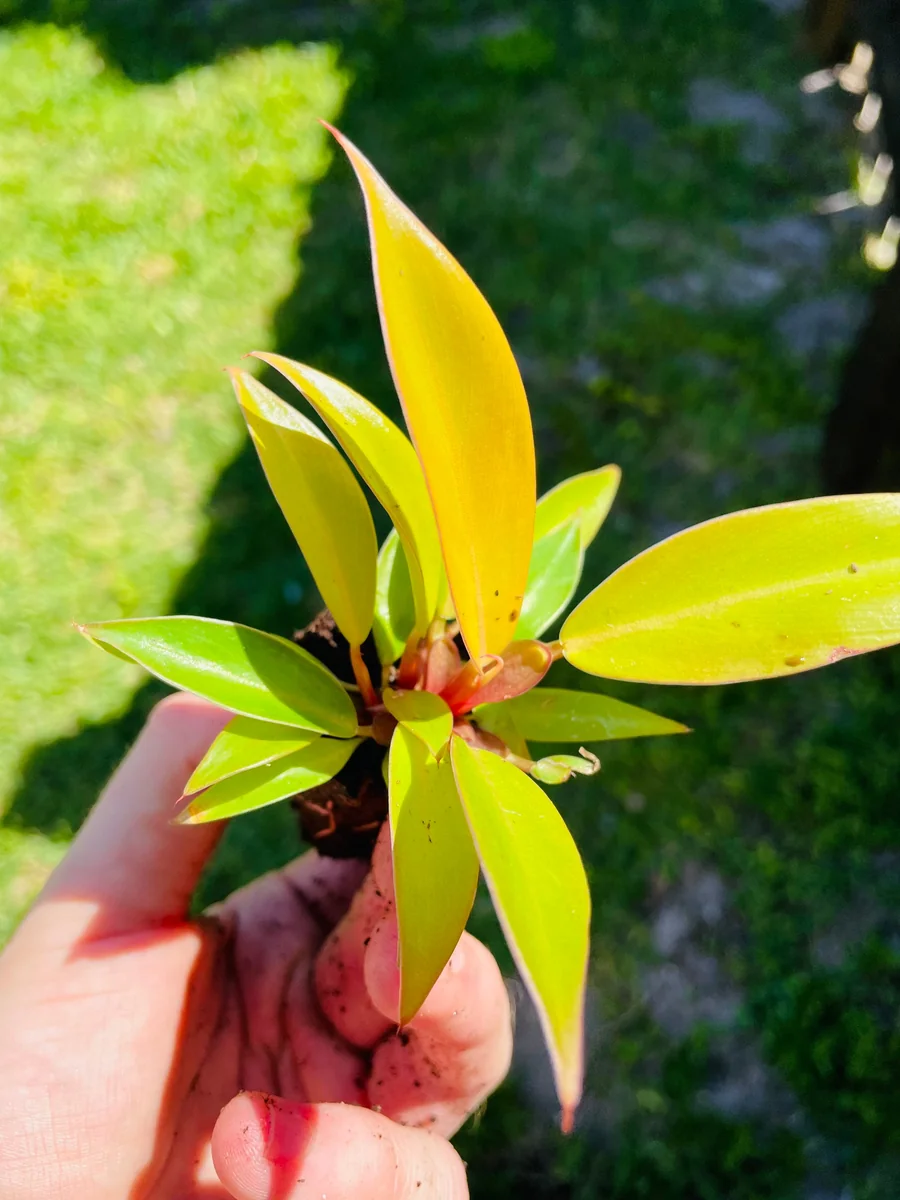
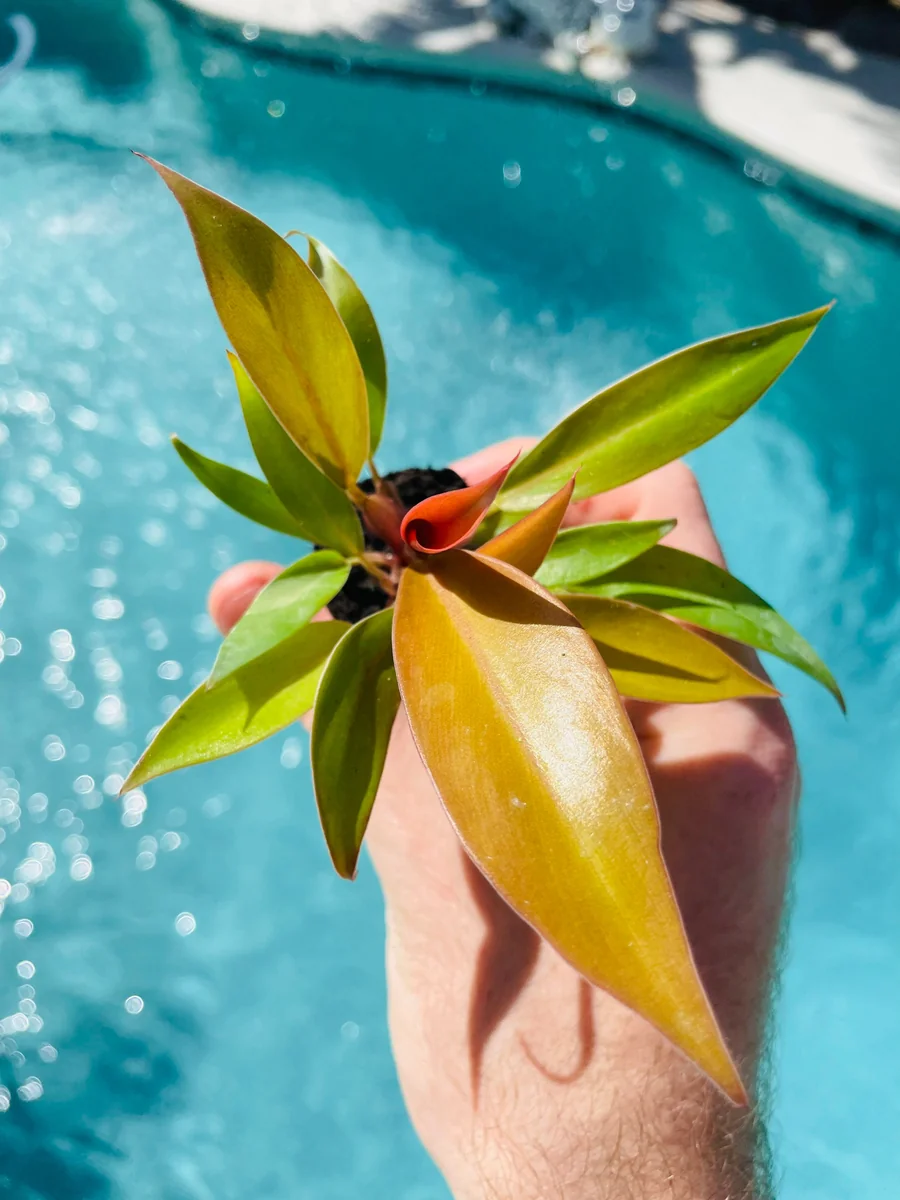
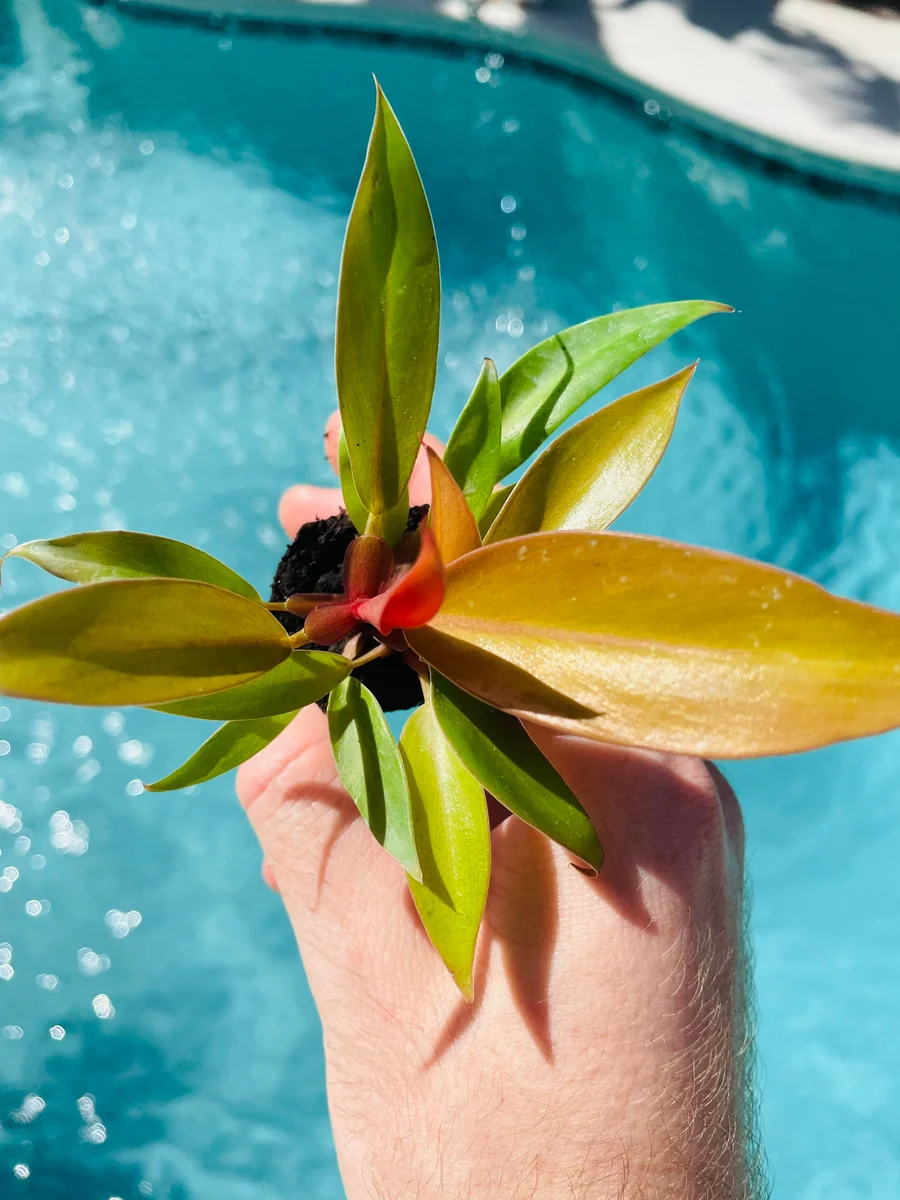
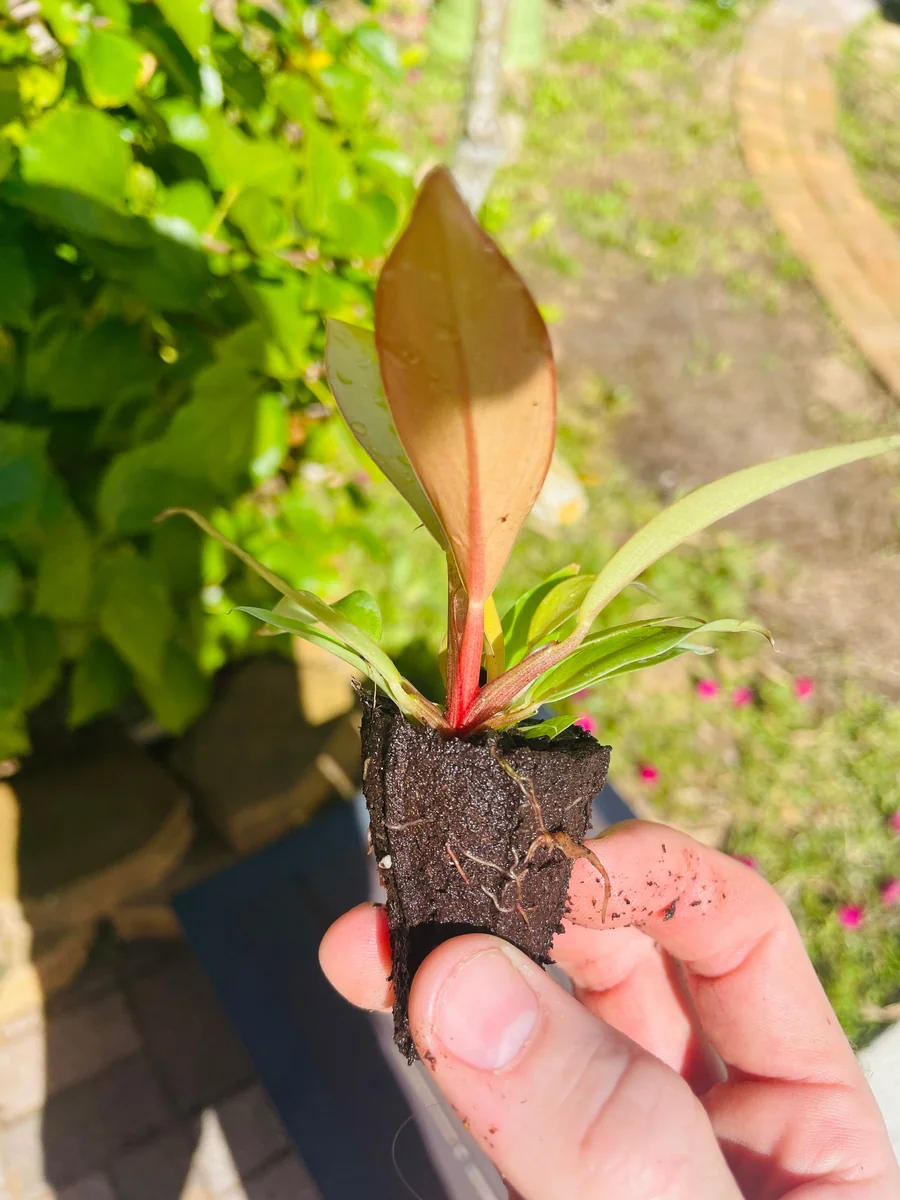
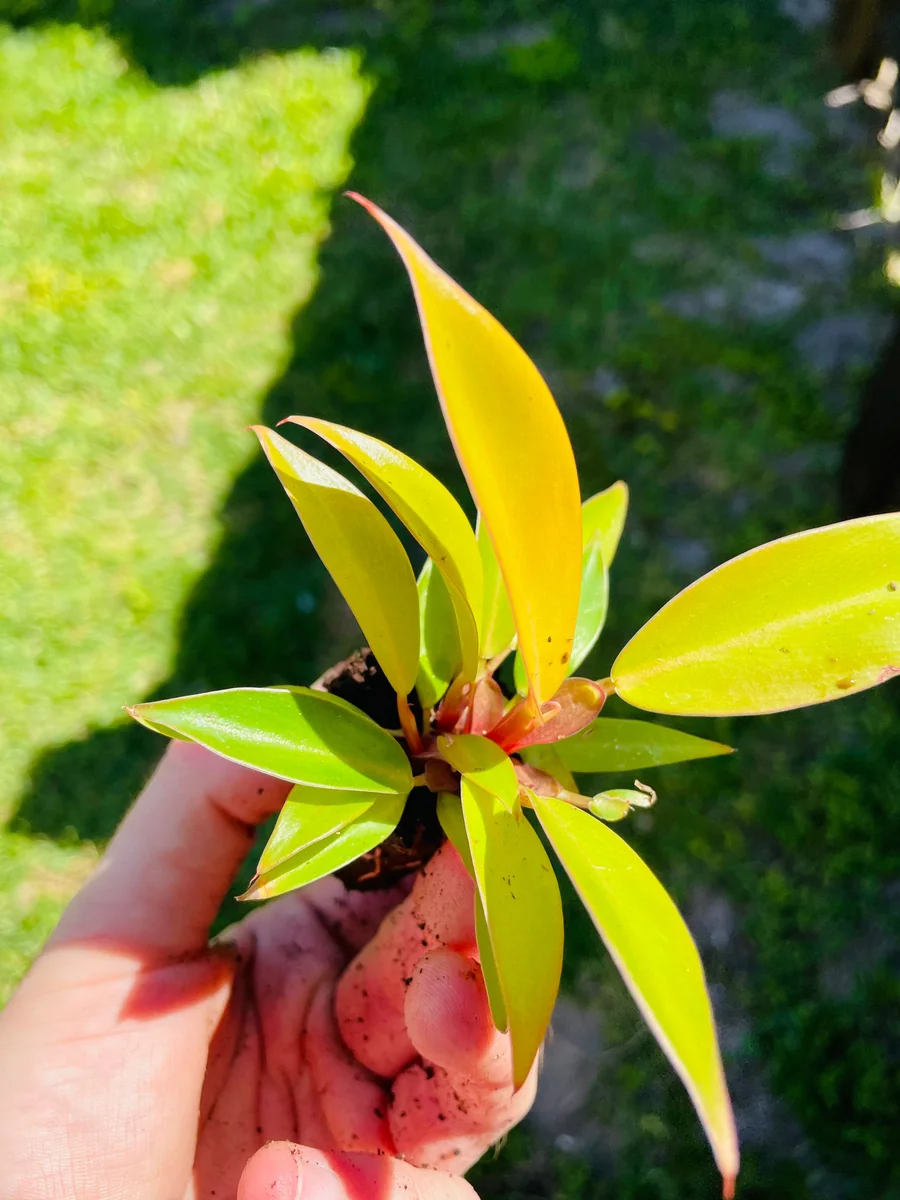
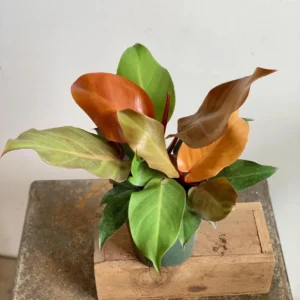
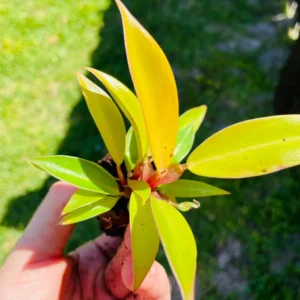
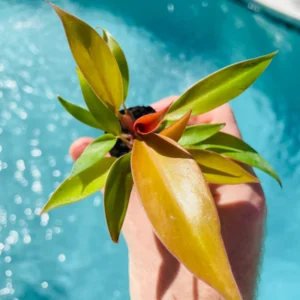
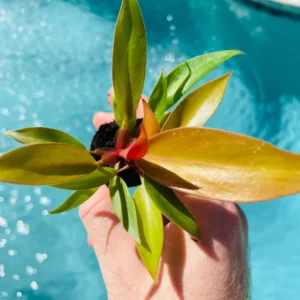
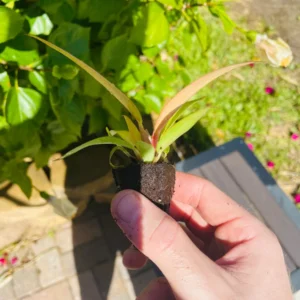
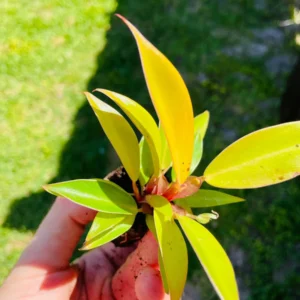
Introduce a burst of vibrant color to your indoor plant collection with the magnificent Prince of Orange Philodendron starter plant. This captivating live plant is celebrated for its unique foliage, which undergoes a stunning transformation from brilliant coppery-orange as new leaves emerge, gradually maturing into a rich, dark green. A hybrid variety of philodendron, the ‘Prince of Orange’ is a non-vining, self-heading type, meaning it grows upright without needing support, forming a beautiful, compact rosette of leaves. Its dramatic coloration makes it a focal point in any room, providing a continuous display of evolving beauty. Perfect for both novice and experienced plant parents, this Prince of Orange Philodendron starter plant offers a tropical aesthetic with relatively straightforward care, promising to brighten your home or office with its dynamic presence. Each starter plant is carefully cultivated to ensure a healthy beginning for your botanical journey.
The Prince of Orange Philodendron starter plant is a fantastic choice for anyone looking to add a touch of exotic elegance to their indoor garden. Its distinctive color palette and lush, glossy leaves create a visual spectacle that stands out from typical green houseplants. As a young plant, it provides the exciting opportunity to watch its unique growth habit and color development unfold in your own home. This philodendron variety is not only visually appealing but also contributes to a more serene and natural indoor environment.
Key Benefits
The Prince of Orange Philodendron starter plant offers several advantages, making it a highly desirable addition to any plant enthusiast’s collection. Its striking appearance and manageable care requirements contribute to a rewarding ownership experience. Owning an orange philodendron indoor plant can significantly enhance your living space.
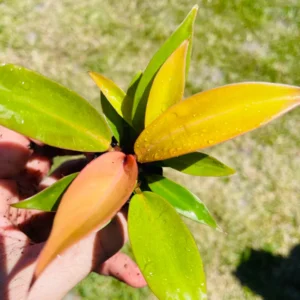
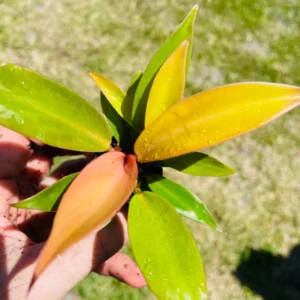
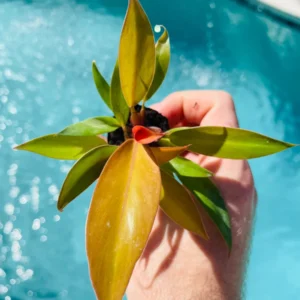
- Vibrant, Evolving Foliage: The most striking feature is its dynamic leaf coloration. New leaves emerge in a brilliant coppery-orange, gradually transitioning to a deep green as they mature, providing a continuous display of color changes throughout the plant’s life. This makes the Prince of Orange Philodendron starter plant a constantly interesting specimen.
- Air Purification: Like many philodendrons, the ‘Prince of Orange’ contributes to healthier indoor air by filtering out common toxins, improving the overall quality of your home environment.
- Compact Growth Habit: As a self-heading philodendron, it grows upright and bushy, maintaining a compact form that is perfect for tabletops, shelves, or desks without requiring extensive space or support.
- Moderate Maintenance: This philodendron is relatively easy to care for, making it suitable for both beginners and experienced plant owners. It tolerates a range of indoor conditions, thriving with consistent, yet not overly demanding, attention. Understanding Philodendron Prince of Orange care is simple.
- Enhances Indoor Aesthetics: Its bold colors and tropical appeal instantly elevate the decor of any room, adding a touch of exotic beauty and a natural element to your home or office.
- Unique Specimen: The distinct color of the ‘Prince of Orange’ makes it a standout plant, offering something different from the more common green houseplants. Its vibrant philodendron foliage adds a unique touch.
- Stress Reduction: Studies show that having houseplants can reduce stress and improve mood, and caring for a beautiful plant like this can be a calming and enriching activity.
Plant Care & Growing Tips
Proper Philodendron Prince of Orange care ensures a healthy and thriving plant that continues to display its beautiful, vibrant foliage. This philodendron thrives in conditions that mimic its native tropical habitat, but with a few adjustments for indoor living. Providing the right environment will allow your Prince of Orange Philodendron starter plant to grow vigorously and maintain its stunning colors.
Sunlight Requirements: The Prince of Orange Philodendron starter plant prefers bright, indirect light. Direct sunlight, especially harsh afternoon sun, can scorch its delicate leaves, causing them to yellow or brown. An east-facing window is often ideal, providing gentle morning light, or a few feet away from a south or west-facing window. Insufficient light can lead to leggy growth and less vibrant leaf coloration. Aim for several hours of consistent, bright ambient light each day.
Watering Schedule and Soil Moisture: Water your orange philodendron indoor plant when the top 1-2 inches of soil feel dry to the touch. It’s crucial to avoid overwatering, as this can lead to root rot, a common issue for philodendrons. Ensure the pot has drainage holes to prevent water from sitting at the bottom. During colder months or periods of lower light, reduce watering frequency. Conversely, in warmer, brighter conditions, it may require more frequent watering. Always check the soil moisture before watering.
Soil Type and Drainage Requirements: A well-draining, aerated potting mix is essential for the health of your philodendron plant care. A mix designed for aroids or a blend of standard potting soil with perlite, orchid bark, or coco coir will provide the necessary drainage and aeration. This allows roots to breathe and prevents them from becoming waterlogged. Good drainage is key to preventing fungal issues and root rot.
Temperature Range and USDA Hardiness Zone: This tropical plant thrives in warm temperatures, ideally between 65-80°F (18-27°C). Avoid exposing it to temperatures below 55°F (13°C), as cold drafts can damage the leaves and stress the plant. As an indoor plant, USDA hardiness zones are less relevant, but if kept outdoors in warm climates, it would typically align with zones 10-11, where temperatures rarely drop below freezing. Maintain consistent indoor temperatures, away from sudden fluctuations from open windows or heating/cooling vents.
Fertilization Schedule and Type: Feed your Prince of Orange Philodendron starter plant with a balanced liquid fertilizer diluted to half strength every 2-4 weeks during its active growing season (spring and summer). Reduce or cease fertilization during the fall and winter when the plant’s growth naturally slows down. Over-fertilization can lead to nutrient burn, so always follow the product instructions carefully. A balanced houseplant fertilizer with micronutrients is generally suitable for vibrant philodendron foliage.
Common Problems and Solutions: Yellowing leaves can indicate overwatering or nutrient deficiency. Brown, crispy leaf edges often point to low humidity or underwatering. Pests like spider mites, mealybugs, or scale can sometimes appear. Inspect your plant regularly and treat any infestations promptly with insecticidal soap or neem oil. Ensuring proper humidity (around 50-70%) can help prevent dry leaf tips and keep your plant happy.
Size & Details
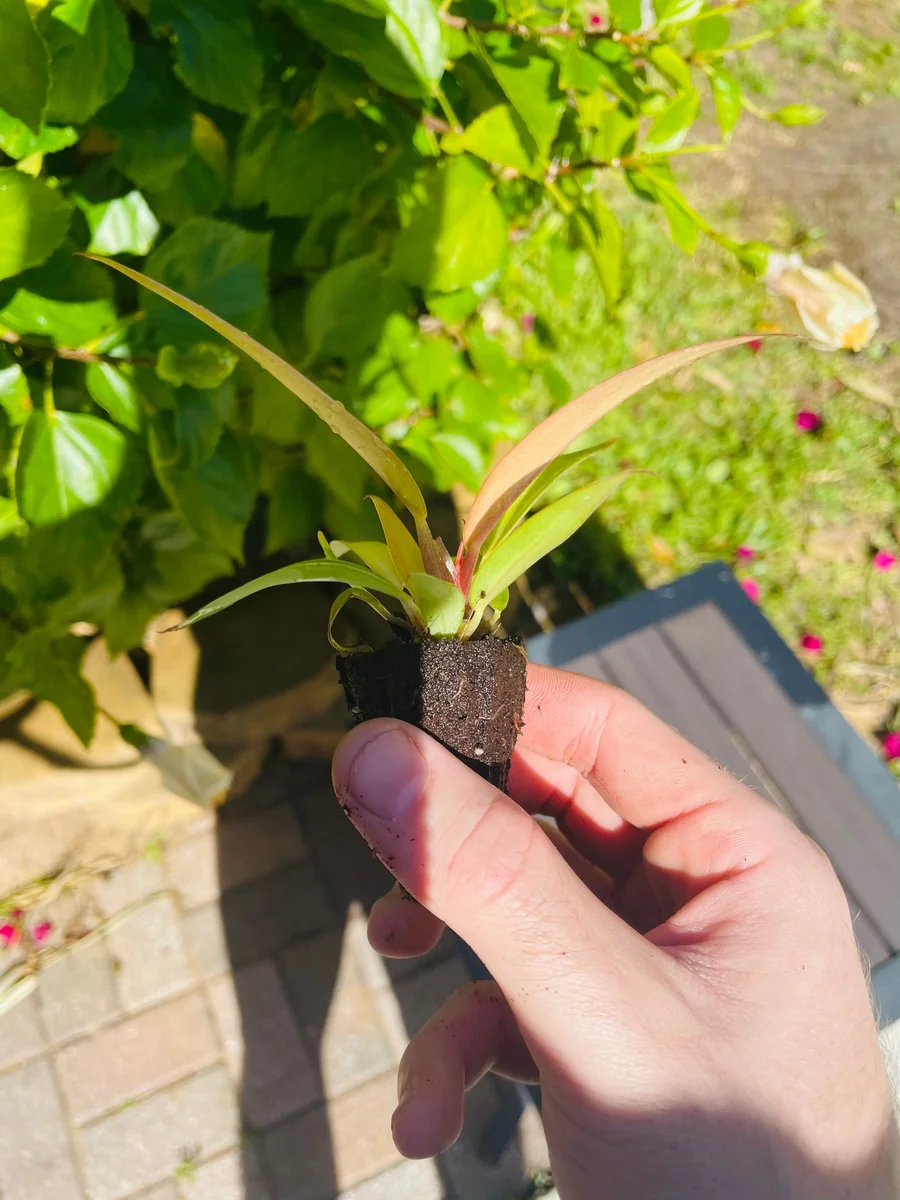
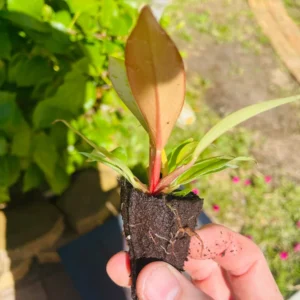
Your Prince of Orange Philodendron starter plant will arrive as a young, healthy specimen, ready to establish itself in your home. Typically, these plants are shipped in a small nursery pot, allowing for safe transport and easy acclimation. While specific dimensions can vary based on the batch and growth rate, you can expect a starter plant to be approximately 3-6 inches tall from the soil line, with several developing leaves showcasing the characteristic orange to green coloration. The exact number of leaves and their size will differ as each plant is unique.
This particular philodendron is a slow to moderate grower, eventually reaching a mature height of 2-3 feet tall and a similar spread indoors, making it a substantial, yet manageable, houseplant. It is a self-heading variety, meaning it will grow as a central stem with leaves emerging from it, rather than vining. With proper philodendron plant care, your starter plant will gradually develop into a magnificent specimen, continuously unfurling new leaves that transition through its signature color palette. Expect to see significant growth and color development within the first year with consistent care.
Frequently Asked Questions
- Q: How big does this Prince of Orange Philodendron starter plant get? A: Indoors, the Prince of Orange Philodendron typically grows to about 2-3 feet in height and spread, forming a lush, bushy plant. It is a self-heading variety, meaning it grows upright rather than vining.
- Q: Is this an indoor or outdoor plant? A: The Prince of Orange Philodendron starter plant is primarily grown as an indoor houseplant in most climates due to its tropical nature. It can be grown outdoors in USDA zones 10-11 if protected from direct, harsh sunlight and cold temperatures.
- Q: How much sunlight does it need? A: This philodendron thrives in bright, indirect light. Avoid direct sun exposure, which can scorch its leaves. An east-facing window or a spot a few feet away from a south or west-facing window works best.
- Q: Is this plant easy to care for? A: Yes, the Prince of Orange Philodendron is considered moderately easy to care for, making it suitable for both beginners and experienced plant enthusiasts. Consistent watering and bright, indirect light are key to successful Philodendron Prince of Orange care.
- Q: What condition will it arrive in? A: Your Prince of Orange Philodendron starter plant will arrive as a healthy, young plant, typically in a small nursery pot. It will be carefully packaged to ensure its safe journey to your home.
- Q: How often should I water my orange philodendron indoor plant? A: Water when the top 1-2 inches of soil feel dry to the touch. It’s better to slightly underwater than to overwater, as excessive moisture can lead to root rot. Adjust frequency based on humidity and temperature.
- Q: Is the Prince of Orange Philodendron pet-safe? A: No, like many philodendrons, the Prince of Orange is toxic if ingested by pets or humans due to calcium oxalate crystals. It’s best to keep it out of reach of curious pets and children.
- Q: What kind of soil is best for philodendron plant care? A: A well-draining, aerated potting mix is ideal. You can use a mix formulated for aroids or create your own by combining potting soil with perlite, orchid bark, or coco coir to improve drainage.
- Q: Will the leaves stay orange? A: New leaves emerge with a vibrant coppery-orange hue. As they mature, they will gradually transition to a rich, dark green. This natural color evolution is part of the plant’s charm and contributes to its unique appeal and vibrant philodendron foliage.
- Q: What’s the ideal temperature for this plant? A: This philodendron prefers warm temperatures between 65-80°F (18-27°C). Protect it from cold drafts and temperatures below 55°F (13°C) to prevent stress and damage.


Reviews
There are no reviews yet.