Overview
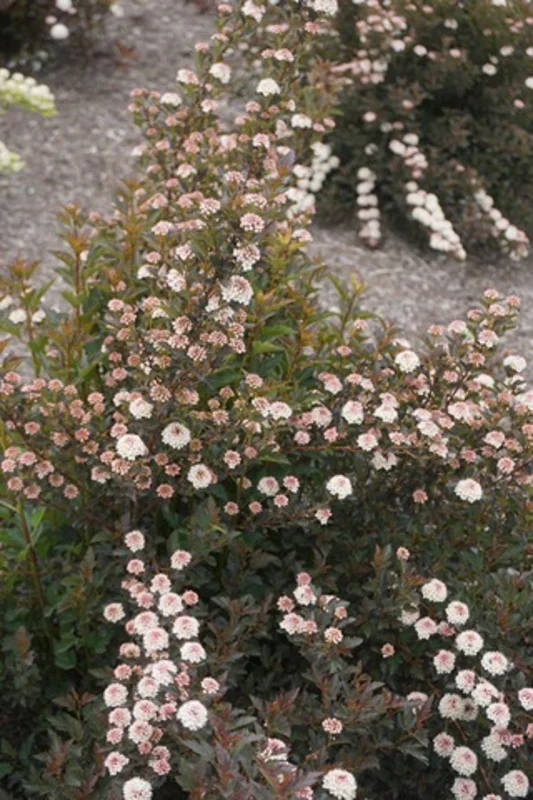
Introduce a splash of dynamic color to your garden with the Physocarpus Alouette live plant, a truly captivating deciduous shrub. Also known as Ninebark ‘Alouette’, this variety is celebrated for its ever-changing foliage, which transitions through a stunning palette of copper, gold, orange, and deep burgundy throughout the growing season. This particular offering is a starter plant, approximately 4-6 inches in height, providing an excellent foundation for a robust and beautiful garden feature. The ‘Alouette’ Ninebark is a resilient and versatile plant, making it an ideal choice for gardeners looking to add visual interest and structure to their outdoor spaces. Its unique color transformation ensures that your garden remains vibrant and engaging from spring through autumn, offering a continuous display of natural beauty.
The Physocarpus Alouette live plant is a member of the Ninebark family, known for its distinctive peeling bark on mature stems, which adds winter interest. This specific cultivar, ‘Alouette’, is particularly prized for its intense foliage coloration, especially when grown in full sun. It’s a fantastic specimen plant, an effective border shrub, or can be used in mass plantings to create a breathtaking display of color. This starter plant is well-rooted, ensuring a strong beginning for your gardening success. With its moderate growth habit and stunning visual appeal, the Physocarpus Alouette live plant is a must-have for any gardener seeking a low-maintenance yet high-impact plant.
Key Benefits
The Physocarpus Alouette live plant offers a multitude of benefits that make it a standout choice for various garden designs and preferences. Its adaptability and aesthetic appeal contribute significantly to its popularity among both novice and experienced gardeners.
- Exceptional Foliage Color: Enjoy a spectacular display of colors, including copper, gold, orange, and deep burgundy, which changes with the seasons and sunlight exposure. This makes the Physocarpus Alouette live plant a year-round visual delight.
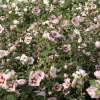
- Seasonal Interest: Beyond its vibrant foliage, the ‘Alouette’ Ninebark produces delicate whitish-pink flowers in spring, followed by interesting seed heads, ensuring continuous appeal throughout the year.
- Hardy & Resilient: This shrub is well-suited for USDA Zones 4-9, demonstrating excellent cold hardiness and adaptability to a range of environmental conditions, making it a reliable choice for many climates.
- Low Maintenance: Once established, the Ninebark ‘Alouette’ is relatively easy to care for, requiring minimal pruning and general attention, perfect for gardeners seeking beauty without high effort.
- Versatile Landscape Use: Its manageable size and striking appearance make it suitable for various applications, including hedges, borders, foundation plantings, or as a vibrant specimen plant.
- Attracts Pollinators: The spring flowers provide a valuable nectar source for bees and other beneficial pollinators, contributing to the biodiversity of your garden.
- Drought Tolerance: Once mature, the Physocarpus Alouette live plant exhibits good drought tolerance, reducing the need for frequent watering in established gardens.
Plant Care & Growing Tips
Proper care is essential for the Physocarpus Alouette live plant to thrive and showcase its full spectrum of colors. This resilient shrub is generally easy to grow, but understanding its specific needs will ensure the most vibrant display and robust growth. For optimal foliage coloration, plant your ‘Alouette’ Ninebark in a location that receives full sun. While it can tolerate light shade, the intensity of its copper, gold, orange, and burgundy hues will be significantly reduced, often fading to a greener tone. Aim for at least 6 hours of direct sunlight per day to encourage the deepest, most dramatic colors.
When it comes to watering, the ninebark shrub care routine should focus on consistent moisture, especially during its establishment period. Once rooted, it becomes more drought-tolerant, but regular watering during dry spells will promote healthier growth and better foliage. Ensure the soil is well-drained, as Physocarpus does not tolerate soggy conditions. A good quality, loamy soil enriched with organic matter is ideal. For fertilization, a balanced slow-release granular fertilizer applied in early spring can boost growth, but generally, ninebarks are not heavy feeders. Pruning can be done after flowering to maintain shape and size, or to remove any dead or crossing branches. The ‘Alouette’ Ninebark will grow to approximately 6 feet tall, so plan its placement accordingly. Pay attention to common pests and diseases, though this plant is generally quite resistant, ensuring healthy and beautiful Alouette ninebark foliage.
Size & Details
This offering is for a Physocarpus Alouette live plant, a well-rooted starter plant that measures approximately 4-6 inches in height. It comes in a 2.5 x 3.5 inch pot, providing a healthy root system ready for transplanting into your garden. As a deciduous shrub, it will shed its leaves in winter and re-emerge with vibrant new growth in spring. The ‘Alouette’ Ninebark is known to grow to a mature height of up to 6 feet, forming an upright, bushy habit. Its growth rate is moderate, allowing you to enjoy its changing beauty without it becoming unruly too quickly. Expect this plant to establish well within its first growing season, beginning to show its characteristic colorful foliage and spring blooms in subsequent years. This starter size is perfect for home gardeners who enjoy nurturing plants from a younger stage, allowing them to adapt to their new environment.
Frequently Asked Questions
- Q: How big does the Physocarpus Alouette Ninebark get? A: The Physocarpus Alouette live plant typically grows to a mature height of about 6 feet tall with a similar spread. Its size makes it suitable for various landscape applications, from hedges to specimen plantings.
- Q: Is this an indoor or outdoor plant? A: The Physocarpus Alouette live plant is an outdoor deciduous shrub. It thrives in garden settings and is hardy in USDA Zones 4-9, making it suitable for a wide range of climates.
- Q: How much sunlight does the ‘Alouette’ Ninebark need? A: For the most intense and vibrant Alouette ninebark foliage colors, this shrub requires full sun, meaning at least 6 hours of direct sunlight daily. It can tolerate light shade, but foliage color may be less pronounced.
- Q: Is this plant easy to care for? A: Yes, the Physocarpus ‘Alouette’ is considered a low-maintenance plant. Once established, it is quite resilient and drought-tolerant, making it an excellent choice for both beginner and experienced gardeners seeking a deciduous shrub for garden.
- Q: What condition will the plant arrive in? A: Your Physocarpus Alouette live plant will arrive as a well-rooted starter plant, approximately 4-6 inches tall, in a 2.5 x 3.5 inch pot, carefully packaged to ensure its health during transit.
- Q: When is the best time to plant Physocarpus Alouette? A: The best time to plant Physocarpus Alouette is in spring or early fall, allowing the plant sufficient time to establish its root system before extreme weather conditions.
- Q: What type of soil does this ninebark prefer? A: This shrub prefers well-draining soil. It can adapt to various soil types, but a loamy soil enriched with organic matter will provide the best growing conditions for this colorful garden plant.
- Q: Will the foliage color change throughout the year? A: Absolutely! The ‘Alouette’ Ninebark is famous for its dynamic foliage, which changes from copper and gold to orange and deep burgundy, especially when grown in full sun, offering continuous visual interest.
- Q: Is the Physocarpus Alouette deer resistant? A: While no plant is entirely deer-proof, Physocarpus varieties, including ‘Alouette’, are generally considered to be deer resistant, making them a good choice for areas where deer are a concern.
- Q: How often should I water my newly planted ninebark? A: For a newly planted Physocarpus Alouette live plant, water regularly to keep the soil consistently moist until it becomes established, typically for the first growing season. After that, it is more drought-tolerant.


Reviews
There are no reviews yet.