Overview
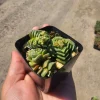
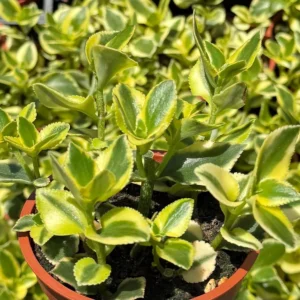
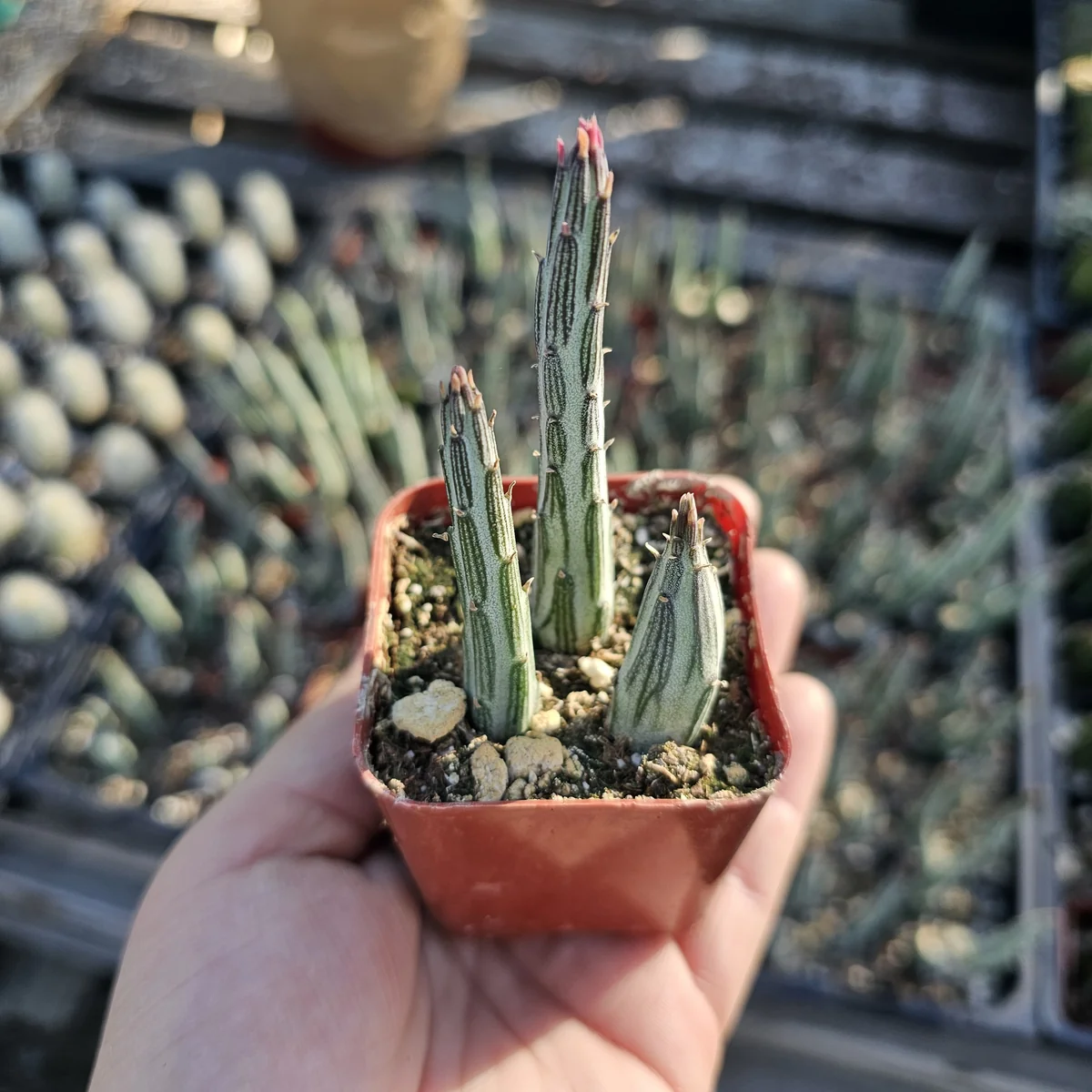
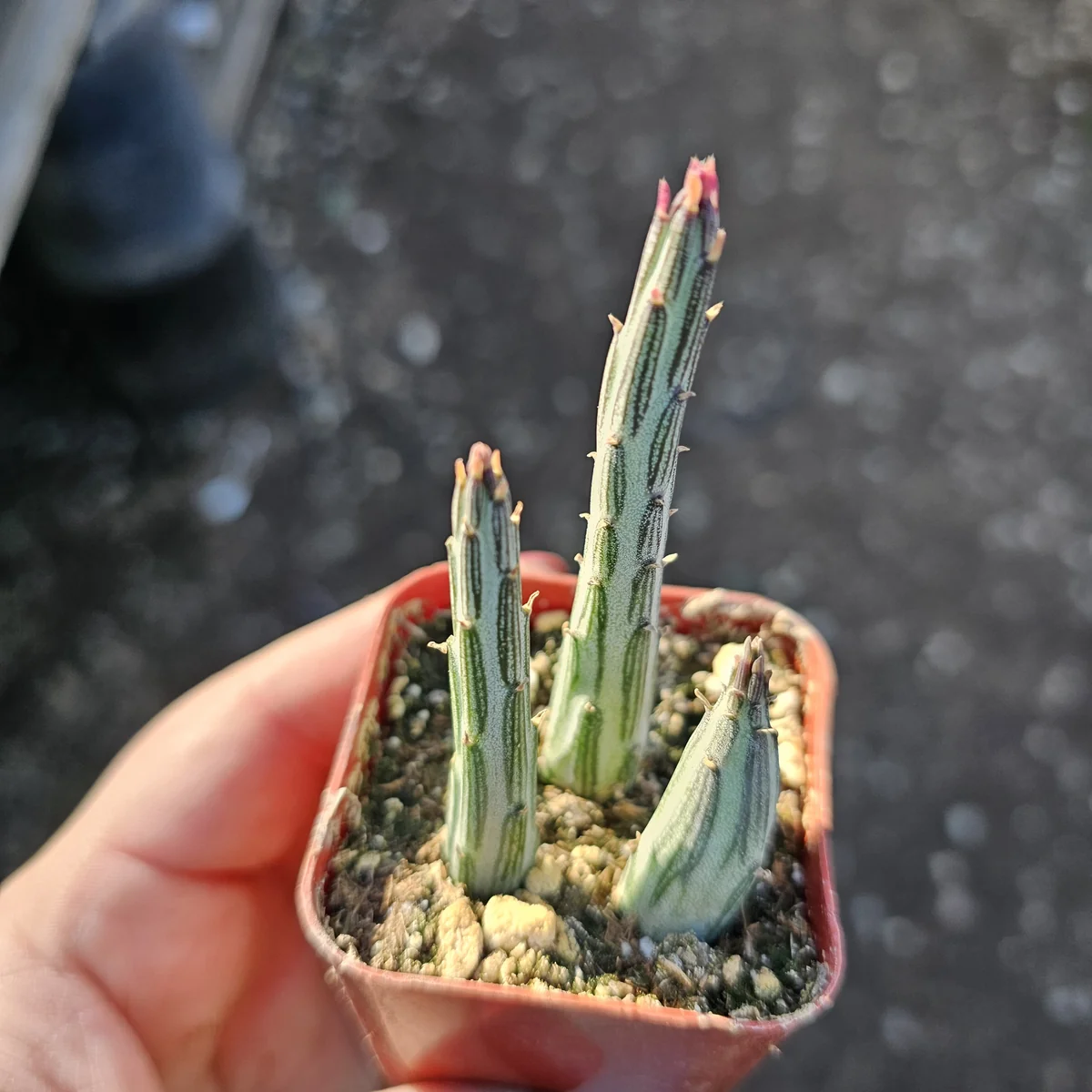
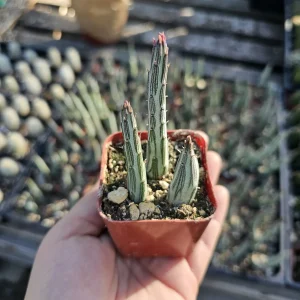
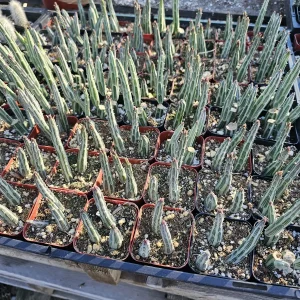
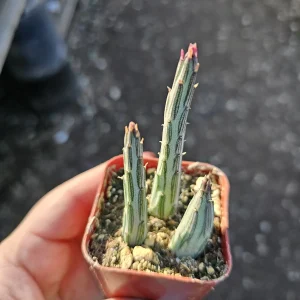
Introduce a touch of whimsical charm to your plant collection with the pickle plant live succulent. Scientifically known as Delosperma echinatum, this delightful succulent is instantly recognizable by its distinctive, pickle-shaped leaves covered in soft, translucent bristles. These unique leaves give the plant a fascinating texture and appearance, truly living up to its common name. Originating from South Africa, the pickle plant live succulent is a relatively small, trailing succulent that forms dense mats, making it an excellent choice for rock gardens, container arrangements, or as a charming indoor accent. Its low-maintenance nature and drought tolerance make it a fantastic option for both seasoned plant enthusiasts and beginners looking for an unusual and resilient addition to their green spaces.
The pickle plant live succulent is not only visually appealing but also incredibly adaptable. It produces small, yellow, daisy-like flowers, typically in spring or summer, adding another layer of interest to its already captivating form. Its compact growth habit ensures it won’t outgrow its space quickly, and its preference for bright, sunny conditions means it can thrive on a windowsill, in a conservatory, or as part of a succulent arrangement. If you’re searching for a conversation-starting plant that requires minimal fuss, the pickle plant live succulent is an ideal candidate.
Key Benefits
The pickle plant live succulent offers a myriad of benefits, blending unique aesthetics with practical care advantages, making it a standout choice for various settings. Its distinctive appearance and robust nature contribute to its appeal.
- Unique Ornamental Appeal: The most striking feature of the pickle plant live succulent is its unusual, pickle-shaped foliage covered in tiny, soft bristles. This gives it a captivating texture and visual interest, making it a focal point in any plant display or garden.
- Low Maintenance: This succulent is incredibly forgiving and requires minimal attention once established. It’s perfect for busy individuals or those new to plant care, as it tolerates neglect better than many other plants.
- Drought Tolerant: As a succulent, the pickle plant stores water in its leaves, allowing it to withstand long periods without watering. This makes it an excellent choice for xeriscaping or for gardeners in arid climates.
- Versatile Placement: Whether you’re looking for an intriguing indoor houseplant for a sunny window or a hardy addition to an outdoor rock garden, the pickle plant live succulent adapts well to various environments.
- Compact Growth Habit: Its relatively small and trailing growth makes it ideal for small spaces, terrariums, hanging baskets, or as a groundcover, without becoming unruly.
- Attractive Blooms: While primarily grown for its foliage, the plant also produces charming small yellow flowers during its blooming season, adding a cheerful splash of color.
- Air Purification: Like many plants, it contributes to improved indoor air quality by absorbing toxins and releasing oxygen, promoting a healthier living environment.
Plant Care & Growing Tips
Caring for your pickle plant live succulent is straightforward, largely due to its resilient and drought-tolerant nature. Providing the right conditions will ensure a thriving and healthy plant. This plant, also known as Delosperma echinatum, requires specific light, water, and soil conditions to flourish.
Sunlight Requirements: The pickle plant live succulent thrives in bright light. Indoors, place it in a south-facing window where it can receive several hours of direct sunlight daily. If direct sun is too intense, bright indirect light is also acceptable, but too little light will lead to leggy growth. Outdoors, it prefers full sun, meaning at least 6 hours of direct sunlight per day. Protect it from intense, scorching afternoon sun in very hot climates to prevent leaf burn. Adequate light is crucial for maintaining the compact form and vibrant color of the foliage.
Watering Schedule and Soil Moisture Preferences: As a succulent, the pickle plant is highly susceptible to overwatering. Allow the soil to dry out completely between waterings. When watering, do so thoroughly until water drains from the bottom of the pot, then discard any excess. In summer, you might water every 2-4 weeks, while in winter, watering can be reduced to once a month or even less, depending on humidity and temperature. Always err on the side of underwatering rather than overwatering. Proper drainage is key to preventing root rot, a common issue for succulent plants for sale.
Soil Type and Drainage Requirements: The pickle plant live succulent requires a well-draining soil mix. A standard succulent or cactus potting mix is ideal. You can also create your own by mixing regular potting soil with perlite, pumice, or coarse sand in a 1:1 ratio to enhance drainage. Ensure the pot has drainage holes to prevent water from pooling at the roots. Good air circulation around the roots is also beneficial for this unique indoor plant.
Temperature Range and USDA Hardiness Zone: This plant prefers warm temperatures and is generally hardy in USDA Zones 9-11. It can tolerate light frost but should be protected from prolonged freezing temperatures. If grown outdoors in colder climates, it’s best to bring it indoors during winter. Indoors, average room temperatures between 65-80°F (18-27°C) are suitable. Avoid sudden temperature drops or cold drafts.
Fertilization Schedule and Type: Fertilize sparingly, if at all. Succulents generally don’t require heavy feeding. If you choose to fertilize, use a balanced liquid fertilizer diluted to half strength, once or twice during the growing season (spring and summer). Avoid fertilizing in fall and winter when the plant is dormant. Over-fertilization can lead to weak, leggy growth.
Common Problems and Solutions: The most common issue for Delosperma echinatum is root rot caused by overwatering. Ensure proper drainage and allow soil to dry out between waterings. Pests are generally not a major concern, but occasionally mealybugs or spider mites may appear. Treat with insecticidal soap or neem oil. Leggy growth indicates insufficient light, so move the plant to a brighter location. Understanding pickle plant care will help you address these issues effectively.
Size & Details
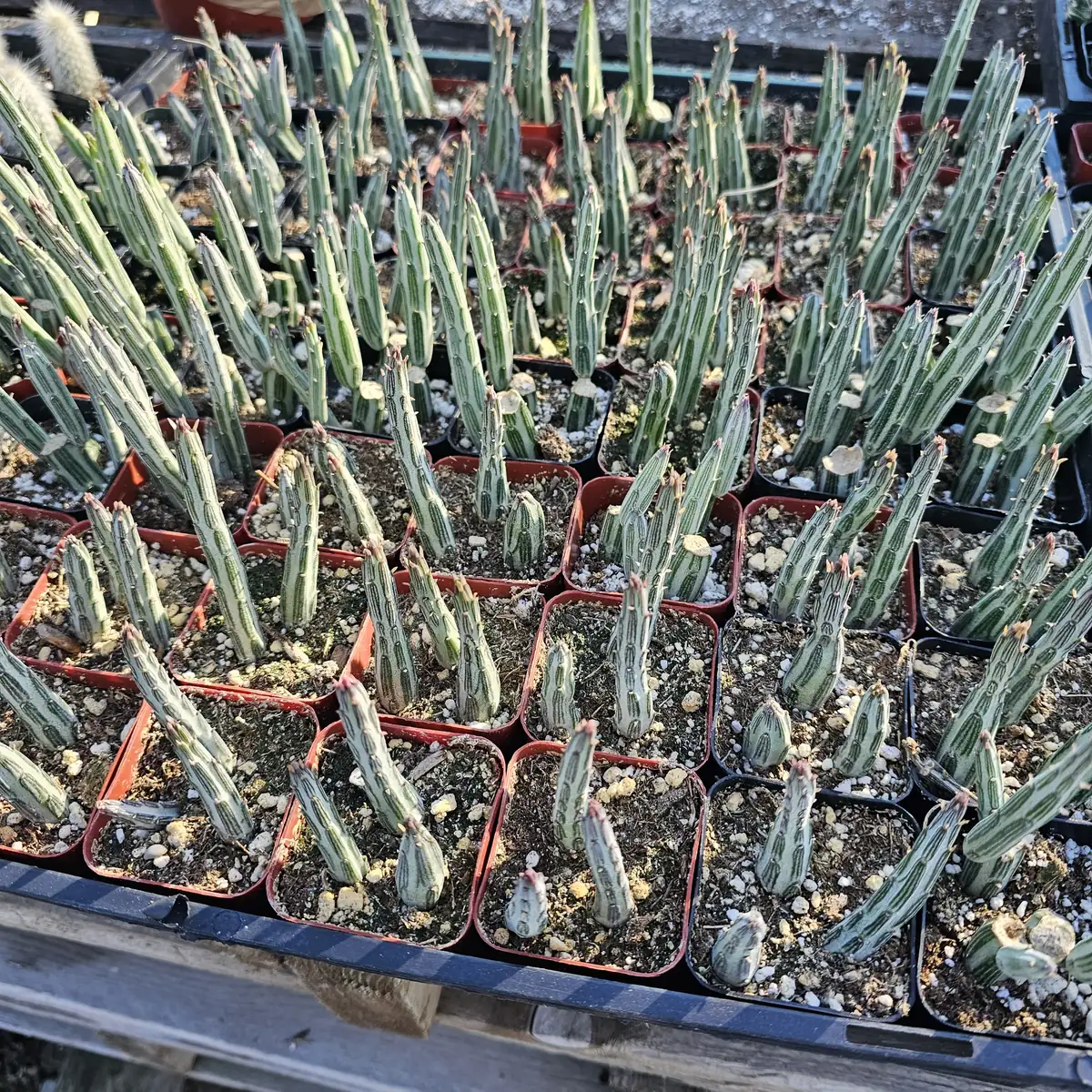
Our pickle plant live succulent is offered in two convenient pot sizes: 2in and 4in nursery pots. These sizes are ideal for starting your collection, creating succulent arrangements, or simply adding a charming accent to your desk or shelf. The plants typically arrive well-rooted and established, ready to thrive in their new home. Expect the plant to be compact, with trailing stems that can reach several inches in length, forming a dense, mat-like growth over time. The exact height and fullness may vary slightly due to natural growth patterns, but each plant is selected for its health and vigor.
The pickle plant live succulent is shipped in its original nursery grow pot, ensuring minimal stress during transit. Its slow to moderate growth rate means it won’t quickly outgrow its container, allowing for long-term enjoyment without frequent repotting. While primarily grown for its unique foliage, expect small, yellow, daisy-like flowers to appear, usually in the warmer months, adding a delightful contrast to its green ‘pickles’. This makes it a truly unique indoor plant or a lovely addition to any outdoor succulent display.
Frequently Asked Questions
- Q: How big does this plant get? A: The pickle plant live succulent is a relatively compact, trailing succulent. Its stems can grow several inches long, forming a dense mat. It typically doesn’t grow very tall, making it ideal for smaller spaces or as groundcover.
- Q: What size pot does it come in? A: This pickle plant live succulent is available in two sizes: a 2-inch nursery pot and a 4-inch nursery pot, perfect for various display options or transplanting.
- Q: Is this an indoor or outdoor plant? A: The pickle plant is versatile and can thrive both indoors and outdoors. Indoors, it needs a bright, sunny spot. Outdoors, it prefers full sun and is hardy in USDA Zones 9-11, where it can tolerate light frost.
- Q: How much sunlight does it need? A: This succulent requires bright light. Aim for at least 4-6 hours of direct sunlight daily for optimal growth. Indoors, a south-facing window is ideal. Outdoors, full sun is preferred.
- Q: Is this plant easy to care for? A: Yes, the pickle plant live succulent is considered very easy to care for, making it suitable for beginners. Its drought tolerance means it’s forgiving if you forget to water it occasionally.
- Q: What condition will it arrive in? A: Your plant will arrive carefully wrapped in its original nursery grow pot to minimize damage during shipping. While some soil may shift, the plant should be healthy and ready for its new home.
- Q: How often should I water my pickle plant? A: Water sparingly. Allow the soil to dry out completely between waterings. In summer, this might be every 2-4 weeks; in winter, even less frequently. Overwatering is the biggest risk.
- Q: Is the pickle plant live succulent pet-safe? A: Information on the toxicity of Delosperma echinatum to pets is limited. It’s always best to keep plants out of reach of curious pets to prevent any potential issues.
- Q: When does the pickle plant bloom? A: The pickle plant typically produces small, yellow, daisy-like flowers during the spring and summer months, adding a lovely seasonal touch.
- Q: What kind of soil is best for pickle plant care? A: A well-draining succulent or cactus potting mix is essential. You can also amend regular potting soil with perlite or coarse sand to improve drainage.


Reviews
There are no reviews yet.