Overview
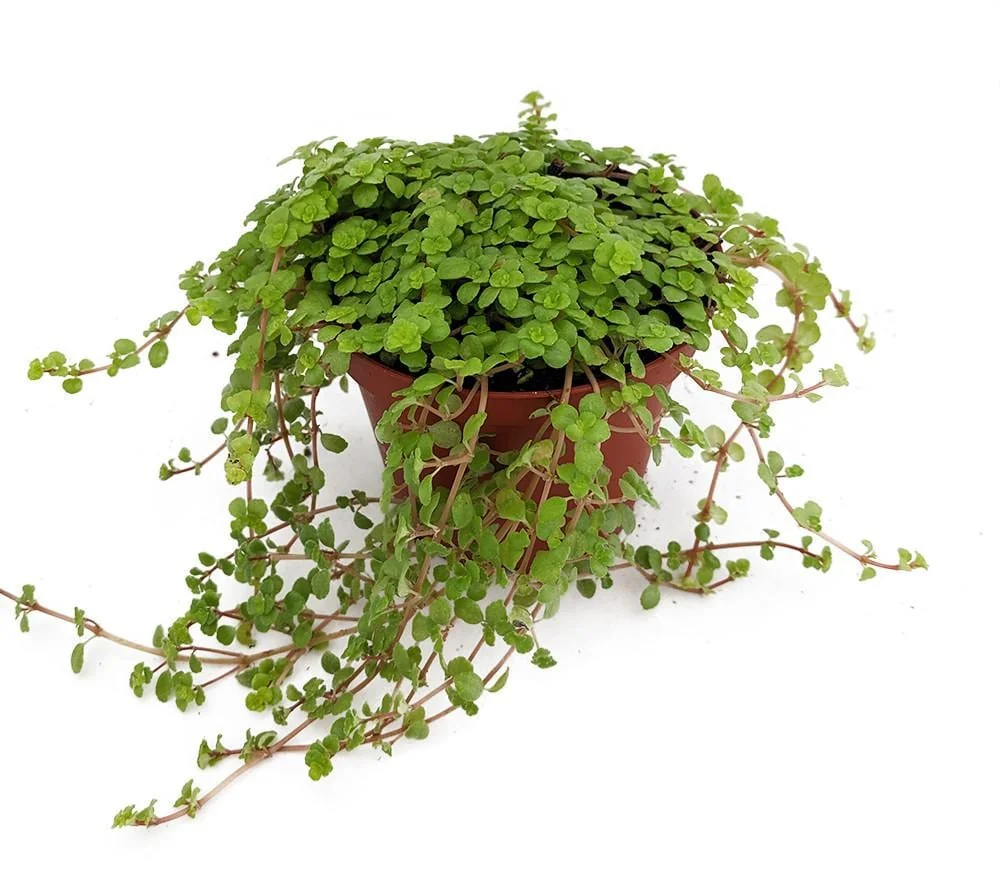
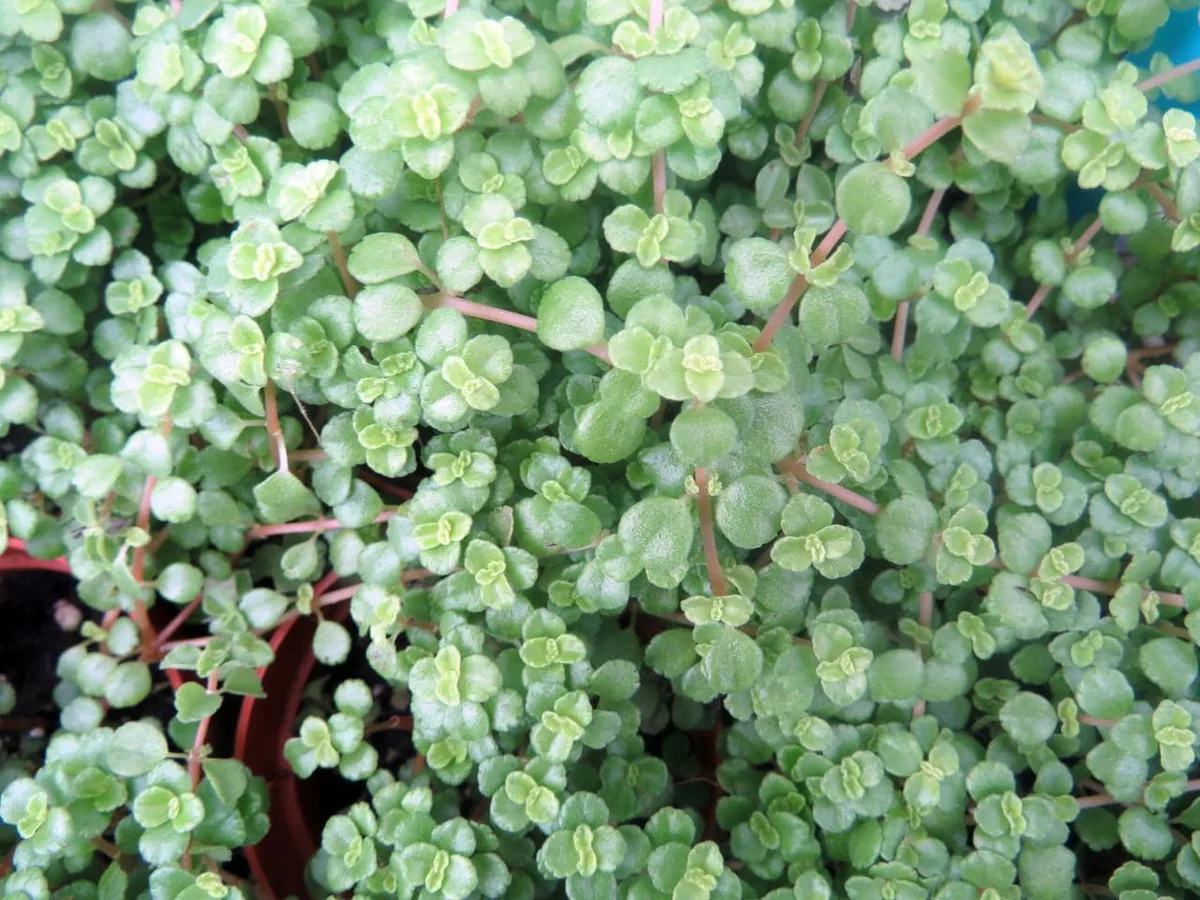
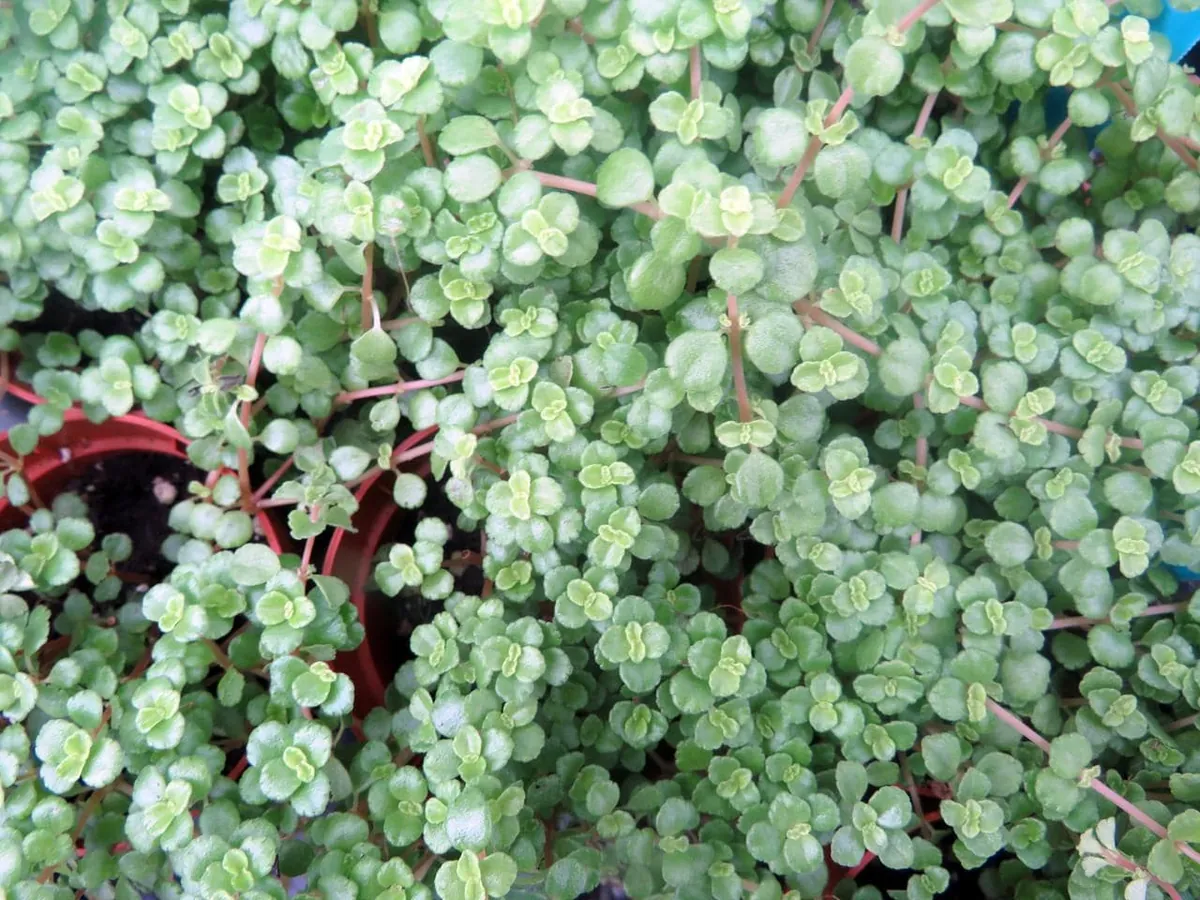
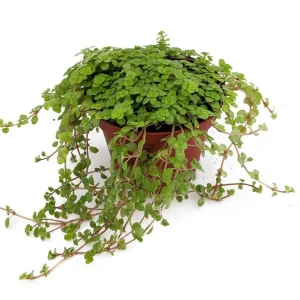
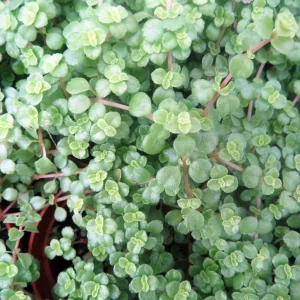
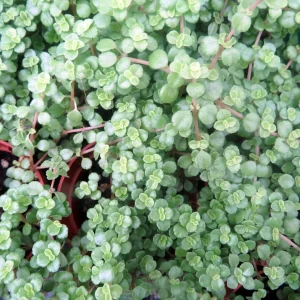
Introduce a cascade of vibrant green to your home with the exquisite Pilea depressa live plant. Also affectionately known as Baby Tears or Tiny Tears, this captivating houseplant is celebrated for its delicate, rounded foliage and graceful, trailing habit. Originating from the Caribbean and Central and South America, the Pilea depressa is a fantastic choice for those seeking a charming, low-maintenance addition to their indoor plant collection. Its dense growth and small, bright green leaves create a lush, carpet-like effect, making it an ideal candidate for a variety of decorative applications, from hanging baskets to intricate terrariums. This live plant arrives ready to thrive in your home, bringing natural beauty and a serene atmosphere.
The Pilea depressa live plant is a true gem among foliage plants. Its common names, Baby Tears and Tiny Tears, perfectly capture the miniature scale of its leaves, which grow abundantly on delicate stems. This plant is not only visually appealing but also relatively unfussy, making it suitable for both experienced plant enthusiasts and beginners alike. Whether you’re looking to create an enchanting fairy garden or simply add a touch of natural elegance to a windowsill, the Pilea depressa offers unmatched versatility and charm.
Key Benefits
The Pilea depressa live plant offers numerous advantages for any indoor gardener:
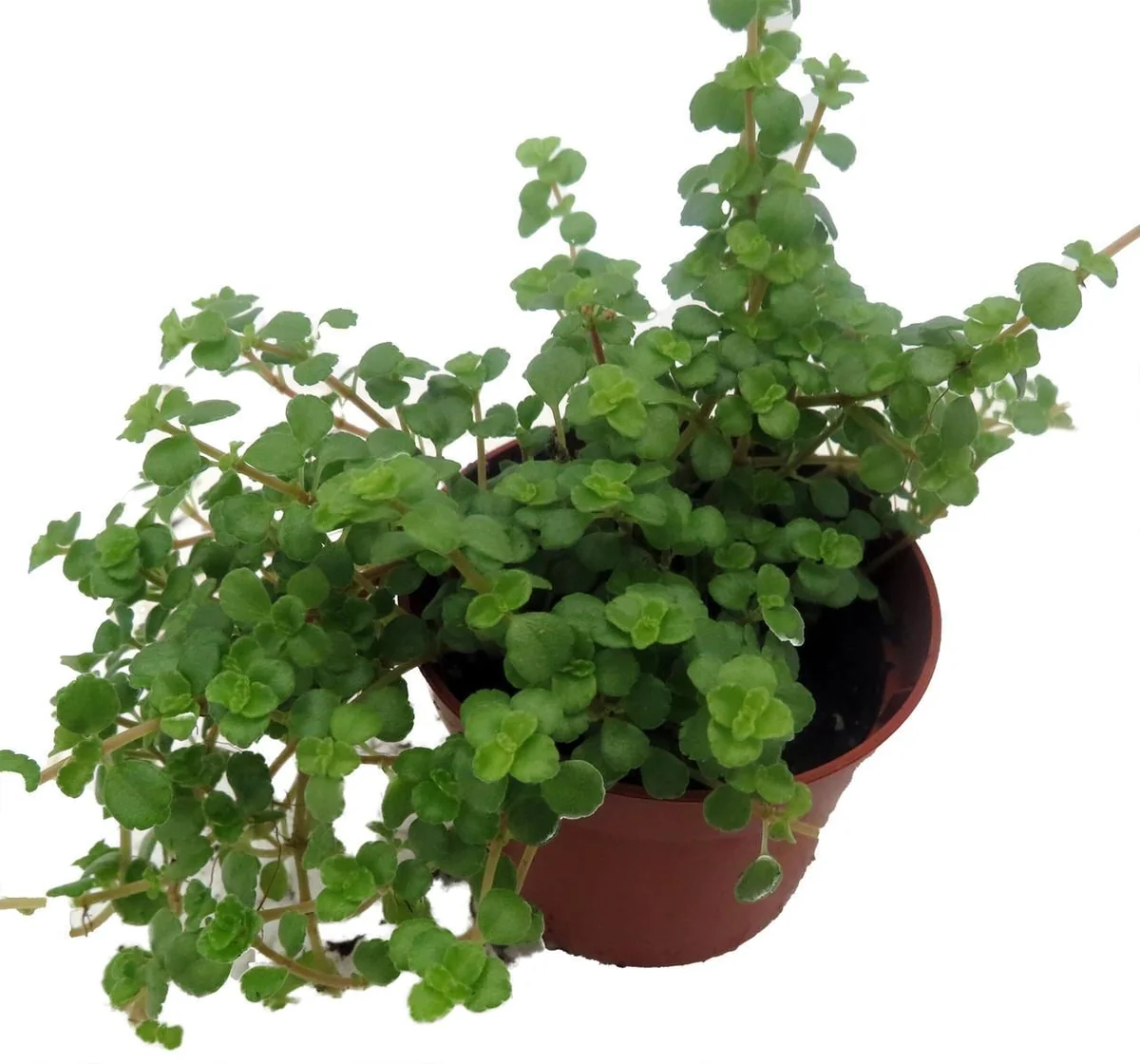
- Aesthetic Appeal: The dense, tiny, rounded medium-green leaves create a beautiful, lush texture that can soften any space. Its trailing habit makes it perfect for adding vertical interest to shelves or hanging planters.
- Versatile Decor: Excellent for a variety of uses, including hanging baskets, terrariums, fairy gardens, or simply as a charming small potted plant on a desk or table. Its compact size allows it to fit into diverse settings.
- Easy to Care For: This plant is known for its relatively low maintenance requirements, making it a great choice for busy individuals or those new to plant care. The general Baby Tears plant care routine is straightforward and forgiving.
- Air Purification: Like many houseplants, Pilea depressa contributes to a healthier indoor environment by helping to filter airborne toxins and improve air quality.
- Compact Growth: Its naturally small size and trailing growth habit ensure it won’t outgrow its space quickly, making it ideal for smaller apartments or offices.
- Quick Growth: With proper care, the Pilea depressa can grow quite quickly, allowing you to enjoy its lush foliage in a relatively short amount of time. You’ll quickly see why it’s a popular Tiny Tears indoor plant.
- Terrarium Favorite: Its preference for high humidity and compact growth makes it an outstanding choice for enclosed environments like terrariums, where it thrives and adds a vibrant green layer. The Pilea depressa terrarium environment enhances its growth and beauty.
Plant Care & Growing Tips
Caring for your Pilea depressa live plant is a rewarding experience, as it responds well to consistent attention. This plant thrives in bright, indirect light. Avoid direct sunlight, which can scorch its delicate leaves, leading to discoloration or burning. An east or north-facing window is often ideal, or a spot a few feet away from a south or west-facing window. Insufficient light can lead to leggy growth and smaller leaves, detracting from its dense appearance. Maintaining optimal light conditions is crucial for vibrant foliage and healthy growth.
When it comes to watering, the Pilea depressa prefers its soil to dry out slightly between waterings. Overwatering is a common mistake that can lead to root rot, so always check the soil moisture before adding more water. Stick your finger about an inch into the soil; if it feels dry, it’s time to water thoroughly until water drains from the bottom of the pot. Ensure your pot has drainage holes to prevent waterlogging. High humidity is beneficial for this plant, making it an excellent candidate for bathrooms or kitchens, or you can boost humidity with a pebble tray or humidifier. This consistent approach to Baby Tears plant care will ensure your plant flourishes.
The ideal soil for a Pilea depressa live plant is a well-draining potting mix that retains some moisture. A standard houseplant mix amended with perlite or vermiculite for extra drainage works well. Fertilize your Pilea once a month during the spring through fall growing season using a balanced, general-purpose houseplant food diluted to half strength. Reduce feeding during winter when growth slows. Trim your plant as needed to maintain its shape, encourage bushier growth, and propagate new plants from cuttings. This simple care routine will ensure your small trailing houseplant remains healthy and vigorous.
Size & Details
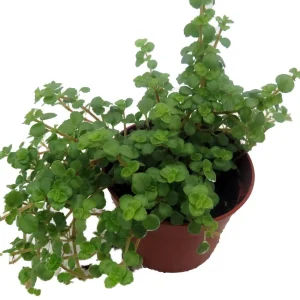
This Pilea depressa live plant arrives in a convenient 2.5 inch pot, making it the perfect size for immediate display or transplanting into your chosen container. The plant typically exhibits a low, trailing growth habit, with individual stems reaching several inches in length, creating a dense, spreading mat of foliage. While its exact dimensions will vary with maturity and growing conditions, you can expect a compact yet lush plant that can easily fill a small hanging basket or terrarium. It has a moderate to fast growth rate under ideal conditions, quickly developing its signature cascading appearance. This particular specimen is a young, healthy starter plant, ready to establish itself in its new home.
The Pilea depressa live plant is shipped as a rooted plant in its nursery pot, ensuring its health and stability during transit. Upon arrival, it will be ready to be placed in its desired location or repotted into a larger decorative container. Its mature size makes it an excellent choice for tabletops, shelves, or terrariums where space might be limited. Expect continuous growth and a thriving display with consistent care, embodying the charming qualities of a Tiny Tears indoor plant. This plant is specifically cultivated for indoor environments.
Frequently Asked Questions
- Q: How big does this plant get? A: The Pilea depressa live plant typically remains compact, with stems trailing several inches, creating a dense mat. It’s an excellent choice for small spaces and will fill out a 4-6 inch pot nicely.
- Q: What size pot does it come in? A: This Pilea depressa plant is delivered in a 2.5 inch pot, which is a perfect starter size for transplanting or keeping as a small desk plant.
- Q: Is this an indoor or outdoor plant? A: While it can tolerate outdoors in very warm, humid climates (USDA zones 9-11), it is primarily cultivated and recommended as an indoor plant due to its preference for consistent temperatures and humidity. It makes an ideal Tiny Tears indoor plant.
- Q: How much sunlight does it need? A: The Pilea depressa live plant thrives in bright, indirect light. Avoid direct sun, which can scorch its leaves. A north or east-facing window is often ideal.
- Q: Is this plant easy to care for? A: Yes, Pilea depressa is considered a relatively easy-care plant, making it suitable for beginners. Consistent watering and bright, indirect light are the main requirements for successful Baby Tears plant care.
- Q: What condition will it arrive in? A: Your Pilea depressa live plant will arrive as a healthy, rooted plant in its nursery pot, carefully packaged to ensure its safety during transit.
- Q: Is it shipped in soil? A: Yes, the plant is shipped securely in its original potting soil within the 2.5 inch pot to minimize stress and ensure its health upon arrival.
- Q: Can I use this plant in a terrarium? A: Absolutely! The Pilea depressa is an excellent choice for terrariums due to its love for humidity and compact, trailing growth habit. It’s a fantastic Pilea depressa terrarium plant.
- Q: How often should I water my Baby Tears plant? A: Water when the top inch of soil feels dry to the touch. It’s better to underwater slightly than to overwater, which can cause root rot.
- Q: Is this plant pet-safe? A: The Pilea depressa is generally considered non-toxic to pets, making it a safe choice for homes with cats and dogs. However, it’s always best to prevent pets from consuming large quantities of any plant material.


Reviews
There are no reviews yet.