Overview
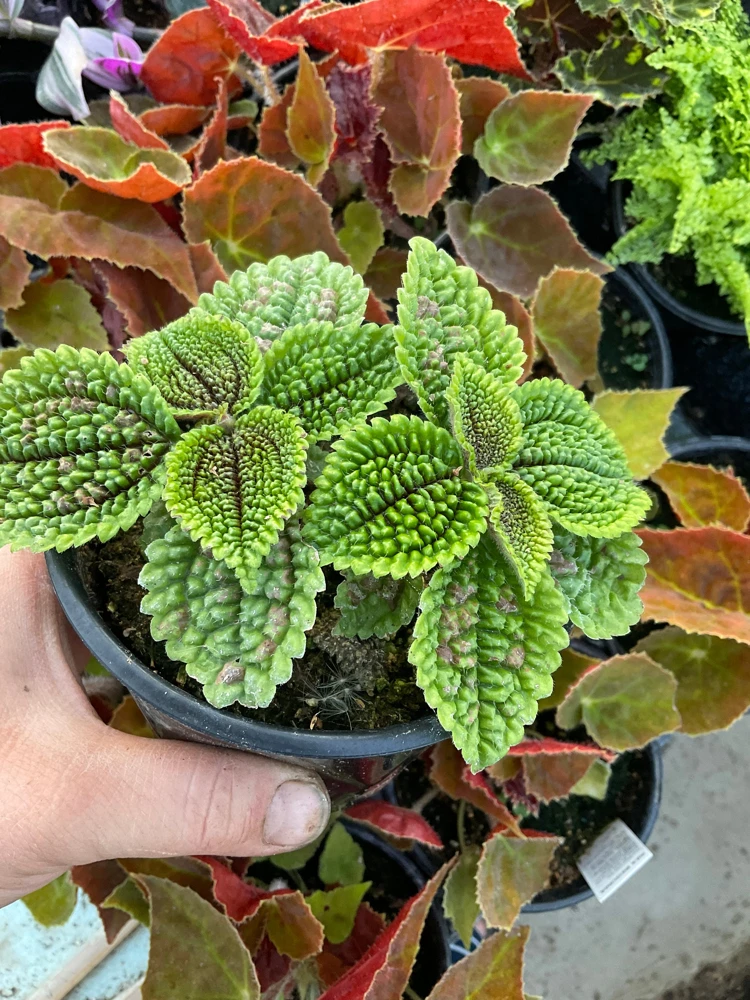
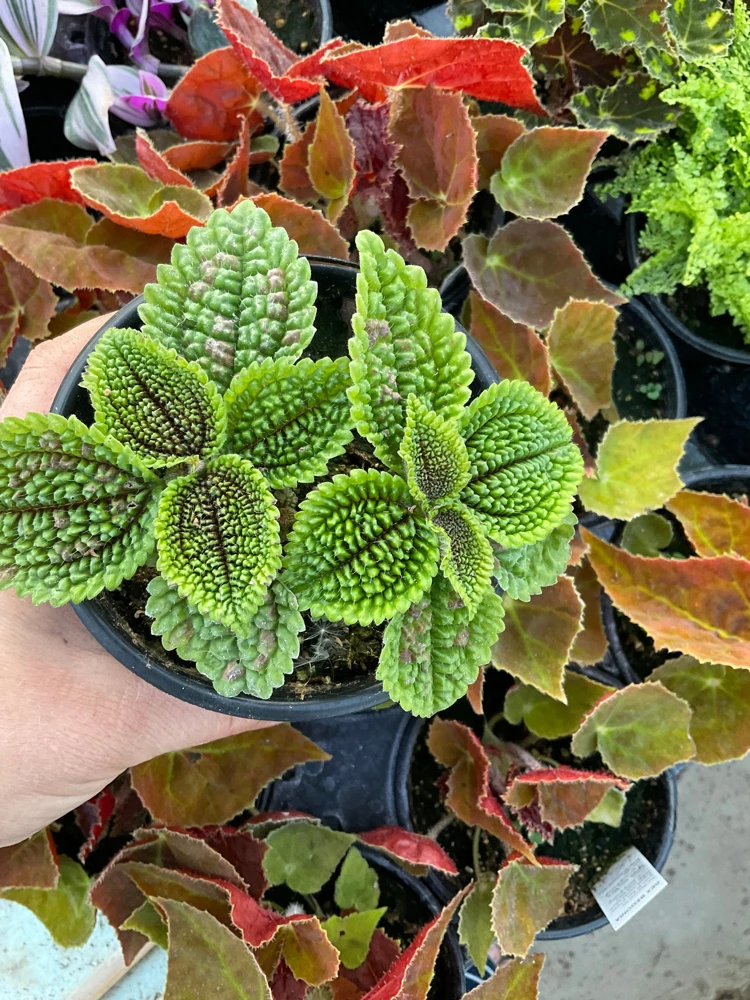
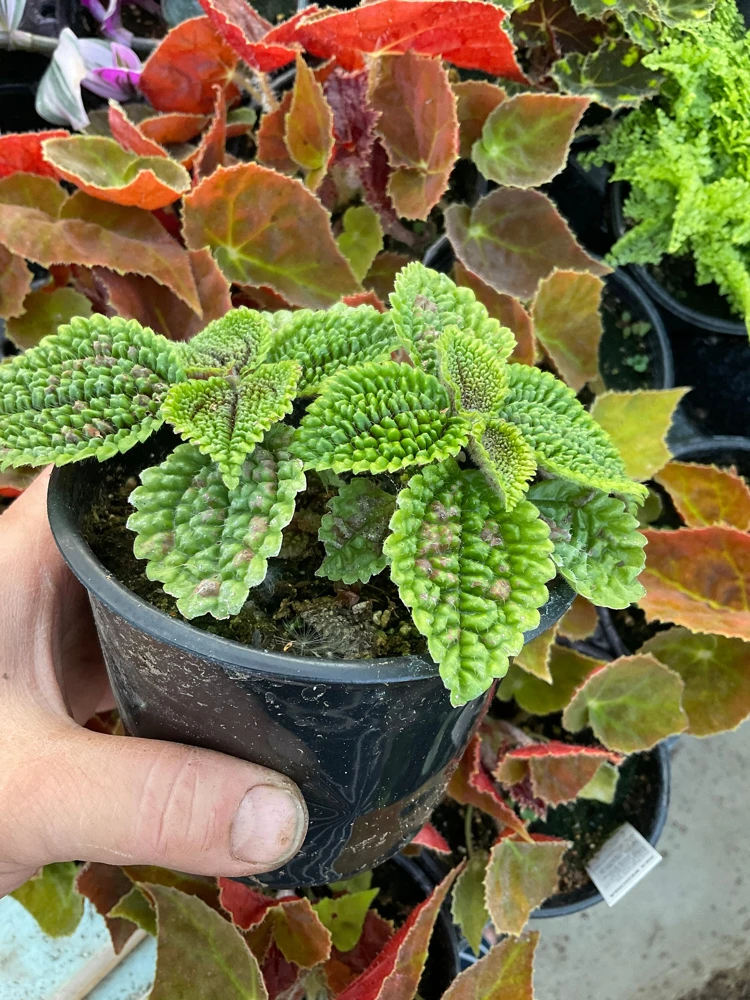
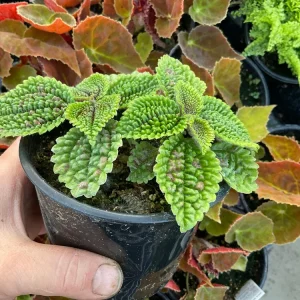
Introduce a touch of whimsical beauty to your indoor garden with the captivating Pilea Doone Valley live plant. Often cherished as the Friendship Plant indoor, this unique Pilea variety (Pilea involucrata ‘Doone Valley’) stands out with its deeply textured, crinkled leaves that display a fascinating array of green hues, sometimes with subtle bronze undertones. Each leaf is a miniature work of art, making it a conversation starter and a joy to behold. Shipped as a healthy, vibrant live plant in a 4.5-inch pot with its own soil, it arrives ready to be placed in your favorite spot. The Pilea Doone Valley is known for its relatively compact growth habit, making it an ideal choice for desks, shelves, or as part of a larger indoor plant display. Its distinctive texture and easy-going nature make it a perfect addition for both novice and experienced plant enthusiasts looking for something beyond the ordinary.
Key Benefits
The Pilea Doone Valley live plant offers more than just visual appeal; it brings a host of benefits to your indoor environment. Its unique characteristics make it a standout choice for adding life and interest to any room.
- Unique Textured Foliage: The most striking feature of the Pilea Doone Valley is its deeply crinkled, almost quilted leaves. This incredible texture provides a visual and tactile experience that is unlike most other houseplants, adding significant character to your space.
- Compact & Versatile Size: Growing to a manageable size, this plant is perfect for small spaces, terrariums, or as an accent on a bookshelf or desk. Its compact nature allows it to fit into various decor styles without overpowering the area.
- Easy Care Houseplant: The Friendship Plant indoor is renowned for being relatively low-maintenance, making it an excellent choice for beginners or those with busy schedules. It thrives with consistent moisture and indirect light, forgiving occasional lapses in care.
- Air Purifying Qualities: Like many houseplants, the Pilea Doone Valley live plant contributes to a healthier indoor environment by helping to filter airborne toxins and improve air quality, creating a fresher living space.
- Excellent for Gifting: Its common name, ‘Friendship Plant,’ makes it a thoughtful and symbolic gift for loved ones. Gifting a live plant is a lasting gesture, and the easy care nature ensures the recipient can enjoy it for a long time.
- Adds Greenery & Life: Introducing live plants like the Pilea Doone Valley instantly brightens a room, adds a touch of nature, and can boost mood and productivity. Its vibrant green hues bring a sense of calm and vitality indoors.
- Pet-Friendly Option: While always good to monitor, Pilea involucrata varieties are generally considered non-toxic to cats and dogs, making this a safer choice for homes with pets compared to many other common houseplants.
Plant Care & Growing Tips
Caring for your Pilea Doone Valley live plant is straightforward, making it a rewarding experience for any plant parent. This plant thrives in conditions that mimic its native tropical understory environment. The key to a happy and healthy Pilea Doone Valley is understanding its needs for light, water, and humidity.
Sunlight: The Pilea Doone Valley prefers bright, indirect light. Place it near a window that receives plenty of light but avoids direct sun, which can scorch its delicate leaves. An east-facing window is often ideal, or a few feet away from a south or west-facing window. Insufficient light can lead to leggy growth and less vibrant foliage. If you notice the leaves losing their rich texture or color, it might need a brighter spot.
Watering: Keep the soil consistently moist but never waterlogged. Water thoroughly when the top inch of soil feels dry to the touch. Ensure the pot has drainage holes to prevent root rot. During warmer months, you may need to water more frequently, while in winter, reduce watering as the plant’s growth slows. Overwatering is a common mistake, so always check the soil moisture before adding more water. The Friendship Plant indoor will show signs of thirst by drooping slightly, which is a good indicator it needs a drink.
Soil & Humidity: A well-draining potting mix is crucial for this plant. A standard indoor potting mix amended with some perlite or peat moss works well to provide good drainage and retain some moisture. The Pilea Doone Valley appreciates high humidity, typical of its tropical origins. You can increase humidity by misting the leaves regularly, placing the pot on a pebble tray filled with water, or using a humidifier, especially in dry indoor environments. Average room temperatures between 65-75°F (18-24°C) are ideal. Avoid sudden temperature fluctuations and cold drafts.
Fertilization & Pruning: Feed your Pilea Doone Valley live plant with a balanced liquid fertilizer diluted to half strength every 2-4 weeks during the growing season (spring and summer). Reduce or stop fertilization during fall and winter. Pruning is generally not required unless you want to maintain a specific shape or remove any leggy growth. Pinching back the tips can encourage a bushier plant. This easy care houseplant is quite resilient and will reward you with beautiful foliage with minimal effort.
Size & Details
Your Pilea Doone Valley live plant arrives as a healthy, established specimen in a 4.5-inch nursery pot. The plant is carefully packed with its soil to ensure it remains undisturbed during transit, ready for you to unbox and enjoy. Typically, this variety of Pilea involucrata grows to a compact size, reaching about 6-12 inches in height and spread, making it an excellent choice for tabletops, windowsills, or as part of a mixed plant arrangement. Its moderate growth rate means it will gradually fill out, becoming a lush, textured mound of foliage. This plant is shipped fresh from our greenhouse, ensuring you receive a vibrant and healthy addition to your indoor plant collection. Expect lush, crinkled green leaves that showcase the unique beauty of this particular Pilea cultivar.
Frequently Asked Questions
- Q: How big does this plant get? A: The Pilea Doone Valley live plant typically grows to about 6-12 inches tall and wide, forming a compact, bushy mound. Its modest size makes it ideal for various indoor settings without taking up too much space.
- Q: What size pot does it come in? A: This plant is shipped in a standard 4.5-inch nursery pot, complete with soil. It’s ready to be placed in your decorative pot or displayed as is upon arrival.
- Q: Is this an indoor or outdoor plant? A: The Pilea Doone Valley is primarily grown as an indoor houseplant in most climates. It thrives in typical indoor temperatures and humidity, though it can be placed outdoors in shaded areas during warm summer months in suitable climates.
- Q: How much sunlight does it need? A: This plant prefers bright, indirect light. Avoid direct sunlight, which can scorch its leaves. An east-facing window or a spot a few feet away from a south or west-facing window is usually ideal for the Friendship Plant indoor.
- Q: Is this plant easy to care for? Is it good for beginners? A: Yes, the Pilea Doone Valley is considered an easy care houseplant and is an excellent choice for beginners. It’s relatively forgiving and thrives with consistent moisture and indirect light.
- Q: What condition will it arrive in? Is it shipped in soil? A: Your Pilea Doone Valley live plant will arrive as a healthy, live plant, carefully packaged in its 4.5-inch pot with soil. We ensure it’s well-protected for transit.
- Q: Is this plant pet-safe? A: Pilea involucrata varieties, including ‘Doone Valley’, are generally considered non-toxic to pets like cats and dogs. However, it’s always best to monitor pets around new plants.
- Q: What kind of soil does it need? A: A well-draining potting mix is best. You can use a standard indoor potting mix, optionally amended with perlite or peat moss for improved drainage and moisture retention.
- Q: Does it need high humidity? A: Yes, this plant appreciates higher humidity. You can provide this by misting regularly, using a pebble tray, or placing it near a humidifier, especially in dry environments.
- Q: Why is it called the Friendship Plant? A: The common name ‘Friendship Plant’ is often associated with Pilea species due to their ease of propagation, making them easy to share with friends, fostering a sense of community and friendship.


Reviews
There are no reviews yet.