Overview
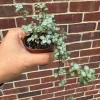
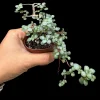
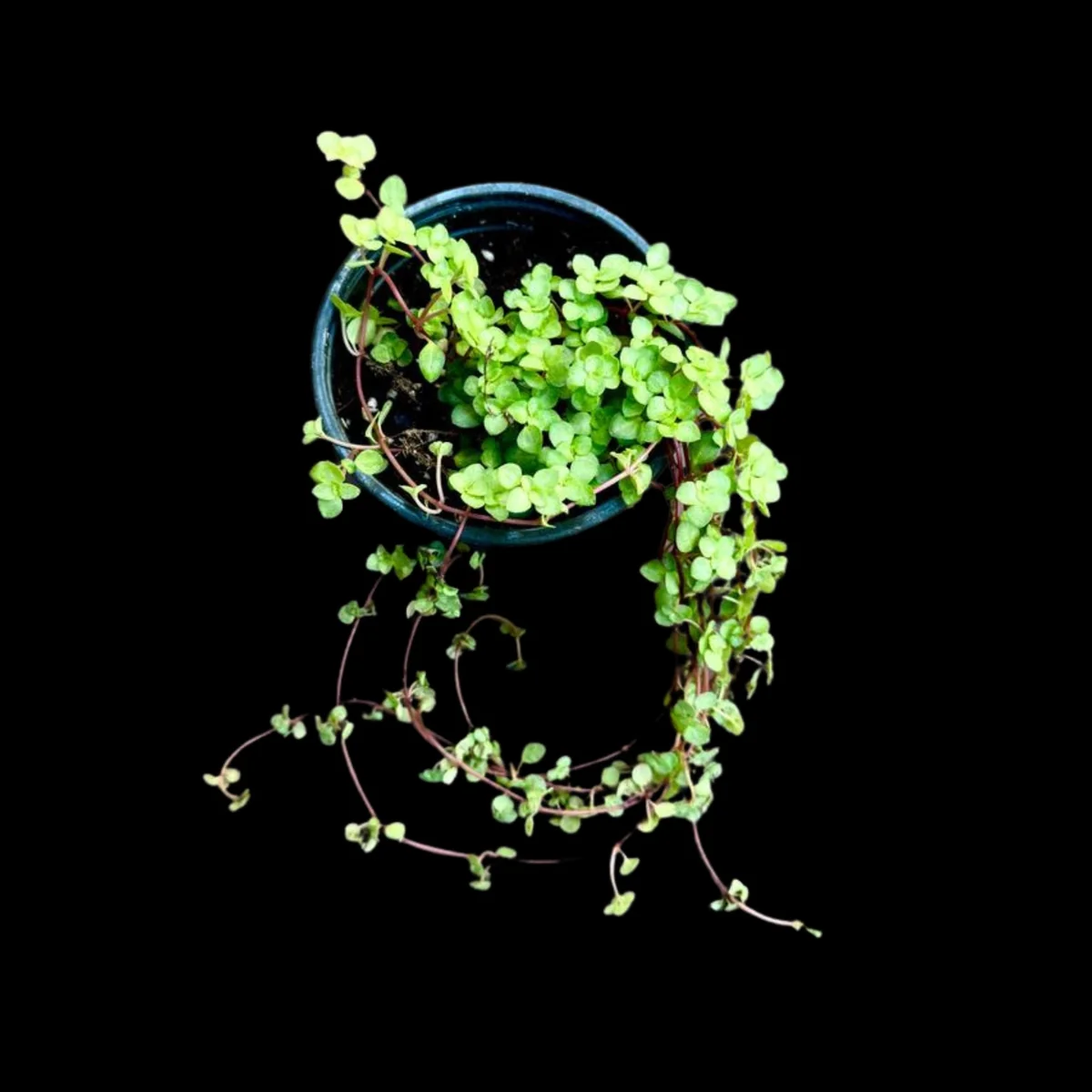
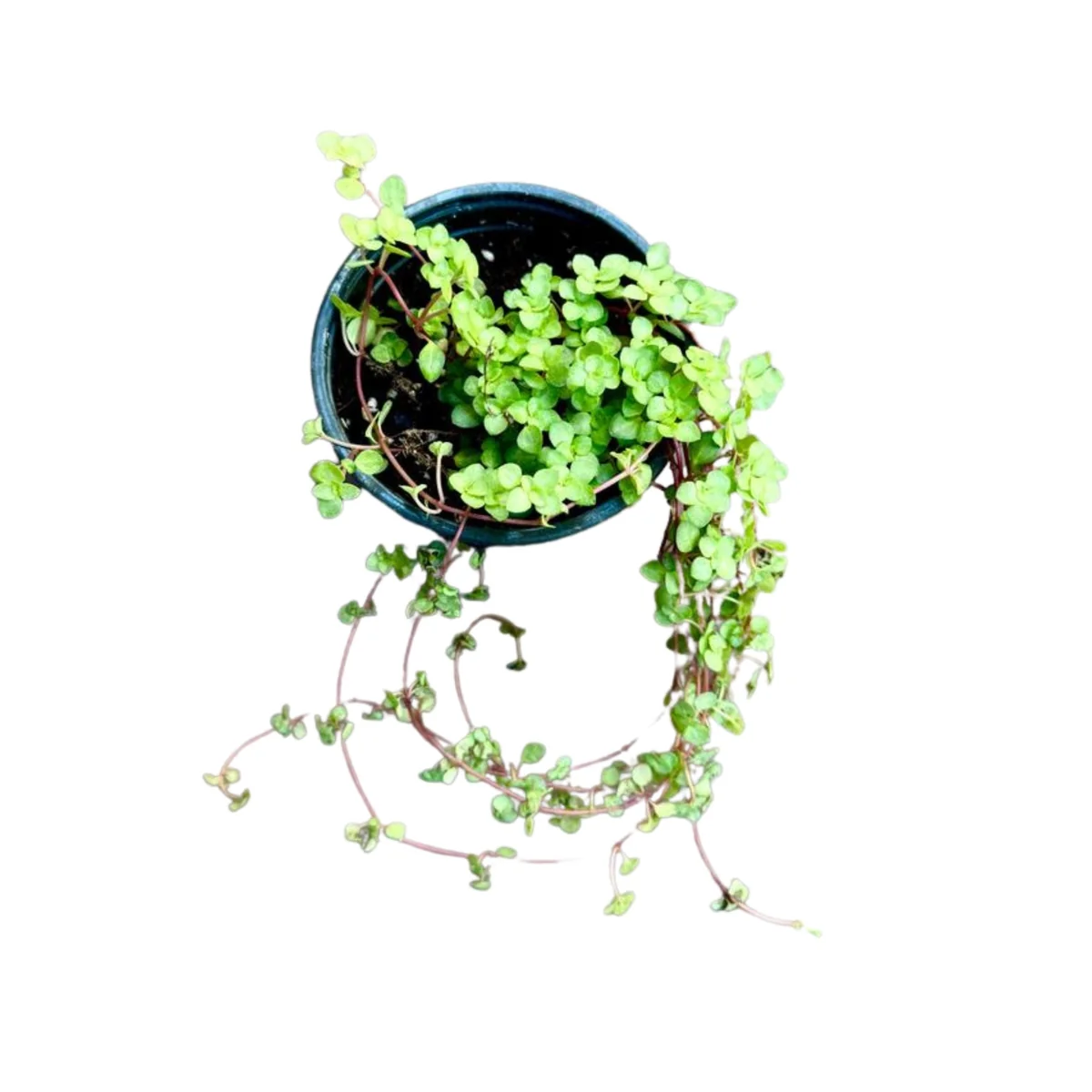
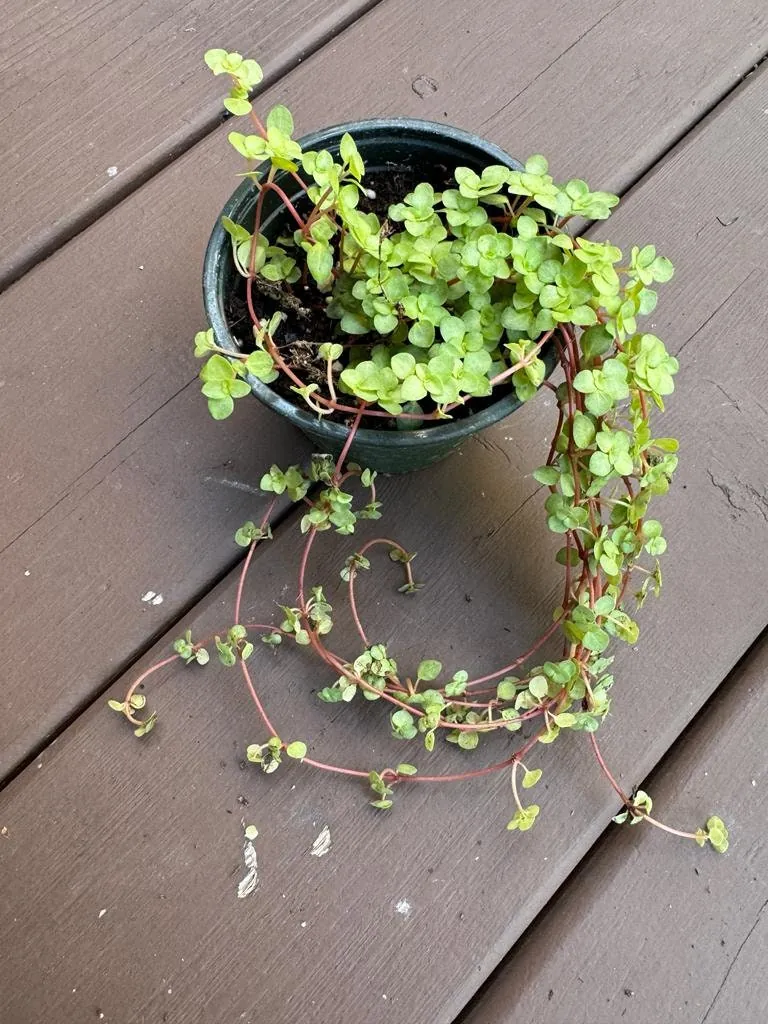
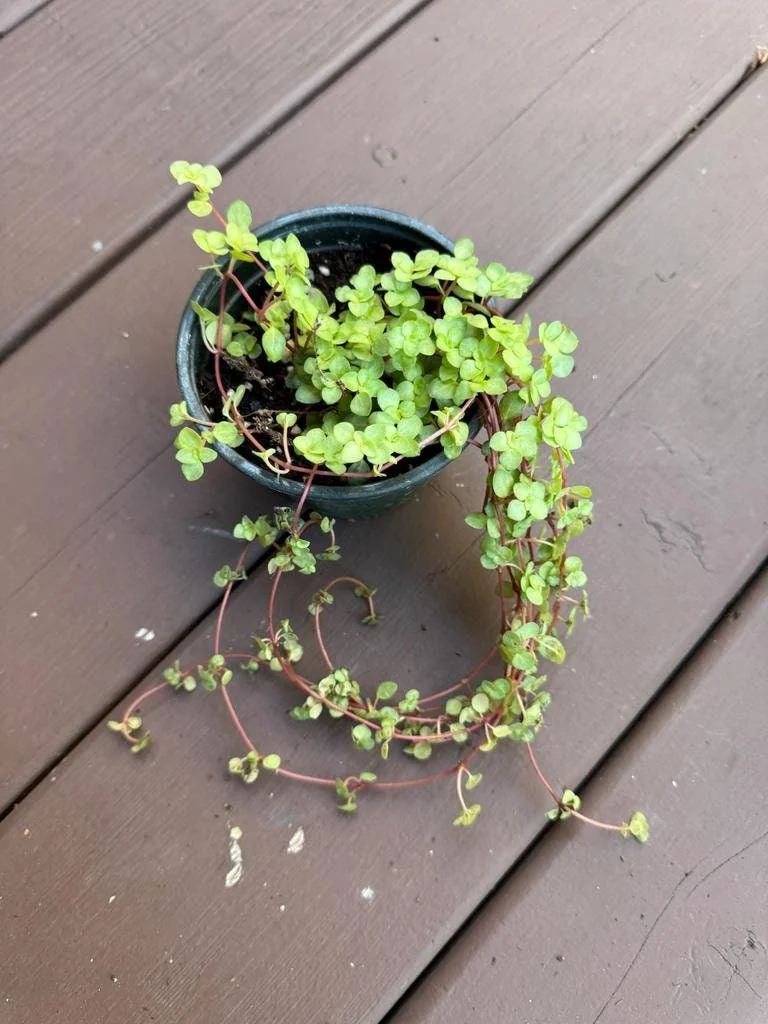
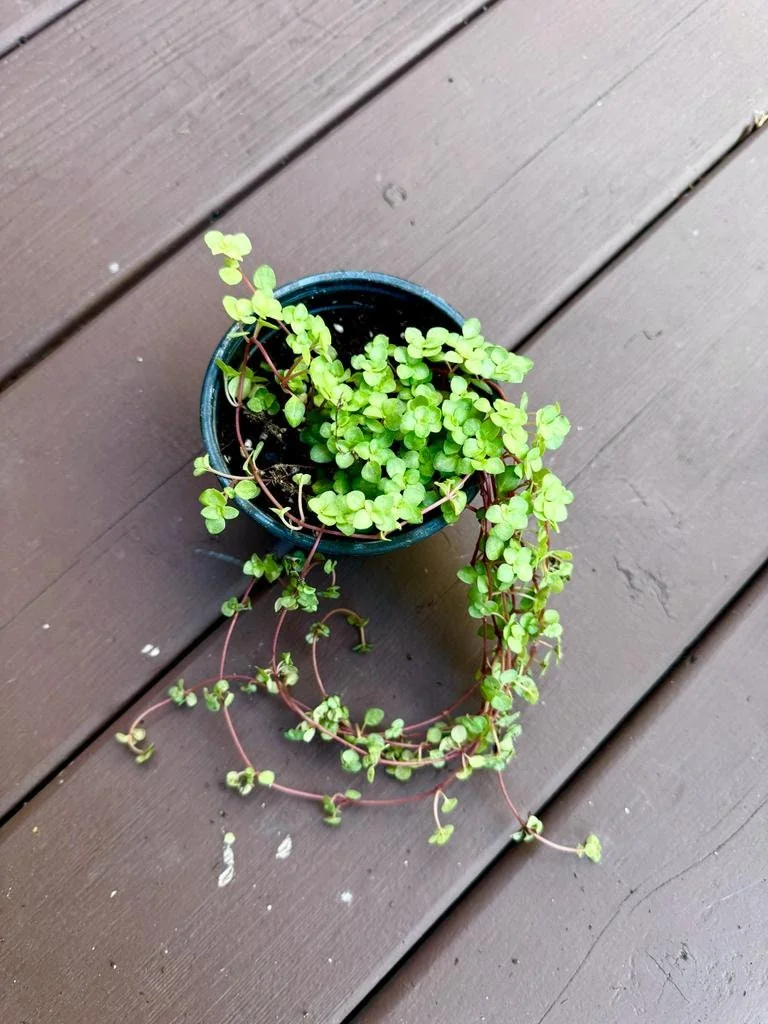
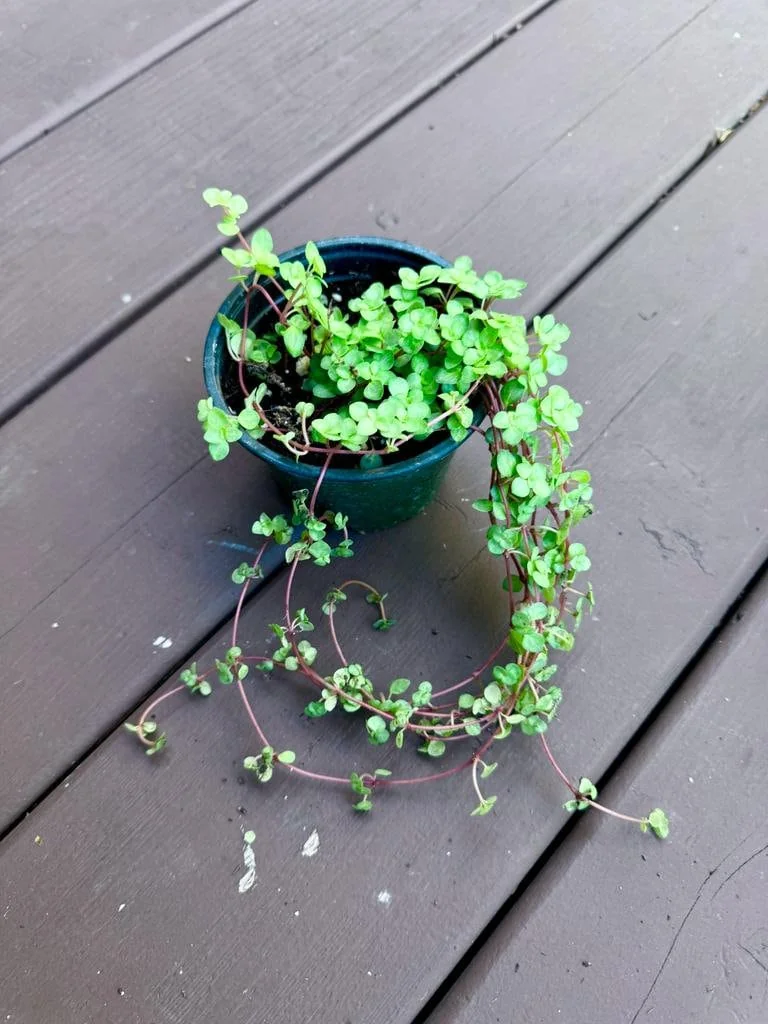
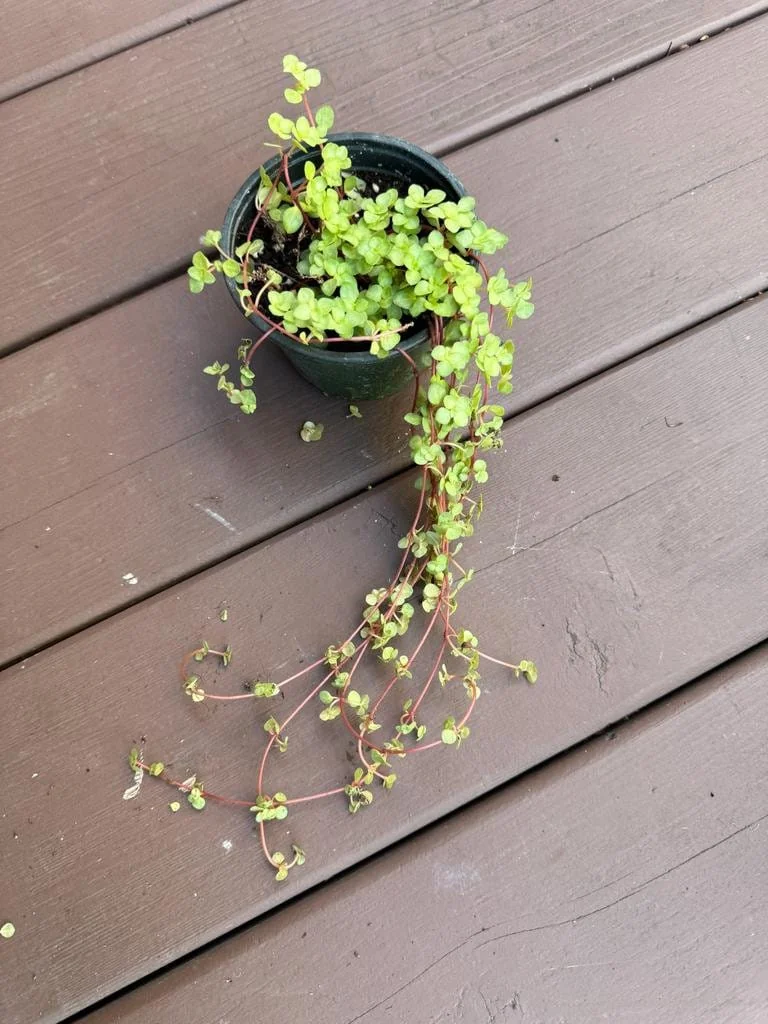
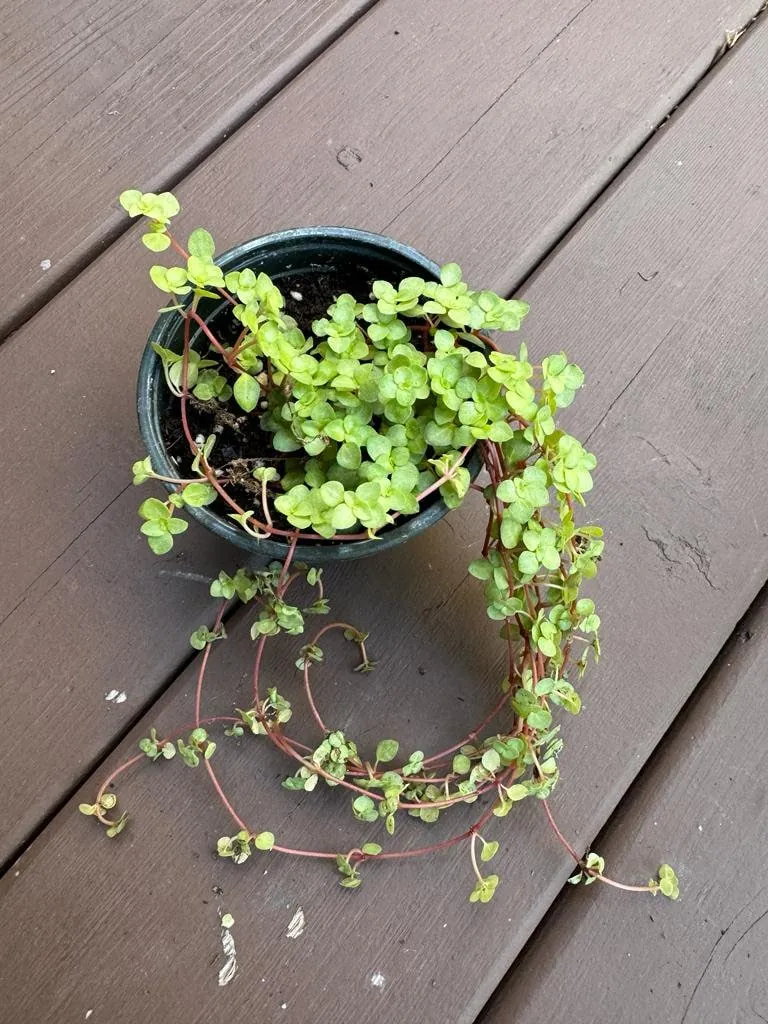
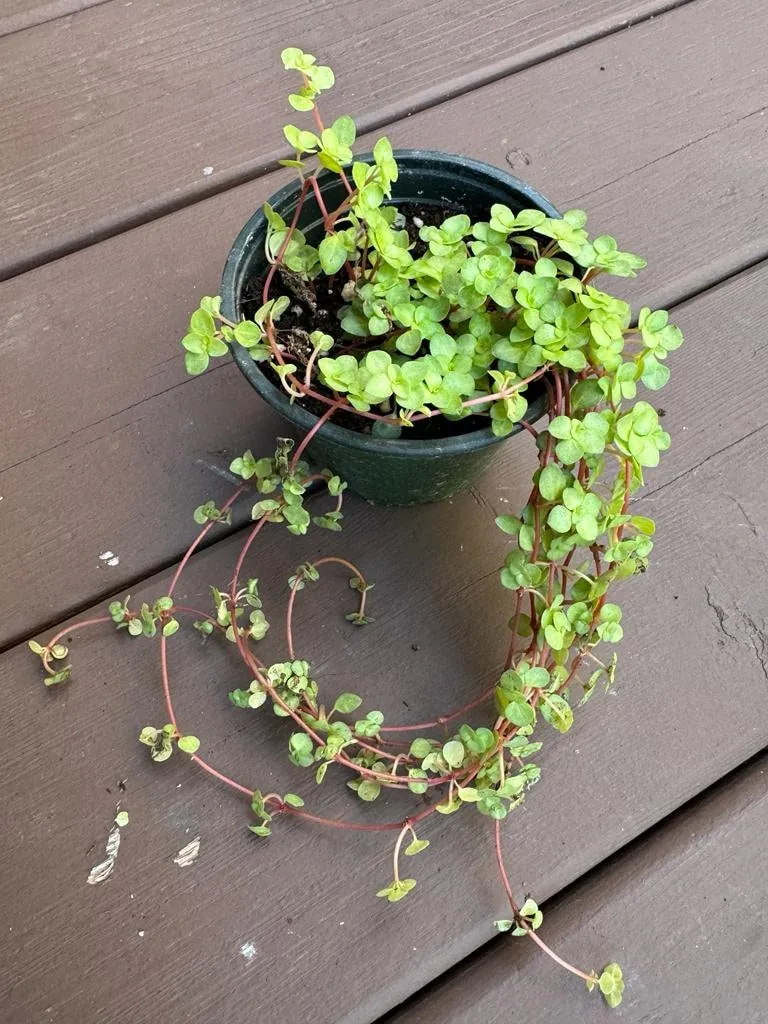
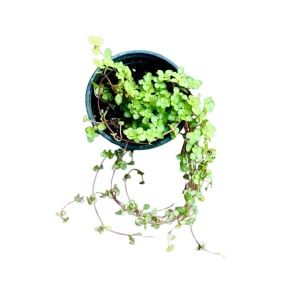
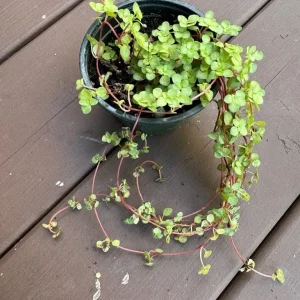
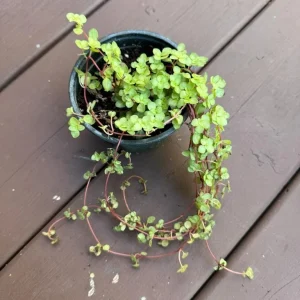
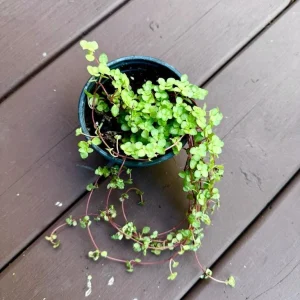
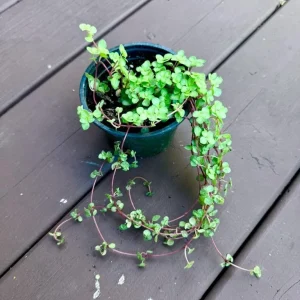
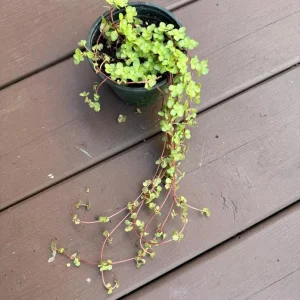
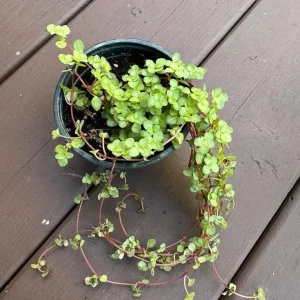
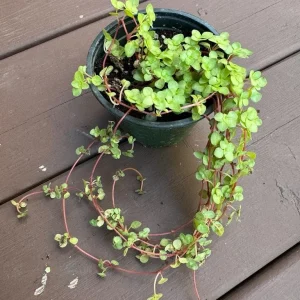
Introduce a touch of delicate beauty to your indoor space with the Pilea Glauca live plant. This exquisite specimen, often referred to as Grey Artillery Plant or Silver Sparkle Pilea, is particularly cherished by enthusiasts as Blue Baby Tears due to its tiny, glistening foliage. Originating from the humid forests of Central and South America, this charming houseplant is known for its distinctive silver-blue or grayish-green leaves and a graceful cascading growth habit. It’s an ideal choice for adding texture and color to terrariums, small pots, or as a trailing accent in hanging baskets. The Pilea Glauca stands out with its unique appearance and relatively straightforward care requirements, making it a favorite among both novice and experienced plant parents looking for an attractive indoor succulent plant.
The Pilea Glauca thrives indoors, bringing a refreshing natural element to any room. Its compact size and appealing aesthetic make it versatile for various decor styles. Whether you’re starting your plant collection or expanding an existing one, this plant offers consistent beauty with minimal fuss. Embrace the serene beauty of this delightful Pilea and enjoy its unique contribution to your home’s ambiance.
Key Benefits
The Pilea Glauca live plant offers numerous advantages, making it a superb addition to any indoor garden. Its unique characteristics contribute both to aesthetic appeal and ease of maintenance, providing lasting enjoyment.
- Charming Silver-Blue Foliage: The most striking feature of the Pilea Glauca live plant is its tiny, succulent-like leaves that boast a captivating silver-blue or grayish-green hue. This unique coloration adds a sophisticated and serene touch to any indoor setting, standing out from common green houseplants.
- Graceful Trailing Habit: With its naturally cascading growth, the Pilea Glauca is perfect for displaying in hanging baskets, on elevated shelves, or as a vibrant groundcover in larger planters. This habit allows its beautiful foliage to spill elegantly, creating a lush, dynamic look.
- Easy Care Houseplant: Known for its resilience and adaptability, this Pilea is considered an easy care houseplant, suitable for beginners and busy individuals. It tolerates a range of indoor conditions, requiring only basic attention to light and watering.
- Compact and Versatile Size: The relatively small stature of the Pilea Glauca makes it highly versatile. It can comfortably fit on windowsills, desks, or in terrariums, making it an excellent choice for smaller spaces or as part of a larger plant arrangement.
- Enhances Indoor Aesthetics: The delicate appearance and unique color of the Blue Baby Tears plant contribute significantly to interior decor. It can soften harsh lines, add a pop of subtle color, and create a more inviting and natural atmosphere in your living or working space.
- Pet-Friendly Option: While always best to verify with a veterinarian, Pilea species are generally considered non-toxic to pets, making this a safer choice for homes with curious cats and dogs.
- Air Purification Benefits: Like many houseplants, the indoor succulent plant Pilea Glauca contributes to a healthier indoor environment by helping to filter airborne toxins and increase oxygen levels, promoting a fresher atmosphere.
Plant Care & Growing Tips
Caring for your Pilea Glauca live plant, also known as Blue Baby Tears, is straightforward, making it an excellent choice for plant enthusiasts of all levels. Understanding its basic needs will ensure a thriving and beautiful display. This easy care houseplant adapts well to typical indoor environments with proper attention to its specific requirements.
Light: Provide bright, indirect light for your Pilea Glauca. It thrives in moderate to bright light conditions but can tolerate lower light levels. Avoid exposing it to direct, harsh sunlight for extended periods, as this can lead to leaf scorching and discoloration. An east or north-facing window is often ideal, or a few feet away from a south or west-facing window. Consistent light is key to maintaining its vibrant silver-blue foliage. If the plant starts to stretch or lose its compact form, it may be an indication it needs more light.
Watering: The Pilea Glauca prefers consistent moisture but is sensitive to overwatering. Allow the top inch of the soil to dry out completely before watering again. Stick your finger into the soil to check moisture levels. When watering, do so thoroughly until water drains from the bottom of the pot. Ensure the pot has drainage holes to prevent waterlogging, which can lead to root rot. Adjust the frequency based on the season and humidity levels; you’ll likely water more often in warmer months and less in cooler periods. This indoor succulent plant appreciates a balanced watering schedule.
Soil: Use a well-draining, aerated potting mix that allows excess water to escape efficiently. A mix formulated for succulents or tropical plants works well. You can also create your own by combining equal parts potting soil, perlite, and orchid bark or coarse sand to ensure optimal drainage and aeration. Good drainage is crucial to prevent root issues. The ideal pH for Pilea Glauca is slightly acidic to neutral, typically between 6.0 and 7.0.
Temperature & Humidity: Maintain a temperature range between 65°F to 75°F (18°C to 24°C). This plant can tolerate slightly cooler temperatures but should be protected from cold drafts, especially during winter. It appreciates moderate to high humidity levels. If your home’s air is dry, consider using a humidifier nearby, placing the pot on a humidity tray filled with pebbles and water (ensuring the pot doesn’t sit directly in the water), or grouping it with other plants to create a microclimate. These conditions mimic its natural habitat and promote lush growth. For optimal health, avoid sudden temperature fluctuations.
Fertilization: Fertilize your Pilea Glauca sparingly during the growing season (spring and summer). Use a balanced liquid fertilizer diluted to half strength every 2-4 weeks. Reduce or cease fertilization during the fall and winter months when the plant’s growth naturally slows down. Over-fertilization can lead to nutrient burn, so always err on the side of less.
Pruning: Pruning is generally not required for the Blue Baby Tears plant, but you can pinch back leggy stems to encourage a bushier growth habit. You can also trim off any yellowing or dead leaves to maintain the plant’s appearance and health. Pruned cuttings can often be propagated to create new plants.
Size & Details
Your Pilea Glauca live plant will arrive in a 4 inch nursery pot, ready to be placed in your chosen location or repotted. This size offers a well-established root system, ensuring a smooth transition to its new home. The plant typically exhibits a compact, mounding habit when young, gradually developing its characteristic trailing stems as it matures. Individual plants usually reach a spread of 6-12 inches, with stems that can trail up to 18-24 inches in ideal conditions, making it an excellent choice for a hanging display or as a delightful feature on a shelf. The growth rate is moderate, allowing you to enjoy its development over time without it quickly outgrowing its space. This indoor succulent plant is shipped in its nursery pot with soil, ensuring minimal stress during transit and providing you with a healthy specimen upon arrival, ready to flourish as a charming easy care houseplant.
Frequently Asked Questions
- Q: How big does this Pilea Glauca plant get? A: The Pilea Glauca live plant typically grows with a spread of 6-12 inches, and its trailing stems can extend up to 18-24 inches long. It maintains a relatively compact size, making it suitable for various indoor spaces.
- Q: What size pot does it come in? A: This Blue Baby Tears plant is delivered in a 4-inch nursery pot, providing a good base for its initial growth and allowing for easy placement or repotting.
- Q: Is this an indoor or outdoor plant? A: The Pilea Glauca is primarily an indoor succulent plant, thriving in controlled indoor environments. While it can be placed outdoors in very mild, shaded conditions during warm seasons, it is not frost-tolerant and prefers consistent indoor temperatures.
- Q: How much sunlight does it need? A: This easy care houseplant requires bright, indirect light. Avoid direct harsh sunlight, which can scorch its delicate foliage. An east or north-facing window is often ideal.
- Q: Is this plant easy to care for? A: Yes, the Pilea Glauca is considered an easy care houseplant, making it a great option for both beginners and experienced plant owners. Its care requirements are straightforward, mainly focusing on consistent watering and appropriate light.
- Q: What condition will it arrive in? A: Your Pilea Glauca will arrive as a healthy, live plant in its nursery pot with soil, carefully packaged to ensure its well-being during transit.
- Q: Is the Pilea Glauca pet-safe? A: While generally considered non-toxic to pets, it’s always recommended to consult with a veterinarian if you have concerns about specific plants and your particular pets.
- Q: What kind of soil is best for this indoor succulent plant? A: A well-draining and aerated potting mix is best, similar to what you would use for succulents or other tropical plants. This helps prevent waterlogging and promotes healthy root growth for your trailing Pilea.
- Q: How often should I water my Blue Baby Tears? A: Water your Blue Baby Tears when the top inch of the soil feels dry to the touch. The frequency will vary based on light, temperature, and humidity, but it’s crucial to avoid both overwatering and letting it dry out completely for extended periods.
- Q: What temperature range does it prefer? A: This plant thrives in indoor temperatures between 65°F to 75°F (18°C to 24°C). Protect it from cold drafts and temperatures below 55°F (13°C).


Reviews
There are no reviews yet.