Overview
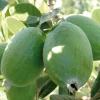
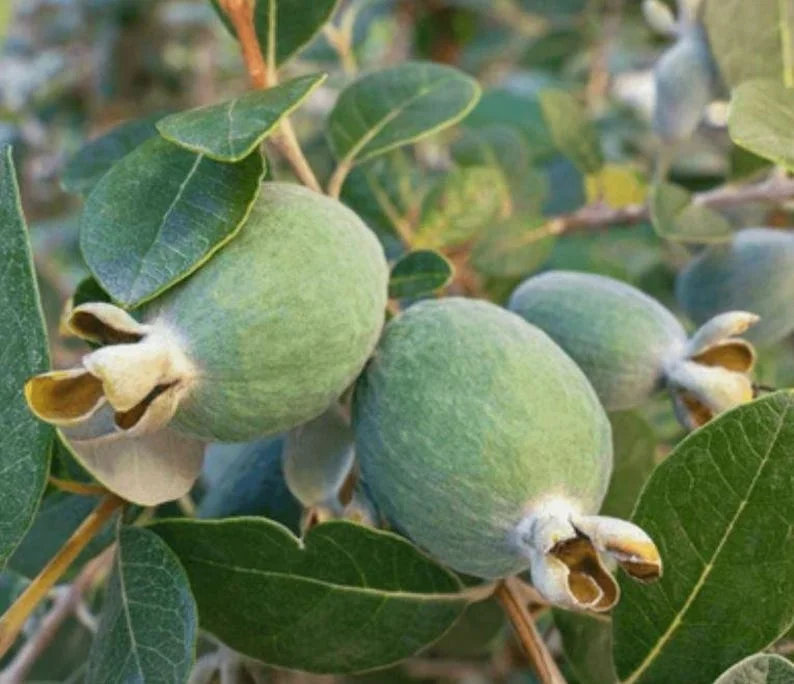
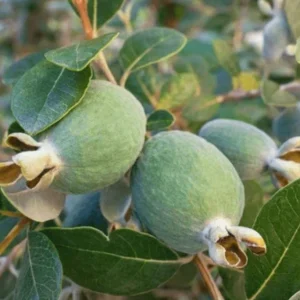
Introduce a unique and rewarding addition to your garden with the pineapple guava live plant. Also known by its botanical name, Feijoa Sellowiana, this exceptional evergreen shrub is celebrated for its dual appeal: ornamental beauty and delicious, aromatic fruit. Originating from South America, the pineapple guava thrives in a variety of climates, making it a surprisingly hardy and adaptable choice for many gardeners. Its striking silver-green foliage and vibrant, exotic-looking flowers add year-round interest to any landscape, while the sweet, tangy fruit, reminiscent of pineapple, guava, and mint, provides a delightful harvest. Whether you’re looking to create an edible hedge, a standalone specimen, or simply enjoy fresh, homegrown fruit, this pineapple guava live plant is an outstanding selection.
The Feijoa Sellowiana is a robust and relatively low-maintenance plant, making it suitable for both experienced gardeners and those new to growing fruit-bearing shrubs. Its resilience and attractive appearance ensure it will be a cherished part of your outdoor space for years to come. With proper care, your pineapple guava live plant will yield abundant fruit and provide continuous visual pleasure, enhancing the biodiversity and aesthetic of your garden. Discover the joy of growing your own exotic fruit with this versatile and beautiful plant.
Key Benefits
The pineapple guava live plant offers a multitude of benefits that extend beyond its delicious fruit, making it a valuable asset to any garden:
-
Delicious Edible Fruit: Enjoy a unique and flavorful fruit with notes of pineapple, guava, and mint. The fruit is rich in Vitamin C and antioxidants, perfect for eating fresh, in smoothies, or baked goods.
-
Ornamental Evergreen Foliage: This plant provides year-round beauty with its distinctive silver-green leaves, offering continuous visual interest even in winter. It’s an excellent choice for an edible landscape shrub that looks good all year.
-
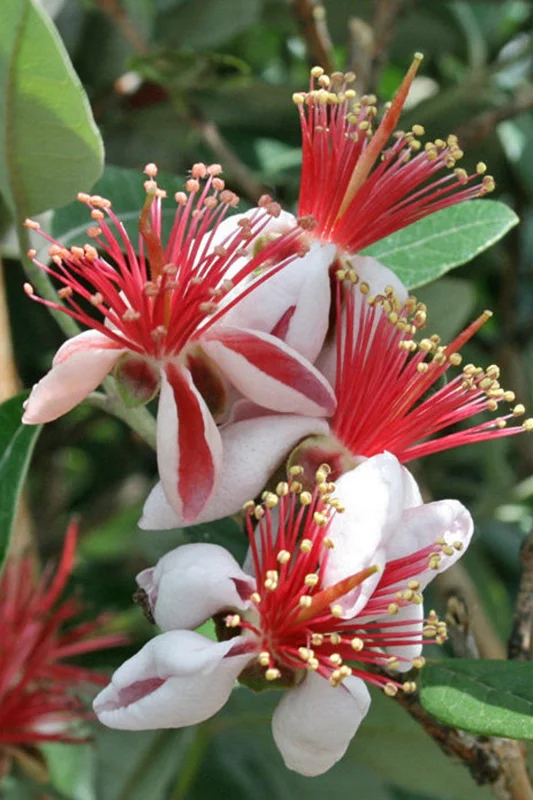
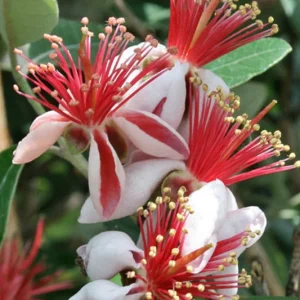
Attractive Flowers: In spring, the plant produces beautiful, exotic-looking flowers with fleshy white petals and vibrant red stamens. The petals are also edible and have a sweet taste.
-
Drought Tolerance: Once established, the Feijoa Sellowiana is remarkably drought-tolerant, making it a water-wise choice for many regions and a low-maintenance option for busy gardeners.
-
Versatile Landscaping Use: Ideal for creating attractive hedges, screens, or as a standalone specimen plant. Its dense growth habit provides excellent privacy and wind protection.
-
Pest and Disease Resistant: This hardy fruit plant is generally resistant to most common pests and diseases, reducing the need for chemical treatments and making it easier to care for organically.
-
Adaptable to Various Soils: While it prefers well-draining soil, the pineapple guava can adapt to a range of soil types, including sandy or clay soils, as long as drainage is adequate.
Plant Care & Growing Tips
Caring for your pineapple guava live plant is relatively straightforward, ensuring you’ll enjoy its beauty and bounty for years to come. The Feijoa Sellowiana thrives in full sun, meaning it needs at least 6-8 hours of direct sunlight per day to produce the best fruit and maintain dense foliage. While it can tolerate partial shade, fruit production may be reduced. For outdoor planting, choose a location with good air circulation.
Watering is crucial, especially during the establishment phase. Water deeply and regularly to keep the soil consistently moist but never waterlogged. Once established, this hardy fruit plant becomes quite drought-tolerant, requiring less frequent watering, though supplemental irrigation during prolonged dry spells will benefit fruit quality and yield. The ideal soil for a guava plant care regimen is well-draining, fertile loam with a slightly acidic to neutral pH (6.0-7.0). Amend heavy clay soils with compost or organic matter to improve drainage and aeration. Fertilize in early spring with a balanced slow-release fertilizer or an organic fruit tree fertilizer to support healthy growth and fruit development. Avoid over-fertilizing, which can lead to excessive foliage at the expense of fruit.
Pruning should be done in late winter or early spring to shape the plant, remove dead or crossing branches, and encourage better air circulation and fruit production. The pineapple guava can be trained as a small tree or maintained as a dense shrub or hedge. It is generally hardy in USDA Zones 8-10, tolerating temperatures down to about 15°F (-9°C). In colder zones, it can be grown in containers and brought indoors during winter. Keep an eye out for occasional pests like scale insects or fruit flies, though the plant is largely resistant. Proper cultural practices, including good sanitation and appropriate watering, are key to preventing most issues. Following these guava plant care tips will help your plant flourish.
Size & Details
This offering is for a healthy pineapple guava live plant, typically measuring 12-16 inches in height from the top of the soil. It comes securely planted in a half-gallon nursery pot, providing a well-established root system ready for transplanting into your garden or a larger container. The plant exhibits a moderate growth rate, eventually reaching an average mature height of 10-15 feet and a spread of 10-15 feet if left unpruned, making it a substantial edible landscape shrub. However, it responds very well to pruning and can be maintained at a smaller size or shaped into a dense hedge. Expect the first significant fruit production to begin 2-3 years after planting, with increasing yields as the plant matures. The fruit typically ripens in late fall to early winter, developing a distinct aromatic fragrance when ready for harvest. This Feijoa Sellowiana is a robust specimen, carefully nurtured to ensure a smooth transition to your home garden.
Frequently Asked Questions
-
Q: How big does this plant get? A: This pineapple guava live plant typically reaches a mature height and spread of 10-15 feet if left unpruned. However, it can be easily maintained at a smaller size through regular pruning, making it versatile for various garden spaces.
-
Q: What size pot does it come in? A: Your Feijoa Sellowiana will arrive in a half-gallon nursery pot, with the plant itself measuring approximately 12-16 inches tall from the soil line. This size provides a strong root system for successful transplanting.
-
Q: Is this an indoor or outdoor plant? A: The pineapple guava live plant is primarily an outdoor shrub, best suited for USDA Zones 8-10. It can be grown in containers and moved indoors during winter in colder climates, but it thrives outdoors.
-
Q: How much sunlight does it need? A: For optimal growth and fruit production, this hardy fruit plant requires at least 6-8 hours of direct sunlight per day. It can tolerate partial shade, but fruit yield may be reduced.
-
Q: Is this plant easy to care for? A: Yes, the pineapple guava live plant is considered relatively low-maintenance once established. It’s drought-tolerant and generally resistant to pests and diseases, making guava plant care quite manageable for most gardeners.
-
Q: What condition will it arrive in? A: Your plant will arrive healthy and well-rooted in its nursery pot, carefully packaged to ensure minimal stress during transit. We take great care to protect the foliage and soil integrity.
-
Q: Can I use the fruit for cooking? A: Absolutely! The fruit of the Feijoa Sellowiana is delicious eaten fresh, and can also be used in jams, jellies, pies, smoothies, and other culinary creations. Its unique flavor profile adds an exotic touch to many dishes.
-
Q: How long until it blooms and fruits? A: You can expect this edible landscape shrub to start blooming in spring, with significant fruit production typically beginning 2-3 years after planting. Fruit usually ripens in late fall to early winter.
-
Q: Will it survive winter in my zone? A: The pineapple guava live plant is hardy in USDA Zones 8-10, tolerating temperatures down to around 15°F (-9°C). If you are in a colder zone, consider growing it in a container and providing winter protection indoors.
-
Q: Is it self-pollinating? A: While some varieties are self-fertile, planting two or more pineapple guava live plants generally leads to better cross-pollination and significantly higher fruit yields. Check the specific variety for self-fertility.


Reviews
There are no reviews yet.