Overview
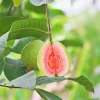
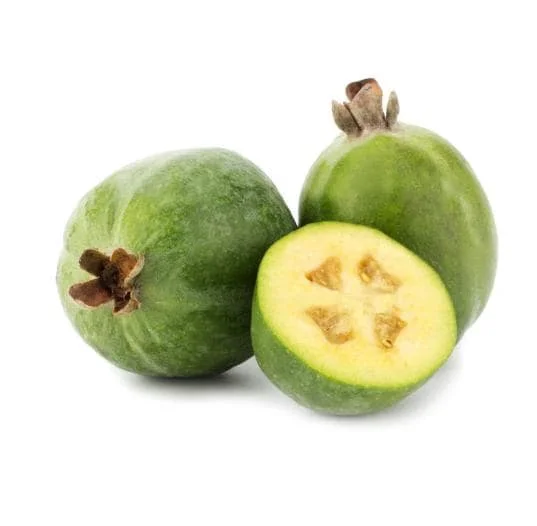
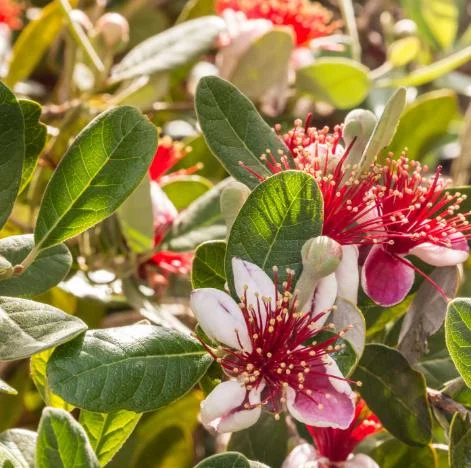
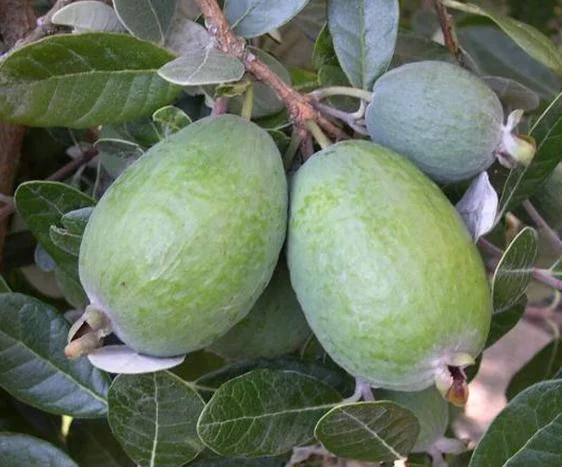
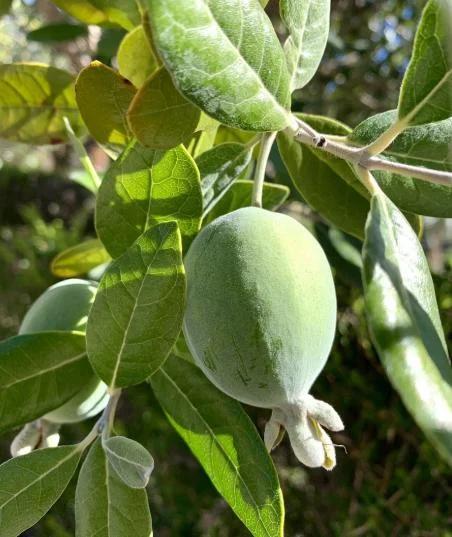
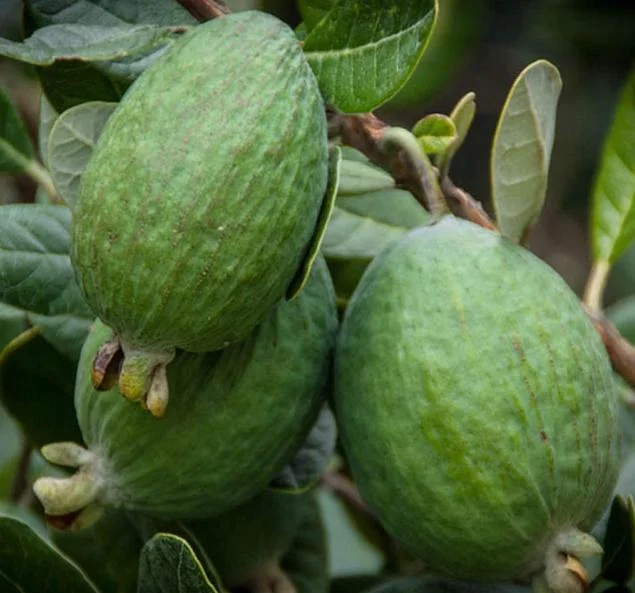
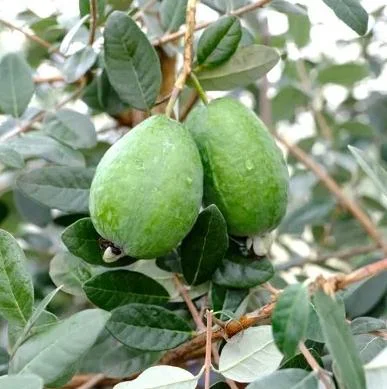
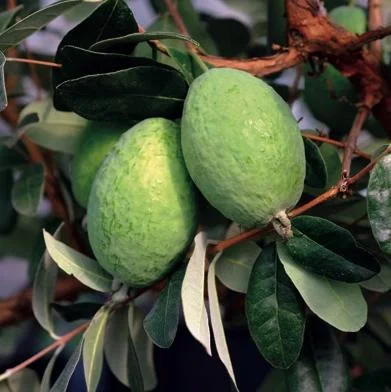
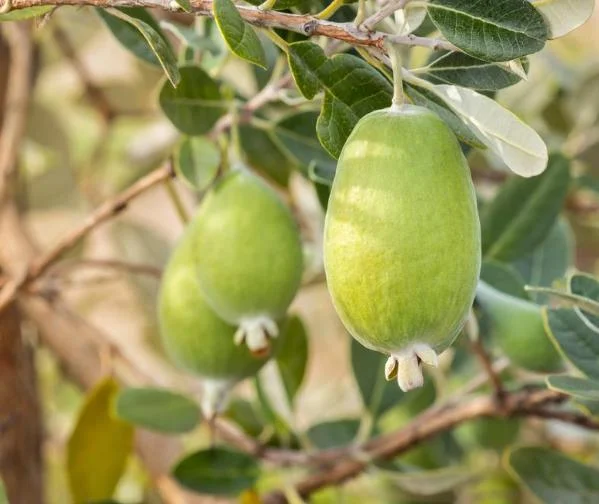
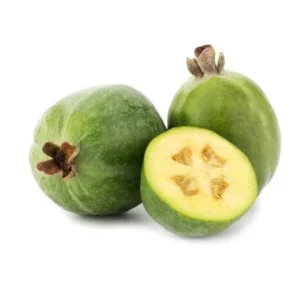
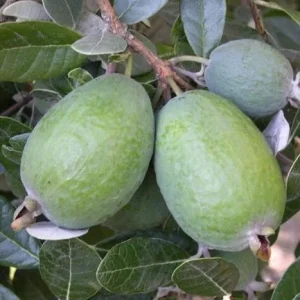
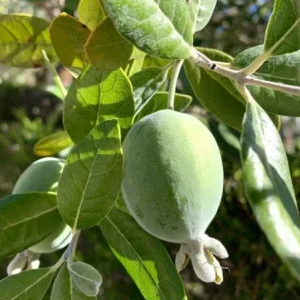
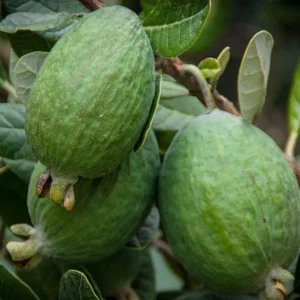
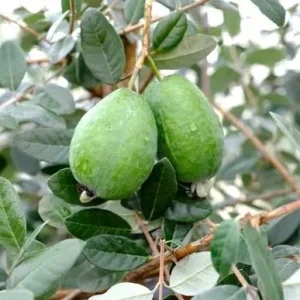
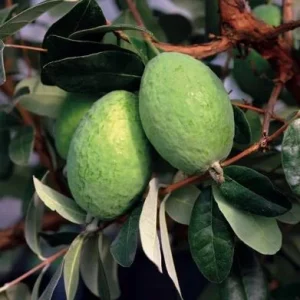
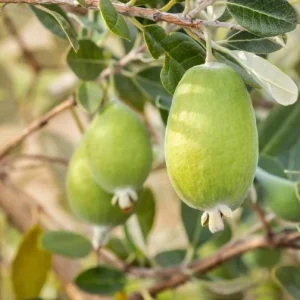
Bring the exotic taste of the tropics to your backyard with the pineapple guava live plant. Known botanically as Feijoa Sellowiana, this remarkable plant is a multi-stemmed shrub or small tree celebrated for its unique, guava-like edible fruits and striking silvery-green, oval-shaped evergreen leaves. While not directly related to common guava, both belong to the myrtle family, sharing a similar allure. This slow-growing beauty offers a delightful display of pink, red, and white flowers in the spring, followed by its distinctive tropical-tasting fruits that ripen in the fall. Ideal for outdoor gardens, the pineapple guava live plant thrives with full sun, well-drained soil, and consistent moisture, promising a rewarding harvest and year-round visual interest.
Whether you’re an experienced gardener or just starting, growing a pineapple guava live plant is a fantastic way to enjoy fresh, home-grown fruit. It’s a robust and adaptable shrub that brings both ornamental beauty and culinary delight. The plant’s evergreen foliage ensures your garden remains vibrant even during cooler months, making it a valuable addition to any landscape design. Embrace the joy of nurturing your own fruit-bearing plant and savor the sweet, aromatic flavor of fresh pineapple guavas straight from your garden.
Key Benefits
The pineapple guava live plant offers a multitude of benefits, making it an excellent choice for a wide range of gardeners. From its aesthetic appeal to its delicious fruit production, this plant is a true garden gem.
- Delicious Edible Fruit: Enjoy fresh, tropical-tasting fruits directly from your garden in the fall. The fruit of the feijoa sellowiana is rich in flavor and can be used in various culinary applications, from eating fresh to making jams and desserts.
- Attractive Evergreen Foliage: The silvery, oval-shaped leaves provide year-round visual interest, making it a beautiful addition to any landscape, even when not in bloom or fruit.
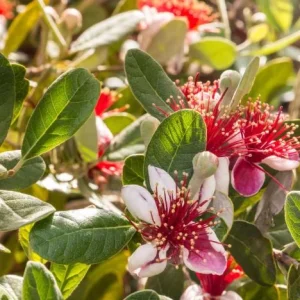
- Showy Spring Blooms: Delicate pink, red, and white flowers emerge in spring, adding a splash of color and attracting pollinators to your garden. These blossoms are not only beautiful but also edible.
- Low Maintenance: Once established, the pineapple guava live plant is relatively easy to care for, requiring consistent moisture and full sun to thrive. It’s a resilient shrub that rewards minimal effort with abundant beauty and fruit.
- Versatile Landscape Plant: Can be grown as a specimen plant, a hedge, or even in large containers, offering flexibility in garden design. Its adaptability makes it a popular outdoor fruit shrub choice.
- Drought Tolerant: While preferring consistent moisture, mature plants show good drought tolerance, making them suitable for various climates, particularly in USDA Zones 8 to 10.
- Unique Flavor Profile: The fruit’s unique blend of pineapple, apple, and mint flavors sets it apart, offering a distinctive taste experience not commonly found in stores.
Plant Care & Growing Tips
Proper care is essential for ensuring your pineapple guava live plant flourishes and produces abundant fruit. This hardy shrub is relatively forgiving but will perform best with attention to its specific needs regarding light, water, and soil. For optimal growth and fruit production, understanding guava tree care is crucial.
The feijoa sellowiana requires full sun exposure, meaning at least 6-8 hours of direct sunlight per day. Choose a location in your garden that receives ample sun throughout the day. While it can tolerate some partial shade, fruit production will be significantly reduced. This plant thrives in well-drained soil. Avoid heavy, waterlogged soils, as this can lead to root rot. A sandy loam or loamy soil with a slightly acidic to neutral pH (6.0-7.0) is ideal. Incorporating organic matter into the soil upon planting can improve drainage and fertility. Consistent moisture is vital, especially during establishment and fruiting periods. Water deeply and regularly, allowing the top inch or two of soil to dry out between waterings. Reduce watering frequency in cooler months.
The ideal temperature range for the pineapple guava live plant is between 65°F and 85°F. It is hardy in USDA Zones 8 to 10, meaning it can tolerate winter temperatures down to about 10-15°F. In colder regions, it can be grown in containers and brought indoors during winter or treated as an annual. Fertilize your plant in early spring with a balanced, slow-release fertilizer formulated for fruit trees or shrubs. Follow the product’s instructions for application rates. Pruning should be done in late winter or early spring to shape the plant, remove dead or damaged branches, and encourage air circulation and fruit production. Common problems include scale insects and fruit flies, which can be managed with appropriate organic or chemical controls. Ensure good air circulation to prevent fungal issues.
Size & Details
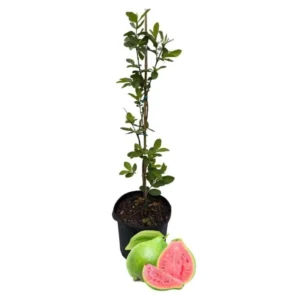
This offering is for a vibrant pineapple guava live plant, which will arrive ready for planting in your garden. Each plant typically measures 5 to 6 inches tall, providing a healthy start for establishing your own fruit-bearing shrub. It is shipped without a pot, carefully prepared to ensure its health during transit, and will require immediate planting upon arrival. The feijoa sellowiana is a slow-growing tree or multi-stemmed shrub that can eventually reach heights of 10 to 15 feet and a similar spread if left unpruned. Its growth rate allows for easy management and shaping in the landscape. Expect the plant to establish itself well within the first growing season, with flowering typically beginning after 2-3 years, and fruit production following shortly thereafter.
The tropical-tasting fruits typically ripen in the fall, offering a delightful harvest after the spring bloom. This plant is well-suited for outdoor cultivation in USDA Zones 8 to 10. When mature, the plant forms a dense, evergreen canopy that provides excellent screening or an attractive focal point in your garden. Its adaptable nature makes it a valuable addition for both ornamental beauty and culinary rewards. Consider its mature size and spread when selecting a planting location to ensure it has ample space to thrive and showcase its full potential as an outdoor fruit shrub.
Frequently Asked Questions
- Q: How big does this pineapple guava live plant get? A: This pineapple guava live plant is shipped at 5-6 inches tall. When mature, it can grow to a height of 10-15 feet and a similar spread, though its slow growth allows for easy pruning to maintain a desired size and shape.
- Q: Is this an indoor or outdoor plant? A: The feijoa sellowiana is primarily an outdoor plant, thriving in garden settings. It is hardy in USDA Zones 8 to 10. In colder climates, it can be grown in large containers and brought indoors during winter.
- Q: How much sunlight does the pineapple guava live plant need? A: This plant requires full sun, meaning at least 6-8 hours of direct sunlight per day, to ensure optimal growth and fruit production. Less sun may result in fewer flowers and fruits.
- Q: Is this plant easy to care for? A: Yes, the pineapple guava live plant is considered relatively easy to care for, especially once established. It needs consistent moisture, well-drained soil, and full sun. Regular pruning helps maintain its shape and fruit yield.
- Q: What condition will the feijoa sellowiana arrive in? A: Your feijoa sellowiana plant will arrive as a healthy, live plant, approximately 5-6 inches tall, shipped without a pot. It will be carefully packaged to ensure its well-being during transit and ready for immediate planting.
- Q: When is the best time to plant a pineapple guava? A: The best time to plant your pineapple guava live plant is in the spring or early fall, allowing it sufficient time to establish its root system before extreme summer heat or winter cold.
- Q: Can I use the fruit from this outdoor fruit shrub in cooking? A: Absolutely! The fruit of the outdoor fruit shrub is delicious eaten fresh, and can also be used in jams, jellies, pies, smoothies, and other desserts, offering a unique tropical flavor.
- Q: What kind of soil does this plant prefer? A: This plant prefers well-drained soil, ideally a sandy loam or loamy soil. It’s important to avoid heavy, waterlogged conditions to prevent root issues.
- Q: What is the USDA hardiness zone for guava tree care? A: For effective guava tree care, it’s important to know the plant is hardy in USDA Zones 8 to 10, meaning it can withstand winter temperatures down to about 10-15°F.
- Q: How long until the pineapple guava starts to bear fruit? A: Typically, a pineapple guava live plant will start to produce fruit within 2-3 years after planting, provided it receives adequate care and growing conditions.


Reviews
There are no reviews yet.