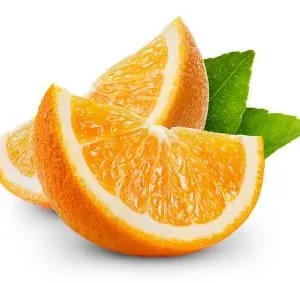
Overview
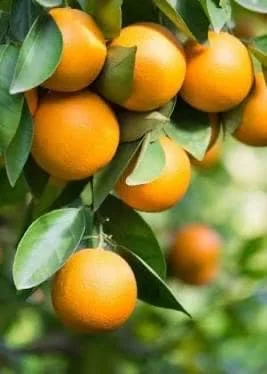
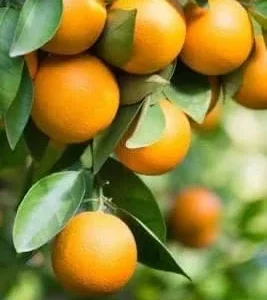
Introduce a touch of the exotic to your garden or patio with a vibrant pineapple orange tree live plant. This particular variety is celebrated for its exceptionally sweet and juicy fruits, offering a delightful citrus experience right from your own backyard. Grafted for superior growth and fruit production, this young tree is ready to establish itself and begin its journey towards bearing delicious oranges. Standing at a convenient 2-3 feet tall and nurtured in a substantial 3 gallon pot, it arrives as a robust specimen, perfectly sized for immediate planting or transplanting into a larger container. The Pineapple Orange, a popular sweet orange variety, is known for its rich flavor and aromatic zest, making it a favorite among citrus enthusiasts.
Cultivating your own citrus provides immense satisfaction, and this grafted orange tree makes the process accessible and rewarding. Whether you’re an experienced gardener or just starting out, this tree offers an opportunity to grow fresh, delicious fruit. Its attractive foliage and fragrant blossoms add ornamental value long before the harvest, creating a beautiful focal point in any setting. This live plant is a testament to quality, ensuring you receive a healthy, vigorous tree poised for success.
Key Benefits
A pineapple orange tree live plant offers a multitude of benefits, from its aesthetic appeal to the bountiful harvest it provides. Investing in one of these trees enriches your home and garden in several ways:
- Fresh, Sweet Fruit: Enjoy a consistent supply of delicious, juicy oranges with a distinctive sweet flavor. Homegrown fruit often surpasses store-bought in freshness and taste, providing a truly gourmet experience.
- Ornamental Value: With its glossy green leaves, fragrant white blossoms, and vibrant orange fruits, this tree is a beautiful addition to any landscape, patio, or even a large indoor space. It adds year-round visual interest.
- Air Purification: Like many live plants, the sweet orange tree contributes to healthier indoor air quality by absorbing carbon dioxide and releasing oxygen, while also filtering certain pollutants.
- Gardening Satisfaction: There’s immense joy and satisfaction in nurturing a plant from its early stages to fruit-bearing maturity. It’s a rewarding hobby that connects you with nature.
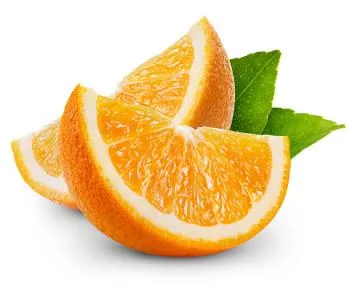
- Culinary Versatility: The sweet pineapple oranges can be used in countless ways – fresh eating, juicing, baking, marmalades, and as a flavorful addition to savory dishes.
- Potential for Indoor Growing: In colder climates, this 3 gallon citrus plant can be successfully grown in a large container and brought indoors during winter, allowing you to enjoy fresh oranges even when temperatures drop.
- Long-Term Investment: A well-cared-for citrus tree can produce fruit for many years, becoming a lasting source of fresh produce and beauty.
Plant Care & Growing Tips
Caring for your pineapple orange tree live plant will ensure it thrives and produces abundant fruit. Citrus trees generally prefer warm climates and plenty of sunshine. For optimal growth, choose a location that receives at least 6-8 hours of direct sunlight daily. If growing indoors, place it near a south-facing window or supplement with a grow light. Good air circulation is also beneficial to prevent fungal diseases.
Watering should be consistent but not excessive. Allow the top 1-2 inches of soil to dry out between waterings. Overwatering is a common killer of citrus trees, so ensure your pot has excellent drainage if container growing. A well-draining soil mix specifically formulated for citrus or a general potting mix amended with perlite or sand is ideal. Fertilize your sweet orange tree regularly during the growing season (spring through fall) with a balanced citrus-specific fertilizer, following the product instructions carefully. Ensure the fertilizer contains essential micronutrients like iron, zinc, and manganese.
Citrus trees are sensitive to cold and are best suited for USDA Zones 9-11 if planted outdoors. If you live in a colder region, it’s best to grow your grafted orange tree in a container that can be moved indoors when temperatures drop below 40°F (4°C). Protect young trees from strong winds. Pruning should be done to maintain shape, remove dead or crossing branches, and encourage fruit production. Pests like aphids, scale, and spider mites can be managed with horticultural oil or insecticidal soap. Regularly inspect your plant for any signs of distress and address issues promptly to keep your growing pineapple oranges healthy.
Size & Details
This offering is for one healthy pineapple orange tree live plant, meticulously grafted for superior quality and fruit yield. The tree measures approximately 2-3 feet tall from the base of the pot to the top of the foliage, providing a significant head start for gardeners. It arrives pre-potted in a sturdy 3 gallon nursery pot, complete with nutrient-rich soil, ensuring minimal transplant shock. This size is ideal for immediate planting into the ground in suitable climates or for transplanting into a larger decorative container for patio or indoor cultivation. Expect vigorous growth once established, with the potential for fruit production within a few years, depending on care and environmental conditions. The grafting process ensures the tree will produce true-to-type Pineapple Oranges.
The robust root system developed in the 3 gallon citrus plant allows for a smooth transition to its new home. This size also offers a good balance between manageability and maturity, making it an excellent choice for those eager to begin growing pineapple oranges. The tree ships securely to ensure it arrives in excellent condition, ready for its next stage of growth in your care.
Frequently Asked Questions
- Q: How big will this pineapple orange tree get? A: When mature, a pineapple orange tree live plant can reach heights of 10-15 feet if planted in the ground. If grown in a container, its size can be managed through pruning, typically staying within 6-10 feet.
- Q: Is this an indoor or outdoor plant? A: This grafted orange tree can be grown outdoors in USDA Zones 9-11. In colder climates, it is best grown in a container and brought indoors during the winter months to protect it from frost.
- Q: How much sunlight does a pineapple orange tree need? A: Your sweet orange tree requires at least 6-8 hours of direct sunlight per day to thrive and produce fruit optimally. Choose a sunny location outdoors or a bright, south-facing window indoors.
- Q: Is this plant easy to care for? A: Citrus trees require consistent care regarding sunlight, watering, and fertilization, but they are generally considered moderately easy to care for, especially for those with some gardening experience. Beginners can succeed with proper attention to its needs.
- Q: What condition will it arrive in? A: Your 3 gallon citrus plant will arrive as a healthy, live tree, securely packaged in its nursery pot with soil. We take great care to ensure it arrives ready to thrive.
- Q: How long until it starts producing fruit? A: Since this is a grafted tree, it is more mature than a seedling. You can generally expect your tree to start producing fruit within 2-3 years, sometimes even sooner under ideal conditions.
- Q: What is the best time for planting this tree? A: The best time to plant your pineapple orange tree live plant is in the spring or early summer after the last chance of frost has passed. This allows the tree ample time to establish its root system before extreme weather.
- Q: Can I grow this tree in a pot indefinitely? A: Yes, you can successfully grow your grafted orange tree in a pot indefinitely. As it grows, you will need to repot it into progressively larger containers, eventually reaching a minimum of a 15-20 gallon pot for mature size.
- Q: What kind of soil is best for growing pineapple oranges? A: Citrus trees prefer well-draining, slightly acidic to neutral soil (pH 6.0-7.0). A good quality potting mix specifically formulated for citrus or a blend of potting soil, perlite, and compost works well.
- Q: Is this tree susceptible to many pests? A: Like all citrus, this tree can be susceptible to common citrus pests such as aphids, scale, and spider mites. Regular inspection and prompt treatment with organic solutions like neem oil or insecticidal soap can effectively manage them.


Reviews
There are no reviews yet.