Overview
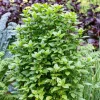
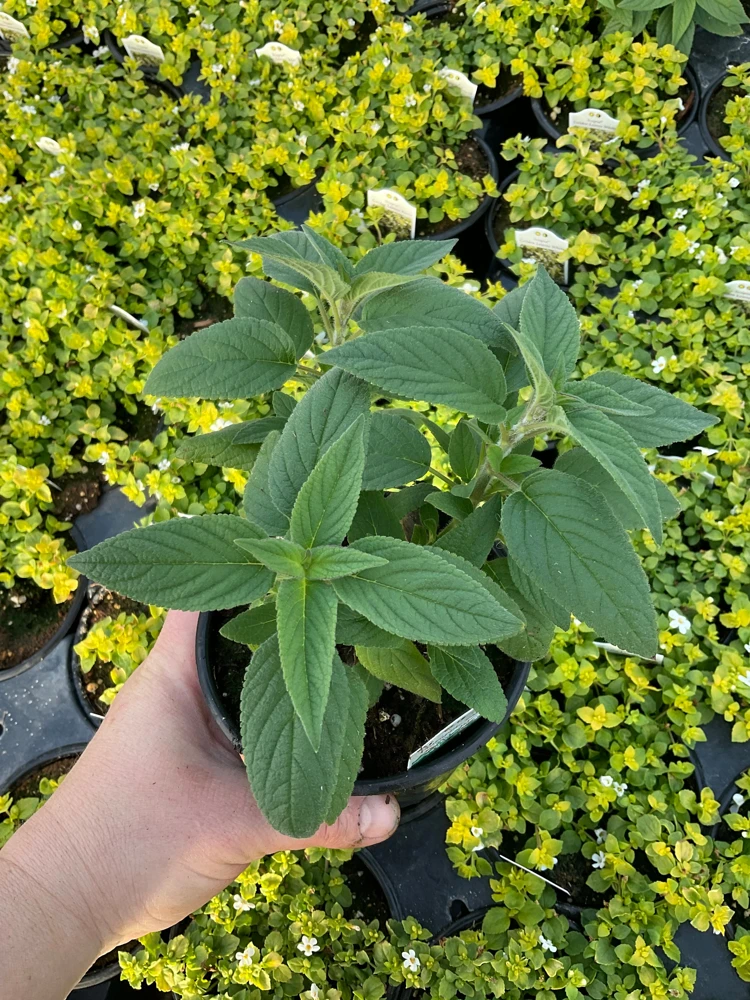
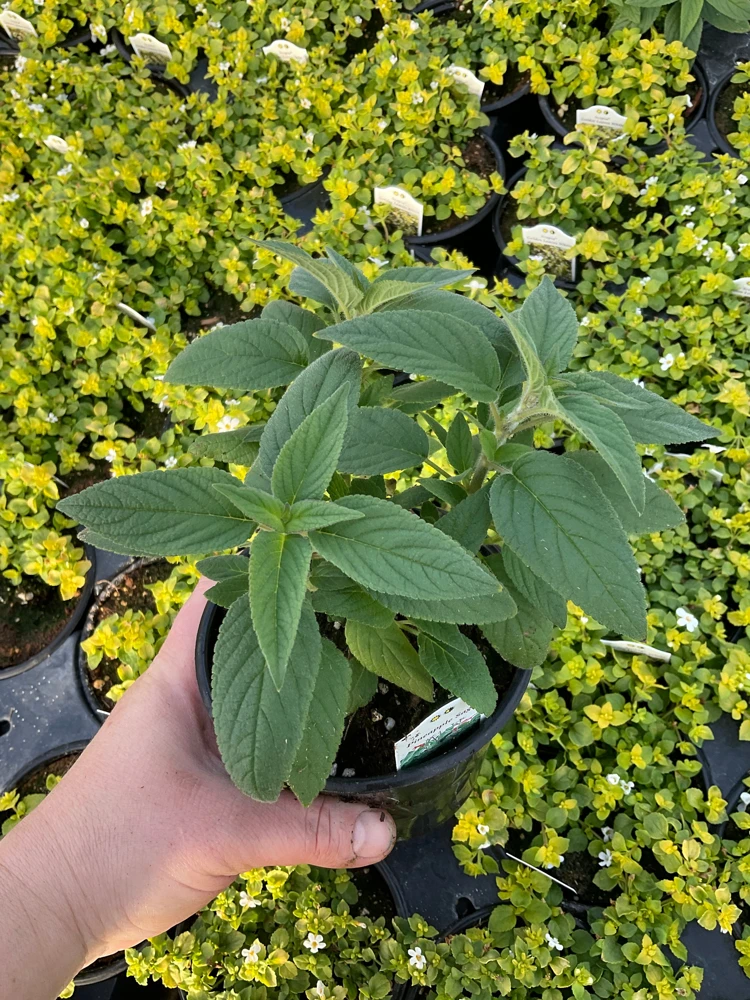
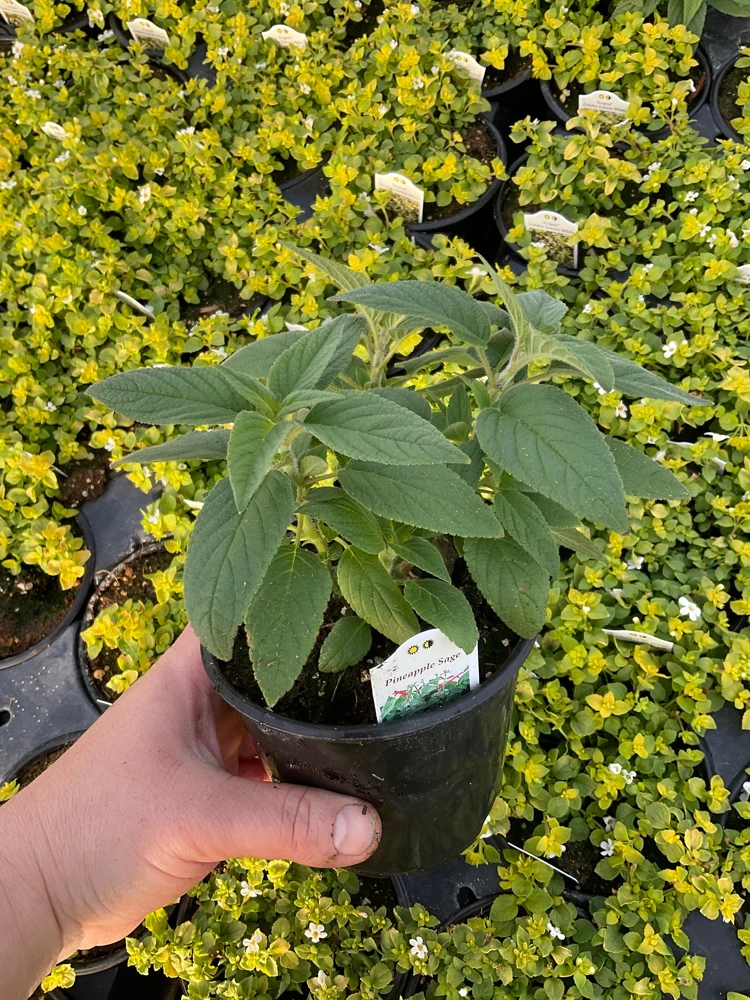
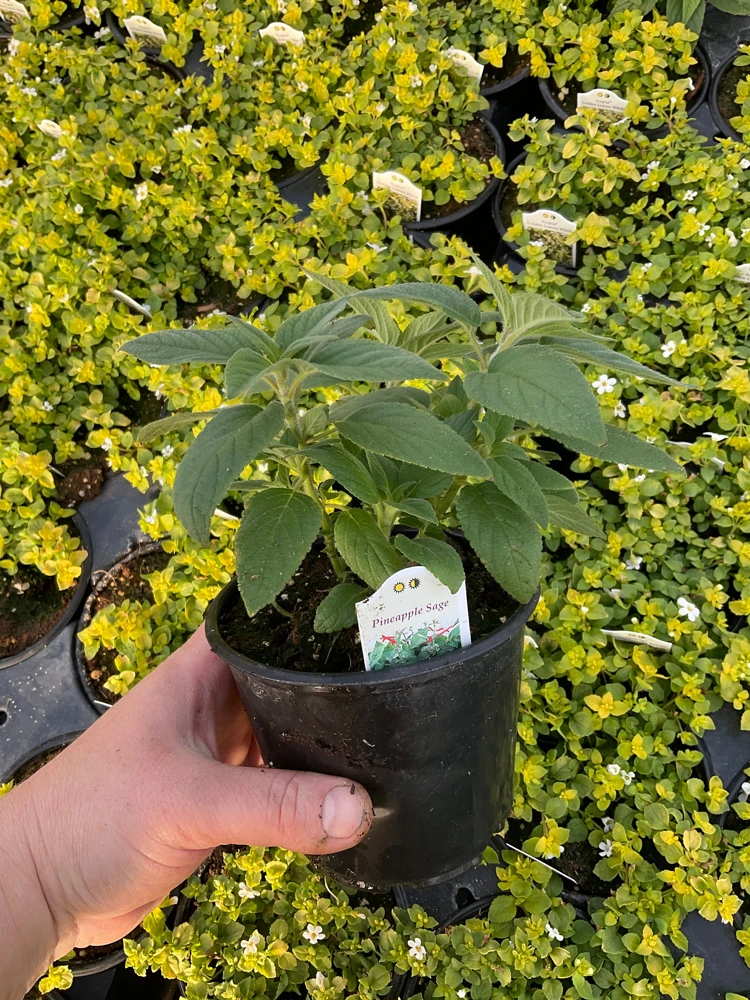
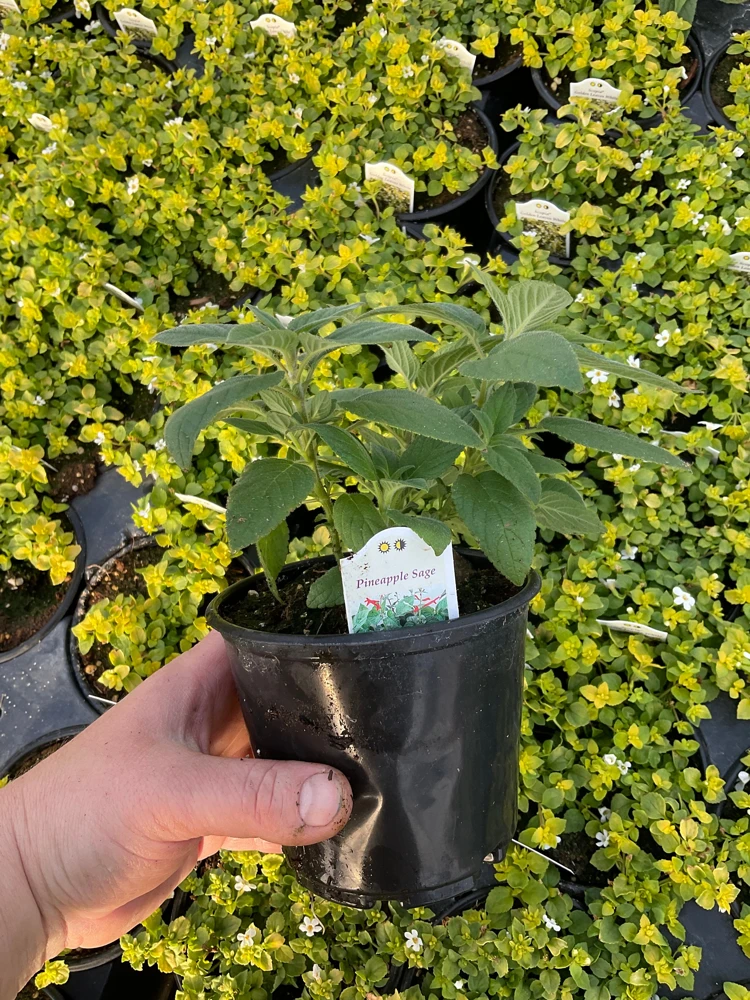
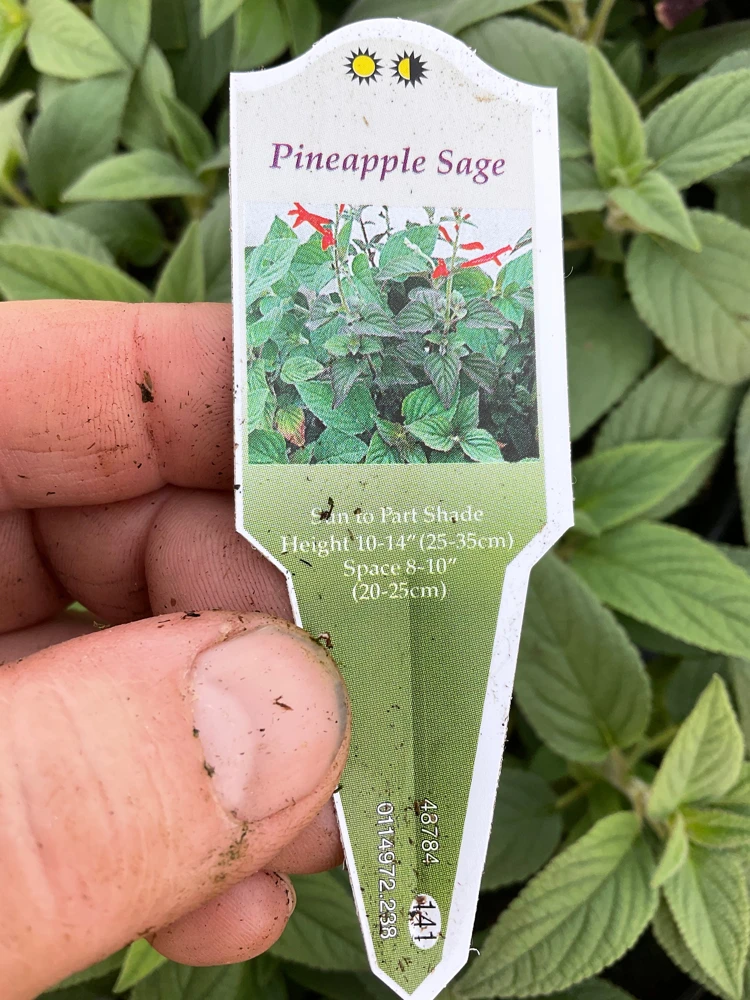
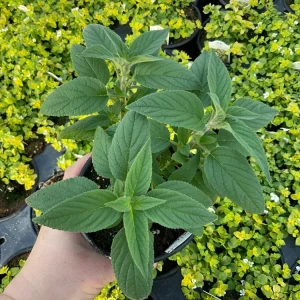
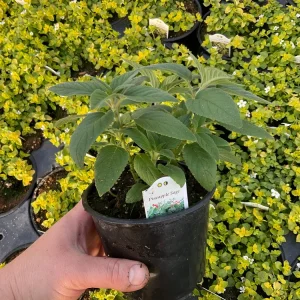
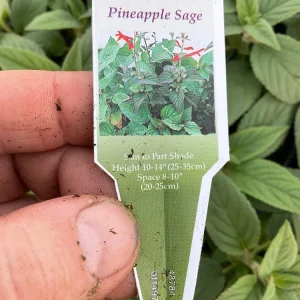
Bring the unique tropical fragrance of the pineapple sage live plant into your garden or kitchen. This captivating herb, scientifically known as Salvia rutilans, is celebrated for its bright green leaves that release a distinct, sweet pineapple scent when brushed or crushed. More than just a fragrant addition, pineapple sage live plant is also a beautiful ornamental, boasting vibrant red, tubular flowers that emerge in late summer to fall, providing a crucial nectar source for hummingbirds and butterflies. Originating from Mexico and Guatemala, this tender perennial thrives in warm climates and can be grown as an annual in cooler regions or brought indoors for winter protection. It’s an essential plant for any herb garden, pollinator garden, or culinary enthusiast looking to add a unique flavor profile to their dishes.
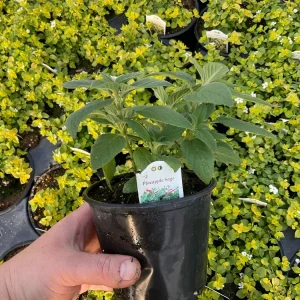
Our salvia rutilans plant arrives as a healthy, well-established specimen, ready to be transplanted and flourish in your chosen spot. Its vigorous growth and striking appearance make it a favorite among gardeners. Whether you’re an experienced green thumb or a budding enthusiast, this fragrant sage offers a rewarding growing experience and a bounty of aromatic leaves and beautiful blooms.
Key Benefits
The pineapple sage live plant offers a multitude of benefits, from its culinary versatility to its garden appeal, making it a valuable addition to any home. Its unique characteristics provide both aesthetic pleasure and practical uses.
- Distinctive Pineapple Aroma: Enjoy the unmistakable sweet, fruity fragrance of fresh pineapple emanating from the leaves. This delightful scent makes it a joy to brush past in the garden and a wonderful aromatic addition to potpourri.
- Culinary Versatility: The fresh leaves can be used to infuse drinks like teas and cocktails, flavor fruit salads, poultry dishes, salsas, and desserts. It’s a unique ingredient that adds a tropical twist to your culinary creations.
- Attracts Pollinators: The bright red flowers are a magnet for hummingbirds, butterflies, and other beneficial pollinators, making your garden a vibrant hub of activity and supporting local ecosystems. Growing a pineapple sage live plant contributes to biodiversity.
- Beautiful Ornamental Plant: With its lush green foliage and striking red blooms, Salvia rutilans adds significant visual appeal to garden beds, borders, and containers, providing color and texture, especially in late season when other plants fade.
- Relatively Easy to Grow: This herb is quite forgiving and requires minimal fuss once established. It tolerates various conditions, making it suitable for gardeners of all skill levels looking for a fragrant herb plant.
- Potential Medicinal Properties: Like many salvias, pineapple sage has been traditionally used in some folk remedies for its potential calming and digestive properties, though further research is ongoing.
- Deer and Rabbit Resistant: The strong aromatic oils in the leaves tend to deter common garden pests like deer and rabbits, helping to protect your garden from unwanted visitors.
Plant Care & Growing Tips
Caring for your pineapple sage live plant is straightforward, ensuring you’ll enjoy its fragrance and beauty for seasons to come. This plant thrives with proper attention to its basic needs, primarily sunlight, water, and soil conditions. For optimal growth and flowering, choose a location that receives ample sunlight.
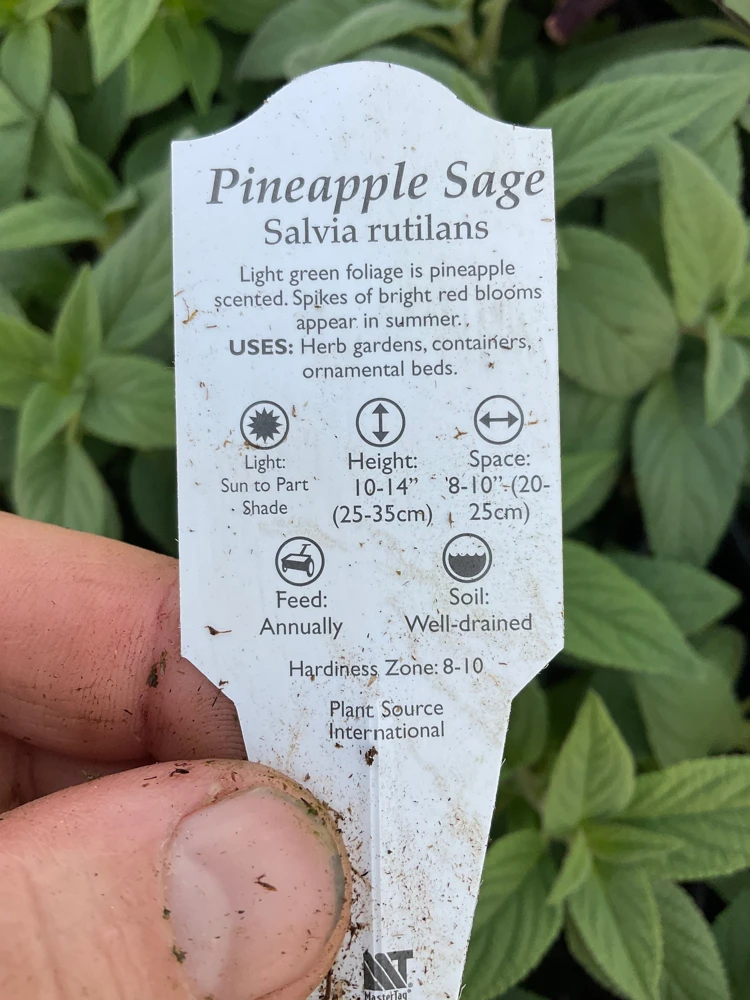
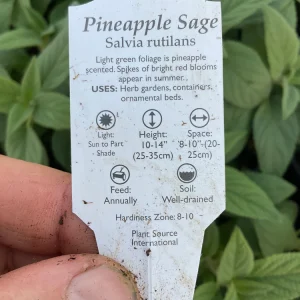
Sunlight:Pineapple sage performs best in full sun, meaning at least 6 hours of direct sunlight per day. In very hot climates, some afternoon shade can be beneficial to prevent leaf scorch. If growing indoors, place it in a south-facing window or under grow lights to ensure it gets enough light. Insufficient light can lead to leggy growth and fewer flowers. Watering: Water regularly, especially during dry periods and when the plant is young. The soil should be kept consistently moist but not waterlogged. Allow the top inch or two of soil to dry out between waterings. Reduce watering slightly in cooler months or if grown indoors during winter. Good drainage is crucial to prevent root rot. Soil: Plant in well-draining soil rich in organic matter. A slightly acidic to neutral pH (6.0-7.0) is ideal. For container planting, use a high-quality potting mix that drains well. Adding compost or well-rotted manure can improve soil structure and fertility. Temperature & Hardiness:Salvia rutilans plant is a tender perennial, hardy in USDA Zones 8-11. In colder zones, it can be grown as an annual or brought indoors before the first frost. It prefers temperatures between 60-80°F (15-27°C). Protect from frost, as it is not cold-hardy. Fertilization: Fertilize sparingly. A balanced liquid fertilizer can be applied monthly during the active growing season (spring and summer) at half strength. Over-fertilizing can lead to lush foliage but fewer flowers. Pruning: Pinch back young plants to encourage bushier growth. Deadhead spent flowers to promote continuous blooming. In late fall or early spring, prune back woody stems to about 6 inches to rejuvenate the plant. This also helps maintain a desirable shape for your culinary sage plant. Pests and Diseases: Pineapple sage is generally pest-resistant. Occasionally, aphids or whiteflies might appear, which can be treated with insecticidal soap. Ensure good air circulation to prevent fungal issues.
Size & Details
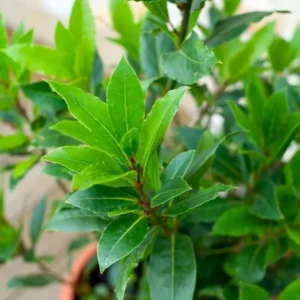
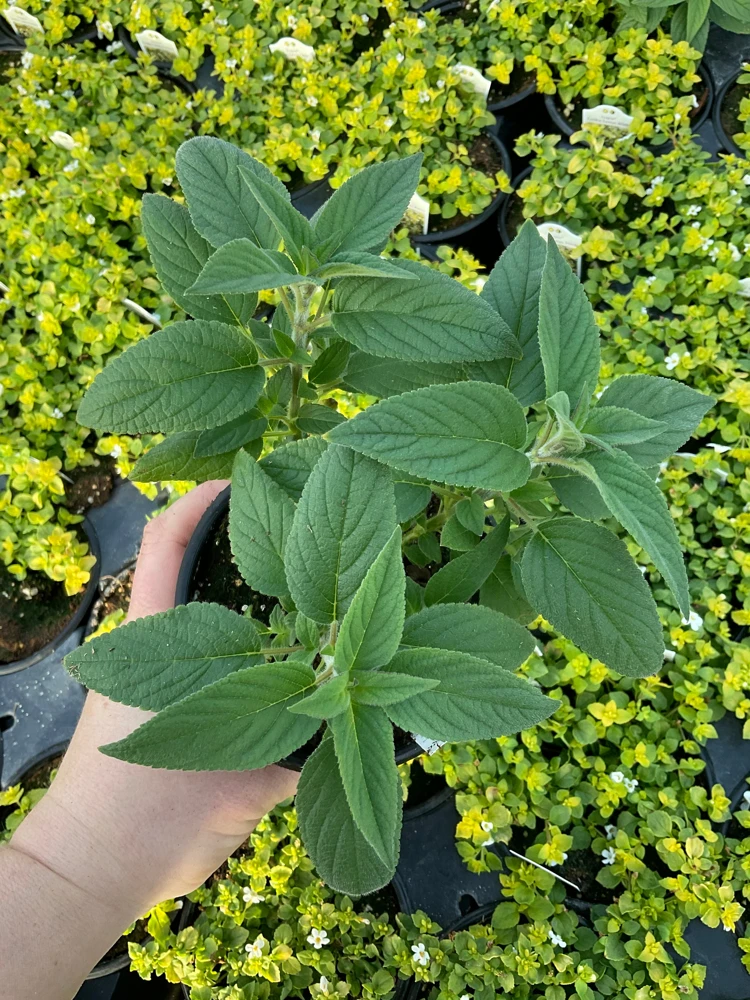
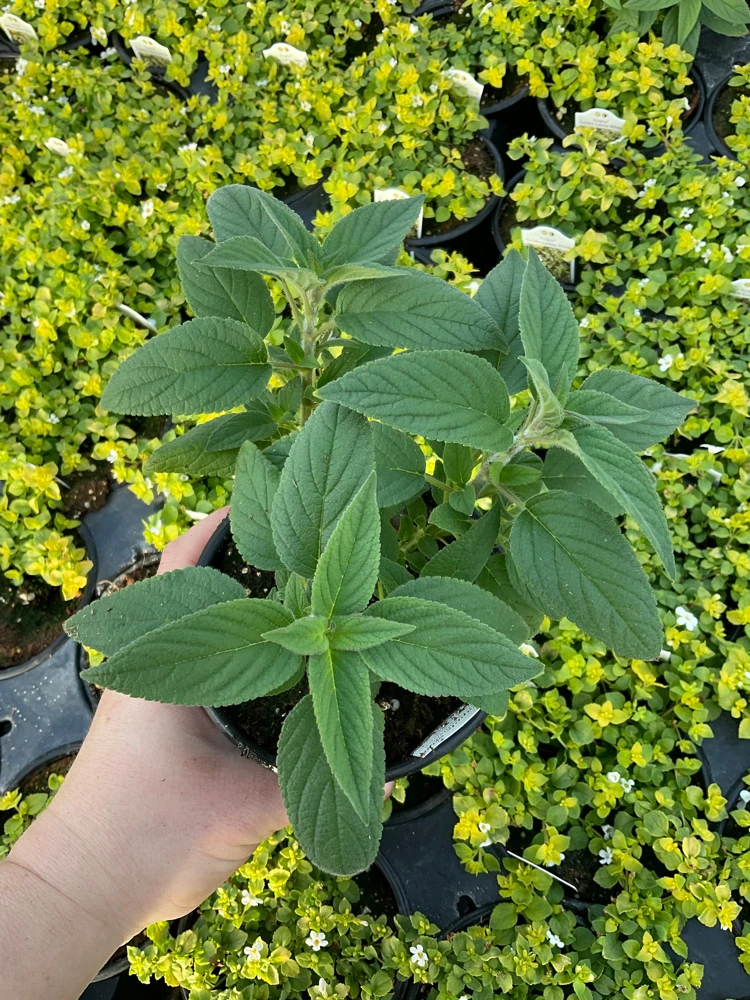
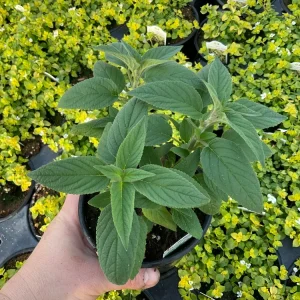
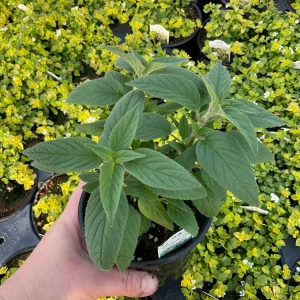
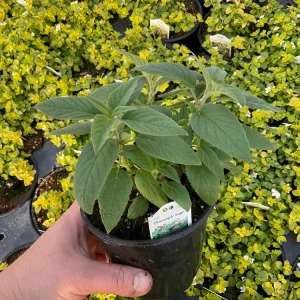
You will receive one healthy pineapple sage live plant, Salvia rutilans, well-established and actively growing in a 4.5-inch plastic nursery pot. This size provides a robust root system, ensuring successful transplanting and quick establishment in your garden or larger container. The plant is typically 6-10 inches tall at the time of shipment, with lush green foliage. Mature pineapple sage care can lead to plants reaching up to 3-5 feet in height and 2-3 feet in width when grown in ideal outdoor conditions, though it will remain smaller in containers.
This vigorous grower has a moderate to fast growth rate, quickly filling out its space. Blooms typically appear from late summer through fall, showcasing striking red flowers. The plant is shipped with care to ensure it arrives in excellent condition, ready to be planted upon arrival. Expect a well-branched plant that is eager to grow and provide its unique fragrance and beauty.
Frequently Asked Questions
- Q: How big does this pineapple sage plant get? A: When mature, pineapple sage live plant can reach heights of 3 to 5 feet and spread 2 to 3 feet wide in optimal outdoor conditions. In containers, it will generally remain smaller, depending on the pot size and pruning.
- Q: What size pot does it come in? A: Your pineapple sage live plant will arrive in a 4.5-inch plastic nursery pot, providing a good foundation for its root system and readiness for transplanting.
- Q: Is this an indoor or outdoor plant? A: Pineapple sage can be grown both indoors and outdoors. It thrives outdoors in full sun in USDA Zones 8-11. In colder climates, it’s best grown as an annual or brought indoors during winter as a houseplant.
- Q: How much sunlight does it need? A: This plant requires at least 6 hours of direct sunlight daily for best growth and flowering. If grown indoors, place it in the brightest window you have, preferably south-facing.
- Q: Is this plant easy to care for? A: Yes, pineapple sage care is relatively easy. It’s a vigorous grower that requires consistent moisture, good drainage, and plenty of sunlight. It’s a great choice for both novice and experienced gardeners.
- Q: What condition will it arrive in? A: Your plant will be carefully packaged and shipped fresh from our greenhouse. It will arrive well-established, healthy, and ready for planting, though it may be a little thirsty from its journey.
- Q: Can I use pineapple sage in cooking? A: Absolutely! The leaves of pineapple sage live plant have a wonderful sweet, fruity flavor that is excellent in fruit salads, drinks, desserts, and even savory dishes like chicken or pork.
- Q: Is it pet-safe? A: While generally considered non-toxic, it’s always best to prevent pets from consuming large quantities of any plant. If you have concerns, consult with your veterinarian.
- Q: How long until it blooms? A: Pineapple sage typically blooms in late summer through fall, producing vibrant red tubular flowers. If grown from a young plant, you can expect blooms in its first growing season if conditions are favorable.
- Q: Will it survive winter in my zone? A: Salvia rutilans plant is hardy in USDA Zones 8-11. In zones colder than 8, it will not survive winter outdoors and should be treated as an annual or brought indoors before the first frost.


Reviews
There are no reviews yet.