Overview
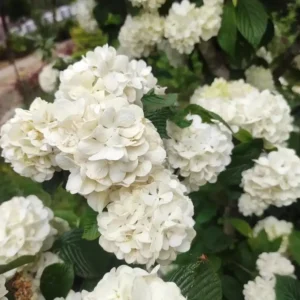
Introducing the magnificent Pink Diamond Hydrangea Paniculata, a truly captivating deciduous shrub that promises to be a showstopper in any garden. This particular offering is a vigorous starter hydrangea plant, approximately 6-8 inches in height, ready to establish itself and bring years of beauty. Known for its robust nature and spectacular floral display, the ‘Pink Diamond’ variety of Hydrangea Paniculata is celebrated for its conical flower clusters that begin as pristine white in summer, gradually transitioning to a deep, rich pink as the season progresses into fall. This dramatic color change provides extended visual interest, making it a favorite among gardeners. Its botanical name, Hydrangea Paniculata, refers to its distinctive panicle-shaped blooms, which are quite different from the rounded mophead hydrangeas. This plant is a fantastic choice for creating stunning borders, hedges, or as a standalone specimen plant, offering both elegance and resilience. The Pink Diamond Hydrangea Paniculata is a well-rooted plant, ensuring a strong start in your garden. It’s an excellent option for those looking to add a reliable and long-blooming shrub that requires relatively low maintenance once established. Its impressive size at maturity and adaptable nature make it suitable for a wide range of landscape designs, from formal gardens to more naturalized settings. Experience the joy of watching these dynamic blooms evolve through the summer and fall, providing continuous color and charm.
Key Benefits
The Pink Diamond Hydrangea Paniculata offers a multitude of benefits, making it an outstanding addition to any outdoor space. Its exceptional beauty and hardiness contribute significantly to a vibrant and thriving garden environment. This starter hydrangea plant will bring lasting beauty.
-
Stunning Color Transformation: Enjoy a prolonged display of color as the large, conical white flowers emerge in summer and gracefully shift to a rich, deep pink by fall, providing continuous visual appeal for months. This unique characteristic ensures your garden remains dynamic and interesting.
-
Robust and Hardy: This deciduous pink hydrangea is remarkably resilient, thriving in USDA Zones 4-9. It can withstand a broad range of temperatures and conditions, making it a reliable choice for many climates across the US.
-
Impressive Garden Presence: Growing up to 10+ feet tall, the ‘Pink Diamond’ creates a significant impact in the landscape. It’s perfect for creating privacy screens, dramatic backdrops, or as a magnificent focal point in your garden design.
-
Low Maintenance: Once established, this Hydrangea Paniculata care is relatively simple. It’s less demanding than some other hydrangea varieties, making it suitable for both experienced gardeners and those new to shrub cultivation.
-
Versatile Landscaping: Its adaptability allows it to be used in various settings, including mixed borders, mass plantings, or as a standalone specimen. The elegant form and changing colors complement a wide array of other plants and garden styles.
-
Attracts Pollinators: The abundant blooms provide a valuable nectar source for bees and other beneficial pollinators, contributing to the biodiversity and health of your garden ecosystem.
Plant Care & Growing Tips
Proper Hydrangea Paniculata care is essential for ensuring your ‘Pink Diamond’ thrives and produces its spectacular blooms. This variety is generally quite forgiving, but a few key practices will help it reach its full potential. For optimal growth, plant your Pink Diamond Hydrangea Paniculata in a location that receives partial shade, especially in hotter climates where intense afternoon sun can scorch the leaves. Morning sun with afternoon shade is ideal, providing enough light for flowering without causing stress. In cooler regions, it can tolerate more sun exposure. Adequate sunlight is crucial for robust flowering, but too much can lead to wilting and reduced bloom quality.
Watering is paramount, especially during the establishment phase and dry spells. This shrub prefers consistently moist, rich soil. Avoid letting the soil dry out completely between waterings, but also ensure good drainage to prevent root rot. Heavy mulching around the base of the plant can help retain soil moisture and regulate temperature. When it comes to soil, a well-draining, fertile loam enriched with organic matter is best. Amend heavy clay soils with compost to improve drainage and aeration. Fertilize in early spring with a balanced slow-release fertilizer formulated for flowering shrubs to encourage vigorous growth and abundant blooms. Pruning should be done in late winter or early spring before new growth begins, as this hydrangea flowers on new wood. Remove any dead, damaged, or weak branches, and shape the plant as desired to maintain its form and promote air circulation. This variety is a hardy zone 4-9 hydrangea, making it adaptable to a wide range of climates.
Watch out for common pests like aphids or spider mites, which can typically be managed with insecticidal soap if infestations occur. Fungal issues are rare with good air circulation and proper watering practices. By following these care tips, your Pink Diamond Hydrangea Paniculata will flourish, providing a stunning display of evolving pink blooms year after year.
Size & Details
This offering is for one Pink Diamond Hydrangea Paniculata live plant, supplied as a well-rooted starter hydrangea plant. At the time of shipping, the plant will be approximately 6-8 inches tall, measured from the soil line. It is typically grown in a 2.5 x 3.5 inch pot, providing a healthy root system ready for transplanting into your garden. This particular variety is a deciduous shrub, meaning it will lose its leaves in the fall and regrow them in the spring. The mature size of the ‘Pink Diamond’ can reach an impressive height of 10 feet or more, with a similar spread, creating a substantial presence in your landscape. Its growth rate is considered moderate, allowing it to establish and grow significantly within a few seasons.
The plant is shipped in its nursery pot to protect the root ball, ensuring it arrives in optimal condition, ready for planting. Expect to see its first significant blooms in its second or third year, with increasing abundance as it matures. The transition of white flowers to a rich pink typically begins in mid to late summer and continues through fall, offering a long season of interest. This deciduous pink hydrangea is an excellent way to introduce this beautiful shrub to your garden, providing a cost-effective and rewarding gardening experience.
Frequently Asked Questions
-
Q: How big does this Pink Diamond Hydrangea Paniculata get? A: The ‘Pink Diamond’ variety can grow quite large, typically reaching heights of 10 feet or more, with a similar spread. Its mature size makes it an excellent choice for a substantial garden presence or a screening plant.
-
Q: What size pot does this starter hydrangea plant come in? A: This starter hydrangea plant is typically shipped as a well-rooted plant in a 2.5 x 3.5 inch nursery pot, providing a strong foundation for transplanting.
-
Q: Is this an indoor or outdoor plant? A: The Pink Diamond Hydrangea Paniculata is an outdoor deciduous shrub. It is hardy in USDA Zones 4-9 and is not suitable for long-term indoor cultivation.
-
Q: How much sunlight does it need? A: This hydrangea prefers partial shade, especially in areas with hot afternoon sun. Morning sun with afternoon shade is ideal. In cooler climates, it can tolerate more direct sun.
-
Q: Is this plant easy to care for? A: Yes, Hydrangea Paniculata care is generally considered easy to moderate. Once established, it is quite low-maintenance, requiring consistent moisture and annual pruning.
-
Q: What condition will it arrive in? A: The plant will arrive well-rooted in its nursery pot, carefully packaged to ensure its health and vitality during transit, ready for immediate planting.
-
Q: How long until it blooms? A: While a starter hydrangea plant, you can often see some blooms in its first year, but a more significant and robust flowering display typically begins in its second or third year after planting.
-
Q: When is the best time to plant this deciduous pink hydrangea? A: The best time to plant is in spring or early fall, allowing the plant sufficient time to establish its root system before extreme summer heat or winter cold.
-
Q: Will it survive winter in my zone? A: This zone 4-9 hydrangea is very cold hardy and will survive winters within its recommended USDA hardiness zones, losing its leaves but returning vigorously in spring.
-
Q: What’s the minimum temperature it can withstand? A: As a plant hardy in USDA Zone 4, it can typically withstand winter temperatures down to approximately -30°F to -20°F (-34°C to -29°C) once established.


Reviews
There are no reviews yet.