
Overview
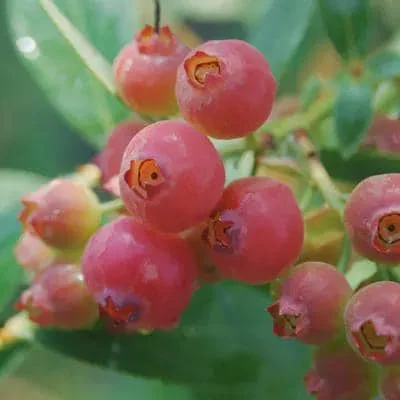
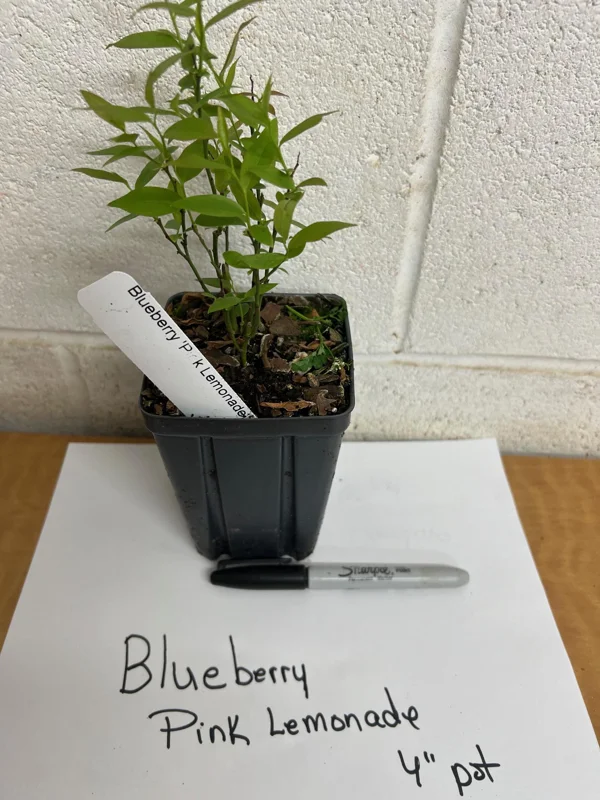
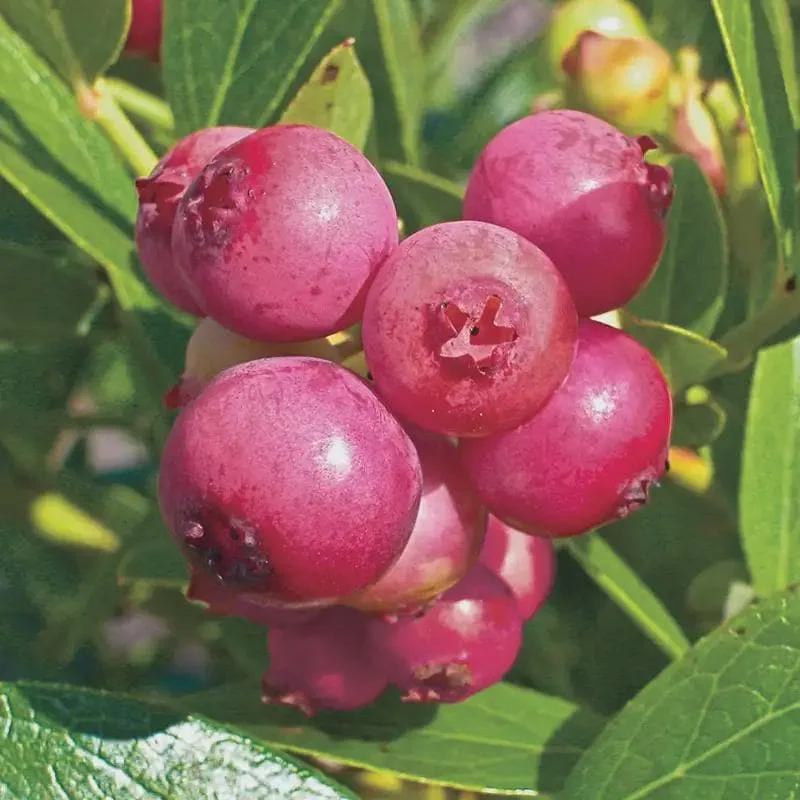
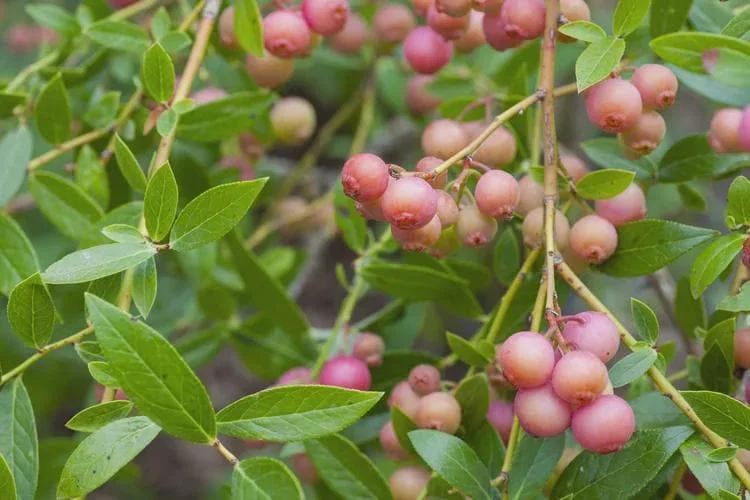
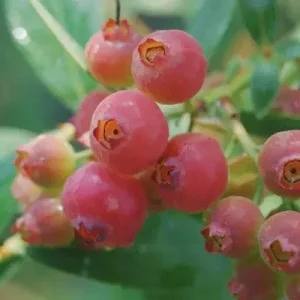
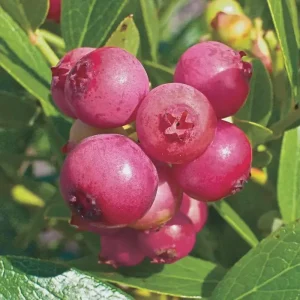
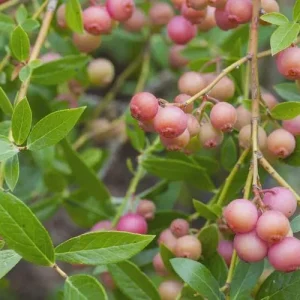
Bring the joy of home-grown fruit to your garden with the exceptional pink lemonade blueberry bush. This live plant, arriving in a 4-inch pot, is ready to be transplanted and begin its journey of producing delectable berries. Unlike traditional blueberries, this unique variety offers fruit that ripens to a beautiful pink hue, adding a touch of visual appeal to its already outstanding flavor. Gardeners seeking a distinctive and rewarding fruiting shrub will find the pink lemonade blueberry bush an excellent choice. It’s a fantastic option for both experienced gardeners and those new to growing their own food, promising a bountiful harvest of sweet and slightly tart berries. This plant is celebrated not only for its delicious fruit but also for its ornamental qualities, making it a versatile addition to any landscape.
The ‘Pink Lemonade’ variety is a hybrid highbush blueberry known for its robust growth and consistent fruit production. Its attractive foliage provides year-round interest, transitioning from green in spring and summer to a striking bronze in the fall. This resilience, combined with its unique fruit, ensures that your garden will stand out. Growing your own pink blueberry plant offers the satisfaction of fresh, organic produce right from your backyard, providing a healthy and tasty snack throughout the late summer and fall seasons.
Key Benefits
The pink lemonade blueberry bush offers a multitude of benefits, making it a must-have for any fruit enthusiast or home gardener. From its unique berries to its ornamental value, this plant is a true garden gem.
- Unique & Delicious Fruit: Enjoy a harvest of distinctively pink blueberries with a perfect balance of sweet and tart, often described as having a slight kiwi flavor. These berries are a delightful treat straight from the plant or in various culinary creations.
- Rich in Nutrients: Like all blueberries, the pink lemonade blueberry bush produces fruit packed with vitamin C, calcium, zinc, and other essential antioxidants, contributing to a healthy diet.
- Extended Harvest Season: This plant provides a generous yield of fruit from late summer through fall, ensuring a continuous supply of fresh berries for an extended period.
- Ornamental Appeal: Beyond its fruit, this bush offers aesthetic value with charming white and pink spring blossoms and vibrant bronze fall foliage, enhancing your garden’s beauty throughout the seasons.
- Versatile & Easy to Grow: A relatively low-maintenance plant, it thrives in suitable conditions and is a great choice for various garden settings, including containers, garden beds, or as a hedge. Learning how to grow pink blueberries is a rewarding experience.
- Attracts Pollinators: The spring flowers of the pink lemonade blueberry bush attract beneficial pollinators, contributing to the health and biodiversity of your garden ecosystem.
- Conversation Starter: The unusual pink color of the berries is sure to intrigue visitors and spark conversations, making your garden truly unique.
Plant Care & Growing Tips
Caring for your pink lemonade blueberry bush is straightforward, ensuring a healthy plant and abundant fruit. This variety, like most blueberries, prefers acidic soil conditions. Aim for a soil pH between 4.5 and 5.5. Incorporate plenty of organic matter, such as peat moss or pine bark, into your planting site to help achieve and maintain this acidity. Well-draining soil is crucial to prevent root rot. If planting in a container, choose a large pot (at least 15-20 gallons for a mature plant) and use a potting mix specifically formulated for acid-loving plants.
For sunlight, the pink lemonade blueberry bush thrives in full sun, meaning at least 6-8 hours of direct sunlight per day. Adequate sunlight is essential for optimal fruit production and for the berries to develop their characteristic pink color. Water regularly, especially during dry spells and when the plant is fruiting. The soil should remain consistently moist but not waterlogged. Mulching around the base of the plant with pine needles, wood chips, or shredded leaves can help retain moisture, suppress weeds, and maintain soil acidity. Fertilize in early spring with an acid-forming fertilizer formulated for blueberries, following the product’s instructions for application rates. This will help provide the necessary nutrients for vigorous growth and a healthy harvest. Understanding proper blueberry bush care is key to success.
This blueberry bush is generally hardy in USDA zones 4-8. In colder climates, consider providing winter protection or growing in containers that can be moved indoors. Pruning is best done in late winter or early spring while the plant is dormant. Remove any dead, diseased, or crossing branches, and thin out older, less productive canes to encourage new growth and better air circulation. Regular pruning not only maintains the plant’s shape but also promotes a more prolific fruit yield. If you’re wondering how to grow pink blueberries effectively, following these care guidelines will set you up for success.
Size & Details
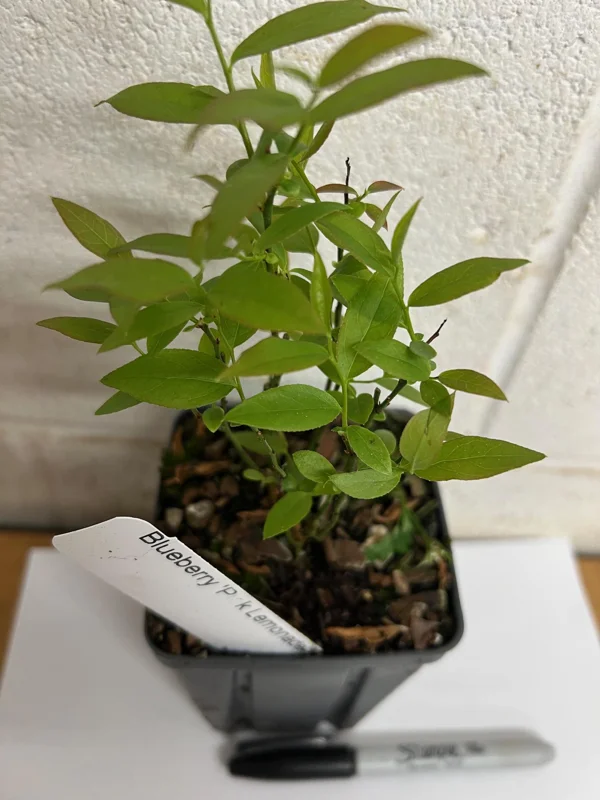
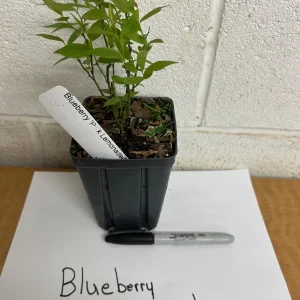
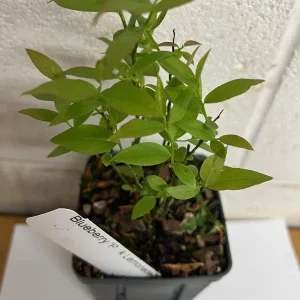
The pink lemonade blueberry bush you will receive is a live plant, typically shipped in a 4-inch nursery pot. At this stage, the plant is young but well-rooted, ready for transplanting into your garden or a larger container. Its initial height will vary, but it will grow to a mature size of approximately 4-5 feet tall and 3-4 feet wide, forming an attractive, upright shrub. The growth rate is moderate, allowing it to establish well in its new home. Expect the plant to begin flowering in spring, with fruit ripening from late summer into the fall season. While it may produce some fruit in its first year, yields will increase significantly as the plant matures over subsequent years. This plant is a fantastic choice for those looking for a truly unique fruit plant to add to their edible landscape.
When planting, consider its mature size to ensure adequate space for growth. This blueberry is self-pollinating, meaning you only need one plant to get fruit, but planting another blueberry variety nearby can often increase yields. The foliage provides excellent seasonal interest, adding beauty to your landscape even when not fruiting. It’s an excellent choice for a specimen plant, a fruiting hedge, or integrated into a mixed border. The 4-inch pot size makes it easy to handle and transplant, giving it a strong start in your garden.
Frequently Asked Questions
- Q: How big does the pink lemonade blueberry bush get? A: This variety typically grows to a mature size of about 4-5 feet tall and 3-4 feet wide. It forms an upright, dense shrub that is both ornamental and productive.
- Q: Is this an indoor or outdoor plant? A: The pink lemonade blueberry bush is an outdoor fruit shrub. It requires full sun exposure and is best grown in garden beds or large outdoor containers where it can receive adequate light and space.
- Q: How much sunlight does it need? A: This blueberry bush thrives in full sun, needing at least 6-8 hours of direct sunlight per day. Ample sunlight is crucial for healthy growth and optimal fruit production, and for the berries to develop their vibrant pink color.
- Q: Is this plant easy to care for? A: Yes, with the right conditions, the pink lemonade blueberry bush is relatively easy to care for. It primarily requires acidic, well-draining soil, consistent moisture, and full sun. Following basic blueberry bush care guidelines will ensure its success.
- Q: What condition will it arrive in? A: Your pink lemonade blueberry bush will arrive as a live plant in a 4-inch nursery pot, well-rooted and ready for transplanting. It will be carefully packaged to ensure its safe journey.
- Q: When is the best time to plant this bush? A: The best time to plant your pink lemonade blueberry bush is in spring or fall. This allows the plant to establish its root system before the stress of extreme summer heat or winter cold.
- Q: Will it survive winter in my zone? A: This variety is hardy in USDA Zones 4-8. If you live in a colder zone, you may need to provide winter protection or grow it in a container that can be moved indoors during the coldest months.
- Q: Do I need more than one pink blueberry plant for fruit? A: The ‘Pink Lemonade’ blueberry is self-pollinating, meaning one plant can produce fruit. However, planting another blueberry variety nearby can often increase overall fruit yield and size.
- Q: What kind of soil is best for growing pink blueberries? A: This plant requires acidic, well-draining soil with a pH between 4.5 and 5.5. Amending the soil with peat moss or pine bark is highly recommended to achieve the ideal conditions.
- Q: When can I expect to harvest fruit from this unique fruit plant? A: You can expect to harvest delicious pink blueberries from late summer through fall. While some fruit may appear in the first year, yields will increase significantly in subsequent years as the plant matures.


Reviews
There are no reviews yet.