Overview
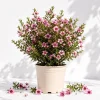
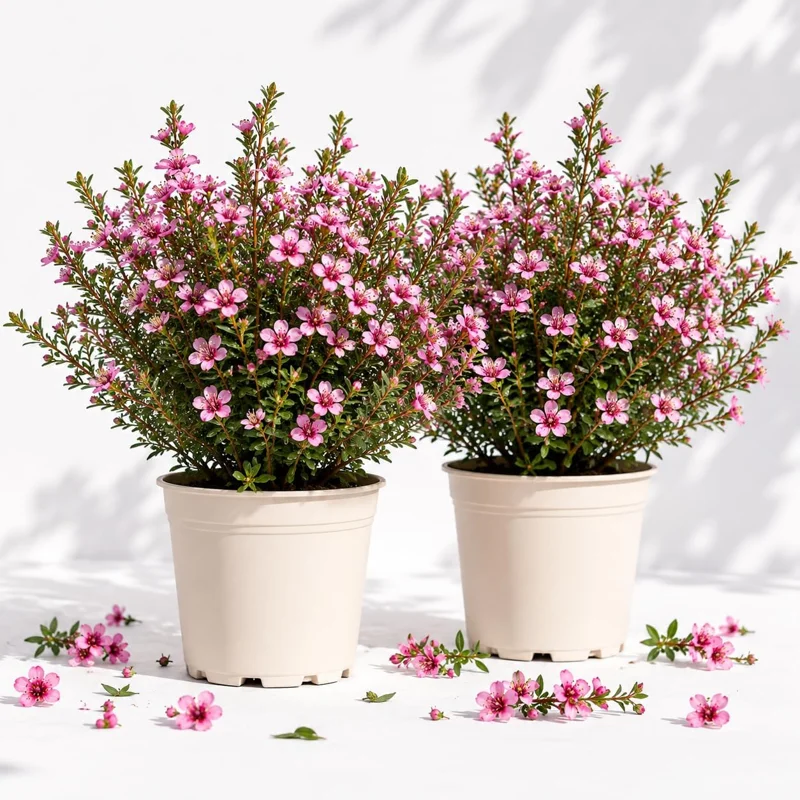
Transform your outdoor space with this exquisite set of two pink Manuka tea live plant. Scientifically known as Leptospermum scoparium, these vibrant flowering shrubs are celebrated for their delicate pink blossoms and robust nature. Originating from the picturesque landscapes of New Zealand and Australia, the Manuka plant offers not only visual appeal but also a rich history. This offering includes a set of two young, live plants, each standing approximately 4-6 inches tall, ready for planting directly into your garden or a suitable container. Perfect for creating a stunning border, a captivating feature shrub, or as an integral part of a mixed perennial bed, the pink Manuka tea live plant will provide a spectacular display of color and texture, making your garden a true haven. Our comprehensive care guide ensures that even novice gardeners can successfully cultivate these beautiful shrubs. These young plants are carefully nurtured to ensure they arrive healthy and prepared to thrive in their new environment, promising years of enjoyment and breathtaking floral displays.
Key Benefits
Adding a pink Manuka tea live plant to your garden offers a multitude of advantages, significantly enhancing both the aesthetic and ecological value of your outdoor space. These shrubs are more than just beautiful; they are robust and relatively easy to maintain, providing long-lasting beauty and contributing positively to the overall health of your garden ecosystem. Discover the many benefits these shrubs bring to your landscape.
- Stunning Pink Blooms: Enjoy a profusion of delicate pink flowers from spring to early summer, creating a captivating visual display that actively attracts beneficial pollinators like bees and butterflies. The vibrant color adds cheer and elegance to any garden setting, making it a focal point.
- Hardy and Resilient: These plants are known for their toughness, tolerating a range of conditions once established. They are a reliable choice for gardeners seeking low-maintenance yet high-impact plants that can withstand various environmental stressors. This makes Manuka bush growing a rewarding experience.
- Versatile Landscaping: Ideal for a wide array of garden applications, including hedges, mixed borders, accent plants, or even in large containers. Their moderate size makes them suitable for both spacious gardens and smaller outdoor areas, offering flexible design options for any gardener.
- Attractive Foliage: Beyond their beautiful flowers, the small, aromatic leaves of the Leptospermum scoparium provide year-round texture and a subtle fragrance, contributing to the garden’s sensory experience even when not in bloom.
- Drought Tolerance: Once established, the pink Manuka tea live plant exhibits good drought tolerance, making it a water-wise choice for gardens in suitable climates. This reduces the need for frequent watering, saving both time and precious resources.
- Pollinator Friendly: The nectar-rich flowers are a magnet for beneficial insects, supporting local biodiversity and contributing to a healthy garden ecosystem. This enhances the vitality and natural balance of your garden.
- Low Maintenance: Once established, these plants require minimal intervention, making them ideal for busy gardeners seeking beauty without constant upkeep. They are an excellent choice for easy Manuka bush growing.
Plant Care & Growing Tips
Ensuring the success of your pink Manuka tea live plant begins with understanding its specific care requirements. These plants thrive in conditions that mimic their native environment, which means providing adequate sunlight, well-draining soil, and appropriate watering. Proper care is crucial for a thriving shrub, leading to abundant blooms and vigorous growth.
For optimal growth, plant your Manuka tea plants in a location that receives full sun. This translates to at least 6-8 hours of direct sunlight per day. While they can tolerate some partial shade, full sun promotes the most abundant and vibrant flowering. The ideal temperature range for these plants is between 50 degrees Fahrenheit and 85 degrees Fahrenheit. They are hardy in USDA Zones 9–11, making them suitable for warmer climates where they can be grown outdoors year-round. In cooler zones, they can be grown in containers and brought indoors during winter or treated as annuals, making them a versatile tea tree plant outdoor option that adapts to various climates.
When it comes to soil, well-draining soil is paramount. Manuka tea plants do not tolerate waterlogged conditions, which can lead to root rot. A sandy or loamy soil enriched with organic matter is ideal for healthy root development. Water regularly during the establishment phase, typically the first year after planting, to help the root system develop robustly. Once established, water moderately, allowing the top few inches of soil to dry out completely between waterings. Avoid overwatering at all costs. Fertilization is generally not heavily required; a balanced, slow-release fertilizer applied in early spring can boost growth and flowering. Pruning can be done effectively after flowering to maintain shape, encourage bushier growth, and promote more blooms. Keep a watchful eye out for common pests and diseases, though Manuka tea plants are generally quite resistant, simplifying Manuka bush growing. Following these guidelines will ensure successful cultivation and a beautiful display.
Size & Details
This offering includes a set of two pink Manuka tea live plant, each standing approximately 4-6 inches tall upon arrival. These are live, young plants, shipped without a pot, arriving as bare roots ready for immediate planting in your garden or a suitable container. They are carefully packaged to ensure they arrive in excellent condition, prepared to adapt quickly to their new home. When mature, these Manuka bushes can reach impressive heights of 6-10 feet and a similar spread, depending on specific growing conditions and pruning practices. Their growth rate is moderate, allowing them to establish and grow into a substantial shrub within a few seasons. Expect blooming from spring to early summer, with the possibility of sporadic flowering throughout the year in ideal conditions, providing continuous beauty.
Frequently Asked Questions
- Q: How big do these pink Manuka tea live plants get? A: These pink Manuka tea live plant are currently 4-6 inches tall. When mature, they can typically grow to a height of 6-10 feet and have a similar spread, depending on environmental conditions and how they are pruned.
- Q: Is this an indoor or outdoor plant? A: The Manuka tea plant is primarily an outdoor shrub, thriving in full sun. It is hardy in USDA Zones 9–11. In cooler climates, it can be grown in containers and brought indoors during the colder months, or grown as an annual, making it an adaptable tea tree plant outdoor choice.
- Q: How much sunlight does it need? A: For best results and abundant flowering, your Leptospermum scoparium plant should receive full sun, meaning at least 6-8 hours of direct sunlight daily. While it can tolerate some partial shade, full sun is strongly preferred for optimal bloom production.
- Q: Is this plant easy to care for? A: Yes, once established, Manuka bush growing is considered relatively easy. These plants are drought-tolerant and generally low-maintenance, requiring well-draining soil and moderate watering.
- Q: What condition will it arrive in? A: Your set of two pink Manuka tea live plant will arrive as live, bare-root plants, approximately 4-6 inches tall, carefully packaged to ensure their health and vitality upon delivery. They will be ready for immediate planting.
- Q: How long until it blooms? A: These young plants will typically begin to flower within one to two growing seasons after planting, with their main blooming season occurring from spring to early summer, providing a beautiful display.
- Q: Will this pink flowering shrub survive winter in my zone? A: The Manuka tea plant is hardy in USDA Zones 9–11. If you are in a colder zone, you will need to provide adequate winter protection or grow it in a container that can be moved indoors to shield it from frost.
- Q: What type of soil is best for these plants? A: The pink Manuka tea live plant prefers well-draining soil. A sandy or loamy mix with good organic content is ideal to prevent waterlogging and ensure healthy root development, promoting strong growth.
- Q: How often should I water my Manuka tea plant? A: Water regularly during the first year to help the plant establish its root system. Once established, water moderately, allowing the top few inches of soil to dry out between waterings. Avoid consistently wet soil conditions.
- Q: Can I use this plant for tea? A: While this is an ornamental pink flowering shrub of the Manuka ‘tea’ plant species (Leptospermum scoparium), the leaves from this specific variety are typically not used for making tea. For medicinal or culinary purposes, it’s best to consult with an expert on the specific Manuka varieties used for those applications.


Reviews
There are no reviews yet.