Overview
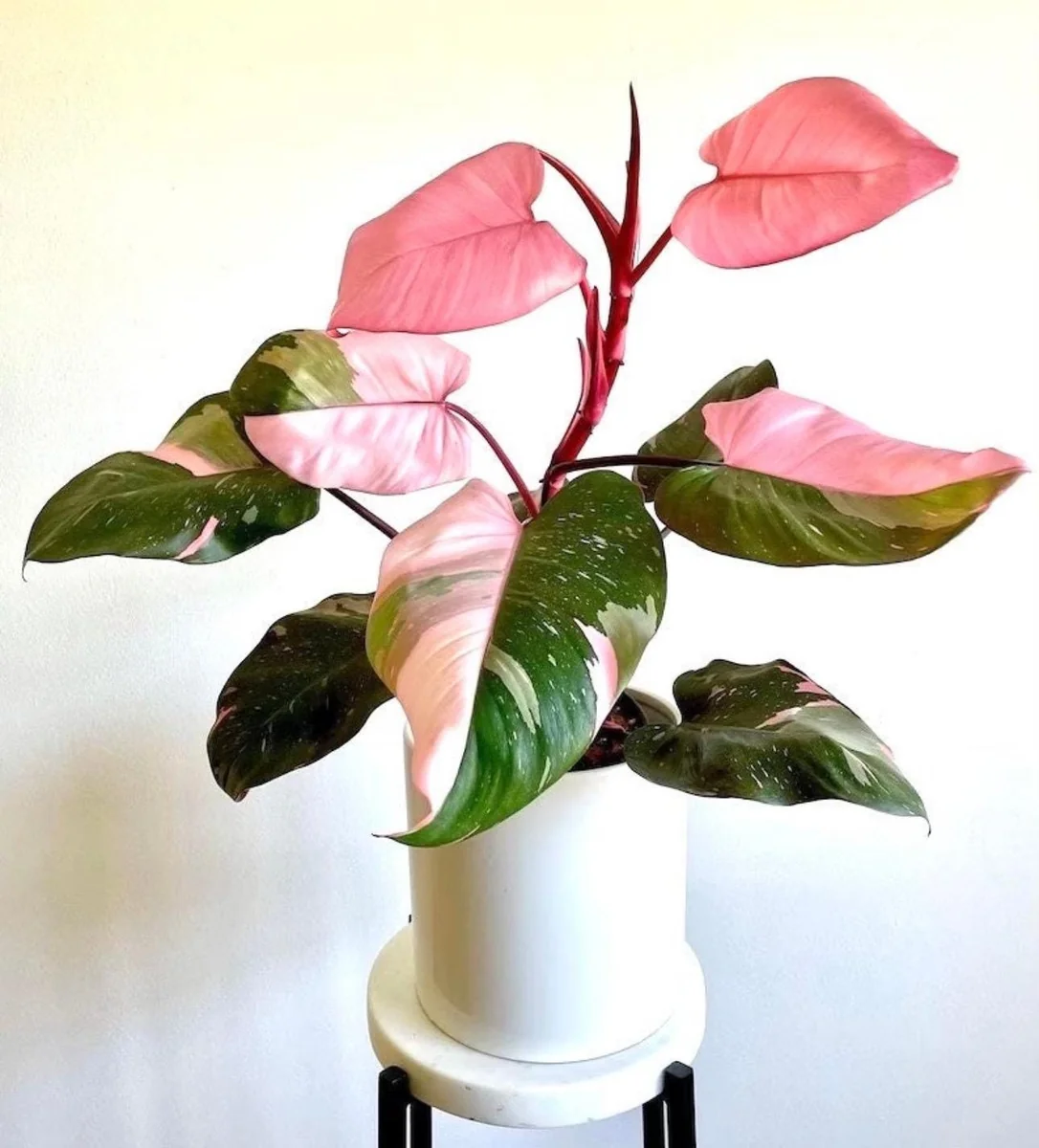
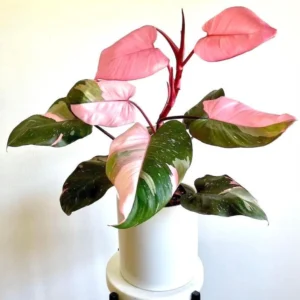
The Pink Princess Philodendron live plant is a highly coveted and visually striking tropical aroid, celebrated for its unique and beautiful foliage. This particular offering is a tissue culture (TC) starter plant, providing a healthy and vigorous foundation for growth. Originating from the rainforests of South America, the Philodendron erubescens ‘Pink Princess’ features deep green, heart-shaped leaves adorned with splashes and blocks of bright pink variegation. Each leaf is a unique work of art, making this plant a true collector’s item and a focal point in any indoor plant collection. Its captivating appearance and relatively manageable care requirements make it a favorite among both novice and experienced plant enthusiasts looking for a variegated philodendron.
This starter plant is an excellent way to introduce this magnificent species into your home. As it matures, the pink hues become more pronounced, creating a dramatic contrast against the dark green. The Pink Princess Philodendron live plant thrives in environments that mimic its natural tropical habitat, enjoying consistent warmth and humidity. With proper care, this small starter will grow into a lush, vibrant specimen, adding a touch of exotic elegance to your living space. It’s more than just a plant; it’s a living piece of art that continuously evolves with new growth.
Key Benefits
Owning a Pink Princess Philodendron live plant offers numerous advantages beyond its undeniable aesthetic appeal. This tropical gem brings life and color into any room, enhancing your home’s ambiance with its unique charm.
- Stunning Variegation: The most striking feature is its vibrant pink variegation, which creates a beautiful contrast against the dark green leaves, making it a highly decorative and sought-after variegated philodendron. Each leaf develops its own unique pattern, ensuring no two plants are exactly alike.
- Air Purification: Like many houseplants, the Pink Princess Philodendron live plant contributes to a healthier indoor environment by helping to filter out airborne toxins, improving air quality and promoting well-being. This natural process helps create a fresher living space.
- Collector’s Item: Due to its rarity and striking appearance, the Philodendron Pink Princess is a prized possession for plant collectors and enthusiasts, offering a sense of exclusivity and pride. It’s a plant that sparks conversation and admiration.
- Moderate Care: While exotic in appearance, the Philodendron Pink Princess care routine is relatively straightforward, making it suitable for those with some experience in houseplant cultivation. It responds well to consistent attention and a stable environment.
- Growth Habit: This aroid has a vining growth habit, which can be encouraged with a moss pole or trellis, allowing it to grow taller and display its beautiful foliage more prominently. This also helps in producing larger, more mature leaves.
- Aesthetic Appeal: It adds a sophisticated and luxurious touch to any interior design scheme, complementing various decor styles from modern minimalist to bohemian. The rich colors bring a dynamic element to any room.
- Engaging Hobby: Caring for a rare aroid plant like the Pink Princess Philodendron can be a rewarding and engaging hobby, providing a connection to nature and the satisfaction of nurturing a beautiful living organism.
Plant Care & Growing Tips
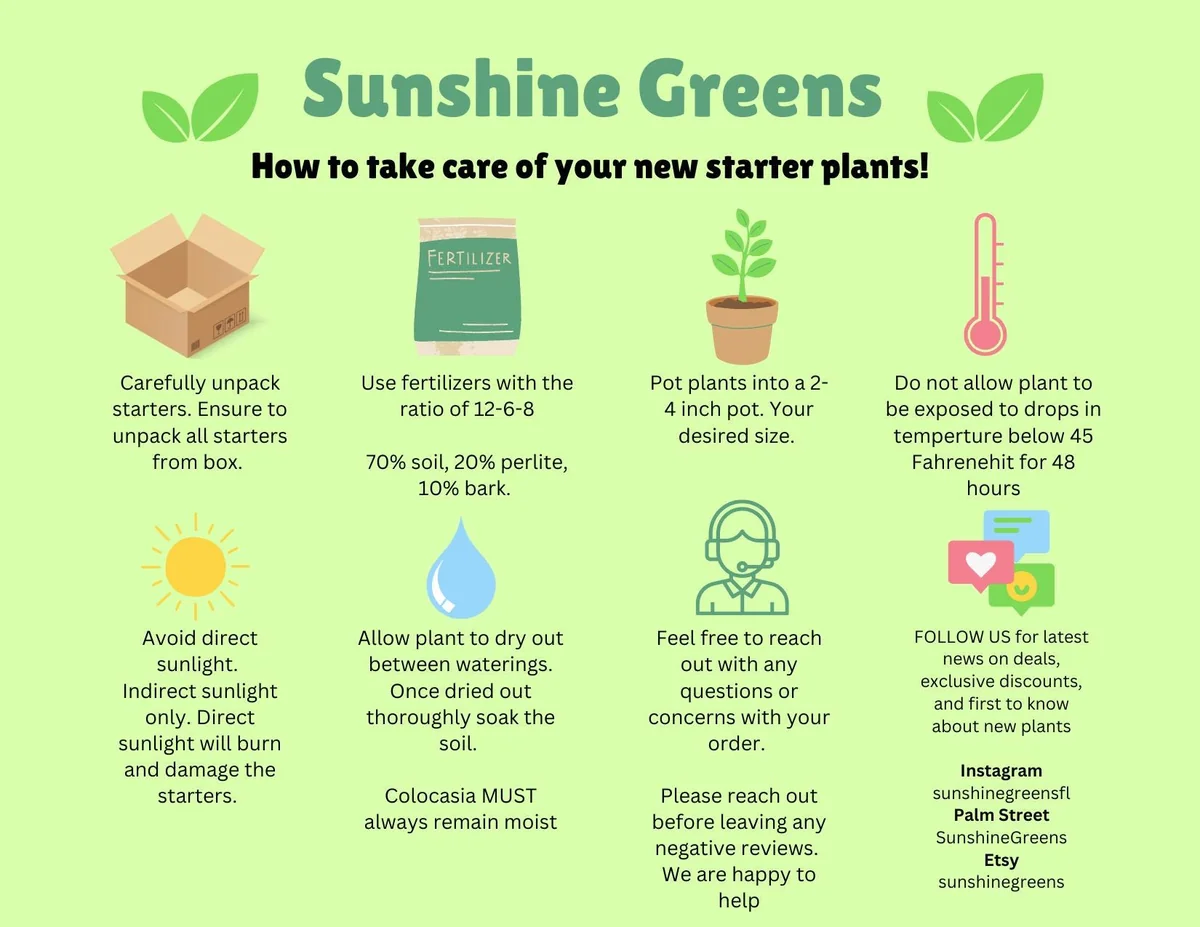
Proper Philodendron Pink Princess care is essential for maintaining its vibrant variegation and promoting healthy growth. This tropical houseplant thrives in conditions that mimic its native habitat. It prefers bright, indirect light; direct sunlight can scorch its delicate leaves and fade the pink variegation. An east or north-facing window is often ideal, or a spot a few feet away from a south or west-facing window. If the pink portions of your plant start to fade, it might not be receiving enough light. Conversely, too much direct light can lead to browning on the pink areas.
Watering should be consistent but cautious. Allow the top 1-2 inches of soil to dry out between waterings. Overwatering can lead to root rot, a common issue for many houseplants. Ensure your pot has excellent drainage. When you do water, water thoroughly until it drains from the bottom. This tropical houseplant appreciates high humidity, so consider misting regularly, using a pebble tray, or placing it near a humidifier. Temperatures between 65-80°F (18-27°C) are ideal. Avoid sudden temperature drops or cold drafts, which can stress the plant. The USDA hardiness zone for this plant is typically 10-11 if grown outdoors, but it is primarily cultivated as an indoor specimen.
For soil, a well-draining, airy potting mix is crucial. A mix designed for aroids, containing elements like perlite, orchid bark, and coco coir, works well to provide both moisture retention and aeration. Fertilize every 2-4 weeks during the growing season (spring and summer) with a balanced liquid fertilizer diluted to half strength. Reduce fertilization in fall and winter. Regularly inspect your rare aroid plant for pests like spider mites or mealybugs, and address any infestations promptly. Pruning can help maintain shape and encourage bushier growth, and also remove any leggy stems or yellowing leaves. Consistent attention to these details will ensure your Pink Princess Philodendron thrives.
Size & Details
This offering is for a Pink Princess Philodendron live plant as a tissue culture (TC) starter. These small, meticulously propagated plants are ideal for growers who enjoy nurturing a plant from its early stages. While specific dimensions may vary slightly, starter plants typically arrive with 2-4 leaves and a well-established root system, ready to be potted into a small container, usually a 2-4 inch pot. The mature size of a Pink Princess Philodendron can reach several feet in height with proper support, though growth rate depends on environmental conditions and care. It is a vining plant that will benefit from a moss pole as it grows to display its full potential. The plant is shipped as a rooted starter, carefully packaged to ensure its safe arrival and minimize stress during transit.
Frequently Asked Questions
- Q: How big does this Pink Princess Philodendron starter plant get? A: As a starter plant, it will arrive small, typically with 2-4 leaves. With proper care, a mature Pink Princess Philodendron live plant can grow several feet tall, especially with a moss pole for support.
- Q: Is this an indoor or outdoor plant? A: The Pink Princess Philodendron live plant is primarily an indoor tropical houseplant due to its specific temperature and humidity requirements. It can be moved outdoors in very warm, humid climates (USDA Zones 10-11) during summer but should be protected from direct sun.
- Q: How much sunlight does it need? A: This plant thrives in bright, indirect light. Avoid direct sunlight, which can burn the leaves and cause the pink variegation to fade. Filtered light from an east or north-facing window is ideal for optimal Philodendron Pink Princess care.
- Q: Is this plant easy to care for? A: While not difficult, it requires consistent attention to light, watering, and humidity. It’s considered moderate care, suitable for those with some houseplant experience, especially when dealing with a rare aroid plant.
- Q: What condition will the starter plant arrive in? A: Your Pink Princess Philodendron live plant will arrive as a rooted tissue culture starter, carefully packaged to ensure its health. It will be ready for you to pot into its first small container.
- Q: What kind of soil is best for this variegated philodendron? A: A well-draining, airy potting mix is crucial. An aroid mix containing elements like orchid bark, perlite, and coco coir is highly recommended to provide both moisture and excellent drainage.
- Q: How often should I water my Pink Princess Philodendron? A: Water when the top 1-2 inches of soil feel dry to the touch. It’s better to slightly underwater than overwater, as excessive moisture can lead to root rot. Adjust frequency based on your home’s humidity and light.
- Q: How do I encourage more pink variegation? A: Providing ample bright, indirect light is key to promoting vibrant pink variegation. Consistent humidity and a balanced fertilization schedule also contribute to overall plant health and color.
- Q: Can I propagate my Pink Princess Philodendron? A: Yes, once your Pink Princess Philodendron live plant matures, it can be propagated through stem cuttings, ideally with at least one node and aerial roots, placed in water or a moist substrate.
- Q: Is this tropical houseplant pet-safe? A: No, like many Philodendron species, the Pink Princess is toxic if ingested by pets or humans due to calcium oxalate crystals. Keep it out of reach of children and pets.


Reviews
There are no reviews yet.