Overview
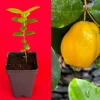
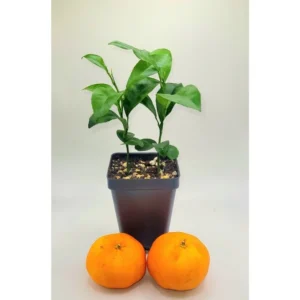
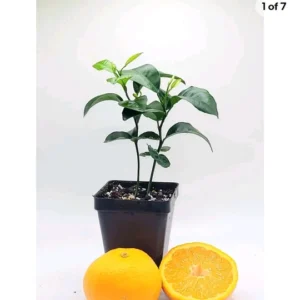
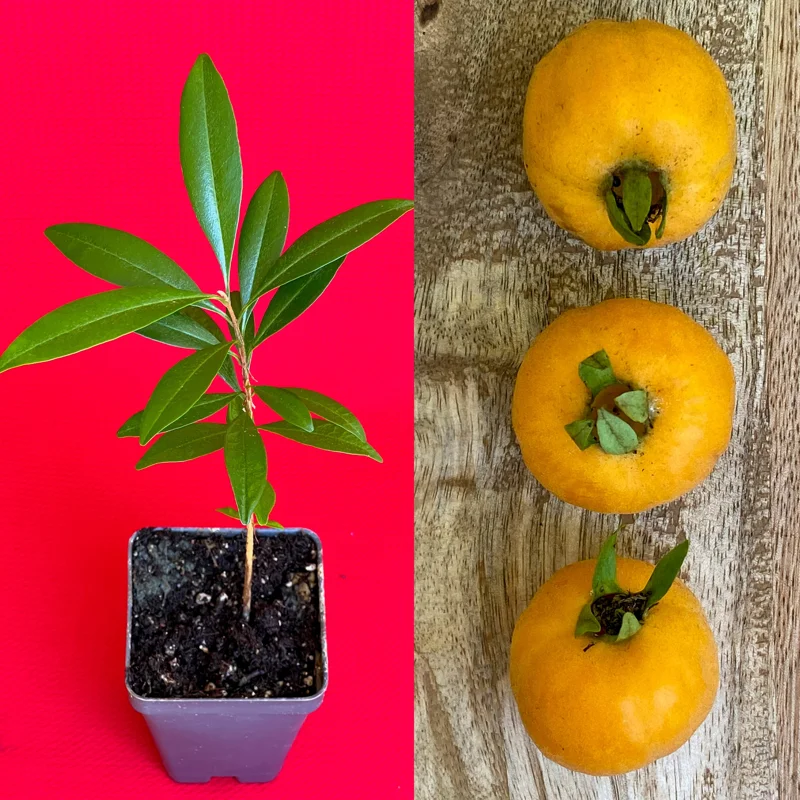
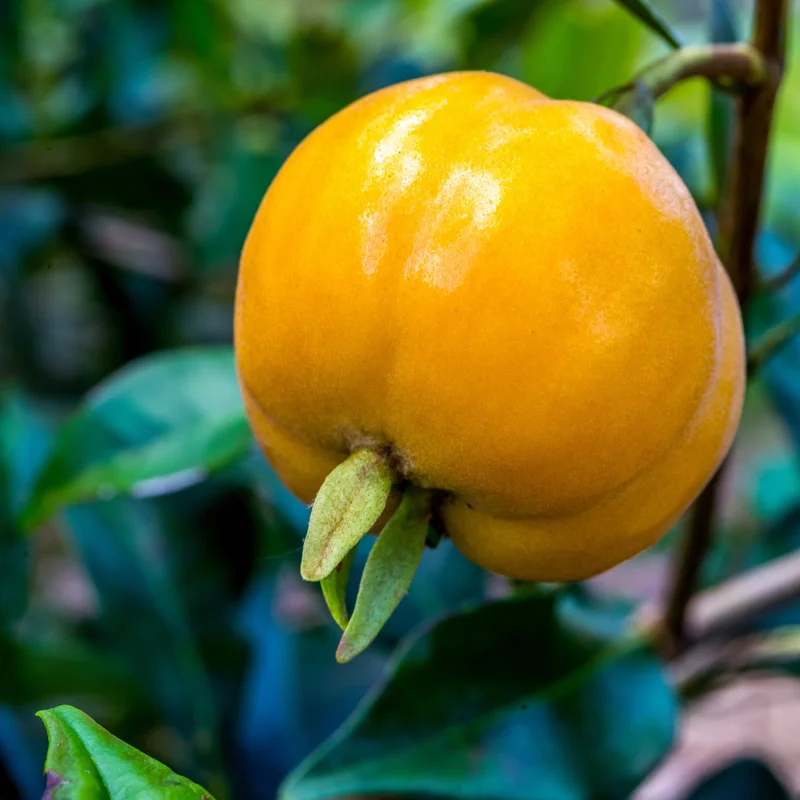
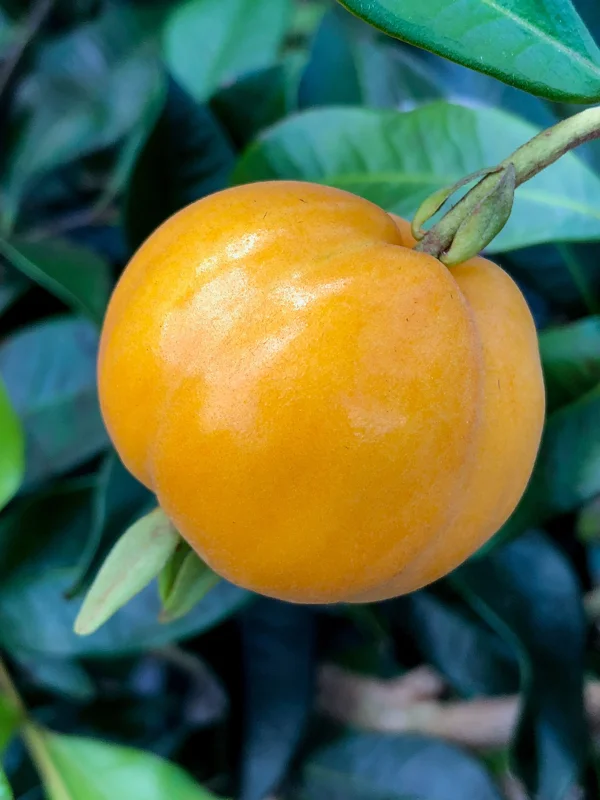
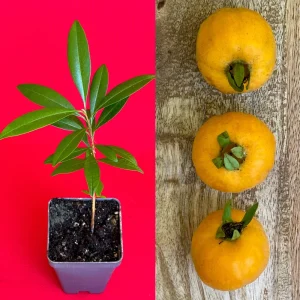
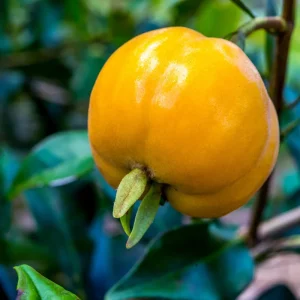
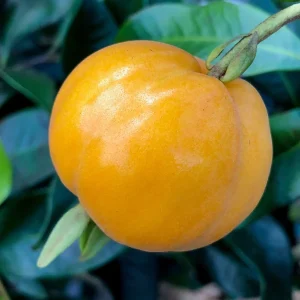
Embark on a tropical gardening adventure with the pitomba big fruit live plant, scientifically known as Eugenia Luschnathiana tree. This remarkable plant offers the unique opportunity to grow your own delicious, exotic fruits right at home. Originating from Brazil and cultivated in South Florida since 1914, the Pitomba is celebrated for its abundant yield of bright orange-yellow, cherry-like fruits. These aromatic treasures boast a soft, melting, juicy flesh with a highly aromatic, slightly acidic, and sweet flavor, often compared to apricots. Perfect for fresh eating, jellies, or preserves, this plant is not only a source of gourmet fruit but also an attractive, slow-growing addition to any garden or patio. Our starter plants are grown organically in Florida, ensuring a healthy beginning for your new fruit tree.
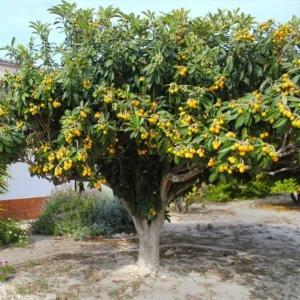
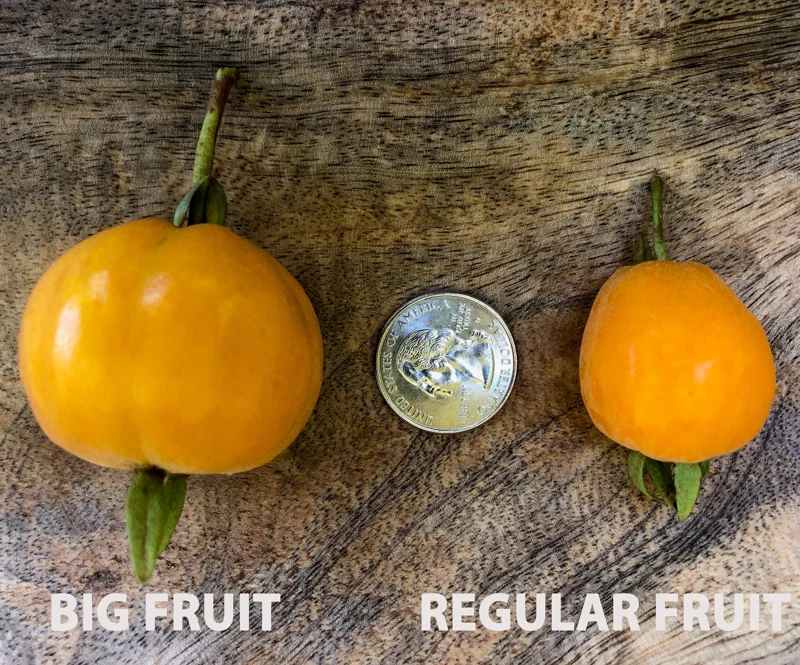
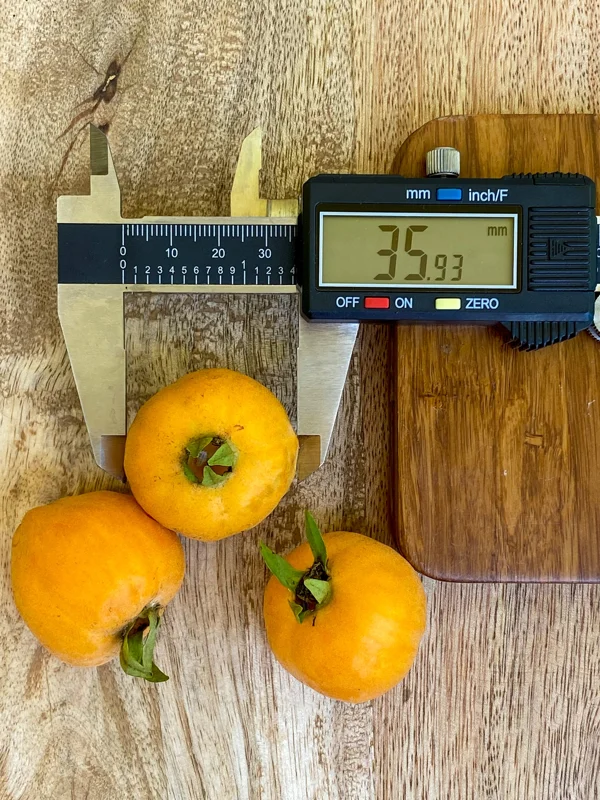
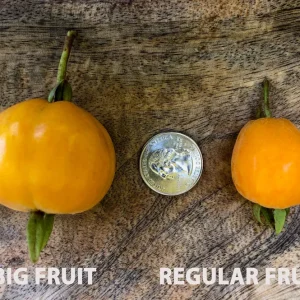
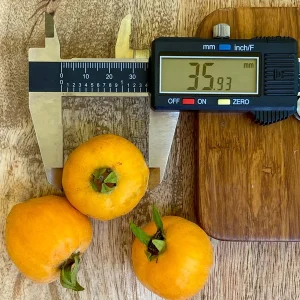
The Eugenia Luschnathiana tree is a fascinating species for both novice and experienced gardeners. Its compact size and slow growth rate make it an excellent choice for those seeking a dwarf fruit tree or an exceptional container fruit plant. This particular selection is known for its ‘BIG fruit’ characteristic, with individual fruits reaching an impressive 3-4 cm in size. Experience the joy of harvesting your own tropical bounty with this easy-to-grow and rewarding plant.
Key Benefits
The pitomba big fruit live plant offers a multitude of benefits, making it a highly desirable addition to any plant collection. From its delicious produce to its ornamental appeal, this plant is sure to impress:
- Abundant, Delicious Fruit Production: Enjoy a prolific harvest of sweet, aromatic, orange-yellow fruits that are excellent for fresh eating, jams, and jellies. The ‘BIG fruit’ selection ensures a more substantial yield per fruit.
- Compact and Manageable Size: As a naturally slow-growing and small tree, it is an ideal dwarf fruit tree, perfect for smaller gardens, urban spaces, or as an attractive patio plant.
- Excellent Container Plant: Its slow growth habit and manageable size make the Eugenia Luschnathiana tree an outstanding candidate for container cultivation, allowing you to move it indoors during colder months.
- Ornamental Appeal: Beyond its fruit, the Pitomba is an attractive tree with lush foliage, adding a tropical aesthetic to your landscape or indoor space.
- Adaptable to Various Soils: While preferring acidic conditions, this tree grows readily in a wide variety of soil types, simplifying its care requirements for gardeners.
- Good Cold and Wind Tolerance: With a cold tolerance down to 27°F and high wind tolerance, it’s a relatively robust fruit tree for suitable climates.
- Unique Flavor Profile: The fruit’s taste, often likened to an apricot, offers a distinctive and delightful culinary experience that stands out from common fruits.
Plant Care & Growing Tips
Caring for your pitomba big fruit live plant is straightforward, ensuring a rewarding growing experience. This tropical beauty thrives with proper attention to its environmental needs. For optimal growth and fruit production, understanding its light, water, and soil preferences is key. The Eugenia Luschnathiana tree is relatively hardy but benefits greatly from consistent care, especially when young.
The Pitomba prefers full sun but can tolerate partial shade. Aim for at least 6-8 hours of direct sunlight daily if growing outdoors. If kept as a container fruit plant indoors, place it in a bright, south-facing window or under grow lights. Water regularly, allowing the top inch or two of soil to dry out slightly between waterings. Avoid overwatering, which can lead to root rot. The tree thrives in well-draining soil with a pH preference of 5.5-7.0. While it tolerates various soil types, maintaining slightly acidic conditions can help prevent micronutrient deficiencies. Fertilize during the growing season (April-August) with a balanced, slow-release fruit tree fertilizer according to product instructions. Protect young plants from temperatures below 60°F, gradually acclimatizing them to outdoor conditions if you plan to plant them in the garden. Its cold tolerance is around 27°F once established, but young plants are more sensitive.
This dwarf fruit tree is known for its slow growth, which makes it easier to manage in smaller spaces or pots. Keep an eye out for common pests and diseases, though the Pitomba is generally quite resilient. Good air circulation and proper watering practices will help prevent most issues. Pruning is typically minimal, focused on shaping the tree and removing any dead or diseased branches. With consistent care, your pitomba big fruit live plant will flourish, providing you with delicious fruits for years to come.
Size & Details
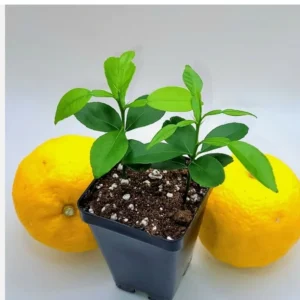
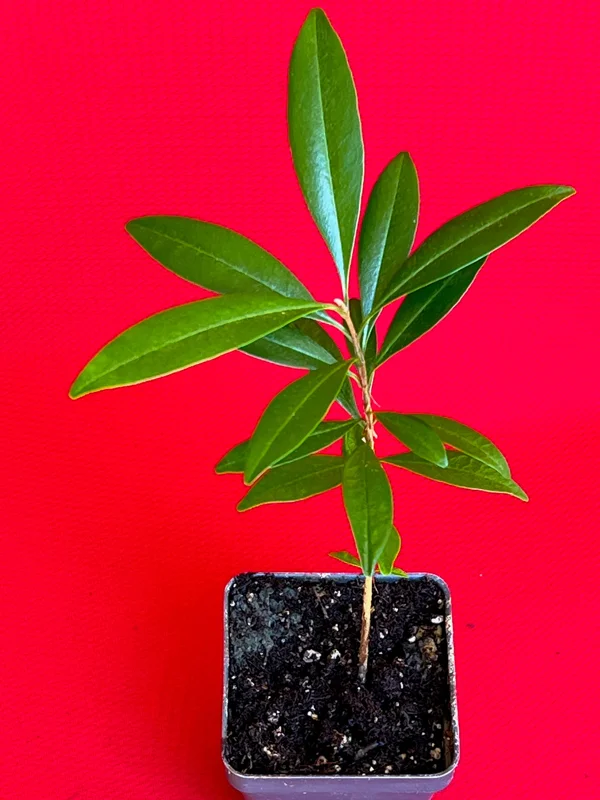
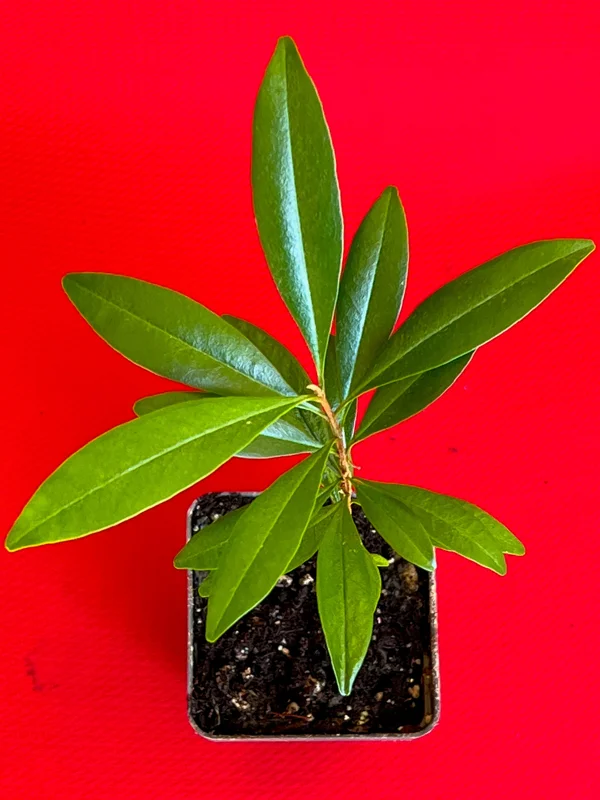
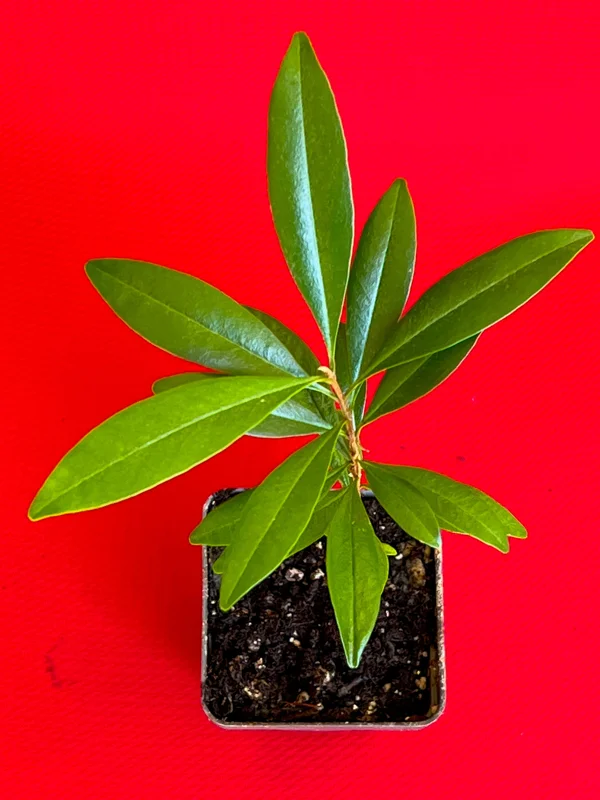
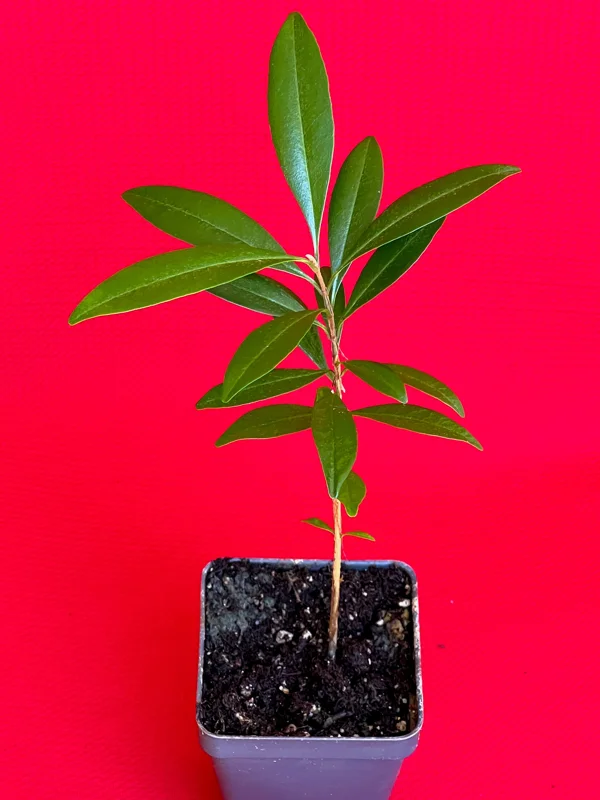
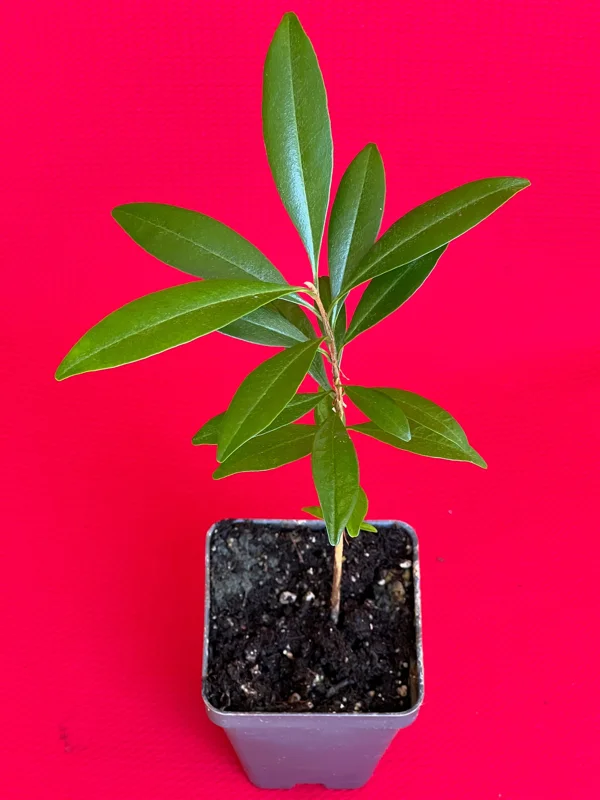
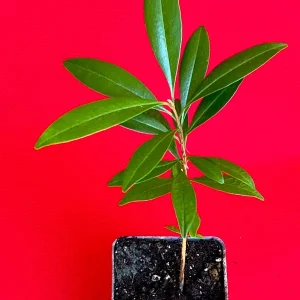
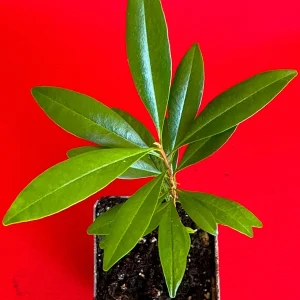
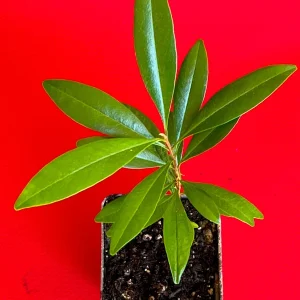
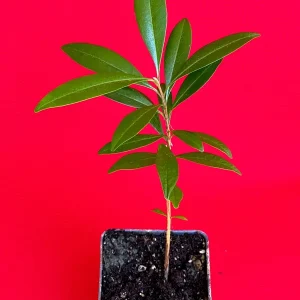
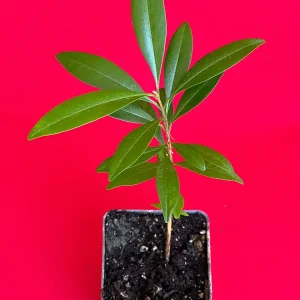
This offering is for one pitomba big fruit live plant, carefully cultivated and ready for its new home. Each starter plant measures approximately 4-6 inches tall, with the height measured from the soil line and not including the pot. It comes securely planted in a 2.5-inch square pot, providing a healthy root system for successful transplanting. This particular selection is renowned for its large fruit size, with individual Pitomba fruits typically reaching 3-4 cm. The plant is a vigorous grower once established, though its overall growth rate is slow, making it an excellent choice for a compact dwarf fruit tree. Expect fruiting to occur seasonally, primarily from April to August, with a potential light fall crop. Grown organically in Florida, these plants are derived from prolific parent trees, ensuring quality genetics for your future harvests.
Frequently Asked Questions
- Q: How big does this pitomba big fruit live plant get? A: The Pitomba is a slow-growing, small tree, making it suitable as a dwarf fruit tree. Its mature size can vary depending on growing conditions and whether it’s kept in a container or planted in the ground, but it generally remains manageable.
- Q: What size pot does the Eugenia Luschnathiana tree come in? A: This starter plant is shipped in a 2.5-inch square pot, providing a good foundation for its root system. You will need to transplant it into a larger pot or your garden upon arrival.
- Q: Is this an indoor or outdoor plant? A: The Pitomba can be grown outdoors in USDA zones where temperatures do not consistently fall below 27°F. In colder climates, it makes an excellent container fruit plant that can be brought indoors during winter.
- Q: How much sunlight does the pitomba big fruit live plant need? A: This tree prefers full sun, meaning at least 6-8 hours of direct sunlight per day. It can tolerate partial shade, but optimal fruit production typically occurs with more sun exposure.
- Q: Is this plant easy to care for? A: Yes, the Pitomba is considered relatively easy to care for. It tolerates a wide range of soils and is quite resilient to wind. Consistent watering and adequate sunlight are its primary needs.
- Q: What condition will the plant arrive in? A: Your pitomba big fruit live plant will be carefully packaged and shipped as a healthy starter plant in its original pot, ready for acclimatization and planting.
- Q: How long until this dwarf fruit tree produces fruit? A: The time to fruiting can vary depending on growing conditions and care, but typically, well-cared-for young trees can start producing within a few years.
- Q: What’s the minimum temperature this Eugenia Luschnathiana tree can tolerate? A: Established Pitomba trees have a cold tolerance of approximately 27°F. Young plants may be more sensitive and require protection at temperatures below 60°F.
- Q: Can I grow this container fruit plant organically? A: Yes, these starter plants are grown organically in Florida. You can continue organic practices at home to ensure your fruit is free from synthetic chemicals.
- Q: What does Pitomba fruit taste like? A: Pitomba fruit has a delicious, aromatic, slightly acidic, and sweet flavor, often compared to an apricot. It has a soft, melting, juicy flesh.


Reviews
There are no reviews yet.