Overview
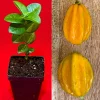
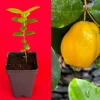
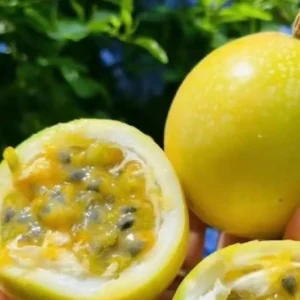
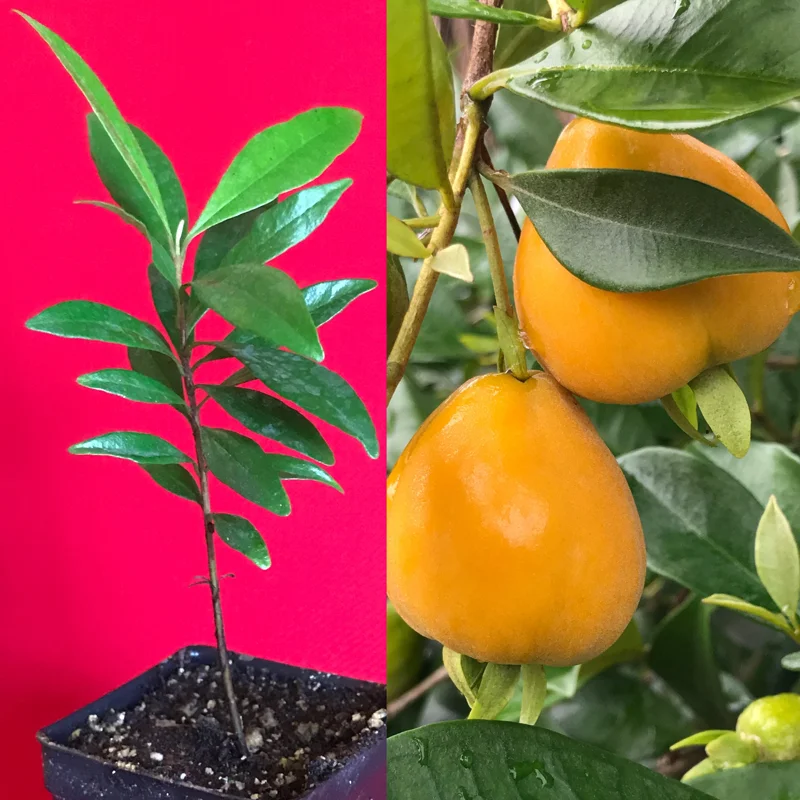
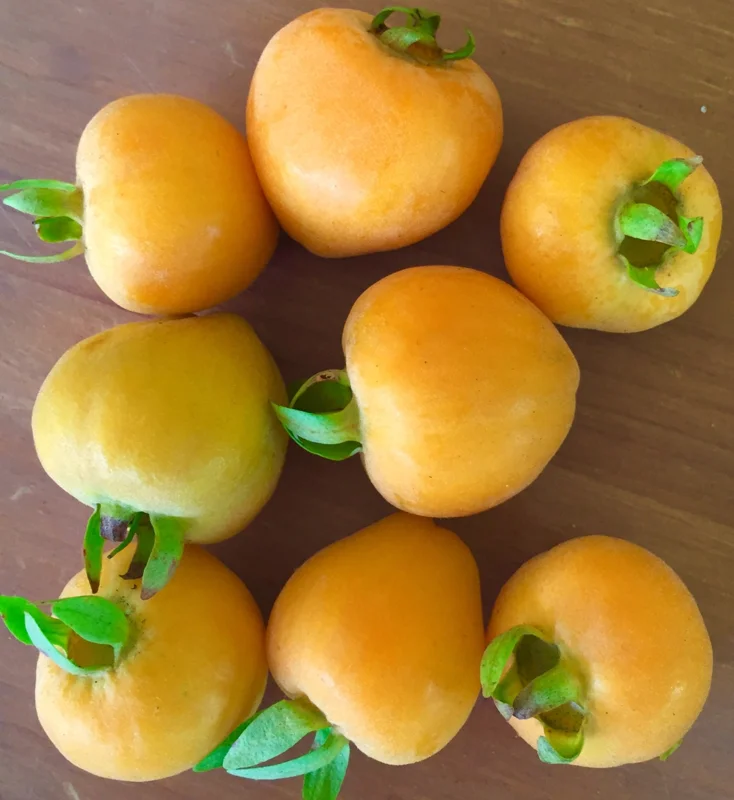
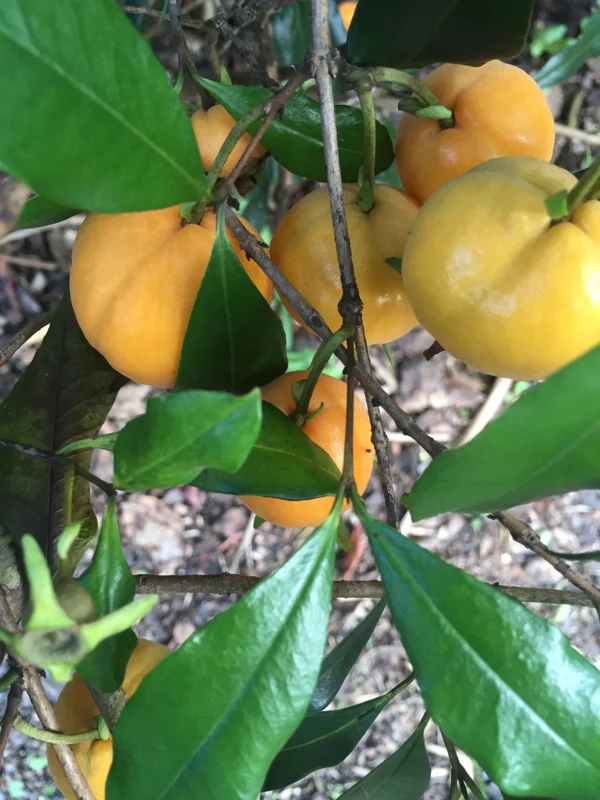
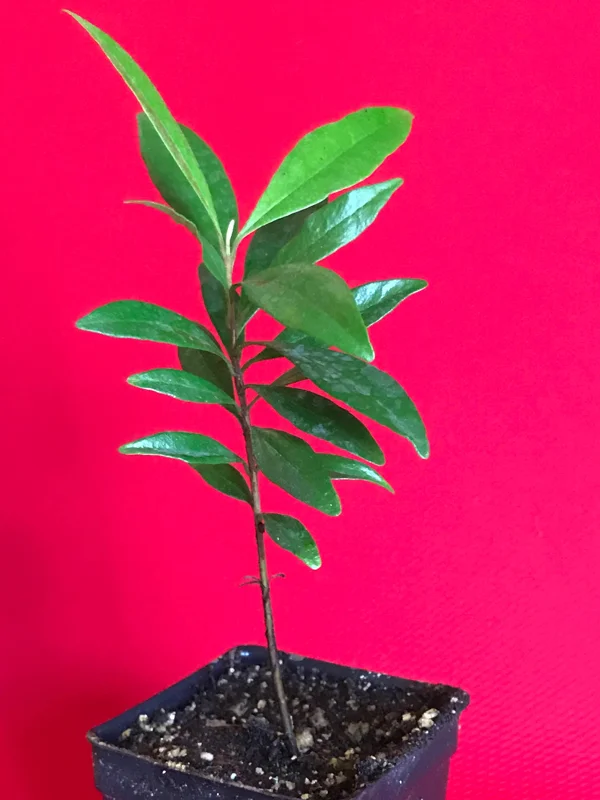
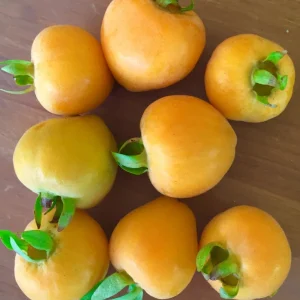
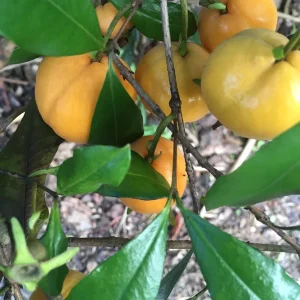
Introduce a taste of the tropics to your home with the Pitomba live plant, scientifically known as Eugenia Luschnathiana. This charming Pitomba live plant is a starter tree, typically arriving 4-6 inches tall, ready to be nurtured into a productive fruit-bearing specimen. Originating from Brazil and cultivated in South Florida since the early 20th century, the Pitomba is celebrated for its abundant, bright orange-yellow, cherry-like fruits. These aromatic delights boast a soft, melting, juicy flesh with a unique sweet and slightly acidic flavor, often compared to apricots. Whether enjoyed fresh or transformed into delicious jellies and preserves, the fruit of the Eugenia Luschnathiana is a true tropical treat. This slow-growing tree is an excellent choice for gardeners looking for a manageable and rewarding fruit tree experience, making it a perfect candidate for container gardening.
Our Eugenia Luschnathiana plant offers a wonderful opportunity to cultivate an exotic fruit right in your own space. It’s a robust and attractive small tree, perfect for those who appreciate both ornamental value and edible yields. You’re getting a healthy starter plant, organically grown and carefully prepared for its journey to your home. With proper care, this Pitomba fruit tree will thrive and eventually reward you with its delectable harvest, providing a continuous source of fresh, homegrown fruit.
Key Benefits
The Pitomba live plant offers a multitude of benefits for any gardener, from its delicious fruit to its adaptable nature. It’s a truly rewarding plant to cultivate.
- Delicious, Aromatic Fruit: Enjoy an abundance of bright orange-yellow, cherry-like fruits with a highly aromatic, sweet, and slightly acidic flavor. The taste is often likened to that of an apricot, making it a unique and sought-after treat for fresh eating, jellies, and preserves.
- Attractive Ornamental Tree: Even before fruiting, the Pitomba is an attractive small tree, adding a touch of tropical elegance to your garden or patio. Its lush foliage and manageable size contribute to its aesthetic appeal.
- Excellent Container Plant: Due to its slow growth habit and compact size, the Eugenia Luschnathiana plant is perfectly suited for container gardening. This allows it to be grown in various climates and moved indoors during colder months, making it accessible to a wider range of gardeners.
- Adaptable to Various Soils: This resilient Pitomba fruit tree can grow readily in a wide variety of soil types, though it performs best in acidic conditions, which helps minimize micronutrient problems. It also shows excellent salt tolerance when nutritionally sound.
- Relatively Cold Tolerant: With a cold tolerance down to 27 °F, the Pitomba is more forgiving than many other tropical fruit trees, allowing it to be grown in warmer temperate zones or with minimal protection in cooler areas.
- High Wind Tolerance: The Pitomba exhibits high wind tolerance, making it a sturdy choice for exposed locations or coastal gardens where other plants might struggle.
- Organic and Healthy Starter: Your Pitomba live plant is organically grown, ensuring a healthy and chemical-free start for your fruit tree. This promotes strong growth and delicious, natural fruit.
Plant Care & Growing Tips
Caring for your Pitomba live plant is a straightforward process, especially when you understand its basic needs. This resilient Eugenia Luschnathiana plant thrives with consistent attention to its environment. For optimal growth and fruit production, ensure it receives ample sunlight. The Pitomba prefers full sun but can tolerate partial shade, making it adaptable to various garden settings. If growing indoors or in a container, choose a location that receives at least 6-8 hours of direct sunlight daily or supplement with a grow light. Protect young plants from intense, direct sun immediately after shipping; gradually acclimate them to brighter conditions over a week or two.
When it comes to watering, the Pitomba prefers consistently moist, but not waterlogged, soil. Allow the top inch or two of soil to dry out between waterings. Overwatering can lead to root rot, especially in containers, so ensure good drainage. The ideal pH preference for this Pitomba fruit tree is between 5.5-7.0, favoring slightly acidic conditions. It will grow on most soils, but a well-draining, fertile mix is always best. Fertilize during the growing season, typically from spring through late summer, with a balanced organic fruit tree fertilizer. Reduce fertilization during the dormant season. The cold tolerance for Pitomba is around 27 °F, so in zones colder than USDA Zone 9, it’s best to grow it in a pot that can be moved indoors during winter. Protect young plants from temperatures falling below 60°F, which can cause damage.
This dwarf fruit tree is known for its slow growth habit, which means it requires less frequent pruning than faster-growing fruit trees. Pruning can be done to maintain shape, remove dead or diseased branches, and encourage better air circulation. While generally robust, monitor for common pests and diseases and address them promptly with organic solutions if they arise. Remember that while Pitomba trees readily adapt to various soils, providing optimal conditions will lead to a more prolific and healthier plant. Its adaptability and delicious fruit make it a fantastic choice for a container fruit tree.
Size & Details
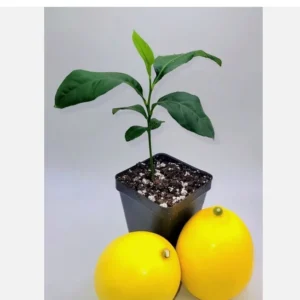
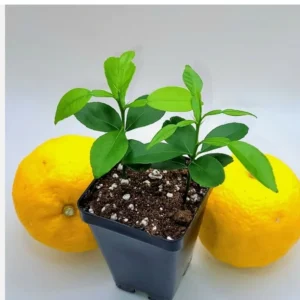
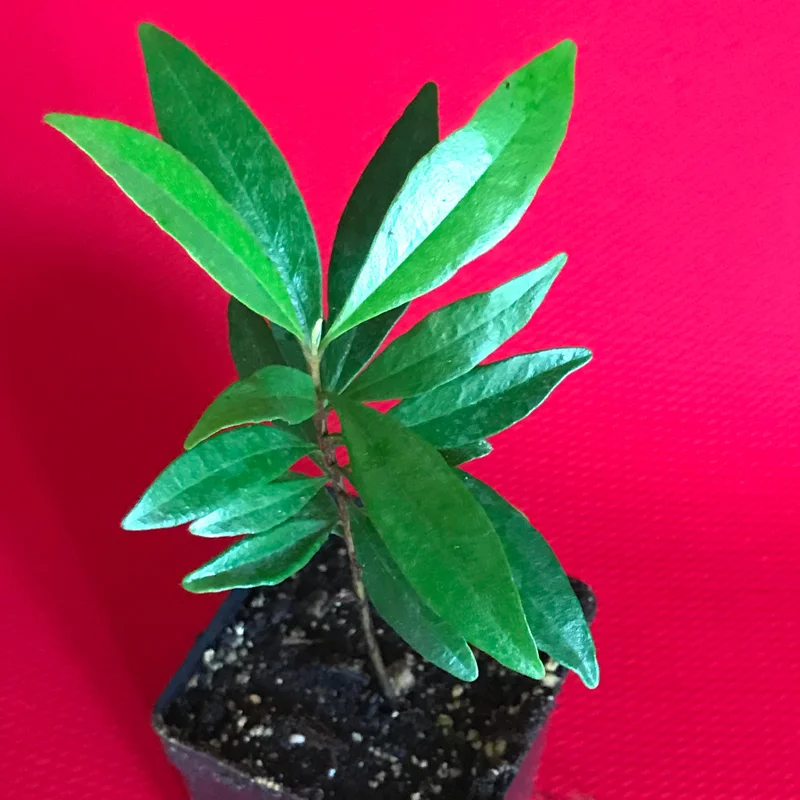
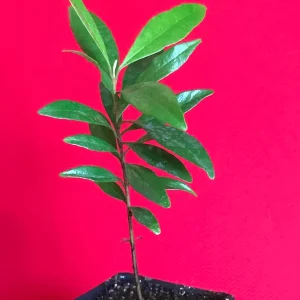
You will receive one Pitomba live plant, a Eugenia Luschnathiana plant starter, typically measuring 4-6 inches in height, excluding the pot. This young plant comes rooted in a 2.5-inch or 3-inch square nursery pot, providing a healthy foundation for its growth. The Pitomba is a slow-growing species, making it an ideal dwarf fruit tree for smaller gardens, patios, or as a dedicated container fruit tree. While it may take a few years to reach fruiting maturity, its manageable size and attractive form make it a wonderful long-term addition to your plant collection. Pitomba trees can eventually reach heights of 10-15 feet in ideal outdoor conditions, but their slow growth allows for easy control in containers through pruning. Expected fruiting season is typically from April to August, with a potential light fall crop in favorable climates. This starter plant is ready to be transplanted into a slightly larger pot or directly into your garden if conditions allow.
Frequently Asked Questions
- Q: How big does this Pitomba live plant get? A: This starter plant is 4-6 inches tall. The Pitomba is a slow-growing tree, typically reaching 10-15 feet in height when mature in optimal outdoor conditions, but can be kept smaller through pruning, especially as a dwarf fruit tree in containers.
- Q: What size pot does the Pitomba Eugenia Luschnathiana plant come in? A: Your Eugenia Luschnathiana plant will arrive in a 2.5-inch or 3-inch square nursery pot, providing a good start for its root system.
- Q: Is this an indoor or outdoor plant? A: The Pitomba can be grown outdoors in USDA Zones 9 and above. In colder climates, it is best grown as a container fruit tree and brought indoors during winter months due to its cold tolerance of 27 °F.
- Q: How much sunlight does the Pitomba fruit tree need? A: The Pitomba fruit tree thrives in full sun, requiring at least 6-8 hours of direct sunlight daily for best fruit production. It can tolerate partial shade, but fruiting may be reduced.
- Q: Is this plant easy to care for? Is it good for beginners? A: Yes, the Pitomba is relatively easy to care for, especially for those with some experience in growing fruit trees. Its adaptability and slow growth make it a good choice for beginners willing to learn.
- Q: What condition will the Pitomba live plant arrive in? A: Your Pitomba live plant will arrive as a healthy, organically grown starter plant, carefully packaged to ensure its safe journey. It is normal for plants to experience some stress during transit, but they typically recover quickly with proper care.
- Q: When is the best time to plant a Pitomba? A: The best time to plant or transplant your Pitomba is in spring or early summer, allowing it ample time to establish before cooler temperatures. If growing in a container, it can be planted year-round indoors.
- Q: What does Pitomba fruit taste like? A: Pitomba fruit has a delightful sweet and slightly acidic flavor, often compared to an apricot or cherry. It’s highly aromatic and has a soft, juicy flesh, perfect for fresh eating or making preserves.
- Q: Will this Pitomba live plant produce fruit quickly? A: As a starter plant and a slow-growing dwarf fruit tree, it will take a few years for your Pitomba to mature and begin producing fruit. Patience will be rewarded with delicious harvests.
- Q: Can I grow this Eugenia Luschnathiana plant in a small space? A: Absolutely! The slow growth habit and suitability for container growing make the Eugenia Luschnathiana plant an excellent choice for small gardens, patios, balconies, or even indoors, allowing you to enjoy a container fruit tree even with limited space.


Reviews
There are no reviews yet.