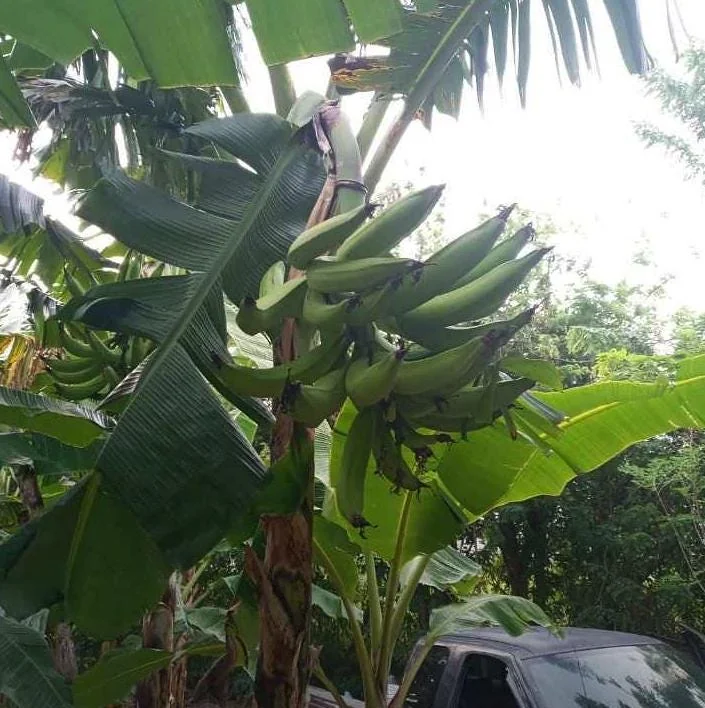

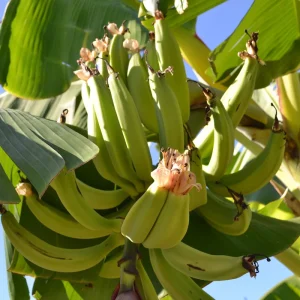
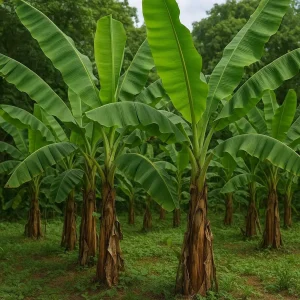

Overview
Embark on a rewarding gardening journey by cultivating your very own plantain plant rhizome. This offering provides a live, healthy rhizome, which is the underground stem of the plant, ready to be planted and grown into a robust plantain plant. Plantain, scientifically known as Plantago major or Plantago lanceolata depending on the variety, is a common yet highly valued perennial herb found across many parts of the world. Known for its broad, ribbed leaves, plantain is not only a resilient addition to any garden but also a powerhouse of beneficial properties. It’s often sought after for its edible leaves and traditional medicinal uses, making it a truly versatile choice for gardeners looking to enhance their green spaces with functional and beautiful plants. Growing your own plantain plant rhizome ensures you have a fresh supply of this remarkable herb at your fingertips.
Whether you’re an experienced gardener or just starting, this plantain plant rhizome is an excellent choice due to its hardiness and adaptability. It establishes quickly and requires minimal fuss once settled, providing lush foliage that can be harvested throughout the growing season. This perennial nature means it will return year after year, enriching your garden and providing continuous harvests. Discover the joy of growing an herb that delivers both ornamental appeal and practical applications, contributing to a more sustainable and self-sufficient lifestyle. Consider adding a plantain plant rhizome to your collection today.
Key Benefits
Adding a plantain plant rhizome to your garden offers a multitude of advantages, from its culinary uses to its traditional therapeutic properties. It’s a low-maintenance plant that provides a continuous supply of fresh leaves, making it a valuable asset for any home gardener.
- Edible Versatility: The young leaves of the plantain plant are entirely edible and can be enjoyed raw in salads, cooked like spinach, or added to soups and stews. They offer a slightly bitter, earthy flavor that complements many dishes, providing a nutritious green option directly from your garden.
- Traditional Medicinal Uses: Plantain has a long history of use in traditional herbal medicine. It is often used topically for minor skin irritations, insect bites, and stings, and internally for digestive support. Growing your own plantain herb benefits ensures you have access to this time-honored remedy.
- Hardy Perennial: Once established, the plantain plant rhizome is incredibly hardy and will return year after year, making it a sustainable and enduring addition to your landscape. It tolerates a wide range of growing conditions.
- Easy to Grow: This plant is remarkably easy to cultivate, thriving in various soil types and light conditions. It’s an excellent choice for beginner gardeners or those looking for a low-effort, high-reward plant.
- Ecological Value: Plantain can attract beneficial insects to your garden and contribute to biodiversity. Its deep roots can also help improve soil structure, making it a beneficial companion plant.
- Ground Cover Potential: In some settings, plantain can serve as an effective ground cover, helping to suppress weeds and reduce soil erosion, especially in areas where other plants struggle.
- Self-Sufficient Supply: By choosing to grow plantain plant from a rhizome, you establish a reliable source of fresh leaves, reducing the need for store-bought alternatives and promoting a healthier, more self-reliant lifestyle.
Plant Care & Growing Tips
Growing a plantain plant rhizome is a straightforward process, as these plants are known for their resilience and adaptability. To ensure your plantain thrives, here are detailed care and growing tips. Plantain typically prefers full sun to partial shade, meaning it will perform best with at least 4-6 hours of direct sunlight per day, but can tolerate some afternoon shade, especially in hotter climates. When it comes to watering, plantain prefers consistently moist soil but is also quite drought-tolerant once established. Water regularly after planting, especially during dry spells, allowing the top inch of soil to dry out slightly between waterings. Avoid waterlogging, as this can lead to rhizome rot. The goal is to provide enough moisture to encourage vigorous growth of your plantain plant rhizome.
Plantain plant rhizome is not particular about soil type and can grow in poor, compacted soils. However, it will flourish in well-draining soil rich in organic matter. A pH between 6.0 and 7.0 is ideal. If your soil is heavy clay, consider amending it with compost or sand to improve drainage. Fertilization is generally not necessary for plantain, as it’s a very self-sufficient plant. If your soil is particularly poor, a light application of a balanced organic fertilizer in the spring can provide a boost. Plantain is cold-hardy, typically thriving in USDA Zones 3-9, making it suitable for a wide range of climates. It’s generally pest and disease resistant, though occasionally slugs or snails may munch on the leaves. Keep an eye out for these and address them with organic pest control methods if needed. Learning to grow plantain plant will provide you with a resilient and useful herb for years.
For harvesting, simply snip off the outer leaves as needed. The plant will continue to produce new leaves from the center. Regular harvesting encourages more vigorous growth. If you wish to prevent self-seeding, cut off the flower stalks before they go to seed. Otherwise, plantain will readily self-sow, which can be beneficial if you want more plants. Understanding how to care for your plantain for garden use ensures a continuous supply of this valuable herb.
Size & Details
This offering includes a single, healthy plantain plant rhizome, carefully prepared for planting. Each rhizome is selected to ensure viability and robust growth upon arrival. The rhizome itself will measure approximately 2-4 inches in length, with dormant buds ready to sprout. Once planted, the plantain plant will typically begin to show new leaf growth within 2-4 weeks, depending on environmental conditions and care. As a mature plant, it generally forms a basal rosette of leaves that can spread 8-12 inches wide and reach 6-10 inches in height, with flower stalks extending up to 12-18 inches tall. The growth rate is moderate, establishing a strong root system in the first season and returning larger in subsequent years.
The plantain plant rhizome is shipped as a bare root specimen, meaning it will arrive without soil or a pot, allowing for easier transplanting and reduced shipping costs. This method ensures the plant is dormant and less stressed during transit. It’s ready to be planted directly into your garden bed or a suitable container immediately upon receipt. This edible plantain plant is a long-term investment for your garden, providing perennial harvests and contributing to your outdoor space with its hardy growth and beneficial properties.
Frequently Asked Questions
- Q: How big does this plant get? A: A mature plantain plant typically forms a rosette of leaves that spreads 8-12 inches wide and stands 6-10 inches tall. Flower stalks can reach up to 12-18 inches in height.
- Q: What condition will the plantain plant rhizome arrive in? A: The plantain plant rhizome will arrive as a bare root specimen, meaning it will be free of soil and foliage, in a dormant state. This ensures minimal stress during shipping and prepares it for successful planting.
- Q: Is this an indoor or outdoor plant? A: Plantain is primarily an outdoor plant, thriving in garden beds, containers, or even as a lawn plant. While it can be grown indoors, it generally performs best with ample sunlight and outdoor conditions.
- Q: How much sunlight does it need? A: For optimal growth, plantain prefers full sun to partial shade, which means at least 4-6 hours of direct sunlight per day. It is quite adaptable and can tolerate some shade, though growth may be less vigorous.
- Q: Is this plant easy to care for? A: Yes, plantain is renowned for being an easy-to-care-for plant. It tolerates a wide range of soil conditions and is quite drought-tolerant once established, making it suitable for beginners and busy gardeners.
- Q: Can I use the leaves of the plantain plant rhizome in cooking? A: Absolutely! The young leaves of the edible plantain plant are delicious and nutritious. They can be eaten raw in salads, sautéed like spinach, or added to soups and stews.
- Q: When is the best time to plant the plantain plant rhizome? A: The best time to plant the plantain plant rhizome is in early spring or fall, allowing it to establish its root system before extreme temperatures. However, it can be planted any time the ground is workable.
- Q: Will the plantain plant rhizome survive winter in my zone? A: Plantain is very cold-hardy, typically thriving in USDA Zones 3-9. It will go dormant in winter in colder climates and re-emerge in spring.
- Q: How long until I can harvest leaves from my plantain plant? A: You can typically begin harvesting young leaves from your plantain plant within 4-6 weeks after planting, once the plant has established itself and produced several healthy leaves.
- Q: Is plantain considered invasive? A: While plantain is a prolific self-seeder and can spread, it is generally not considered invasive in the same way as some other species. Its growth is manageable, and its benefits often outweigh any concerns about spread.


Reviews
There are no reviews yet.